
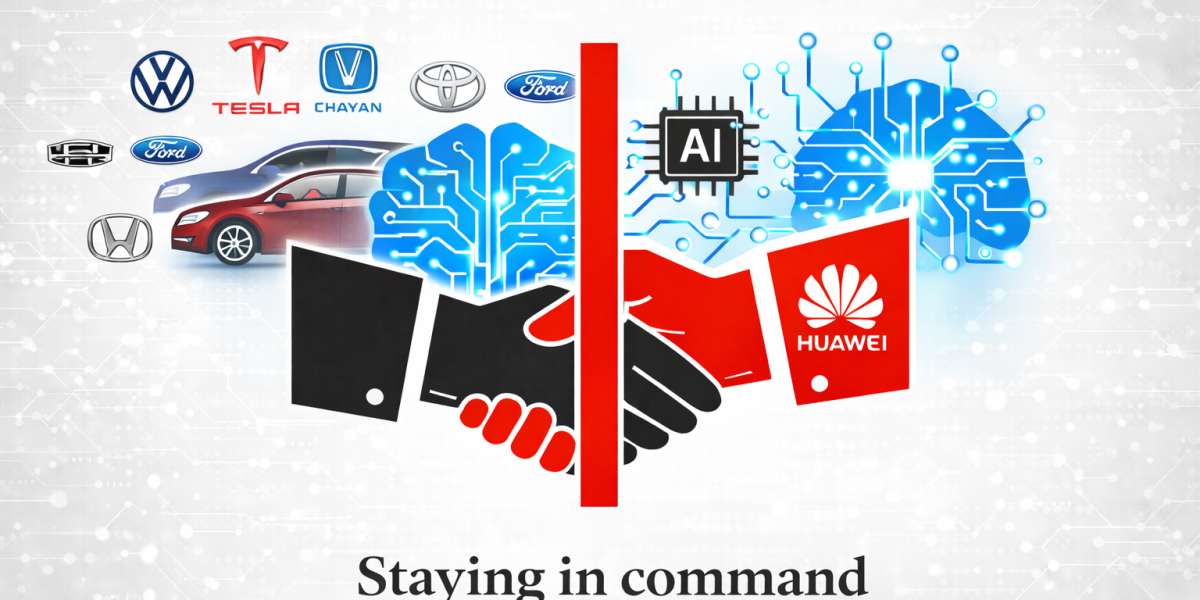
A growing number of carmakers have been making high-profile visits to Huawei, reflecting a broad industry consensus: the competition in the era of intelligent vehicles is intensifying. As the race in electrification and smart technology deepens, the battle over core competencies is becoming more pronounced.
For traditional manufacturers, start-ups and joint ventures alike, the question is not only how to cooperate openly, but also how to protect their “core domains”.
With competition heating up, turning to external technology partners has become a common shortcut. But every shortcut comes at a price. Whether it leads to success depends on who can strike the right balance. Today, many automakers are hoping to ride Huawei’s momentum, with senior executives lining up to meet founder Ren Zhengfei in search of partnerships.
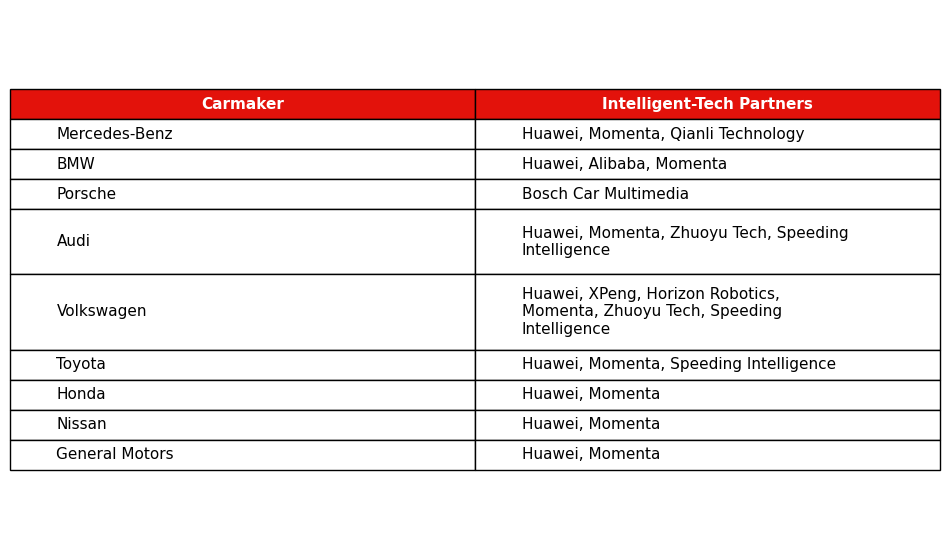
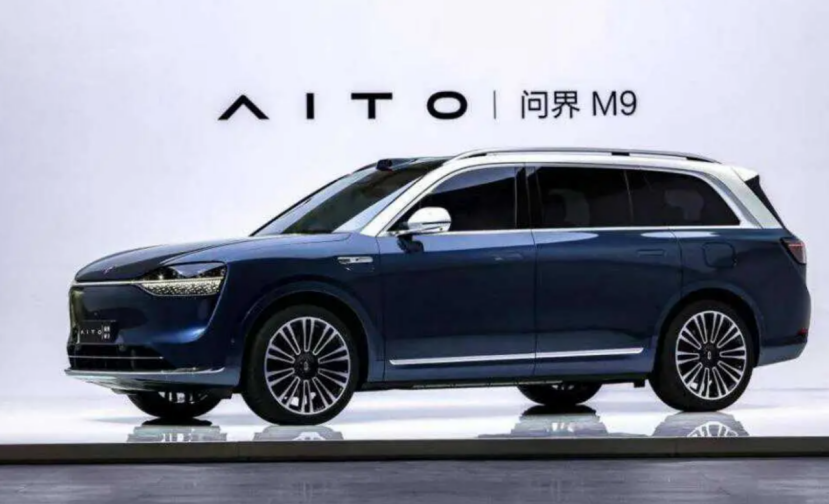
The reasons are clear. The automotive industry has moved from an era where mechanical engineering reigned supreme to one dominated by intelligence. Huawei holds strong cards in areas such as advanced driver assistance, smart cockpits and the HarmonyOS ecosystem—precisely the capabilities many carmakers lack. Its long-standing claim that it will “not build cars, but instead provide intelligent automotive components” has also reassured potential partners, suggesting it will not become a direct rival.
Yet cooperation is never about handing everything over. Which core strengths must remain in-house? And which areas can safely be entrusted to Huawei? These decisions form the logic of partnership—and ultimately determine who emerges ahead.
Traditional Carmakers: Protect the Fundamentals, Borrow the Intelligence
Veteran manufacturers such as Dongfeng, Changan, SAIC and Chery still possess deep industrial foundations. Decades of experience in vehicle manufacturing, chassis tuning, supply-chain management, brand building and dealership networks remain powerful assets.
Turning to Huawei does not mean these companies lack in-house capability. Rather, in areas such as intelligent driving and smart cockpits, development cycles are long and costly. Partnering with Huawei offers a faster way to keep pace with the smart-car race.
Their strategy is clear: protect the fundamentals, and let Huawei fill the technological gaps.
These “fundamentals” include vehicle engineering, chassis tuning and mechanical quality—areas that directly affect driving feel and safety. Even in cooperation, these cannot be handed over.
Control of the supply chain is another lifeline. Large-scale procurement, quality control and cost management determine production stability and pricing flexibility. Even in deep partnerships, the core supply chain typically remains under the carmaker’s control.
Brand ownership is equally crucial. Decades of reputation—whether SAIC’s mass appeal, Chery’s engineering image or Dongfeng’s state-backed credibility—cannot be diluted. Partnerships must therefore keep brand identity clearly defined.
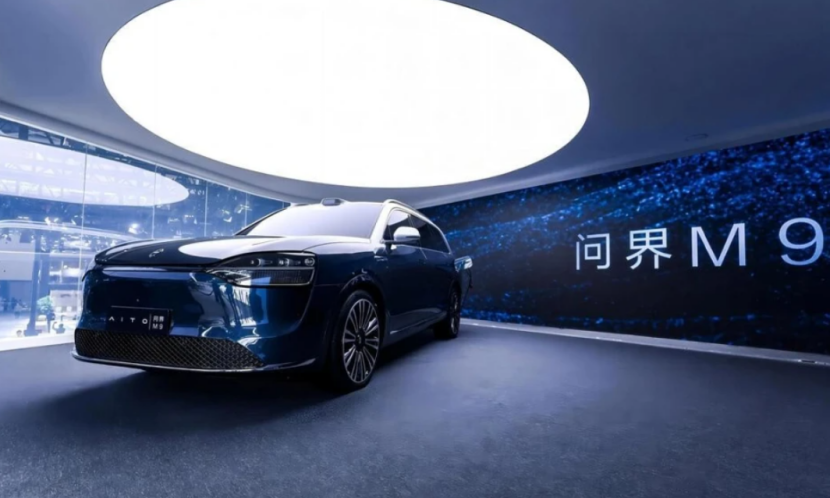
Outside these core areas, many manufacturers are happy to rely on Huawei. Its advanced driver-assistance systems, HarmonyOS cockpit and ecosystem are widely seen as industry-leading. Rather than spending heavily to build similar systems from scratch, some prefer to adopt Huawei’s full-stack solutions.
For example, Dongfeng has set up joint innovation labs with Huawei, while focusing on its own manufacturing strengths—closing the intelligence gap while buying time to learn.
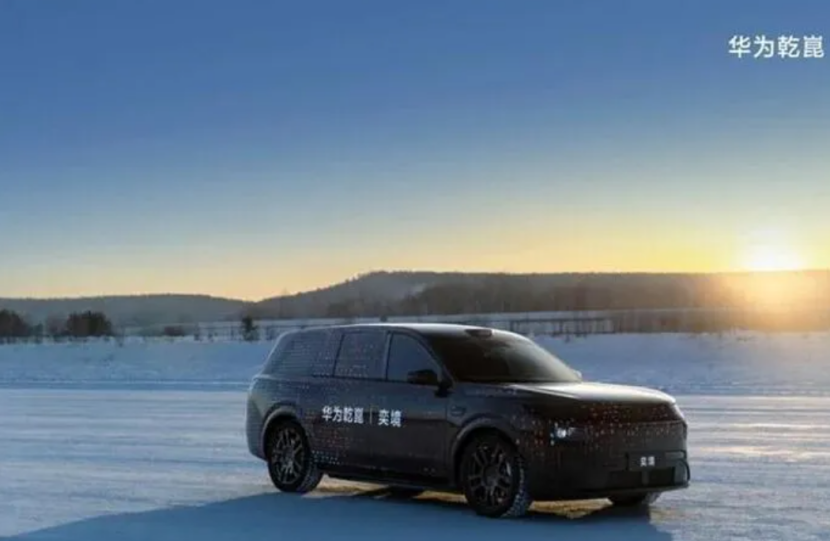
Start-ups: Keep the User, Cut Development Costs
New-energy start-ups may have moved faster in smart features, but the latest round of competition is expensive. Even with heavy annual investment, many still struggle to match Huawei’s technological depth.
Their key advantage lies elsewhere. Companies such as XPeng, Li Auto and NIO have survived fierce competition not because of manufacturing strength, but because they understand their users.
Their strength lies in product definition and customer engagement. In a partnership with Huawei, their logic is simple: keep the user, reduce the cost.
That means holding onto product direction, brand tone and user experience—while outsourcing costly, complex technology development and component supply. Losing control of product definition would risk eroding the very identity that attracts customers.
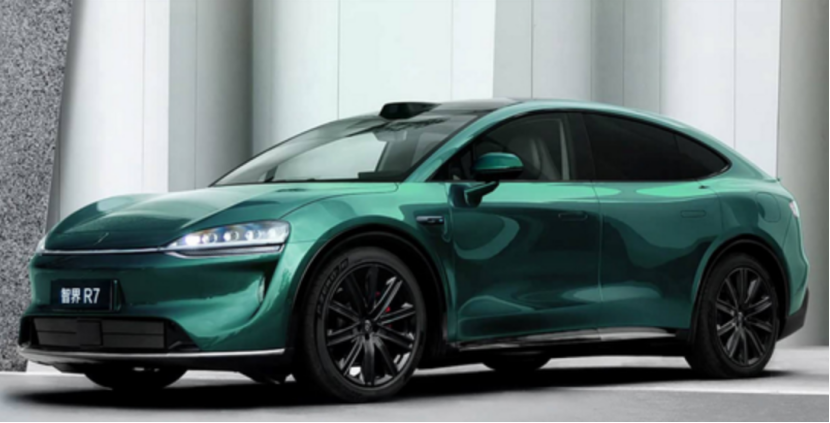
User data is another critical asset. Driving behaviour and usage patterns are essential for refining products and services. Even if some data must be shared, ownership and usage rights must remain clearly defined.
Meanwhile, resource-intensive areas—such as high-level autonomous driving, city-level navigation assistance, lidar systems and automotive chips—can be handled in partnership with Huawei. By focusing on core components such as batteries, start-ups can improve efficiency and control costs.
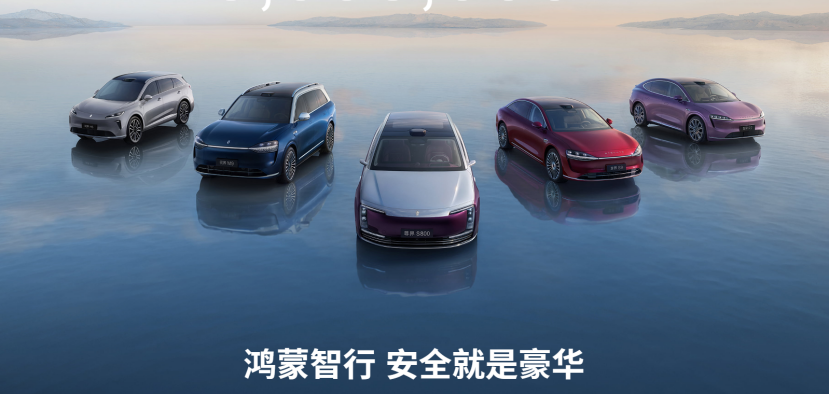
Joint Ventures: Defend the Base, Use Huawei to Break Through
Foreign joint-venture brands such as Honda, Toyota, Audi and BMW have come under pressure from rising domestic competitors. Strict global technical control has slowed local development, leaving infotainment and driver-assistance systems out of step with Chinese consumer expectations.
In this context, partnering with a leading technology company like Huawei offers a rapid path forward.
Still, the strengths built during the combustion-engine era—engineering quality, global powertrain expertise and brand prestige—remain essential. These are the core domains that must be protected.
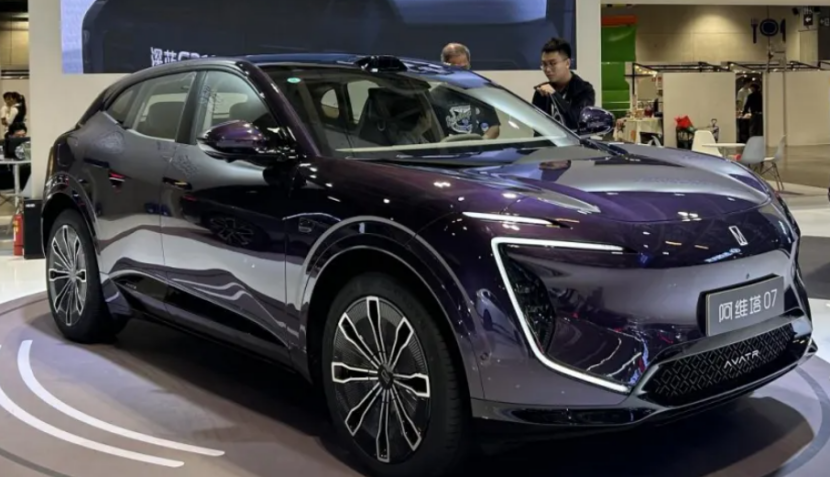
Their strategy, therefore, is to maintain engineering standards, technical sovereignty and brand values, while using Huawei’s localised smart technology to adapt to China’s market.
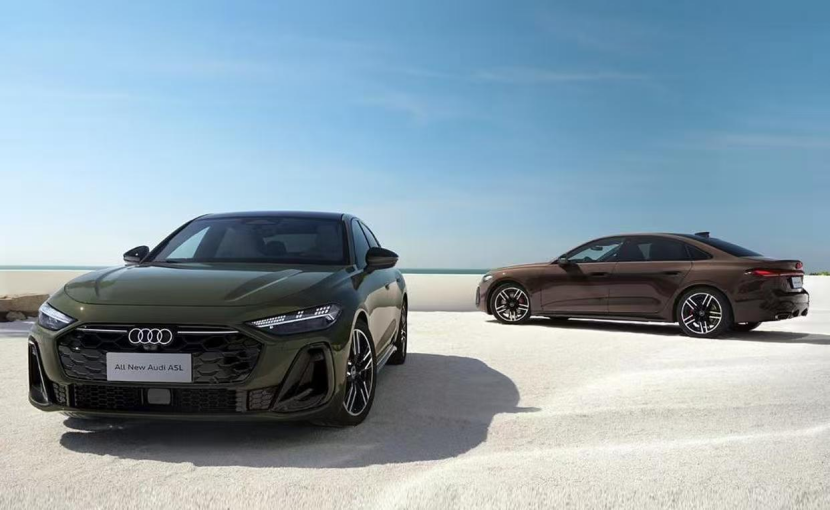
Some examples already reflect this logic. Volkswagen’s MEB platform has been adapted by its China team for local intelligent features, while the core architecture remains under German control. Toyota’s use of Huawei’s smart-driving technology still requires approval through its global safety certification systems. Audi’s cooperation with Huawei does not change its focus on premium interiors and chassis tuning.
Outside these core areas, however, joint ventures can rely on Huawei to close their technology gaps—improving local connectivity, reducing costs and accelerating delivery.
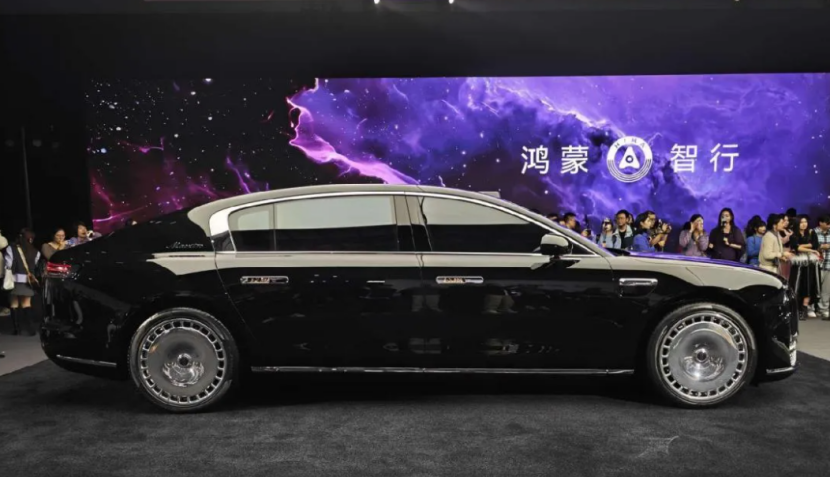
Conclusion
Whether traditional carmakers, start-ups or joint ventures, the logic of working with Huawei is broadly the same:
-
Core domains—the irreplaceable strengths—must remain in-house.
-
Non-core areas—the weak links—are best addressed through partnership.
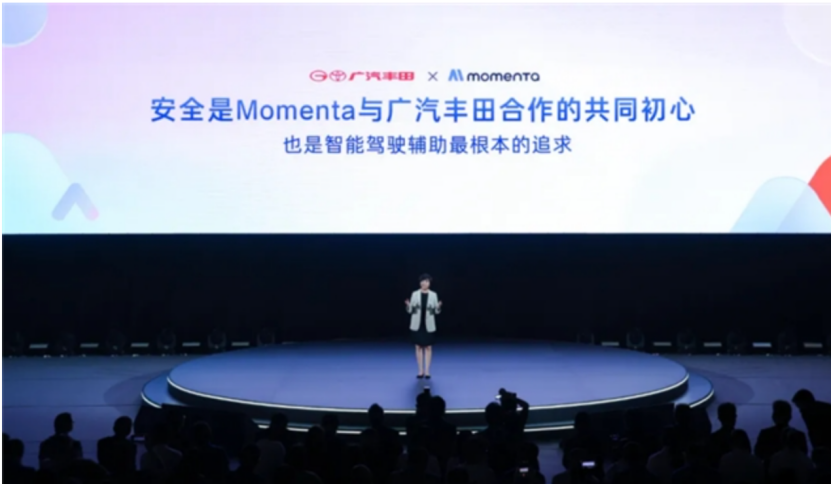
In essence, everyone is trying to hold their ground while borrowing momentum from Huawei. Cooperation is, at its core, about mutual benefit.
But who can truly ride that momentum will depend on one thing above all: how strong their own foundations are.