ANG Editor
Walk through the 2026 Chengdu Motor Show and one design language is difficult to escape.

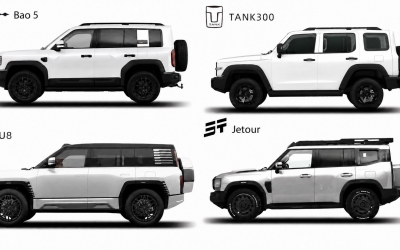
Walk through the 2026 Chengdu Motor Show and one design language is difficult to escape.
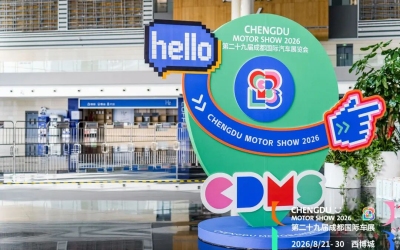
The Chengdu Motor Show has not gone cold. It has become more candid. The event now offers a clear view of how every carmaker sees its relationship with China’s market—and whether a costly regional show still deserves a place in its strategy.
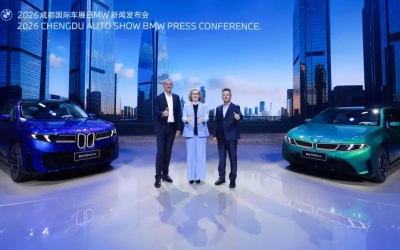
BMW has opened Chinese orders for the locally built Neue Klasse iX3 at a national fixed price starting at about $40,000, placing one of the German carmaker's most important electric vehicles into a market where software, range and charging performance now carry as much weight as the badge.
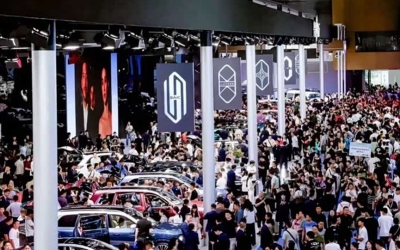
China’s biggest motor shows have spent the past several years becoming showcases for ever larger batteries, faster charging, more computing power and increasingly ambitious assisted-driving systems.
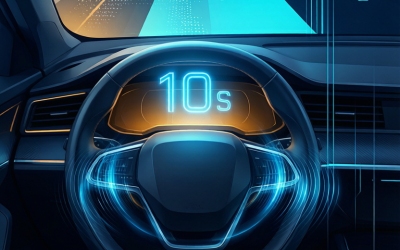
“The system disengaged one second before the crash.” It has become one of the most damaging phrases associated with advanced driver-assistance systems in China.
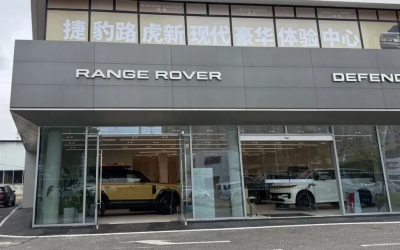
The Land Rover Defender is not being challenged by a single rival. It is being confronted by a change in the market around it.
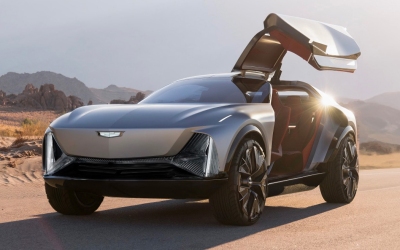
General Motors’ decision to extend its partnership with SAIC Motor for another 20 years is more than a vote of confidence in a joint venture that has endured one of the most disruptive periods in China’s car industry.
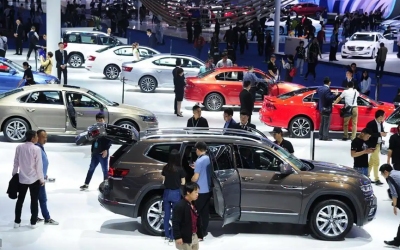
China’s car industry has become exceptionally good at launching new models. The harder question is ...
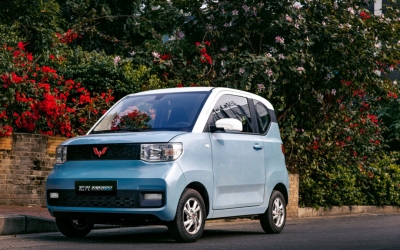
China’s electric-vehicle market is producing one of its sharpest contradictions yet. In the first half of 2026, passenger-car sales below roughly $7,000 fell 55% from a year earlier to just 130,000 units.
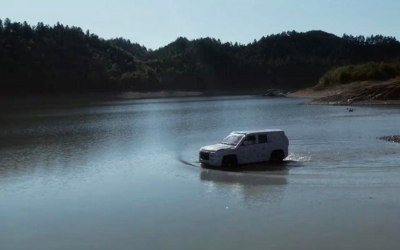
Typhoon Dolphin's long sweep across eastern and central China has turned an unusual engineering question into a more immediate commercial one.