AutoNewGen, autonewgen.com
BEV (Battery Electric Vehicle)
A BEV runs entirely on electricity, drawing power from a rechargeable battery and producing no tailpipe emissions. With no petrol engine on board, its range depends solely on battery capacity and access to charging infrastructure.
PHEV (Plug-in Hybrid Electric Vehicle)
A PHEV combines a battery-powered electric motor with a conventional internal combustion engine. It can be plugged in to charge and typically offers a short all-electric range, before switching to hybrid operation when the battery is depleted.
HEV (Hybrid Electric Vehicle)
An HEV uses both an electric motor and a petrol engine, but cannot be plugged in. The battery is charged through regenerative braking and engine power, improving fuel efficiency but offering little or no pure electric driving.
REEV (Range-Extended Electric Vehicle)
A REEV is driven solely by an electric motor, but carries a small petrol engine that acts as a generator to recharge the battery when needed. The engine does not drive the wheels directly, extending range without fully relying on charging.
FCEV (Fuel Cell Electric Vehicle)
An FCEV generates electricity onboard using hydrogen fuel cells, emitting only water vapour. It offers fast refuelling and long range, but adoption remains limited due to the high cost and sparse hydrogen infrastructure.
MHEV (Mild Hybrid Electric Vehicle)
An MHEV uses a small electric motor to assist the petrol engine during acceleration and improve efficiency. It cannot drive on electricity alone, but helps reduce fuel consumption and emissions at relatively low cost.
CLTC (China Light-duty Vehicle Test Cycle)
WLTC (Worldwide Harmonised Light Vehicles Test Cycle)
Internal combustion engine
Advanced drive assistant system
China’s electric vehicle revolution has produced a fast-growing group of so-called “new forces” — start-up carmakers that have emerged over the past decade as challengers to both traditional manufacturers and global EV leaders.
These companies are largely defined by what they are not. Unlike established automakers, they did not transition from petrol engines but were built from the ground up around electrification, software and digital services. The result is a generation of vehicles designed as much around screens, data and connectivity as around motors and batteries.
Among the best known is Nio, which targets the premium segment and has invested heavily in battery-swapping infrastructure. XPeng has focused on advanced driver-assistance systems and in-house software development, while Li Auto has found success with extended-range electric vehicles, appealing to families concerned about charging access.
Alongside them, a second wave of players has pushed into the market. Leapmotor has positioned itself as a cost-focused innovator, emphasising vertical integration and in-house development to compete in the mass market. Others, such as Zeekr and Aito, are backed by established automotive or technology groups, blurring the distinction between start-ups and incumbents.
The arrival of Xiaomi, best known for smartphones and consumer electronics, has further highlighted how China’s EV sector is converging with its technology industry.
Huawei is not a car manufacturer in the conventional sense. Instead, it has positioned itself as a central technology partner in China’s new energy vehicle sector, building a portfolio of co-branded automotive marques in collaboration with established carmakers.
Huawei-backed brands include AITO, Luxeed, Stelato and Maextro, reflecting the Chinese technology group’s expanding role in the new energy vehicle sector.
These vehicles are grouped under Huawei’s Harmony Intelligent Mobility Alliance, a framework in which Huawei provides core technologies — including intelligent driving systems, digital cockpits and in-car software — while manufacturing is handled by its partners.
Geely Auto Group – Brands under Geely
Geely
Mainstream mass-market brand, covering petrol, hybrid and electric models. Strong presence in China and expanding overseas.
Lynk & Co
A premium, youth-oriented brand positioned between mass market and luxury, known for connected tech and distinctive design.
ZEEKR
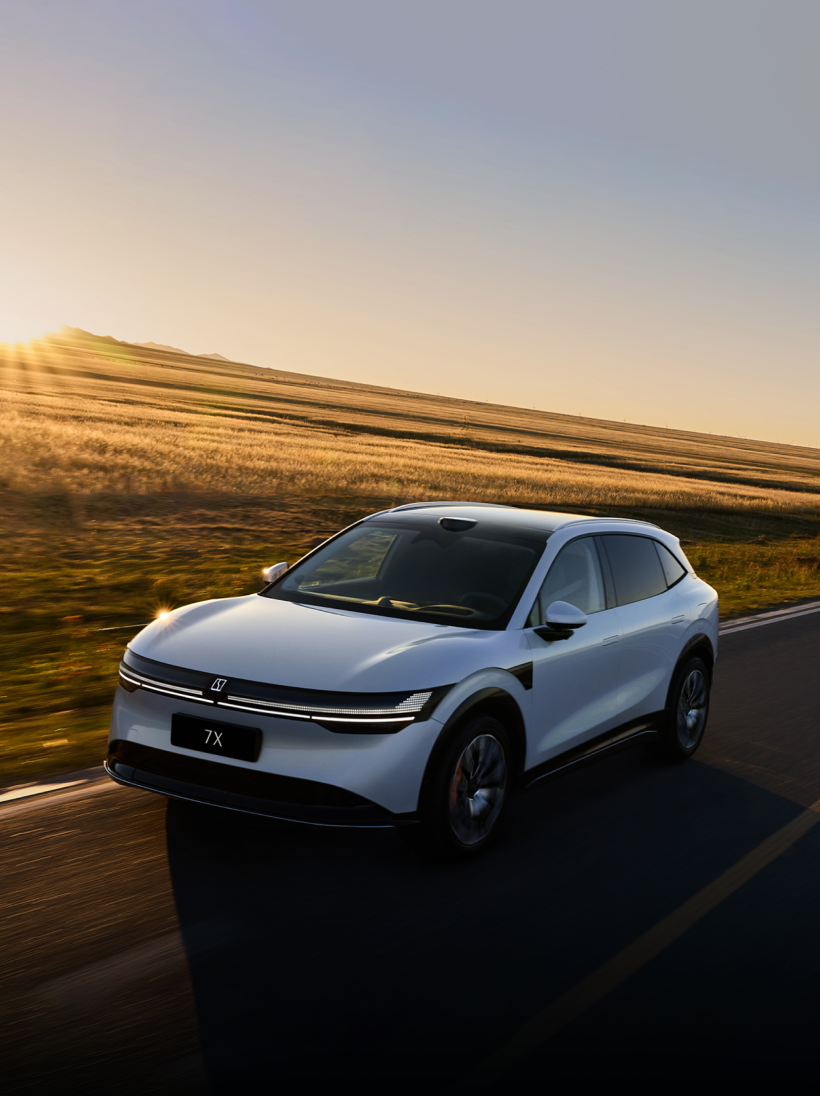
Geely’s high-end electric brand, focused on performance EVs, advanced software and fast-charging platforms.
Geometry
An affordable electric-only brand aimed at urban users and cost-conscious EV buyers.
Polestar
A global premium electric performance brand, originally Volvo’s performance arm, now positioned as a Tesla rival.
Volvo Cars
A Swedish premium brand known for safety, design and electrification; majority owned by Geely.
Lotus Cars
A British sports-car marque transitioning from lightweight petrol cars to high-performance electric vehicles.
Proton
Malaysia’s national car brand, revitalised with Geely platforms and technology.
smart (joint venture with Mercedes-Benz)
Reimagined as a premium compact EV brand with a focus on urban mobility.
SAIC Motor (Shanghai Automotive Industry Corporation) operates a wide portfolio of brands, spanning mass market, premium, EV-focused, and joint-venture marques:
- SAIC Volkswagen – A joint venture producing Volkswagen and Audi models for China, covering mainstream and premium segments.
- SAIC General Motors (SGM) – Another major JV, manufacturing Buick, Chevrolet, and Cadillac for the Chinese market.
- Roewe – SAIC’s core passenger-car brand, positioned in the mainstream-to-upmarket segment with strong electrification.
- MG (Morris Garages) – A revived British brand under SAIC, now one of China’s most successful global exporters of EVs and hybrids.
- IM Motors (Zhiji Auto) – A premium electric vehicle brand co-backed by Alibaba, focused on smart EVs and advanced software.
- MAXUS (LDV) – Specialises in MPVs, vans, and pickups, with a growing electric commercial-vehicle lineup.
- Wuling – Best known for affordable mini EVs and entry-level vehicles, highly popular in lower-tier cities.
- Baojun – Targets cost-conscious consumers with compact, value-oriented models.