
A German luxury giant and a Chinese SUV king are quietly rewriting the rules of auto joint ventures...
For most foreign carmakers, the script in China has long been simple. Find a local partner, transfer some technology, build cars for the local market, and collect profits. The relationship is rarely equal, and rarely deep. But every so often, the script gets torn up.
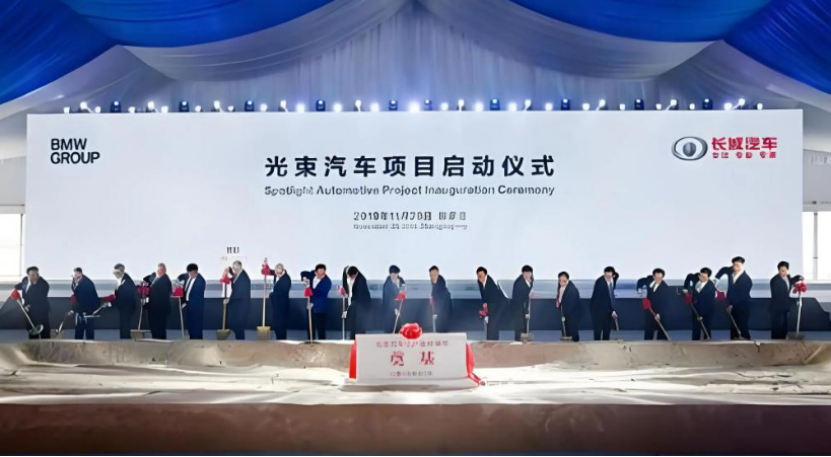
In 2018, BMW and Great Wall Motors signed a 50:50 joint venture called Spotlight Automotive. Its mission was narrow: produce pure-electric MINIs for China and export markets. The collaboration was specific, bounded, and – by the standards of the industry – relatively small.
Now the two are talking again. And this time, the scope appears much larger.
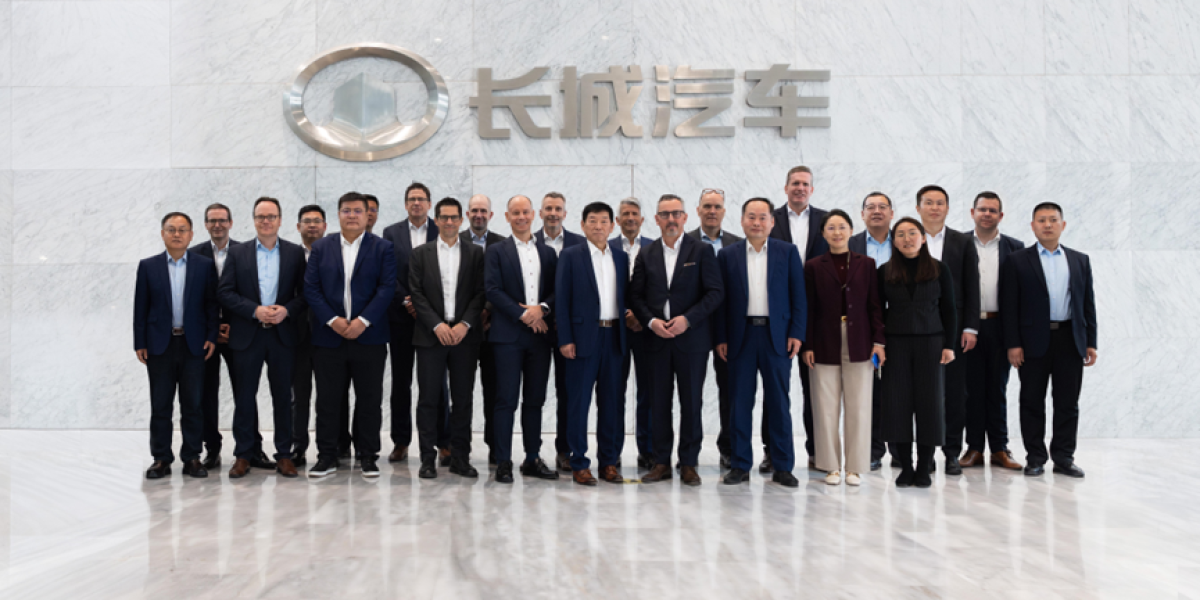
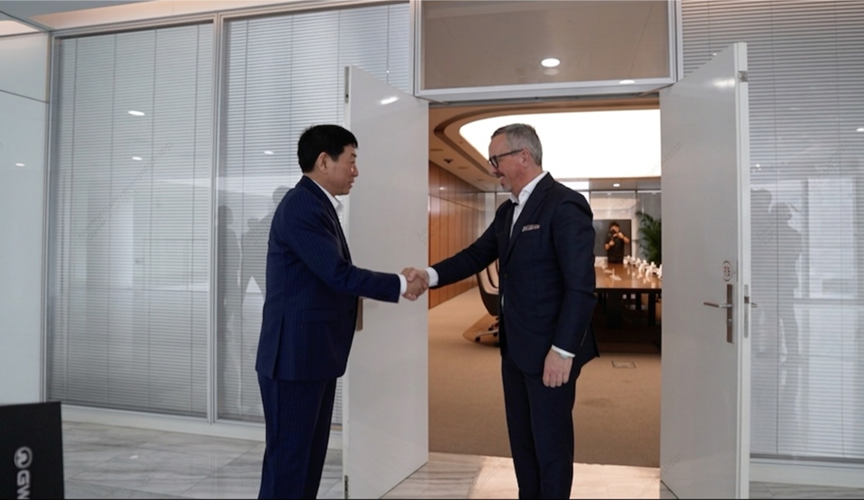
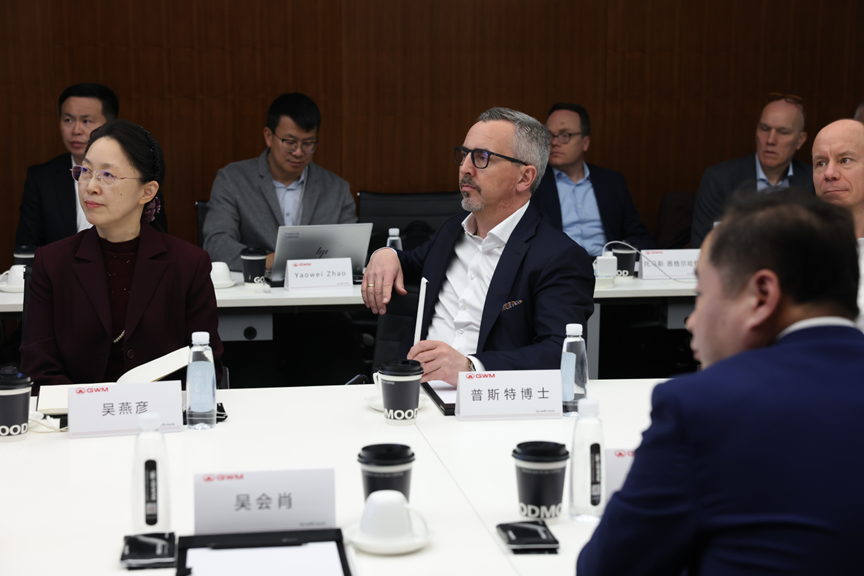
In recent weeks, BMW dispatched a high-powered delegation led by Frank-Peter Arndt, its R&D board member, to Great Wall's headquarters in Baoding. At least five group vice-presidents made the trip, along with senior technical executives from BMW China and Spotlight. On the other side of the table sat Wei Jianjun, Great Wall's founder and chairman.
No official readout was released. But few in the industry believe this was a routine business visit.
A partnership born of necessity, not nostalgia
BMW's interest in a deeper tie-up with Great Wall is best understood as a confession of weakness.
The Bavarian brand was not late to electrification. It launched the i3 and i8 years before most rivals took battery power seriously. But after that early start, it hesitated. For too long, BMW's electric vehicles were conventional cars with plugs grafted on. In China's hyper-competitive market, that no longer works.
Range is middling. Charging is slow. And the smart features that Chinese premium buyers now demand – intuitive cockpits, usable city navigation, voice assistants that understand local slang – are not BMW's forte. Its in-house systems have always felt foreign in China, and a recent scramble to partner with local AI firms cannot quickly fix a legacy electronic architecture.
BMW has pinned its hopes on a new platform, Neue Klasse. But platforms take years to develop and validate. And years are exactly what BMW does not have. Its electric vehicle sales are rising, but not as fast as those of Tesla or China's home-grown challengers such as Nio and Li Auto.
The old model – take a global car, adapt it lightly, sell it in China – is dead. And BMW knows it.
What Baoding has that Munich wants
Great Wall, for its part, has spent years building technical capabilities that BMW currently lacks. The Chinese company is best known for its SUVs and pickups, but its engineering portfolio has quietly broadened.
Take platforms. Great Wall's Lemon architecture covers a wide range of vehicle sizes, offers competitive lightweighting, and is designed from the ground up for Chinese consumer tastes. Its Yuan platform is native to electrification and artificial intelligence, accommodating petrol, hybrid, pure electric and hydrogen powertrains. Both are flexible. Both are cost-effective. Both are ready now.
BMW's Neue Klasse is neither cheap nor quick. Using Great Wall's platforms would allow BMW to accelerate local product launches without sacrificing its own core technologies – and at a lower cost.
Then there are hybrids. BMW builds superb petrol engines, but its hybrid systems are unremarkable. Great Wall's Hi4 and Hi4-T are different. The former gives drivers all-wheel-drive feel with two-wheel-drive fuel consumption. The latter pairs a mechanical all-wheel-drive base for off-road use with hybrid efficiency. BMW has a gaping hole in its hybrid line-up. Adopting Great Wall's systems would fill it quickly – and might even open up a new luxury off-road hybrid segment.
And then there is the biggest gap of all: smart technology. Great Wall's Coffee Smart stack includes a cockpit system with fast voice response, deep local integration and over-the-air updates. Its Coffee Pilot autonomous-driving system does not rely on high-definition maps and has been optimised for China's chaotic urban conditions. Bundled with a modern centralised electronic architecture, it is the sort of turnkey solution that would take BMW years to develop on its own.
Throw in Honeycomb's batteries and an 800-volt electric drive train, and Great Wall is offering a nearly complete alternative to BMW's in-house development pipeline.
From project to ecosystem
The first BMW-Great Wall partnership, Spotlight, was a narrowly defined project. A second one would look very different.
The most obvious change would be to upgrade Spotlight itself. Instead of serving merely as a contract manufacturer for MINI, the joint venture could become a shared research, development and production base. BMW could use Great Wall's platforms to enter the 200,000-300,000 yuan ($28,000-42,000) premium electric segment – a volume gap in its current line-up. Great Wall could use BMW's distribution channels and quality standards to push its own brands into overseas premium markets.
A more interesting possibility is two-way technology licensing. The old joint-venture model involved foreign partners contributing technology and Chinese partners contributing land, labour and local knowledge. This time, the flow could be mutual. BMW would offer premium chassis tuning, global safety standards and brand expertise to help Great Wall's Wey brand move upmarket. Great Wall would offer platforms, hybrid systems and smart technology to speed BMW's localisation.
Neither side would dominate. Both would gain.
There is also supply-chain logic. If both companies use Honeycomb's batteries and electric drive systems, volume discounts would follow. Joint procurement of chips and sensors would reduce the risk of supply shocks. And Great Wall's Tank platform, paired with its Hi4-T hybrid system, could give BMW a credible luxury off-road vehicle – a segment where the German brand is conspicuously absent.
A new template for survival in China
For BMW, a deeper partnership with Great Wall is not about ambition. It is about survival. The Chinese market is the world's largest for electric vehicles, and it is also the most demanding. No foreign brand can afford to fall behind.
For Great Wall, the calculus is different but complementary. It has spent heavily on technology and now needs to monetise that investment. A partnership with BMW would provide both revenue and a seal of approval as it seeks to move upmarket and go global.
The two companies already know how to work together. Spotlight was not a spectacular success, but it built trust. That trust is now the foundation for something much larger.
No deal has been announced. But the pieces are in place: strategic alignment at the top, technical validation under way, and a shared interest in rewriting the old joint-venture playbook.
When a luxury incumbent and a local challenger find common ground, the industry tends to notice. Whether this particular pairing works will depend on how far both sides are willing to go. But the direction of travel is clear.