
Leapmotor’s plan to launch a second brand has triggered fresh debate in China’s crowded electric vehicle market. The news was confirmed by vice-president Li Tengfei during the company’s first-quarter earnings call, raising a central question: can a company best known for value-for-money cars credibly enter the premium segment?
The challenge is clear. China’s high-end EV market, especially the segment above roughly $44,300, is already fiercely contested. For a carmaker once nicknamed the “half-price Li Auto”, moving into premium territory will require more than competitive specifications and aggressive pricing.
After Years of Growth, Leapmotor Wants to Move Up
Leapmotor’s push upmarket is not a sudden decision. The company enters this phase with stronger fundamentals than in previous years. In 2025, it delivered 596,600 vehicles, topped the sales ranking among China’s new EV makers, and reported annual revenue of about $95.5 billion, up 101.3% year on year. It also posted its first annual profit, with net income of about $79.7 million.
The momentum continued into April, when global deliveries reached 71,387 vehicles, up 73.95% year on year, setting a new monthly record for the brand. That scale has helped Leapmotor build a larger user base and stronger leverage across its supply chain, both of which are important foundations for a premium push.
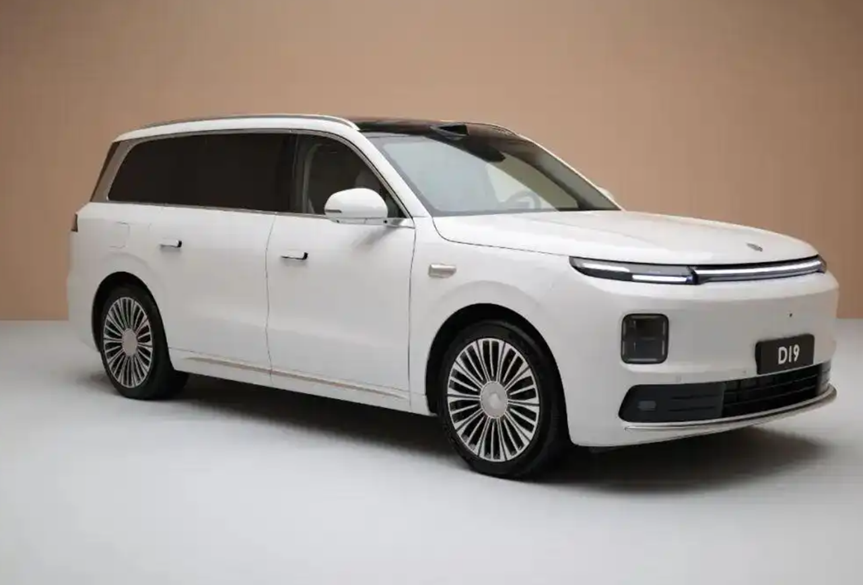
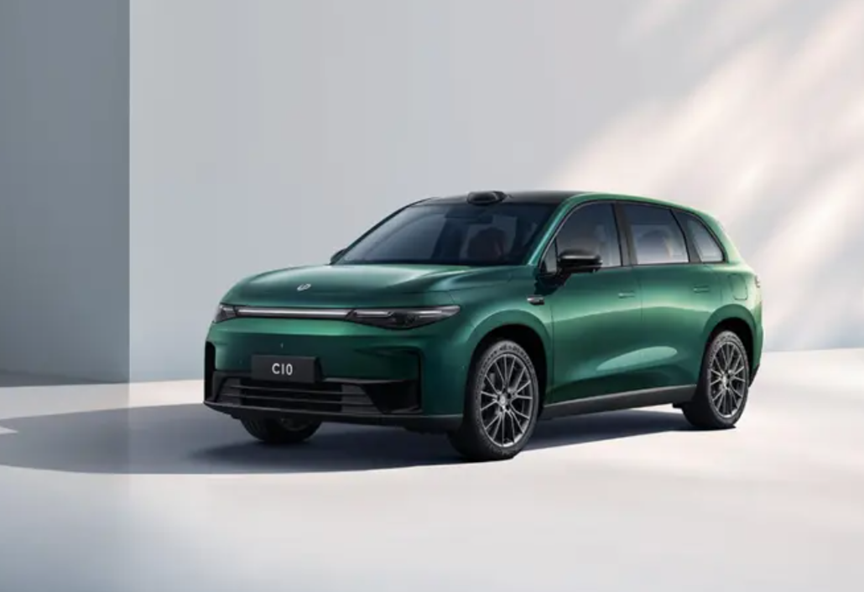
The company had already tested the waters with the D19. Although not quite a true $44,300-plus vehicle, its price range of about $32,400 to $39,800 and its positioning as a “technology luxury flagship SUV” brought it close to the premium threshold.

Li Tengfei said on 15 May that the second brand’s first products could appear as early as the end of this year or next year, with a market launch expected around the middle or second half of next year. The statement suggested that Leapmotor’s ambitions had been underestimated.
There is also a financial reason for the move. In 2025, Leapmotor made only about $134 in net profit per vehicle. If it wants to reach its 2026 targets of one million vehicle sales and about $737.5 million in net profit, it must improve pricing power while maintaining scale.
Leapmotor has already earned a strong position in the $14,800 to $29,500 market, where high value-for-money has been its defining advantage. But that label can become a constraint. Creating a separate premium brand allows the company to pursue higher-end buyers without weakening the main brand’s mass-market identity.
The D19’s early performance supported this logic. The model reportedly received 15,000 orders in 15 days, showing that some buyers now see Leapmotor as more than a low-cost alternative. Even so, selling a car above roughly $44,300 under the existing Leapmotor badge would be more difficult, given the brand’s deeply rooted value image.
That is why an independent premium marque may be the more practical route. Toyota used Lexus to move upmarket; BYD has used Denza to pursue higher-end buyers. Leapmotor appears to be following a similar playbook.
The timing may also be favourable. Li Auto once held a strong position in the premium extended-range segment above about $44,300, but its recent pricing has moved downward. Its i6 has reportedly exceeded 24,000 monthly sales, but with a price starting at about $35,400, the premium extended-range segment has become more open to challengers. Leapmotor, which previously benefited from being seen as a lower-cost alternative to Li Auto, may now see a supply gap it can exploit.
Why Leapmotor Believes It Has the Right Foundations
Scepticism remains. The premium EV market in China is expensive to enter, difficult to defend and crowded with ambitious rivals. But Leapmotor’s decision is not without logic. The company now has several assets that give it a better chance than many earlier challengers.
The first is technology. Leapmotor has persisted with in-house development of key components, including electric drives, batteries and domain controllers. Its LEAP 3.5 architecture, 800-volt high-voltage platform and Clover central domain-control system have already reached production. That level of vertical integration gives the company more control over product definition and cost.
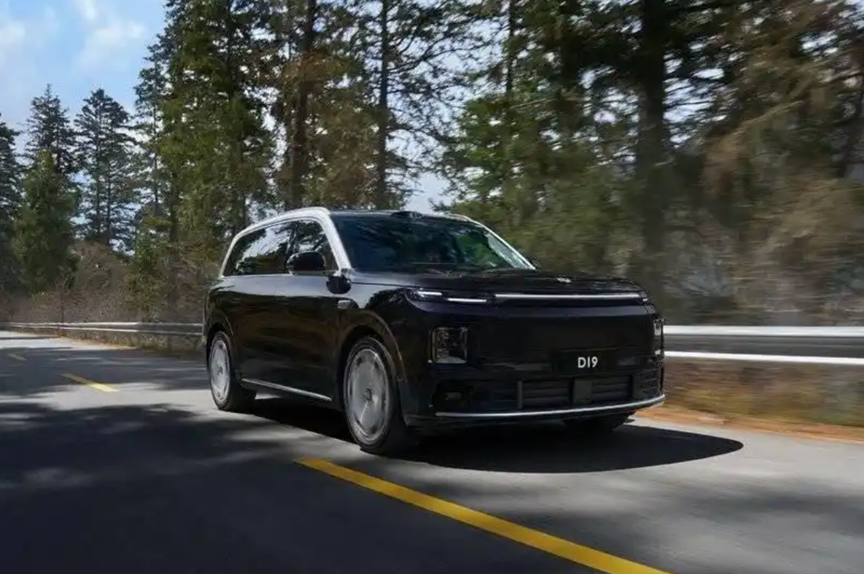
The D19 again provides a useful example. Features such as dual-chamber air suspension, CDC dampers, Qualcomm dual 8797 chips and a driver-assistance system rated at 1,280 TOPS are more commonly associated with vehicles priced above about $59,000. Offering such technology in the $30,000-plus range shows the strength of Leapmotor’s cost-control model.
Leapmotor’s global expansion also gives it an additional form of brand support. In the first quarter, overseas deliveries reached 40,900 vehicles, up 442% year on year and accounting for 37.1% of total sales. The company now operates in more than 40 countries and regions, with nearly 1,000 sales and service outlets.
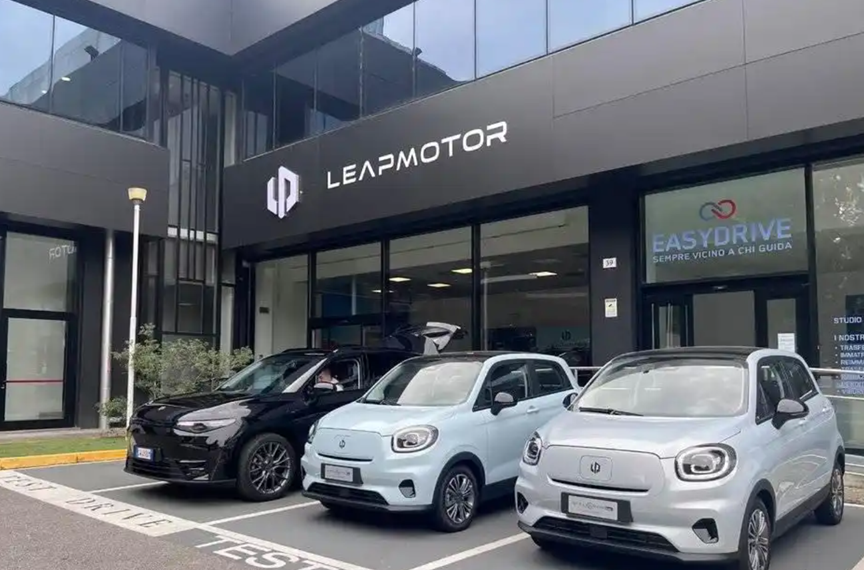
Its partnership with Stellantis also matters. For a brand trying to persuade buyers in the premium segment, international recognition and overseas sales can help build credibility. A new premium brand could potentially launch in both China and overseas markets, giving it more room to grow and more scope to build brand value.
Funding is another key factor. Premium brands require long-term investment in research, retail networks and customer service. Leapmotor’s research and development spending in the first quarter reached about $153.4 million, up 30% year on year. The company’s improving financial position gives it more room to support a new brand in its early stages.
A Crowded Premium Market Still Leaves Room for Opportunity
The market will not be easy. Competition is intense, and weaker economic conditions have made consumers more selective. Yet the premiumisation of Chinese EV makers has already produced several examples of success. BYD and others have shown that a mass-market brand can move upward if the strategy and execution are strong enough.
Consumer attitudes are also changing. Chinese buyers are increasingly willing to pay for domestic premium products when the technology, design and experience are convincing. Leapmotor’s image of making advanced technology more accessible could be useful if its new brand can create a distinct identity, marketing system and user experience.
The premium segment still contains unmet demand. Buyers above roughly $44,300 want more than low prices: they expect stronger technology, better service and a more convincing brand story. Leapmotor’s self-developed technology and cost discipline could help it build products with a clearer technical edge rather than simply following the market.
The move could also strengthen Leapmotor’s wider organisation. It has experience managing multiple product lines, but it has less experience operating a premium brand. Building a separate research team, sales network and service system could lift the company’s overall capability.
In the mass market, carmakers compete on price, equipment and scale. In the premium market, they compete on brand value, user experience and cultural identity. Leapmotor appears to understand that the rules are different.
Conclusion
Leapmotor’s second-brand strategy reflects a wider shift in China’s EV industry, from scale expansion to higher-quality growth. As the sector enters a tougher stage of consolidation, technology and brand power are becoming more important sources of competitiveness.
For Leapmotor, moving upmarket is no longer merely an option. It is a route toward stronger margins, a broader brand structure and longer-term resilience. The path will be difficult, but the company now has enough scale, technology and global experience to make the attempt worth watching.