

A Timely Revival Amid Rising Costs and Lingering Anxiety
On the eve of the Beijing Auto Show, several Chinese automakers unveiled new hybrid electric vehicle (HEV) technologies and roadmaps, thrusting a long-marginalised powertrain back into the spotlight.
With fuel prices climbing and concerns over pure electric vehicle (EV) range yet to be fully resolved, the resurgence of HEVs appears less surprising than inevitable. But is this merely a technological cycle repeating itself, or a necessary evolution shaped by the industry’s current realities?
As domestic fuel prices undergo their seventh adjustment of the year, the cost of 92-octane petrol has risen by more than 2.3 yuan per litre in just six months. For many drivers, running a conventional petrol car is becoming increasingly burdensome. This surge in costs is reshaping consumer demand. While new energy vehicles have gained opportunities in this environment, tensions between high market penetration and unresolved issues such as range limitations and charging infrastructure are intensifying.
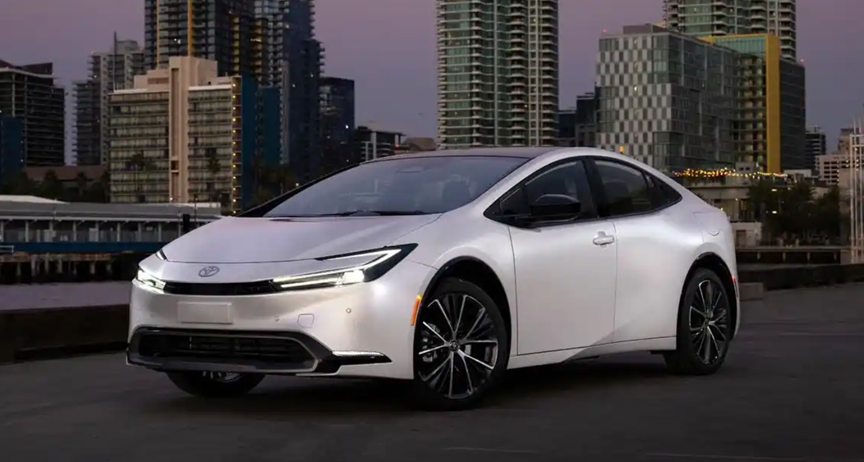
Both consumers and manufacturers now find themselves at a crossroads. Carmakers, already under pressure, can ill afford delays in adapting. The need for a practical and efficient solution has become urgent—regardless of where that solution once stood in the technological hierarchy.
The Reinvention of HEV: From Fuel Saver to All-Round Performer
HEVs offer a compelling proposition: no need for charging, fuel consumption as low as 2–3 litres per 100 kilometres, and potential annual savings of nearly 10,000 yuan for drivers covering 20,000 kilometres. Their adaptability across diverse conditions—smaller cities, colder northern climates, and remote regions—makes them particularly appealing. In essence, they deliver low cost, flexibility, and freedom from range anxiety, aligning closely with current market demands.
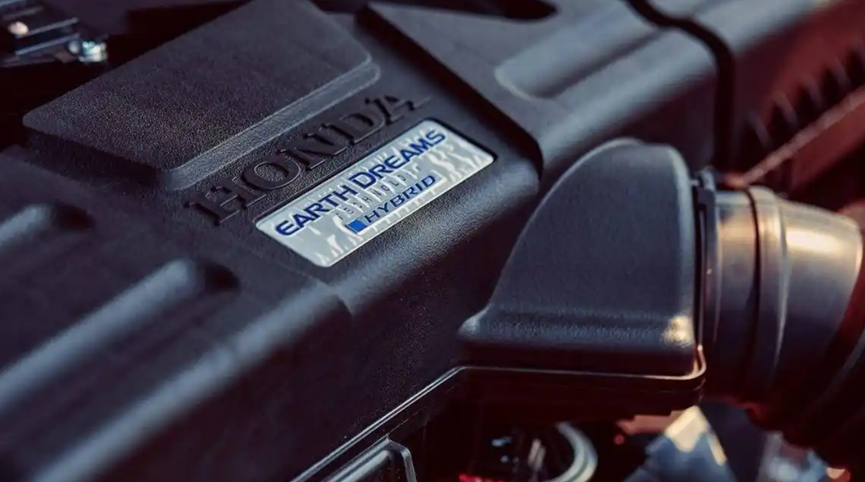
Recent data underscores this shift. In March alone, domestic wholesale volumes of conventional hybrid passenger vehicles reached 102,000 units, marking a 17% year-on-year increase and a striking 95% rise compared to the previous month. This growth far outpaces that of the broader passenger car market, as well as plug-in hybrids and pure EVs. Meanwhile, major Chinese automakers—including Changan, Geely, GAC, Chery, and Great Wall—are signalling renewed confidence in HEV technology, suggesting a strategic pivot is underway.
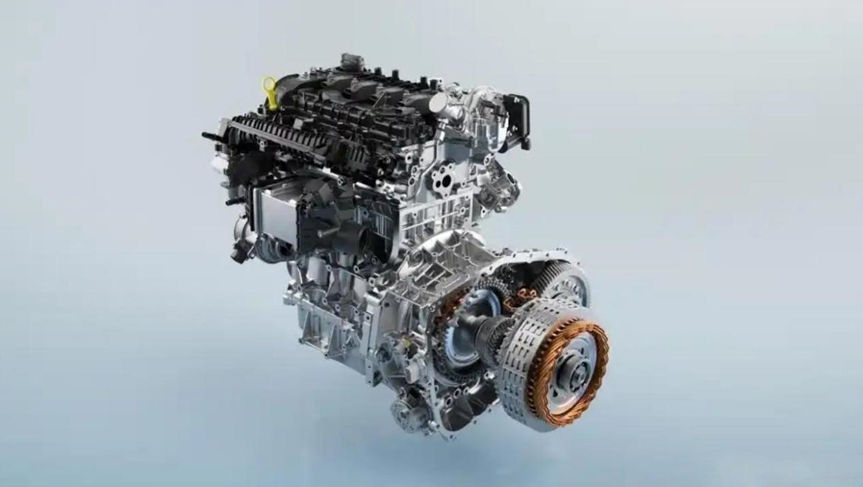
Yet questions remain. For decades, HEV technology was dominated by Japanese manufacturers and often overlooked by Chinese brands. Why, then, is it now moving from the margins to the mainstream?
Diverging Paths: Chinese Innovation Redefines HEV Logic
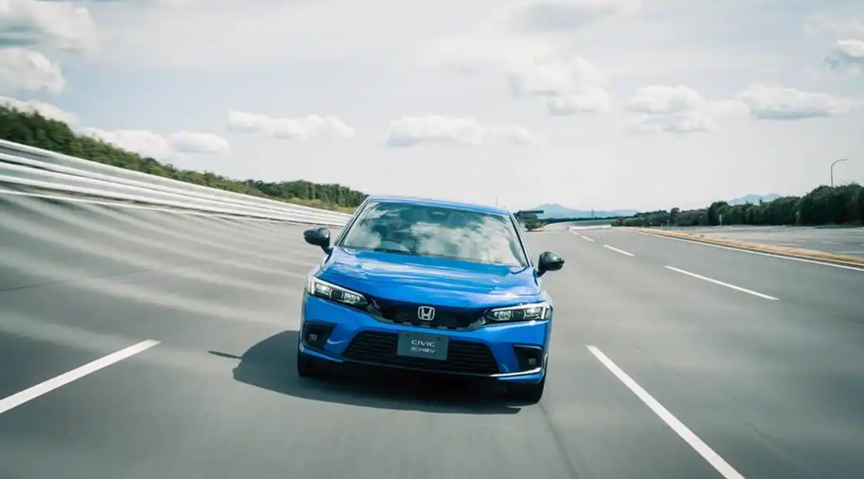
Traditional Japanese HEVs have long followed a “fuel-led, electric-assisted” philosophy, with the internal combustion engine at the core and the electric motor playing a supporting role. While effective, this approach has limitations: relatively low power output, limited pure electric driving capability, and complex mechanical structures with modest levels of intelligence. In essence, these systems represent optimised petrol vehicles rather than transformative innovations.
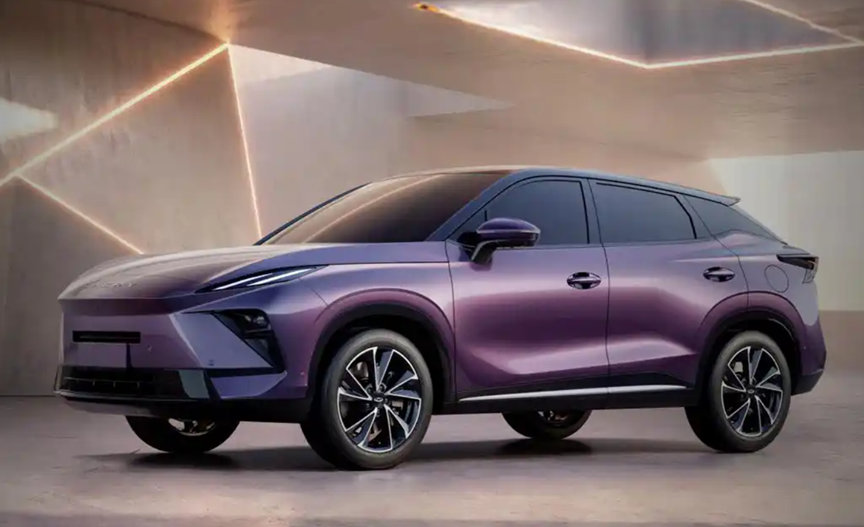
By contrast, Chinese automakers are reimagining HEV technology. Leveraging advancements in electrification and intelligent systems, they are integrating elements from battery electric and plug-in hybrid technologies. The result is a shift from a fuel-saving tool to a versatile mobility solution.
Changan’s Blue Whale hybrid system, for instance, emphasises both efficiency and performance, with engine thermal efficiency approaching 45% and significantly enhanced electric drive capabilities. Geely’s i-HEV system introduces AI-driven energy management, dynamically optimising fuel and electricity use. GAC’s hybrid solution focuses on extended electric functionality and user convenience, while Chery pushes performance boundaries with rapid acceleration and high-efficiency transmission systems. Great Wall, meanwhile, prioritises smoothness and affordability, offering a simplified structure that reduces costs.
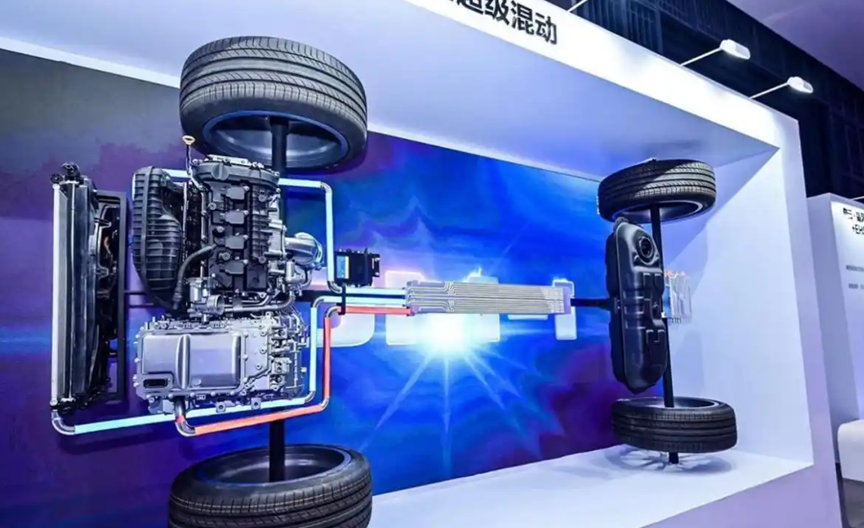
Despite differing strategies, these systems share a common principle: prioritising electric drive while achieving seamless coordination between fuel and electricity. The result is a new generation of HEVs that deliver improvements in efficiency, performance, and intelligence—far removed from their predecessors.
Beyond Market Pressure: Structural Forces Driving the Comeback
The revival of HEVs cannot be attributed solely to short-term pressures. Regulatory, economic, and consumer factors are converging to make hybrids an increasingly attractive option.
On the regulatory front, stricter fuel consumption standards are looming. Upcoming requirements will demand average consumption below 3.3 litres per 100 kilometres, while future emissions standards are expected to tighten further. Conventional petrol vehicles are nearing their technological limits, making HEVs a viable and compliant alternative.
Policy changes are also reshaping the landscape. Subsidies for new energy vehicles are gradually being reduced, while stricter requirements for plug-in hybrids increase production costs. HEVs, by contrast, can leverage existing technologies to deliver cost-effective solutions without reliance on charging infrastructure.
From a consumer perspective, the absence of private charging facilities remains a significant barrier to EV adoption. HEVs offer a pragmatic compromise—combining fuel efficiency, intelligent features, and freedom from charging concerns. For many households, this balance is precisely what is needed.
Global expansion further reinforces this trend. In emerging markets such as Southeast Asia and the Middle East, charging infrastructure remains underdeveloped. HEVs, with their low fuel consumption and convenience, provide a practical pathway for Chinese automakers seeking international growth.
A New Era for Hybrid Technology?
The rise of Chinese-developed HEVs raises the prospect of a broader shift in the industry. With advances in both technology and supply chains, China is well positioned to challenge the long-standing dominance of Japanese manufacturers in the hybrid space.
Technologically, Chinese systems—often based on advanced series-parallel architectures—offer competitive advantages over established platforms. In addition, China’s leadership in vehicle intelligence provides further differentiation. On the supply chain side, domestic production of key components, supported by major players in batteries and electronics, enables greater flexibility and cost control.
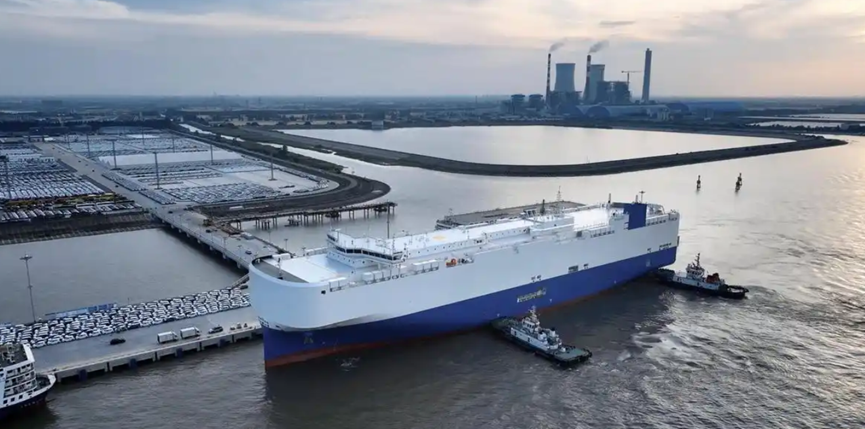
Looking ahead, the industry is likely to evolve into a three-way balance: pure EVs dominating high-end and fully electrified segments, plug-in hybrids serving users with access to charging, and HEVs catering to those without such infrastructure as well as overseas markets. Each technology will occupy its own niche, coexisting rather than competing directly.
Challenges remain. Building consumer trust, ensuring long-term reliability, and strengthening global brand recognition will require sustained effort. Yet given the current trajectory of China’s automotive industry, these obstacles appear manageable.
Conclusion
The resurgence of HEVs is not a simple return to the past, but a reinvention of existing technology. Three decades after the hybrid era was pioneered, Chinese automakers are leveraging their strengths in supply chains and intelligent systems to reshape the landscape. This is not merely a technological shift, but a sign of industrial maturity. As multiple technological pathways continue to evolve, the future remains open—and worth watching closely.