
_large.jpg)
With the release of 2025 sales figures, there were few surprises: BYD once again emerged as the clear leader among China’s domestic carmakers. Yet more striking than its total annual sales of 4.6024 million vehicles was another milestone—2.26 million of them were fully electric. That achievement propelled BYD to the top of the global pure-EV rankings, displacing Tesla from a position it had long dominated. This first-ever overtake carries significance beyond a simple change in numbers, signalling the arrival of a new “China force” at the very apex of the global electric vehicle market.
China’s major carmakers have released their 2025 sales figures. Unsurprisingly, BYD once again led the country’s domestic brands.
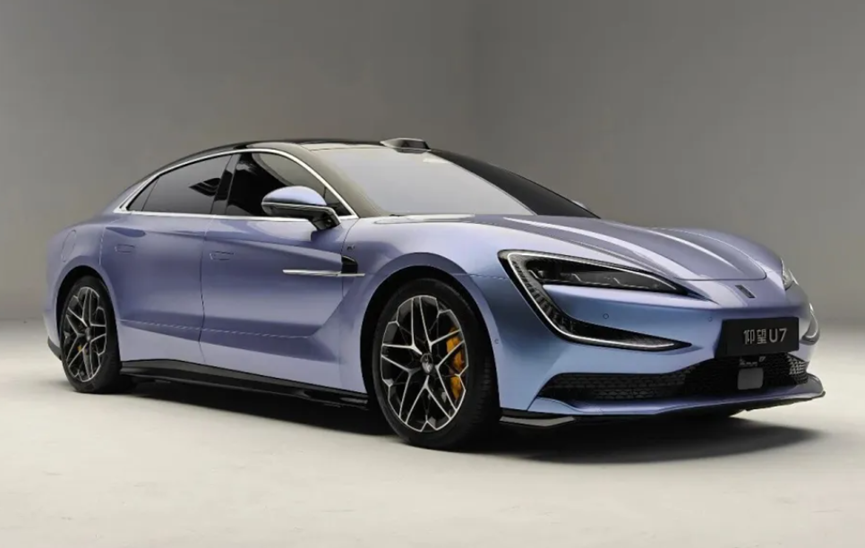
Yet beyond its total annual sales of 4.6024 million vehicles, it was another number that drew greater attention: 2.26 million pure electric vehicles sold. That figure means BYD has become the world’s top seller of battery electric vehicles — a position long associated with Tesla.
The significance of “surpassing Tesla for the first time” extends beyond rankings. For many in China’s auto industry, it represents a moment of symbolic weight — a sign of growing Chinese influence in the global electric era.
But the sales milestone was only the beginning.
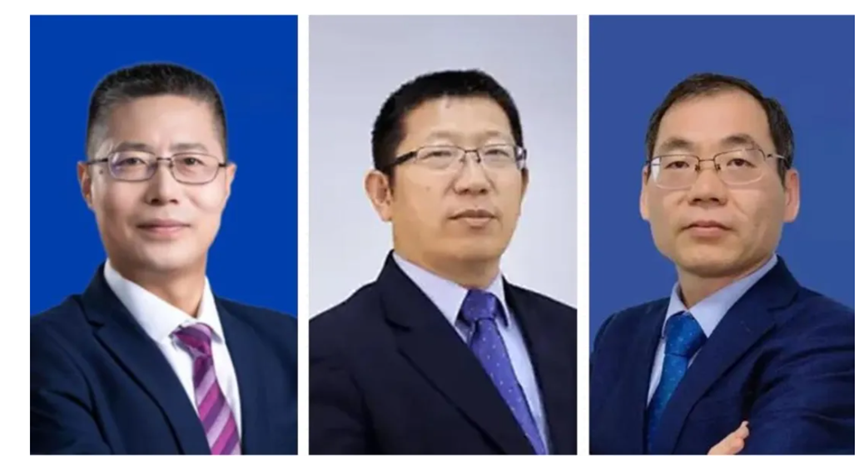
At the start of 2026, BYD unveiled a newly established battery company in Yichang, Hubei province, and simultaneously announced the appointment of three senior executives to lead it. The move signals ambitions that stretch far beyond a single year’s sales triumph.
Three Executives, Three Mandates
In the age of electric mobility, batteries form the industry’s strategic core. For BYD — a company that began as a battery maker — this logic is well understood.
The three newly appointed executives are Cao Wenyu, He Long and Zhao Jianping. Mr Cao will serve as chairman and legal representative, while Mr He and Mr Zhao take on directorial roles.
Mr Cao has spent years within BYD’s system and has overseen multiple subsidiaries. Having witnessed the company’s battery operations evolve from technical breakthroughs to mass production, he brings deep expertise in raw material management and cost control — crucial factors in an era when battery costs account for a significant share of vehicle production.
Mr He, an executive vice-president of the group, heads FinDreams Battery and has extensive experience in quality control and operational management. His role is expected to support BYD’s broader ambition: transforming its battery arm from an internally focused supplier into a global player serving other manufacturers.
Meanwhile, Mr Zhao, group vice-president and chief sustainability officer, reflects another strategic priority — green development. As scrutiny grows over the environmental footprint of electric vehicles, lifecycle sustainability — from production to recycling — is becoming increasingly important. If the Yichang facility can position itself as a model “green factory”, it could enhance BYD’s competitiveness in markets where environmental credentials matter.
Reshaping the Competitive Landscape
BYD’s announcement that it had sold 2.26 million pure electric vehicles in 2025 — overtaking Tesla globally — was widely seen as evidence of China’s growing strength in the electric transition.
But one year’s success does not secure long-term dominance.
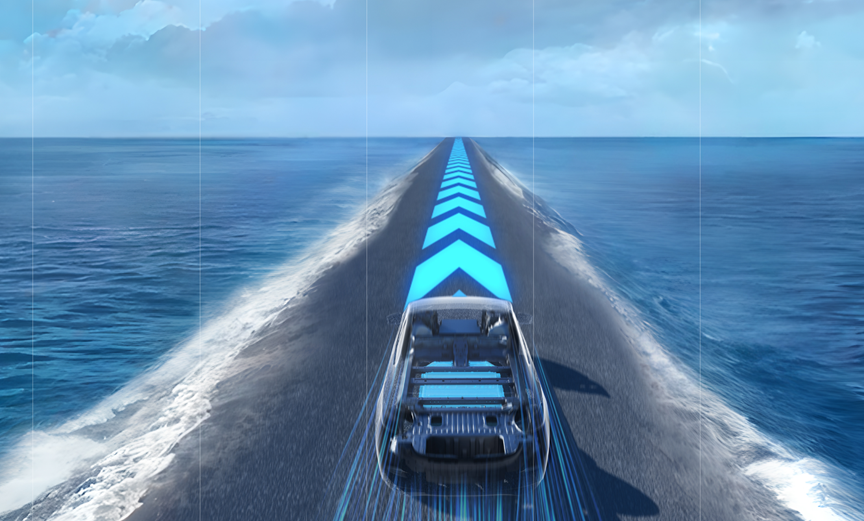
BYD’s strategy suggests an awareness that sustained leadership requires control over the full industrial chain. The Yichang battery base complements existing facilities in cities such as Yantai and Chongqing, strengthening domestic production capacity and reducing logistics costs.
By deepening integration across raw materials, cell manufacturing and supply chain coordination, BYD aims to reinforce resilience — particularly at a time when global supply chains remain vulnerable to disruption.
Industry observers note that after years of intense price competition, China’s auto sector may be entering a phase where technological capability — rather than aggressive discounting — defines the next stage of rivalry. In that context, battery innovation could prove decisive.
From Sales Leader to Industry Architect?
BYD’s ambitions appear to extend beyond headline sales.
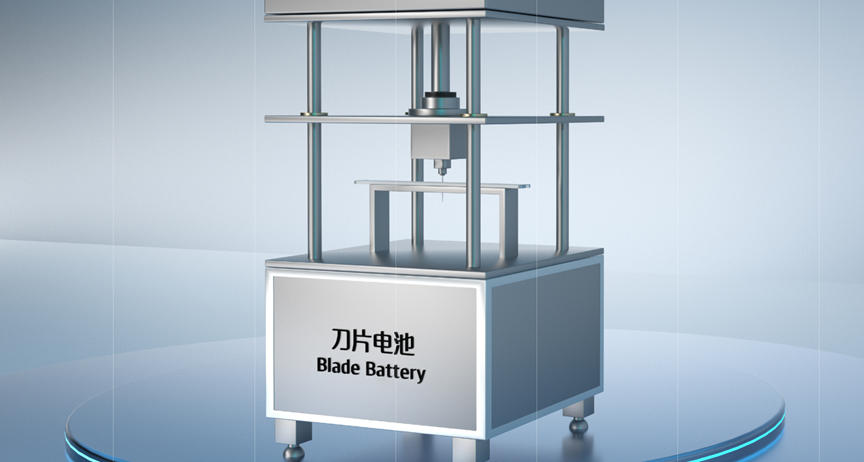
In recent years, it has gained recognition for technologies such as its Blade Battery and DM-i hybrid system. The company says its 120,000 engineers are working on the next generation of electric and intelligent technologies, with plans to unveil further breakthroughs within the next two to three years.
Founder Wang Chuanfu has previously remarked that “products have cycles, and technology development has cycles — our strength lies in technological advantage.” The implication is clear: long-term competitiveness will depend on sustained innovation.
At the same time, BYD faces challenges. Domestic growth is slowing and competition remains fierce. Overseas expansion has therefore become central to its strategy.
In 2025, BYD reported overseas passenger car and pickup sales exceeding 1.05 million units — a year-on-year rise of 145%. The company has established manufacturing operations in countries including Brazil, Thailand and Hungary, while also building research centres in Europe. By localising production, it seeks to navigate trade barriers, including European Union tariffs on Chinese electric vehicles.
In short, BYD’s global push has moved from exporting products to exporting an industrial ecosystem.
A New Starting Point
For BYD, topping the sales charts may represent not a culmination, but a beginning.
The establishment of the Yichang battery base — and the high-profile appointment of three senior executives — underscores a broader strategy: consolidating supply chain control, enhancing technological depth and strengthening global competitiveness.
Whether BYD can evolve from a volume leader into a defining force of the global electric industry remains to be seen.
But as 2026 begins, the company has made one thing clear — it intends to shape the next chapter, not merely participate in it.