
_large.png)
“Judging by recent market trends, despite major policy shifts such as the withdrawal of tax exemptions for new energy vehicle purchases, I believe the car market will still get off to a strong start in January 2026.” “The outlook for the automotive market in 2026 is far from optimistic. For a period of time, it is even possible that growth in car sales will lag behind overall GDP growth.”
As the year begins, a wave of first-quarter product launches reflects precisely that shift. With competition moving from price wars to a contest of substance, the early-year scramble for market share appears inevitable. The more intriguing question is this: which model will emerge as the year’s first breakout hit?
Domestic Brands: Differentiation Takes Centre Stage
In the first quarter of 2026, Chinese domestic brands appear more focused than before. Rather than chasing homogeneous competition, many are pivoting towards differentiated positioning — targeting diverse usage scenarios and building competitive moats through distinctive features.
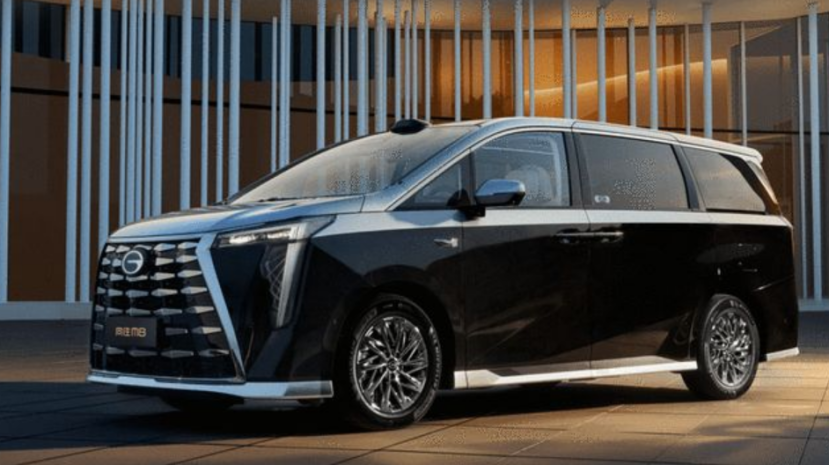
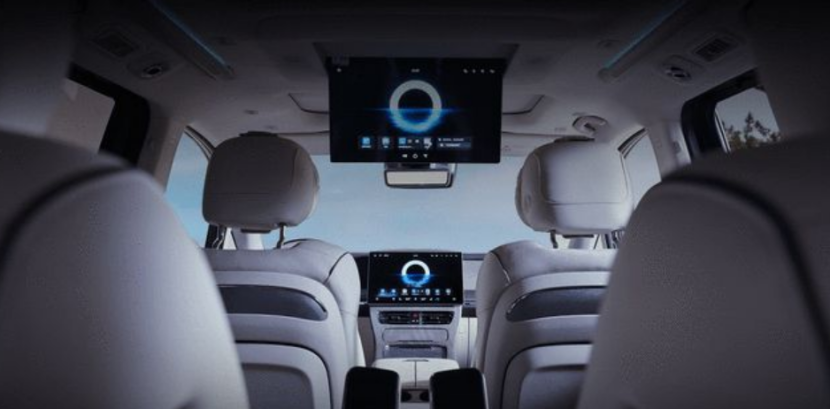
The 2026 GAC Trumpchi M8 “Xiangwang” edition was launched on 5 January, starting from RMB 309,900. Positioned for both business and family use, it leans heavily on technology. It features Huawei’s latest HarmonySpace 5 cockpit system, supports seven-screen interaction and advanced voice controls, and includes five-star “SPA” zero-gravity seats. Powered by a 2.0T plug-in hybrid system and equipped with Huawei’s Qiankun ADS 4 advanced driver-assistance system, it underscores Trumpchi’s ambitions in the premium MPV segment.
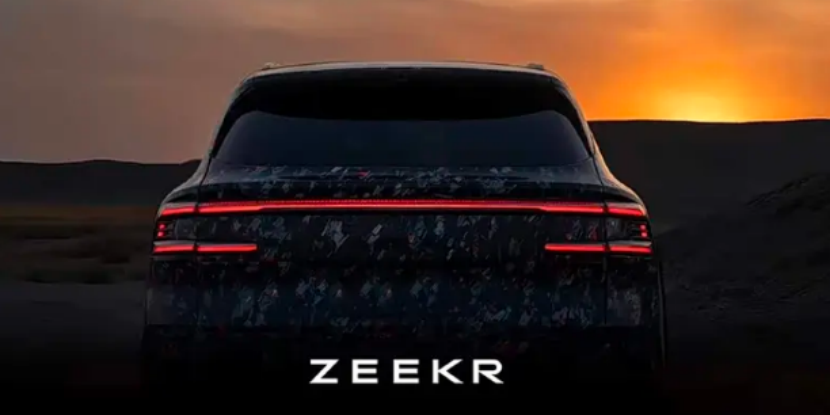
Another closely watched launch is Zeekr’s new SUV, internally codenamed “Orca”, widely expected to be named the Zeekr 9S. Positioned as a high-performance flagship SUV, it is expected to debut in January with a price tag around RMB 450,000. Built on the Haohan-S hybrid architecture, it may combine a 2.0T engine with three electric motors, delivering over 1,000 kW of output and 0–100 km/h acceleration in around 3.1 seconds.
Geely Galaxy’s V900 has also opened global pre-sales, priced between RMB 319,800 and RMB 389,800. As a large MPV available in six-, seven- and eight-seat configurations, it features Nvidia Orin chips for assisted driving and Flyme Auto 2 smart cockpit software — another sign that the domestic MPV segment is heating up.
BYD, meanwhile, has announced three plug-in hybrid updates in the first week of 2026, including long-range versions of the Qin PLUS DM-i, Qin L DM-i and Song Pro DM-i. With pure-electric ranges extended to as much as 210km, these upgrades could further widen the gap with competitors in their segments.
New Energy Start-ups: Technology as the Trump Card
For China’s EV start-ups, the first quarter remains a showcase of technological prowess.
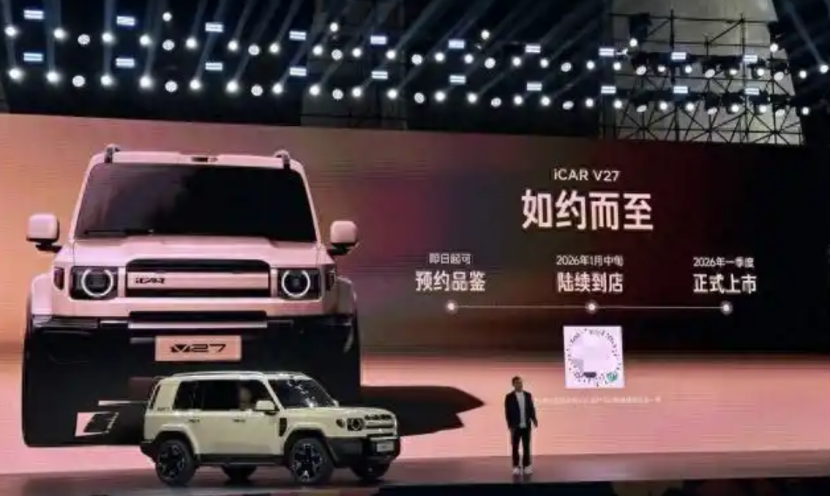
iCAR’s V27, due for launch in Q1, positions itself as a mid-to-large SUV with a 1.5T range-extender system and over 1,200km combined range. Equipped with Qualcomm’s Snapdragon 8295P chip and a high-specification audio system, it seeks to elevate the brand’s profile.
Xpeng is launching the updated P7+ and G7 models in China and Europe in early January. Both feature the company’s second-generation VLA architecture and Turing AI chips, delivering 2,250 TOPS of computing power. The G7 range-extender version promises up to 1,704km of combined range, while rapid charging can add over 300km in just 12 minutes — addressing persistent consumer concerns about range anxiety.
Xiaomi Auto has also opened reservations for the next-generation SU7, priced between RMB 229,900 and RMB 309,900. The model now comes standard with LiDAR and 4D millimetre-wave radar, alongside improved battery range. Following recent reputational challenges, the upgraded SU7 may prove pivotal in restoring market confidence.
Joint-Venture Brands: Mounting a Counter-Attack
After years of pressure from electrification, joint-venture brands are preparing a response — stabilising their internal combustion base while accelerating into new-energy territory.
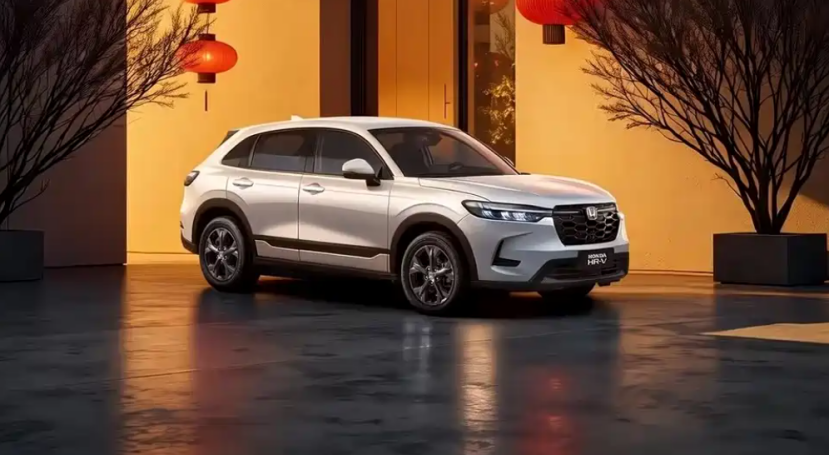
Honda’s 2026 HR-V will launch on 8 January, retaining its sporty design while promising improved connectivity through the Honda CONNECT 3.0 system. The new Fit is also scheduled for release, featuring updated styling and enhanced digital integration.
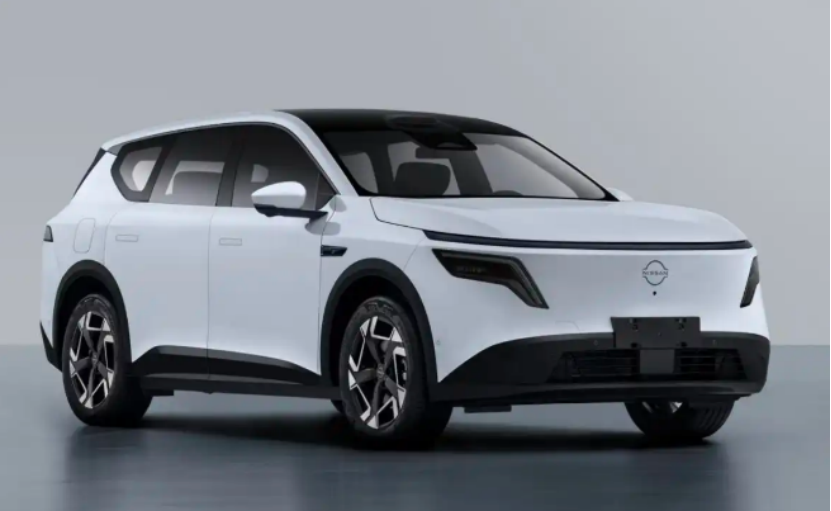
Dongfeng Nissan’s NX8, built on the new Tianyan architecture, will offer both battery-electric and range-extender versions, equipped with LiDAR and advanced NOA navigation assistance.
Among premium brands, Audi is introducing the all-new Q5L and A6L, both built on the new PPC platform and expected to incorporate Huawei’s Qiankun driver-assistance system. These launches reflect how even traditional luxury manufacturers are leaning heavily into intelligent features to remain competitive.
Conclusion
The first quarter of 2026 lays bare a shared understanding across China’s automotive landscape: survival demands transformation.
Whether domestic champions, ambitious start-ups or established joint-venture players, all appear better prepared for a more unforgiving market. The early months of the year could prove decisive — shaping not only quarterly results but the broader trajectory of 2026.
So, among this crowded field of new launches, which will become the year’s first true blockbuster?