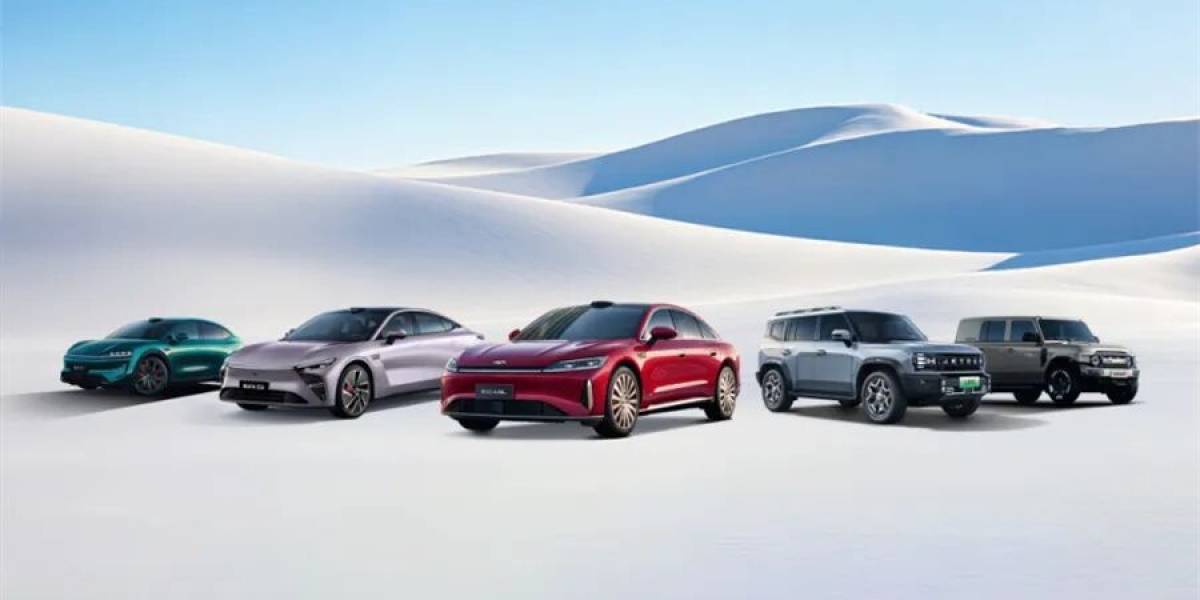
Chery, long regarded as a quietly dogged “engineering-first” carmaker guided by long-term thinking, mounted a striking offensive in 2025 across global markets and both emerging and traditional segments—revealing an unexpected burst of speed and aggression.
From Late Entrant to Front-Runner: How Chery Closed the Gap — and Surged Ahead
The burst of momentum has been especially visible in the contest among China’s homegrown new-energy brands. While much attention has focused on start-ups such as Nio, XPeng and Li Auto, a quieter but more enduring race has been unfolding elsewhere — among electric brands incubated within traditional automotive giants.
Geely Galaxy, Changan Deepal and Chery Fulwin — the “new forces” backed by China’s three major independent carmakers — are reshaping the country’s electric vehicle landscape in markedly different ways. Of the trio, Chery Fulwin arrived last. Yet it has staged perhaps the most striking comeback.
The Big Three — and an Unexpected Breakout
In the broader narrative of China’s auto industry, Geely, Changan and Chery stand as three pillars. They represent the core strength of China’s independent manufacturers, carrying the expectations of a smooth transition from the petrol era to the age of intelligent electrification — and, increasingly, leadership within it.
Their new-energy brands — Geely Galaxy, Changan Deepal and Chery Fulwin — were born with a dual mission: to inherit the scale and technical depth of their parent groups while breaking free of legacy constraints to compete afresh in the EV market.
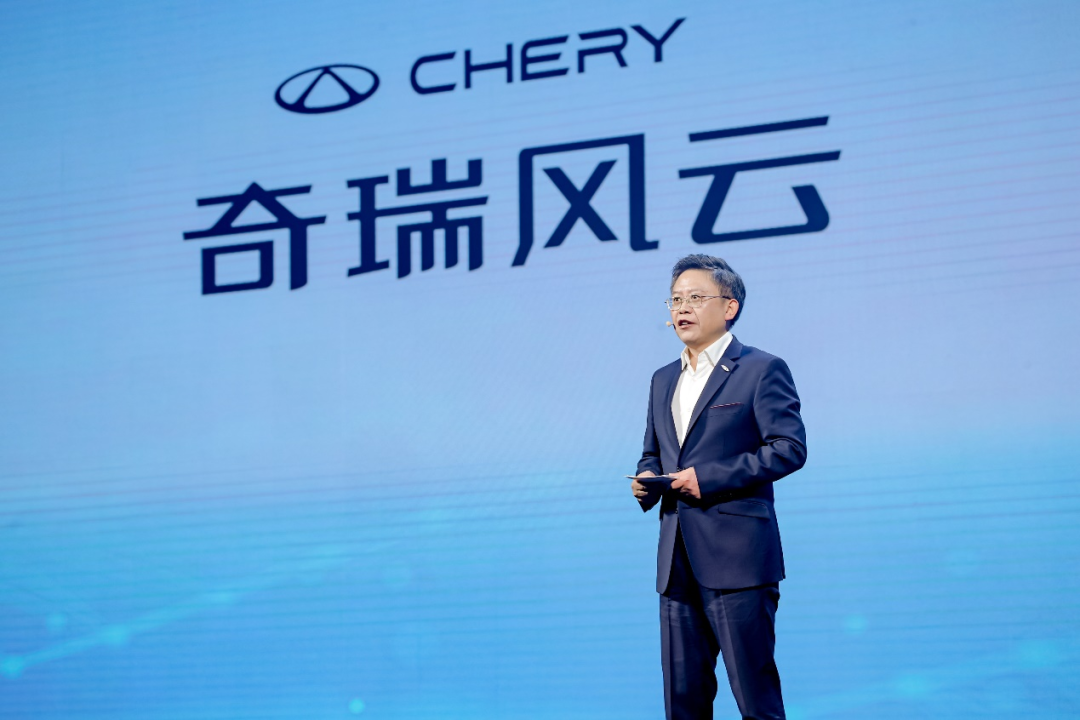
Changan Deepal was first to market, securing early recognition. Geely Galaxy leveraged its industrial scale to build momentum quickly. Chery Fulwin, by contrast, re-emerged only in November 2023 and was formally upgraded into an independent brand in July 2025 — unmistakably the late entrant.
Yet it is Fulwin that has delivered the strongest burst of growth.
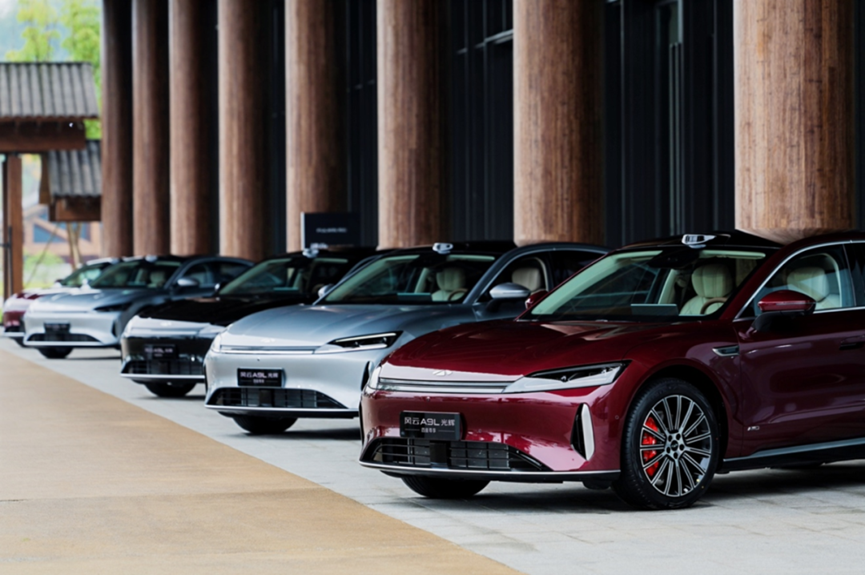
Within a year, it launched multiple new models, rapidly constructing a full product matrix spanning A- to C-segment vehicles and covering plug-in hybrid, battery-electric and range-extended technologies. Two flagship models proved decisive.
The Fulwin A9L, a mid-to-large plug-in hybrid sedan, became an immediate hit. Deliveries quickly surpassed 55,000 units, with four consecutive months exceeding 10,000 sales — a notable achievement in a segment long dominated by a handful of established players.
Meanwhile, the Fulwin T11, a premium range-extended SUV, attracted nearly 38,200 pre-orders within 24 hours. In its first month, it entered the top three of China’s high-end range-extended SUV market, ranking just behind leading Huawei-backed brands.
By 2025, the competitive landscape among the “new forces” of the traditional big three had begun to settle — and Chery Fulwin emerged as the year’s unexpected dark horse. Its ability to produce breakout models has lent credibility to its ambition of redefining what Chinese luxury value means.
Engineering Depth as Competitive Edge
Fulwin’s rapid market acceptance rests on something deeper: Chery Group’s long-standing technical foundations.
Rather than focusing on one or two headline-grabbing technologies, Chery has pursued a systems-driven, full-stack development strategy.
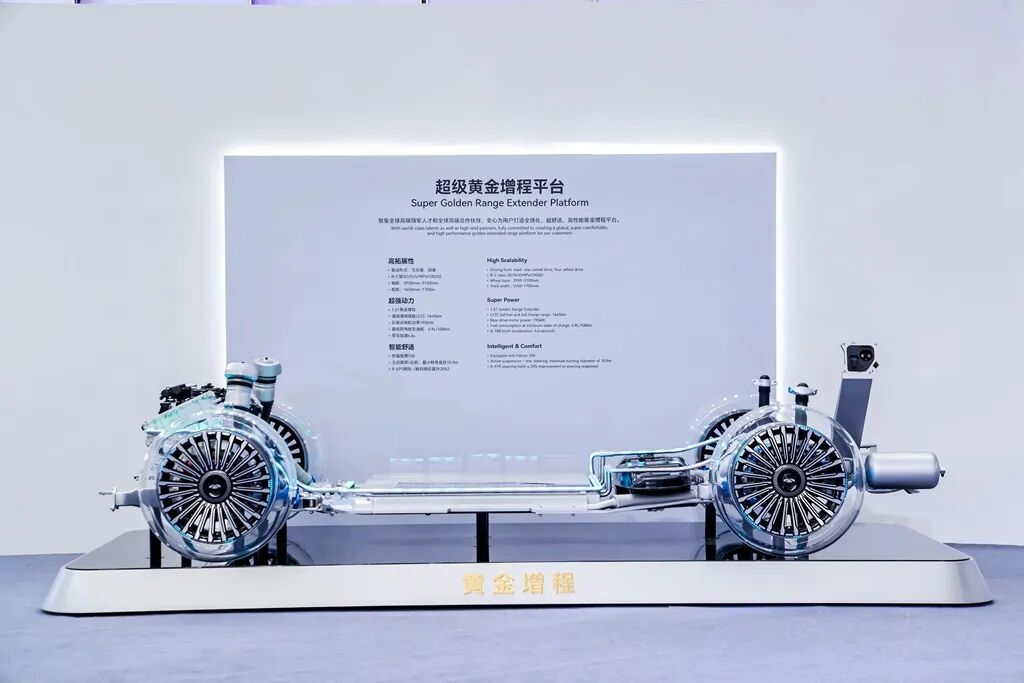
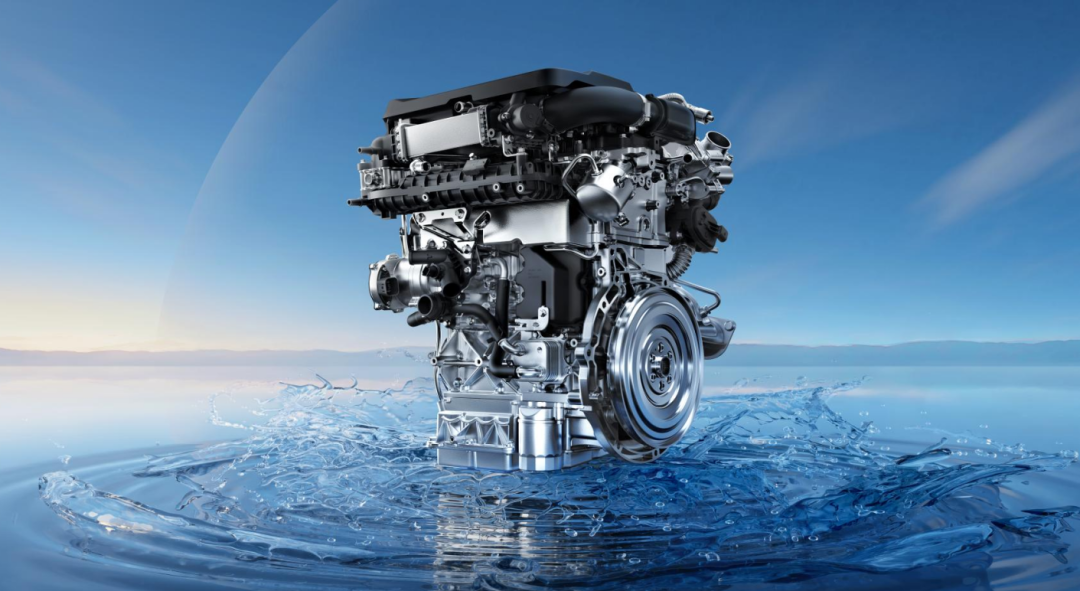
In powertrain development, the company has adopted a multi-path approach. Its Kunpeng hybrid-dedicated engine has achieved a claimed thermal efficiency of 48% — among the highest globally in mass production. Meanwhile, the Kunpeng CDM 6.0 hybrid system was selected as the sole hybrid technology featured in China’s “14th Five-Year Plan” manufacturing achievements exhibition, jointly hosted by the National Museum of China and the Ministry of Industry and Information Technology.
On the range-extended front, Chery’s Kunpeng “Golden Range Extender” became the first in the industry to receive high-quality certification from China’s automotive testing authority — laying technical groundwork for models such as the Fulwin T11.
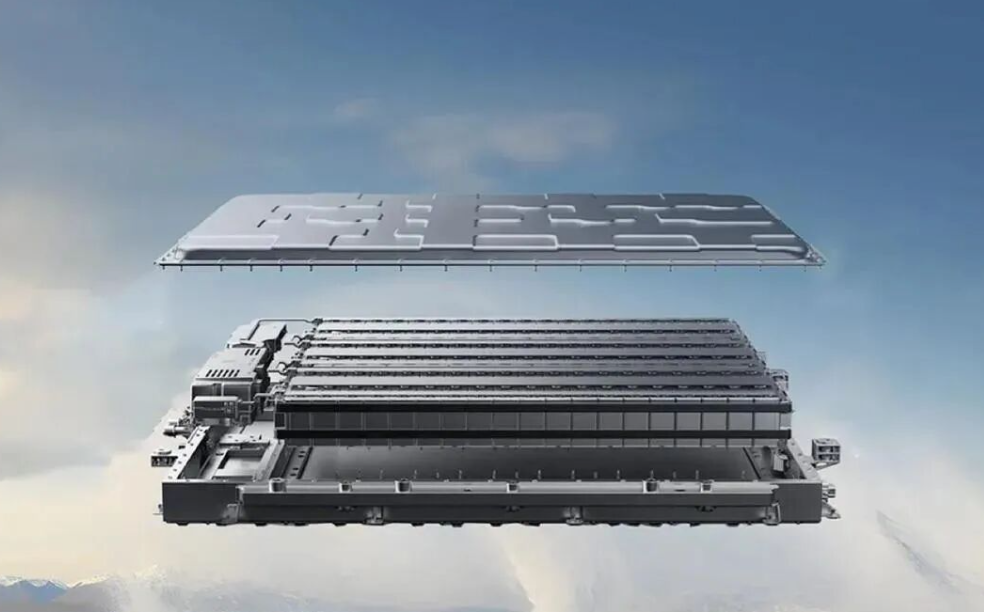
Looking further ahead, Chery’s battery strategy spans high-power to high-energy-density applications. Company data suggest performance benchmarks targeting the industry’s top tier in discharge rates, power density and cycle life.
Perhaps most notably, Chery has invested heavily in solid-state battery development, building an integrated industrial chain from materials research to cell production and systems integration. The company says vehicle-level validation is planned for 2027 — an indication of long-term strategic intent.
Intelligent technology has received similar emphasis. The Lingxi smart cockpit system centres on an AI-powered assistant known as “Xiao Qi”, evolving from a voice interface into what the company describes as a learning digital companion.
In advanced driver assistance, Chery’s Falcon system entered what industry observers consider the “first tier” of China’s competitive field in 2025. The group has also laid early groundwork for L4 autonomous RoboCar development, using production-car architectures and shared algorithms — signalling ambition beyond incremental progress.
Global Reach as Strategic Advantage
If the domestic EV race represents the first half of competition, globalisation may define the second.
Here, Chery holds a distinct advantage built over decades. In 2025, the company exported 1.344 million vehicles, up 17.4% year on year — roughly one car every 23 seconds leaving China for overseas markets. It has now led Chinese passenger car exports for 23 consecutive years.
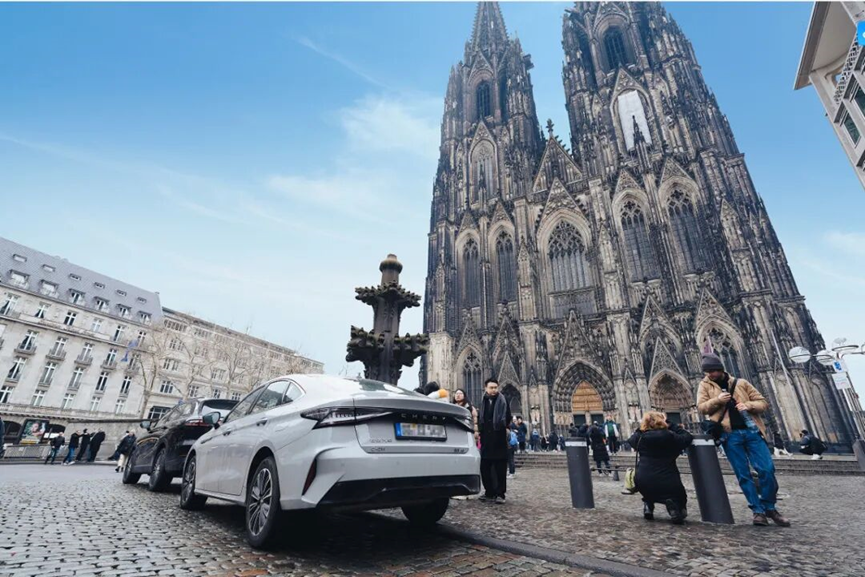
Europe remains a critical proving ground. In 2025, Chery sold more than 237,000 vehicles in Europe (including the UK), a year-on-year increase of 240%. Its CHERY and OMODA & JAECOO brands now operate in 15 European countries, with plans to expand across the entire EU by 2026.
New-energy exports have grown even faster. Overseas sales of Chery’s NEVs surged 482% in 2025 — the fastest growth rate among China’s top five exporting brands.
In effect, Chery has not only exported combustion-engine vehicles but is rapidly extending its hybrid and electric technologies into global markets.
The Road Ahead
For 2026, Chery Group has set an ambitious target of 3.2 million annual sales — a 14% increase. Achieving that in today’s competitive environment will not be straightforward.
Fulwin will need to build on current momentum with upcoming models such as the T9L and A9, while sustained investment in intelligent driving, energy ecosystems and robotics remains essential.

The competitive order among the “new forces” of China’s traditional big three may be taking shape — but the race is far from over. Chery’s rapid advance in 2025 has secured it a valuable foothold in what could become a wider global transformation of the automotive industry.
And that story, still unfolding, may only just be beginning.