
_large.png)
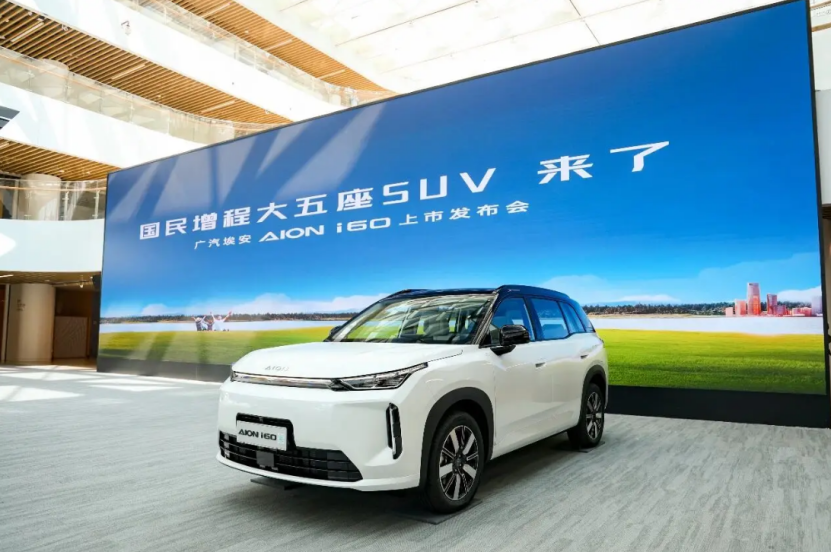
For GAC Aion, its end-of-year performance in 2025 was more than a simple sales report. After a year of sweeping internal reforms under what it calls the “Panyu Action” integration strategy, the company delivered a notable result: the Aion i60 surpassed 10,000 units in its first month on sale, while total monthly deliveries climbed to 40,066 vehicles, marking several consecutive months of growth.
Behind the headline figures lies something more fundamental — a structural optimisation of the entire business system, from R&D and manufacturing to organisational restructuring.
It also signals that GAC Aion has entered a new phase: scale.
Unlike many start-ups in China’s crowded electric vehicle (EV) market, Aion was incubated within a traditional state-owned automaker. Its path has been less dramatic. It has not relied on viral marketing or investor-friendly presentations. Instead, its growth appears rooted in operational discipline.
In an era when a single “internet-famous” model is no longer enough to secure survival, and when price wars dominate headlines, Aion’s formula for scale warrants closer examination.
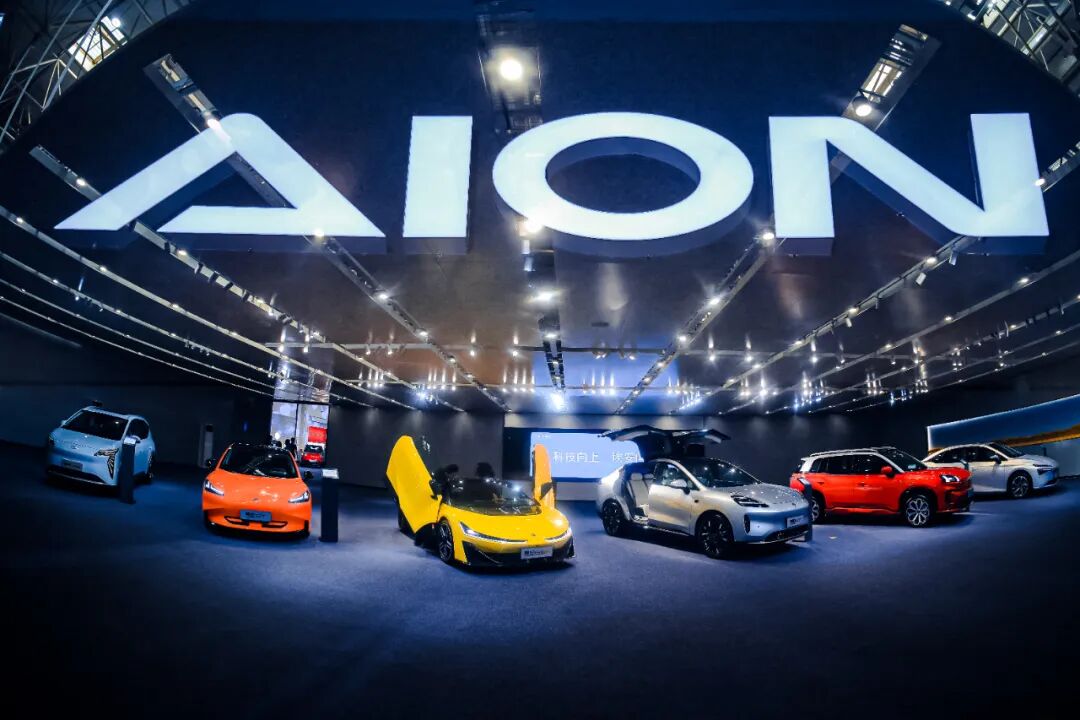
Technology as the Spear
GAC Aion’s management frequently stresses a long-term technology strategy — one that balances current applications, near-term reserves and future innovation.
General Manager Gu Huinan has argued that technology should not be used for show, but deployed ahead of market demand. The objective, he says, is not simply to outpace competitors, but to address real consumer concerns and build durable competitive advantages.
Battery safety has emerged as one of the industry’s most sensitive issues. A number of high-profile battery fires across the sector have heightened consumer anxiety. Whether manufacturers acknowledge it or not, trust in battery technology is now central to purchasing decisions.
Rather than contesting criticism rhetorically, Aion has chosen to respond with engineering and policy.
Its “Magazine Battery” system claims to have passed needle penetration and ballistic testing without fire — tests widely seen as among the most demanding in the industry. The company says more than 800,000 vehicles equipped with the system have been delivered, covering over 48 billion kilometres without reported spontaneous combustion.
Beyond technical claims, Aion has introduced unusually explicit after-sales guarantees. The Aion i60 offers a “burn and compensate triple” policy, while a broader “three liabilities” programme commits the company to responsibility in cases involving battery-related spontaneous combustion, intelligent parking accidents and excessive battery degradation.
Such measures may raise short-term service costs. But over time, they may also reinforce brand credibility — a valuable asset in an increasingly sceptical market.
In intelligent driving, Aion has taken a similar approach. Rather than participating in an arms race focused solely on computing power, it has sought to expand access to advanced driver-assistance systems. Management has stated its ambition to equip vehicles priced between 140,000 and 150,000 yuan with lidar as standard, bringing higher-end features into more affordable segments.
The strategy is clear: turn technical capability into tangible consumer value.
Understanding Who the Car Is For
If technology provides the spear, product positioning defines the target.
Vice General Manager Xiao Yong previously described 2025 as a year of “three competitions”: product, price and service — in that order. Competing on price alone, he suggested, would be insufficient.
In China’s highly competitive market, few manufacturers now design vehicles in isolation. Yet some have been criticised for introducing features that prioritise novelty over usability. Aion appears to have taken a more pragmatic path.
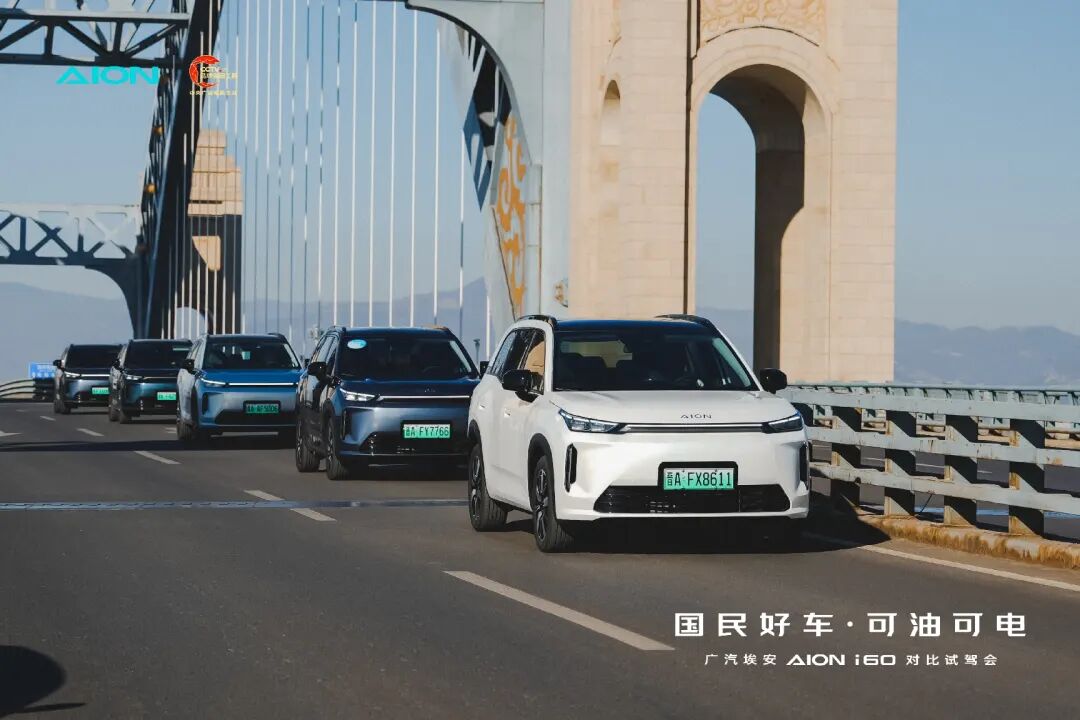
The early success of the Aion i60 supports that view. In a market now evenly split among pure electric, hybrid and internal combustion vehicles, its dual powertrain offering broadens its potential customer base. The company has also promoted a “same price for extended-range and electric” strategy aimed at reducing ownership anxiety among mainstream families.
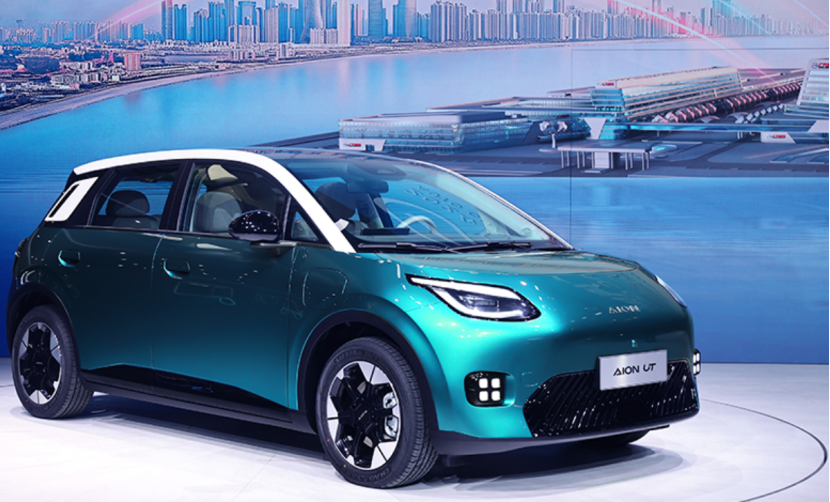
In the A0 segment — typically priced between 80,000 and 100,000 yuan — Aion has sought to raise expectations rather than merely compete on affordability. Its UT model, for example, offers generous interior space, wider tyres and a 100kW electric drive system uncommon at that price point. It also introduces an intelligent cockpit system into the sub-100,000 yuan category.
The company has further adapted to shifting market dynamics. As fleet sales give way to greater private demand, Aion has established dedicated service centres for commercial mobility operators while maintaining separate experience centres for private customers. This dual-channel approach enables it to stabilise its ride-hailing base while expanding into the consumer market.
The Shield: Manufacturing and Supply Chain Control
If technology and product are the spear, manufacturing and supply chain are the shield.
Battery costs account for between 40% and 60% of an EV’s total production cost. In recent years, upstream material price volatility has placed pressure on manufacturers globally.
GAC leadership once publicly questioned whether automakers were effectively “working for battery suppliers”. Since then, Aion has moved to strengthen vertical integration.
Strategic partnerships with lithium producers and investment in battery recycling have extended its presence across the value chain. The commissioning of in-house battery and electric drive plants has further reduced dependency on external suppliers.
Today, Aion is among a limited number of global manufacturers claiming full-stack in-house capability in core EV systems — battery, motor and electronic control.
This does not mean the company is immune to cost pressures. Rather, it has sought to improve efficiency without compromising materials or safety standards. Its EV “lighthouse factory” — described as the world’s only such facility dedicated to new energy vehicles — can reportedly produce a customised vehicle every 53 seconds, supporting more than 100,000 configuration combinations.
Domestically, Aion operates five factories, while overseas facilities in Thailand and Indonesia have begun production, reflecting global ambitions.
Control over production and supply, executives argue, ensures continuity in volatile market conditions — and greater pricing stability.
Conclusion
Breaking through 40,000 monthly sales reflects more than market momentum. It highlights coordination across technology, product strategy and manufacturing capability.
The competitive landscape in 2026 is likely to intensify. Established players such as BYD and Tesla, alongside Huawei-backed brands, continue to expand aggressively.
Yet if Aion maintains its current trajectory — democratising technology, aligning products with user needs and strengthening supply chain autonomy — its path toward sustainable scale may remain intact.
In a market often defined by spectacle, its quieter approach offers an alternative model of growth.