
The global auto industry's first half was defined by electrification. Its second half will be shaped by intelligence. As that shift becomes reality and the world's motor show focus moves east, a landmark industry event is ready to open in Beijing.
The 19th Beijing International Automotive Exhibition runs from 24 April to 3 May 2026, under the theme "Leading the Era, Intelligent Future". For the first time, it uses two venues – China International Exhibition Center (Shunyi) and Capital International Exhibition Center – with 380,000 square meters of space. A total of 1,451 cars are on show, including 181 global debuts and 71 concept cars, making it the largest motor show in the world.
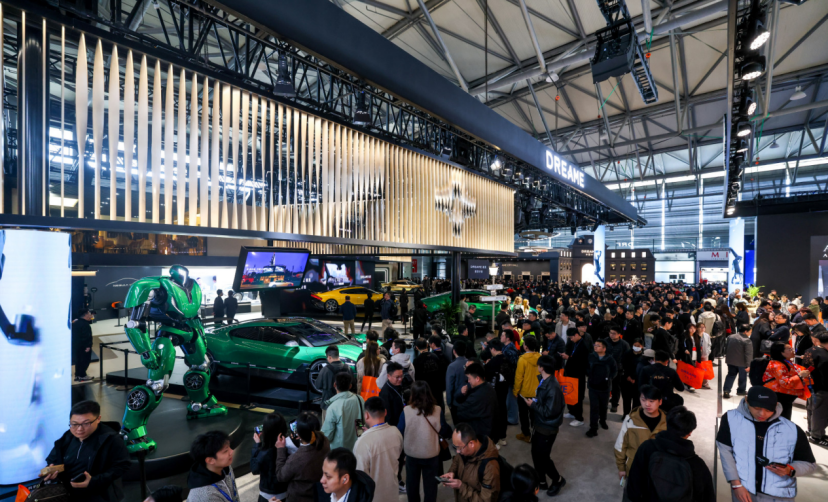
The upgraded theme from "New Automobile" to "Intelligent Future" confirms China's auto industry has moved fully from electrification into the age of smart vehicles.
In this new competition, Huawei is the most prominent ecosystem enabler. Major suppliers including CATL and Horizon Robotics also appear in the main halls for the first time, exhibiting alongside car brands. Below are the unmissable highlights of the 2026 show.
1. Huawei's Ecosystem Expands Dramatically
Huawei is the standout name at this year's show. Industry observers joke that it feels less like the Beijing Auto Show and more like a Huawei exhibition. Huawei Qiankun, Huawei Digital Power and Harmony Intelligent Mobility Alliance (HIMA) all have independent stands, with HIMA's space covering more than 4,400 square meters and displaying over 20 cars.
Its partners are divided into three levels: full-stack cooperation includes WuJie, Avatr, Qijing and Yijing; three or two smart solutions cover Hongqi, Voyah, Deepal and SAIC-GM-Wuling; and component partners include Beijing Off-Road, Audi, Toyota and Dongfeng Nissan.
In hall W3, Huawei Qiankun leads a pavilion with Qijing, Yijing, Mengshi and Avatr. In hall B4, HIMA presents a strong line-up with multiple global debuts.

New models include the Yijing X9, a large six-seat SUV at 5.3 meters long with a 3.1-meter wheelbase, using Huawei's full-stack Qiankun system, dual 896-line image-grade lidars, new Harmony cockpit and XMC digital chassis. The Qijing GT7 shooting brake also makes its global debut, days after receiving Level 3 self-driving test approval in Guangzhou.
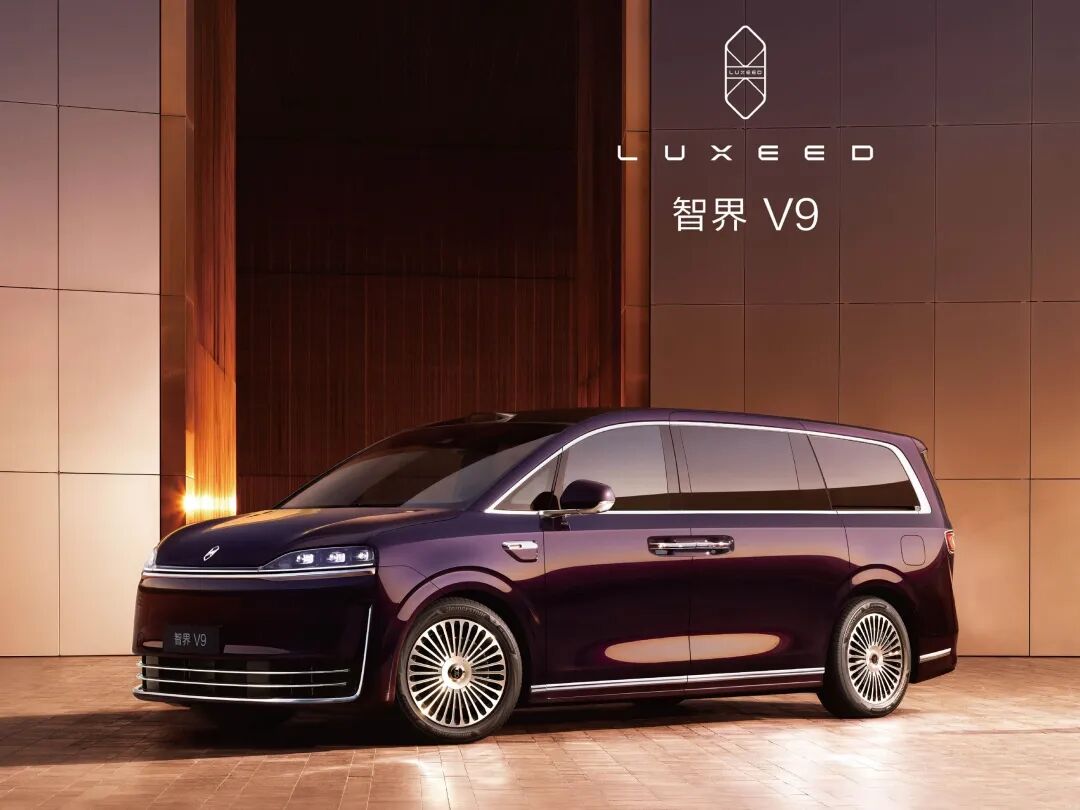
The Zhijie V9, HIMA's first flagship MPV, started pre-orders at 399,800 yuan, equipped with Huawei Qiankun AD and 896-line lidar. The Shangjie Z7, starting at 229,800 yuan, comes with Huawei ADS 4.1 and lidar as standard, and received more than 18,000 orders in three hours.
Before the show, Huawei launched a series of core technologies. On 22 April, Huawei Digital Power introduced its new "ZHIQING" brand, with motor efficiency reaching 97.5% and more than 2.4 million powertrain units shipped. On 23 April, Huawei Qiankun launched ADS 5, HarmonySpace 6 and the next-generation XMC digital chassis.
2. Top Suppliers Enter Main Halls for the First Time
A major change this year: key component makers have moved into the main exhibition halls for the first time, showing their products next to car brands. The parts zone focuses on electrification, intelligence and digitalisation, allowing visitors to see finished cars and core technology in one place.
CATL is in hall W4 with BMW, Porsche and Lotus. On 21 April, it launched six new technologies. Its third-generation Shenxing super-fast battery charges from 10% to 98% in just 6 minutes 27 seconds at room temperature, and keeps more than 90% capacity after 1,000 full charge-discharge cycles.
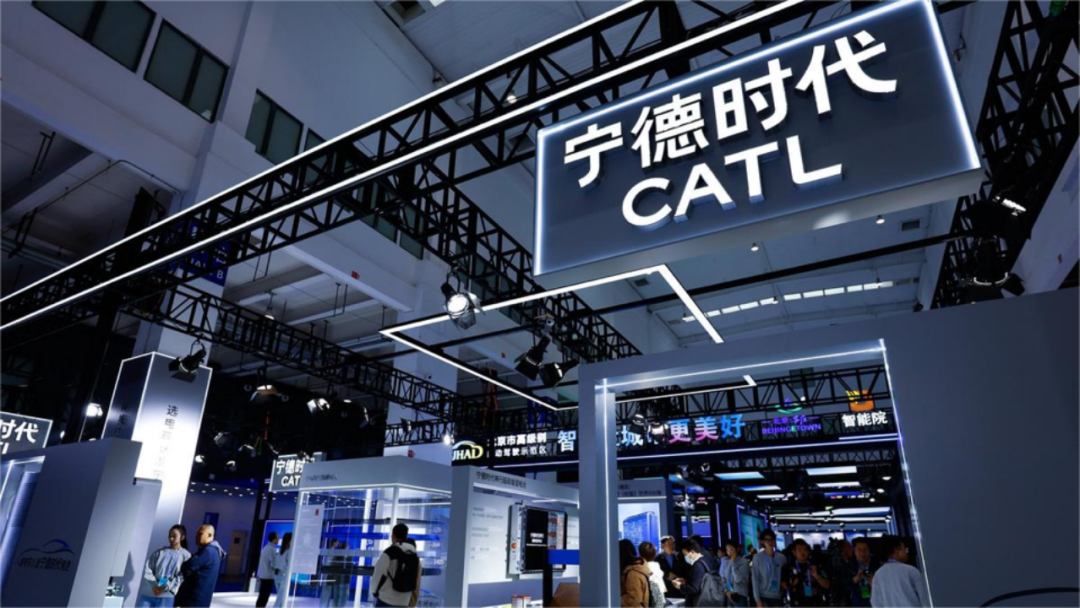
The most important launch is the Qilin condensed battery, the first to bring aerospace-grade condensed technology to passenger cars. Its energy density hits 350 Wh/kg, a record for mass-produced batteries, enabling a range of up to 1,500 kilometers in a typical sedan.
Horizon Robotics, in hall B3 with Toyota and Changan, also showed strong technology. On 22 April, it launched "Stellar", China's first cabin-driving integrated chip, built on 5nm process with 650 TOPS of computing power. It combines cockpit and self-driving functions, saving carmakers 1,500 to 4,000 yuan per vehicle. It also released KaKaClaw, China's first vehicle intelligence operating system, and the upgraded HSD 1.6 end-to-end system, marking the start of the full vehicle intelligence era.
3. Chinese Brands Launch High-End Offensive
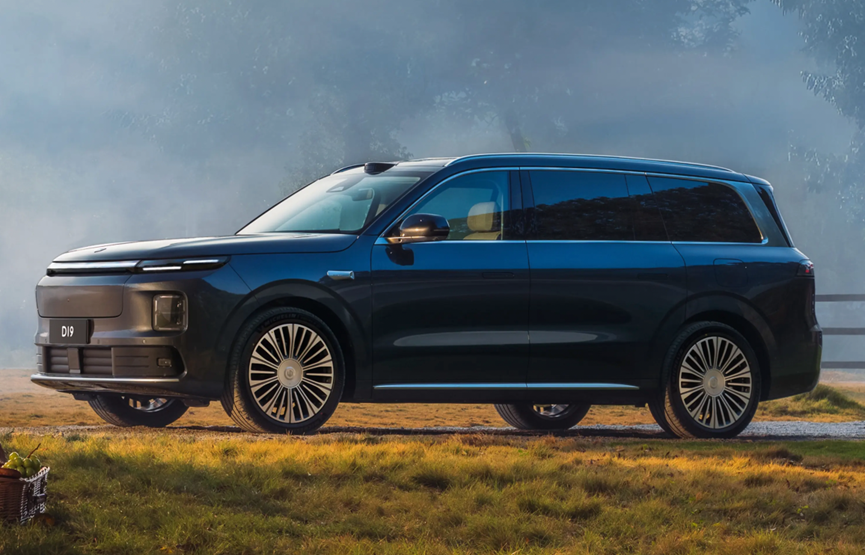
Chinese brands are mounting a powerful high-end challenge. Li L9 Livis, Nio ES9, new AITO M9, BYD Datang, XPeng GX and Leapmotor D19 – six major Chinese brands are all targeting large and full-size flagship SUVs.
Li L9 Livis uses three high-performance lidars and two in-house 5nm "Maher 100" chips with total computing power of 2,560 TOPS, priced at 559,800 yuan. Nio ES9, 5,365mm long, uses its own 5nm "Shenji NX9031" chip and 900V ultra-fast charging and battery-swapping architecture, positioned as a 500,000-yuan luxury electric SUV.
XPeng GX uses four in-house Turing chips with 3,000 TOPS of local computing power, starting at 399,800 yuan. It is also China's first mass-produced Robotaxi prototype. BYD Datang, a new large seven-seat SUV, uses the fifth-generation DM hybrid system and megawatt flash charging, with a combined range of more than 2,000 kilometers. Most models are priced above 400,000 yuan, directly competing with traditional luxury brands.
2026 is widely seen as the first year of mass commercial use of Level 3 self-driving. The Qijing GT7 has gained L3 test approval in Guangzhou. Systems such as Huawei ADS 5 and Horizon HSD 1.6 are being fitted to production cars. Chinese brands are building strong competitiveness with self-driving technology and in-house chips, no longer leaving the high-end market to foreign brands.
4. Joint Venture Brands Launch Counterattack
Faced with the strong rise of Chinese brands, foreign carmakers are accelerating transformation and local adaptation.
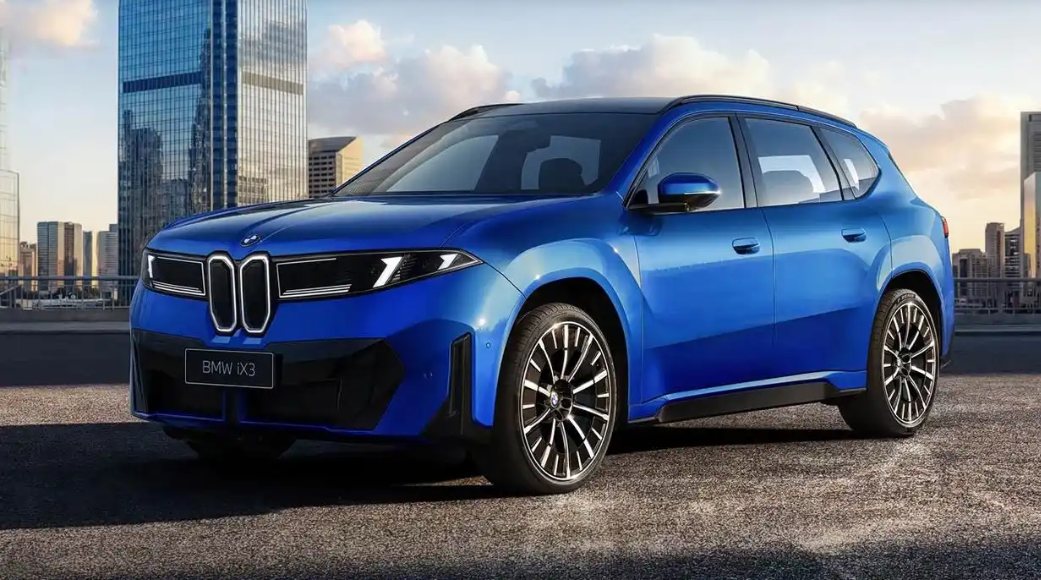
BMW Group brings its largest ever line-up, with 16 models from BMW, MINI and BMW Motorrad, including four global debuts and eight China debuts. Its long-wheelbase iX3 and i3, based on the Neue Klasse pure electric platform, mark a full break from "oil-to-electric" conversions.
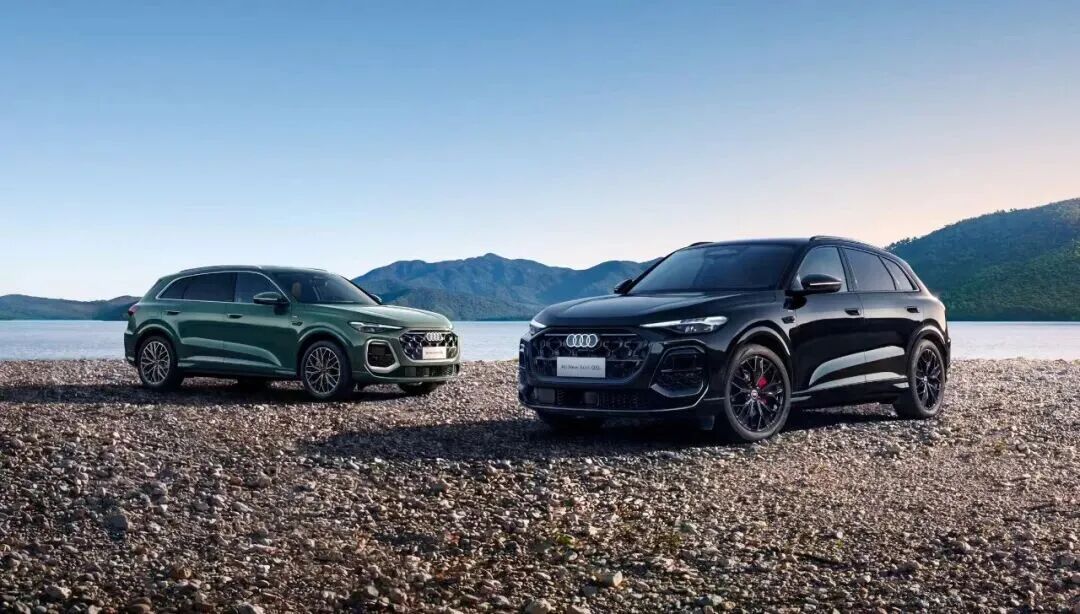
Mercedes-Benz launches the long-wheelbase electric GLC SUV, with a 3,027mm wheelbase, a 39.1-inch MBUX hyper-screen and Doubao AI, with its self-driving system developed by its Chinese team. Audi uses a dual strategy: the electric A6L e-tron and petrol version appear together, and the new Audi Q5L – the first luxury petrol SUV with Huawei Qiankun AD – is available for order.
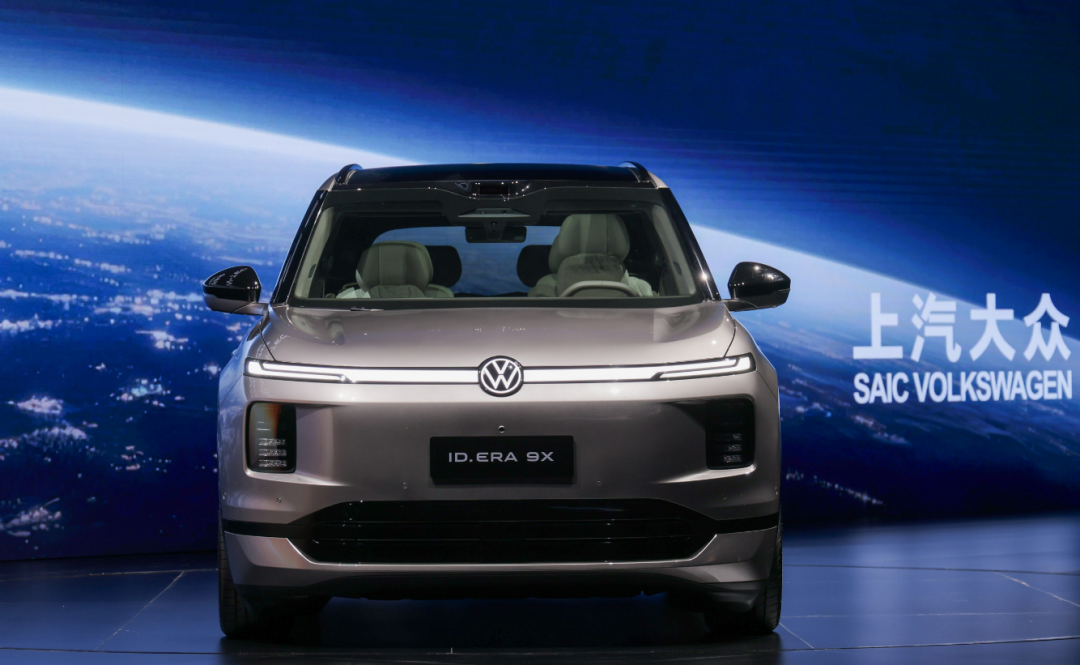
Volkswagen plans to launch more than 20 new energy models in China in 2026, covering pure electric, plug-in hybrid and range-extender systems. SAIC Volkswagen ID.ERA 9X made its global debut last month, with a 3,070mm wheelbase, competing with Li L9 and AITO M9 at a starting price of 329,800 yuan.
Japanese brands including Nissan and Honda are also speeding up electrification. Notably, Dongfeng Peugeot and Dongfeng Citroen return to the mainstream show after three years, showing their progress in smart electric transformation.
5. Niche Segments Become Unexpectedly Hot
As competition intensifies in the mainstream market, MPVs, boxy off-road vehicles and other niche segments have become new growth areas for car companies.
The MPV sector is particularly competitive. The Zhijie V9, priced from 399,800 to 529,800 yuan, uses Huawei Qiankun ADS 4.1 and 896-line lidar. High-end versions include an oxygen machine, temperature-controlled fridge and 123-degree zero-gravity rotating seats.
Chery's Jetour brand launches its new luxury hybrid off-road series "Zongheng" for the first time, showing three models: G700, G900 and F700. BYD's Fangchengbao also reveals its first sedan, a fastback with three motors producing nearly 1,000 horsepower.
An unexpected addition comes from cross-sector firms: smart home company Dreame Technology enters the car industry with its "Star Project" brand and three SUV models. Beyond traditional sedans and SUVs, MPVs, off-road vehicles and other niche segments are booming, with tech companies joining car manufacturing.
As competition grows in the mainstream passenger car market, expanding into niche segments and upgrading intelligent technology may help carmakers move beyond price wars and build unique advantages. The 2026 Beijing Auto Show is no longer just a car display: as consumers shift from looking at badges to checking suppliers, the balance of the industry is changing.