
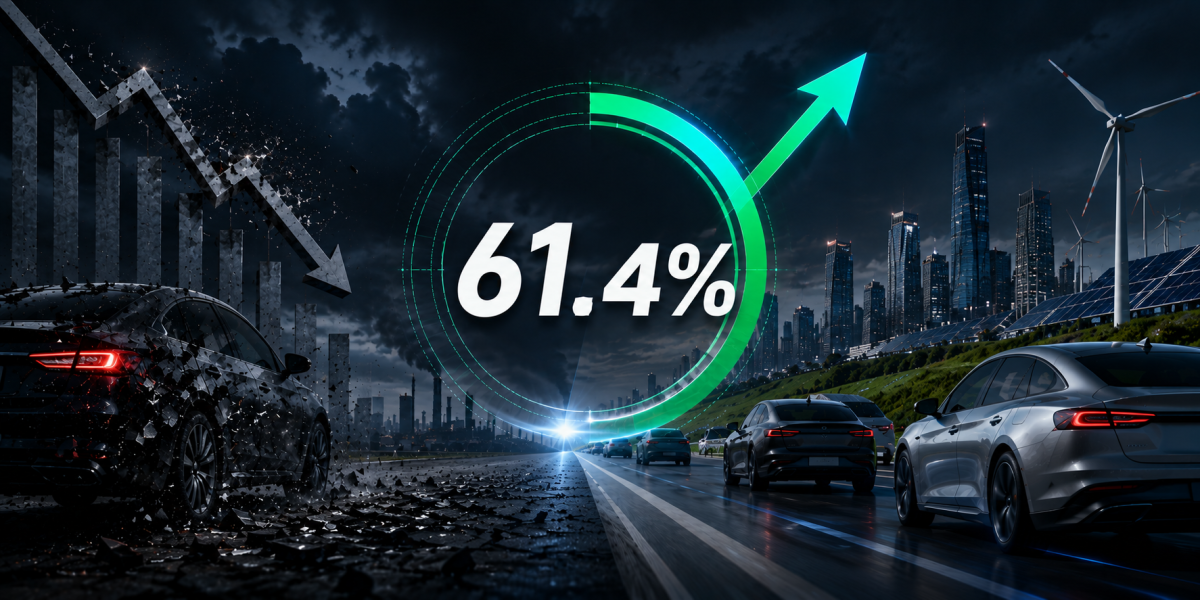
Petrol-car sales slumped in April, in sharp contrast with a new-energy vehicle penetration rate of 61.4%. Petrol cars are unlikely to disappear from history in the near term. But in 2026, an accelerated reshaping of the industry now looks unavoidable.
China's car market in 2026 is full of uncertainty, but also carries a few clear signs. In April, the penetration rate of new-energy passenger vehicles moved above 60%. Recently, more than 15 new-energy carmakers announced price rises. At the same time, several mainstream petrol models launched deep discounts, with the biggest reductions close to 30%.
Add to this the harsh figure that petrol-car sales in April fell by 365,000 units year on year, accounting for 84% of the overall decline, and it becomes clear that the industry's next phase will not look like the one that came before.
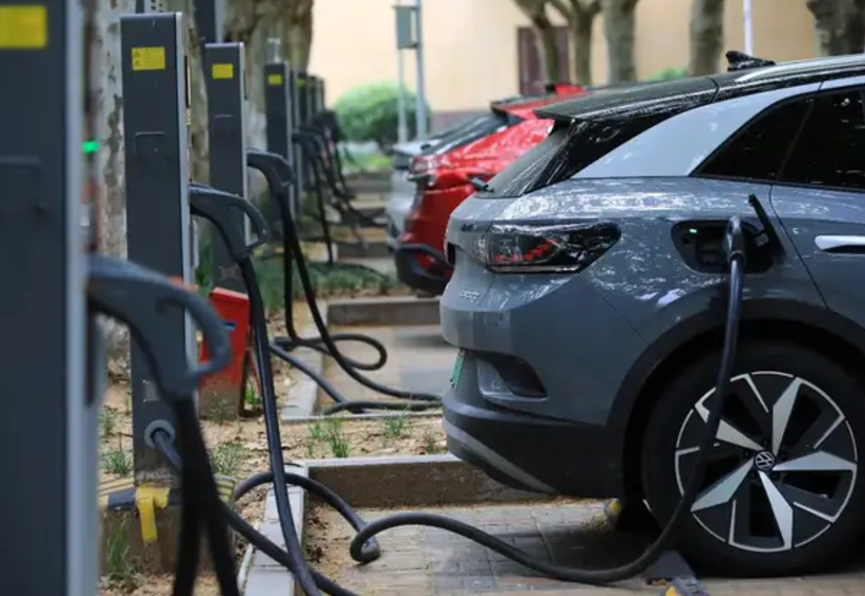
Across the market, petrol cars are losing ground at a visible speed. This is not simply the result of a short-term seasonal lull. Adjustments to new-energy vehicle purchase-tax policy, weaker consumer confidence and high oil prices are all affecting the competitiveness of petrol cars. The wider market pattern - domestic demand slowing, exports growing strongly, petrol shrinking and new energy taking the lead - suggests the turning point in the replacement of petrol by electric power has arrived.
That makes the comment by Voyah's Lu Fang - that 2026 will be the decisive year in the contest between new-energy vehicles and petrol cars, and that the accelerated replacement of petrol cars by new-energy vehicles has become irreversible - feel less like a slogan than a summary of the moment.
But is this really the turning point in the transition from petrol to electric? And what will it mean for the wider industry?
Petrol-to-electric substitution is a revolution in consumer behaviour
When the new-energy penetration rate first passed 50%, many people assumed the most likely future for the industry would be a roughly divided market. But when the figure reached 61.4%, reality looked harsher than expected.
In April, retail sales of new-energy passenger vehicles across China reached 883,000 units, down 5% from the same period a year earlier. That shows the current shift is not simply the result of electric vehicles selling explosively. It is, in a sense, a passive breakthrough. It can be seen as a revolution in the entire pattern of car consumption: it is not merely that electric cars have taken market share from petrol cars, but that consumers increasingly no longer want petrol cars.
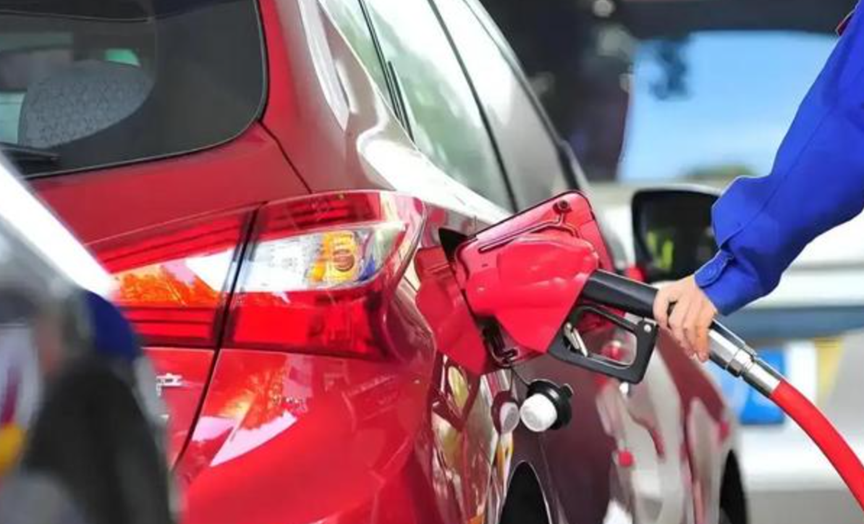
This change did not happen suddenly. The first shift was in cost logic. In the past, the cost advantage of petrol cars rested on low fuel prices and cheap maintenance. Now, the running cost of an electric car can be a little over one US cent per kilometre, and over five years the savings on energy and maintenance alone can reach several thousand dollars. Although policy benefits for new-energy vehicles are less generous this year than before, trade-in subsidies and purchase-tax exemptions still exist. At the same price point, new-energy vehicles continue to overwhelm petrol cars on value for money.
More importantly, electric-car costs are still falling, while high oil prices continue to hit petrol models hard. The widening cost gap will naturally divert former petrol-car buyers towards new energy.
The supply side has changed even more clearly. The strategic focus of mainstream carmakers has now shifted firmly towards new energy. Research, development, marketing and promotional resources are being concentrated on electric vehicles. Very few new petrol models are launched each year, and some brands have already set out timetables for ending petrol-car production.
Globally, several multinational carmakers have already put plans to stop producing petrol cars into action, while China's industrial policy direction is also clear. Whether companies openly acknowledge it or not, petrol cars have in effect entered a period of structural decline.
Pressure from sales channels is accelerating that process. Even the intense price wars of the past two years failed to solve the problem of high petrol-car inventories and difficult sales volumes among dealers. The latest collapse in petrol-car sales also reflects declining confidence in petrol models across the retail network.
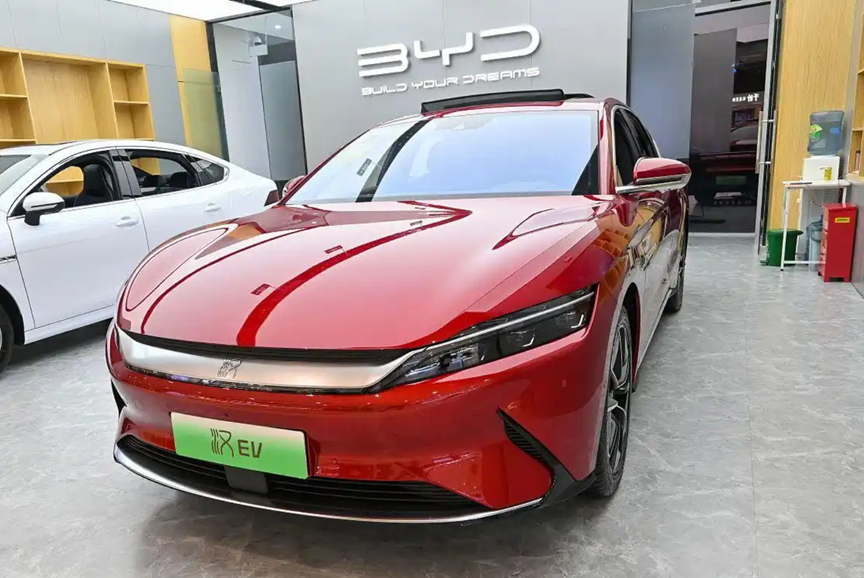
The product gap is another key factor. BYD's Blade Battery can charge to 70% in five minutes, while CATL-backed pure-electric ranges are now, on average, above 600 kilometres. Previous pain points around range, charging and cold-weather performance have largely been addressed.
By contrast, the petrol-car segment has not seen disruptive technological innovation for many years. Upgrades in powertrains, design and interiors have become increasingly conservative. Homogenisation has worsened, and consumers struggle to find the excitement of a true generational change in new petrol models. Many petrol cars are still unable to catch up.
More importantly, mainstream consumers now think differently. For household commuting, electric cars are often the first choice. Younger buyers are especially drawn to smart cockpits, driver-assistance systems and other technology features, while petrol cars increasingly lag in intelligent functions.
Environmental restrictions in many places are also tightening. Emissions controls, urban access limits and similar measures have reduced the convenience of petrol-car use and further weakened consumers' willingness to buy. Against this backdrop, the idea of buying the new rather than the old, and choosing electric rather than petrol, has almost become a consensus.
Online, some people joke that buying a petrol car today is like joining the Kuomintang in 1949. It may look like an internet meme, but it is also a reflection of today's consumer trend.
Petrol cars will not disappear, and new-energy vehicles cannot simply coast to victory
At the turning point of petrol-to-electric substitution, the industry must recognise the inevitability of electrification without falling into a black-and-white judgement. It is true that 2026 is likely to be the decisive year in the contest between new-energy vehicles and petrol cars. It is also true that the industry's structure will change more quickly. But industrial development is never a simple replacement of old by new. It is shaped by the interaction of many different needs.
Rationally, petrol cars will not completely leave the historical stage. Nor will the development of new-energy vehicles be smooth in every respect.
Objectively, petrol cars have lost their position as the mainstream preference, but not their long-term value. On one hand, overseas markets still have strong essential demand for petrol cars. In emerging markets such as Southeast Asia, Latin America and Africa, charging infrastructure is not yet widespread. Petrol cars remain the preferred choice for many local consumers because of their price-performance balance and ease of use. The fact that China's petrol-car exports rose 53.8% year on year in April is the clearest evidence. For a long time to come, petrol cars will remain an important product for Chinese carmakers seeking to win overseas markets.
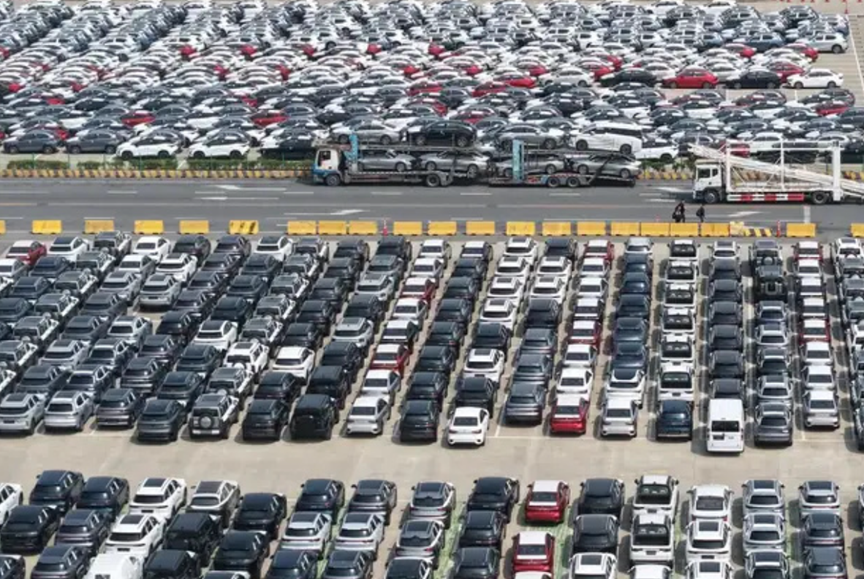
On the other hand, special-use scenarios will not be fully replaced by new-energy vehicles. In off-roading, long-distance freight, high-cold regions and emergency operations, petrol cars still have clear advantages in refuelling speed, range stability and environmental adaptability. This is not to say these advantages will last forever, but demand in such segments will not disappear quickly.
In addition, the existing stock of petrol cars in China remains relatively large. The maintenance, used-car and spare-parts supply chains around them are huge. That means petrol vehicles will have a long survival cycle and cannot vanish in a short period.
As for new-energy vehicles, their penetration rate is rising quickly, but competition in the sector remains fierce. Companies cannot expect to win simply by standing in the right market trend. The reasons are straightforward.
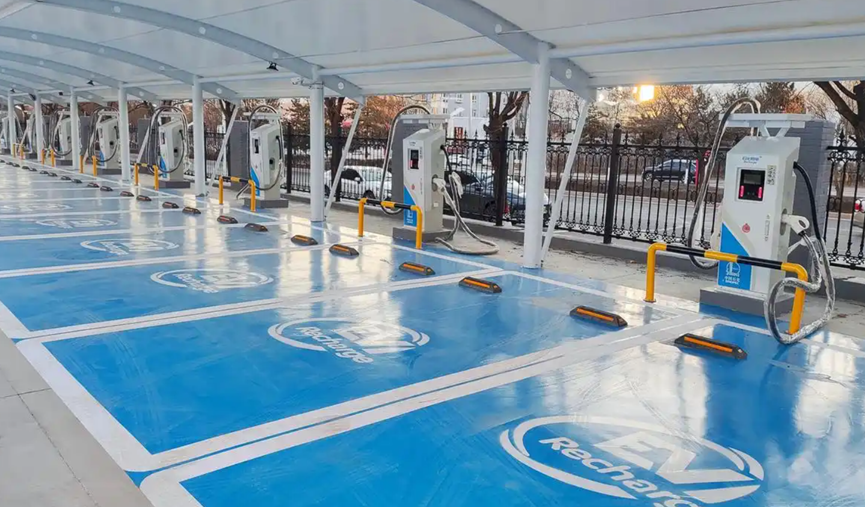
First, the risk of upstream raw-material price volatility remains. Cyclical swings in the prices of lithium, cobalt, nickel and other core battery materials directly affect vehicle production costs and corporate profits. Second, charging infrastructure still has obvious shortcomings. Charging convenience may not be a problem for some companies, but from the perspective of the whole industry it has not been universally solved. Third, profit pressure caused by price wars continues to grow. Even if the noise around price wars is less intense this year than in previous years, companies with weak cash-generation ability will remain close to breakeven and face survival risks.
Looking at the objective laws of industry development, the future car market will not be a single structure in which new energy fully replaces petrol. The more likely outcome is a plural ecosystem in which petrol and electric vehicles coexist for a long time.
In mainstream consumption scenarios such as urban commuting and family transport, new-energy vehicles will dominate because of their low running costs and smart experience. In long-distance transport, off-road work and emerging overseas markets, petrol cars will remain an important option.
In a symbiotic relationship built around meeting different user needs and developing complementary strengths, neither abandoning petrol entirely to go all in on new energy, nor clinging to petrol and refusing to transform, is a wise choice. Carmakers that allocate resources sensibly between the two routes, according to their own technology base and market positioning, will be better placed to navigate the coming industry change.
How will competition change in the petrol-electric showdown?
Once penetration passed the critical 60% mark, the underlying rules of the petrol-electric contest were no longer about who could offer the lowest price. The decisive year between new-energy vehicles and petrol cars is likely to bring greater market volatility.
The recent wave of price rises across the industry points to an important shift in competition. The car market is moving from a contest over lower prices to a contest over more stable system capabilities, including supply-chain resilience.
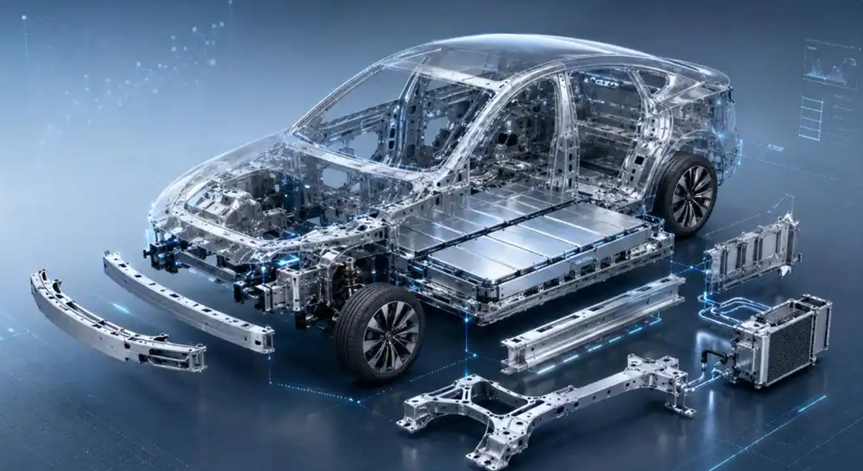
Put plainly, the industry used to compete on who could offer the lower price and the bigger showroom discount. Now, competition has escalated into a comprehensive struggle over supply-chain stability, global-market deployment and full-lifecycle ecosystem capability. These three changes in competitive logic will determine the survival status and industry position of carmakers in the period ahead.
More than 15 new-energy carmakers have announced price increases, a sharp contrast with the waves of price cuts seen over the past three years. It is worth noting that the main reason for this round of increases is not overheated demand, but greater volatility in the prices of upstream lithium ore, battery materials, chips and other core components, with cost pressure being passed through to the retail market.
Viewed against the background of domestic substitution in supply chains entering deeper territory, future competition is fundamentally about supply-chain security and cost-control capability. Companies without control over the full value chain may not last until the final stage of the contest, no matter how low their prices are.
Other things are also changing quietly as the petrol-electric turning point arrives. In the petrol-car era, global automotive supply-chain power was firmly held by foreign Tier 1 suppliers. From engines and transmissions to core chips, Chinese carmakers largely had to accept prices passively and wait in line for supply. The largest share of profits went to overseas suppliers.
In the new-energy era, that rulebook is beginning to fail. China's domestic power-battery, electric-motor and automotive-chip supply chains have achieved a high degree of independent control across the chain. From upstream lithium resources to downstream vehicle manufacturing, China has formed a complete closed-loop ecosystem.
The collective price rises among new-energy carmakers since the start of 2026 therefore show both a change in the logic of industry competition and a direct reconstruction of supply-chain bargaining power.
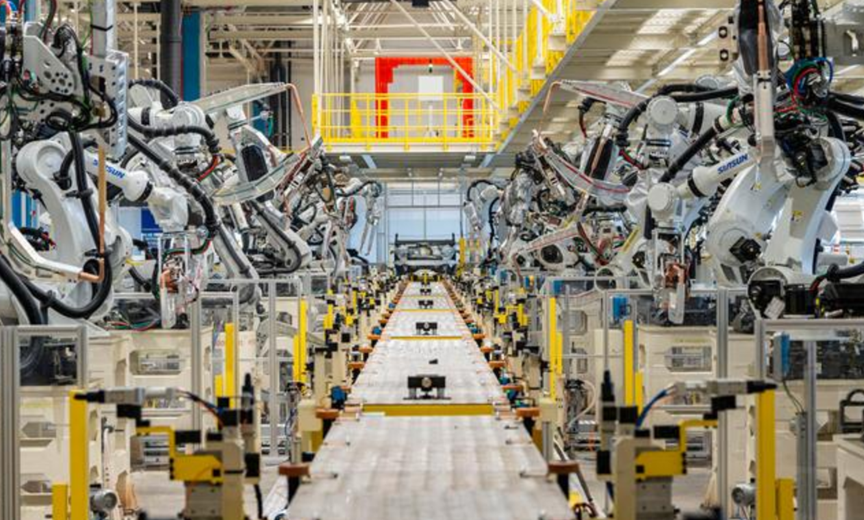
The battle for user ecosystems also matters in this contest. In the petrol-car era, the connection between carmaker and user largely ended once the transaction was complete. Later maintenance and value-added services were mostly controlled by the 4S dealership system, and users felt limited service value.
The full-lifecycle services brought by new-energy vehicles are different. Advanced driver-assistance functions can cover more scenarios. Public charging networks and home-charger installation services address charging pain points. Lifetime warranties for battery, motor and electric-control systems, together with official used-car services, reduce consumer concerns. In-car software ecosystems can also be continuously updated.
This user stickiness, built through driver assistance, charging, over-the-air updates and digital ecosystems, will place considerable pressure on the traditional service model of petrol cars.
Of course, the petrol-electric showdown is not merely an internal Chinese market battle. It is a global contest between China's new-energy vehicles and the world's petrol-car industry. In April, China's new-energy vehicle exports reached 406,000 units, accounting for 52.7% of total vehicle exports and surpassing the share of petrol cars for the first time. This can be seen as a signal that Chinese new-energy vehicles are launching a broader push into global petrol-car markets.
The shift from domestic competition to a global offensive also means that the carmakers that survive will have to hold a place in global markets. The winners of this global competition will be the ones that truly gain a voice in the world automotive industry.
Conclusion
The decisive year between new-energy vehicles and petrol cars has arrived. The sharply different April sales figures for petrol cars and new-energy vehicles have made the trend unmistakable.
Even so, the accelerated reshaping of the industry will not lead to the disappearance of petrol cars. A healthy automotive industry still needs diversity. All companies must follow the inevitable laws of industrial evolution. But in the end, competitiveness will be decided by technology, products, ecosystems and strategic vision.