
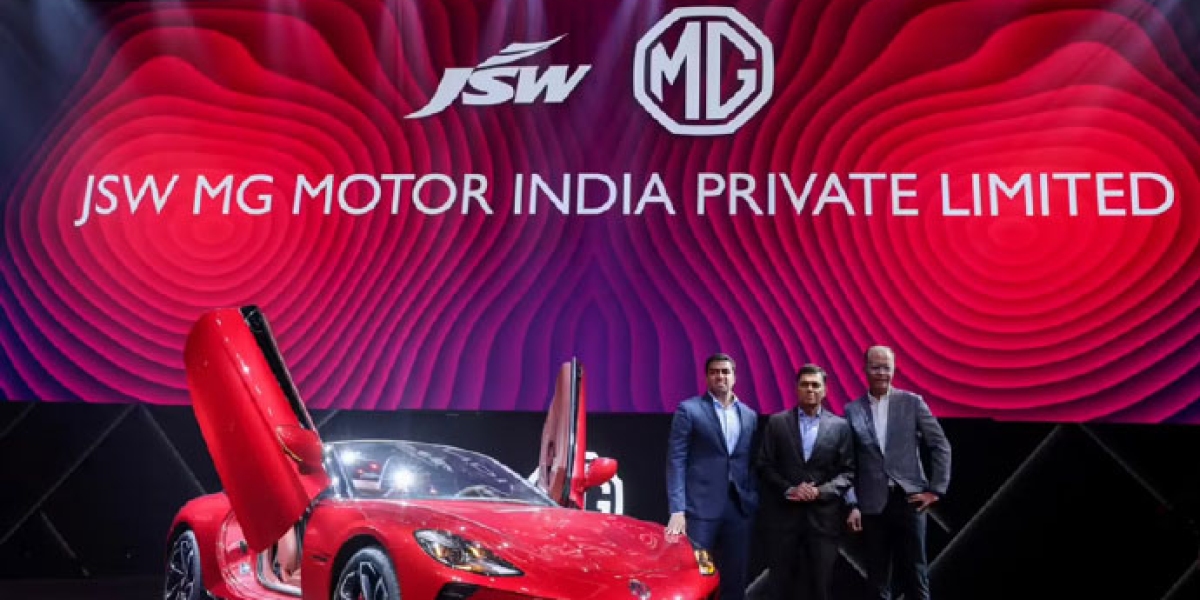
China’s largest automaker is reportedly preparing to reduce its ownership in its Indian joint venture, a move that highlights how geopolitical tensions continue to reshape the global ambitions of Chinese carmakers.
According to a Reuters report published on May 29, Shanghai-based SAIC Motor is considering selling a further 10% stake in JSW MG Motor India to its local partner, India’s JSW Group. If completed, the transaction would increase JSW’s ownership to 45%, making it the largest single shareholder in the venture and shifting more operational control toward the Indian side.
The proposed deal underscores the challenges Chinese companies face in India, where tighter scrutiny of Chinese investment has complicated expansion plans since border tensions between the two countries escalated in 2020.
A Strategic Shift Rather Than a Retreat
SAIC entered the Indian market through the MG Motor brand and has invested heavily in local manufacturing and product development. However, regulatory restrictions introduced by Prime Minister Narendra Modi’s government have made it increasingly difficult for Chinese firms to inject capital, restructure ownership, or pursue aggressive expansion strategies.
Industry analysts say the latest move is less about withdrawing from India and more about adapting to a regulatory environment that increasingly favors local ownership and oversight.
By increasing JSW’s stake, the joint venture could gain greater operational flexibility while reducing political sensitivities associated with Chinese control. The arrangement may also help accelerate approvals for future investment and manufacturing expansion.
India Emerges as a Key EV Battleground
The ownership reshuffle comes at a time when JSW MG Motor is strengthening its position in India’s rapidly growing electric vehicle market.
The company is currently India’s second-largest EV manufacturer and recently announced plans to invest approximately $418 million in the development of new-energy vehicles, including range-extended electric vehicles and hybrid models.
The investment program is also expected to support a major production expansion. Annual manufacturing capacity is targeted to more than double, reaching 300,000 vehicles a year.
Sources familiar with the matter said proceeds from SAIC’s planned stake sale, estimated at around $63 million, could be redirected into product development and future vehicle programs.
Chinese Automakers Face a New Global Reality
SAIC’s proposed transaction reflects a broader trend among Chinese automakers operating overseas. As political scrutiny increases in several major markets, manufacturers are increasingly relying on local partnerships, localized supply chains, and shared ownership structures to reduce regulatory risks.
The strategy is becoming particularly relevant in markets such as India, where governments seek foreign investment and advanced technology while simultaneously prioritizing domestic industrial control.
For SAIC, the move may provide a practical path forward in one of the world’s most promising automotive markets. For the wider industry, it serves as another reminder that global expansion is no longer determined solely by product competitiveness, but increasingly by geopolitical adaptability.
As India pushes to become a major automotive manufacturing hub and Chinese automakers continue their international expansion, the balance between local influence and foreign ownership is likely to remain a defining issue for years to come.