
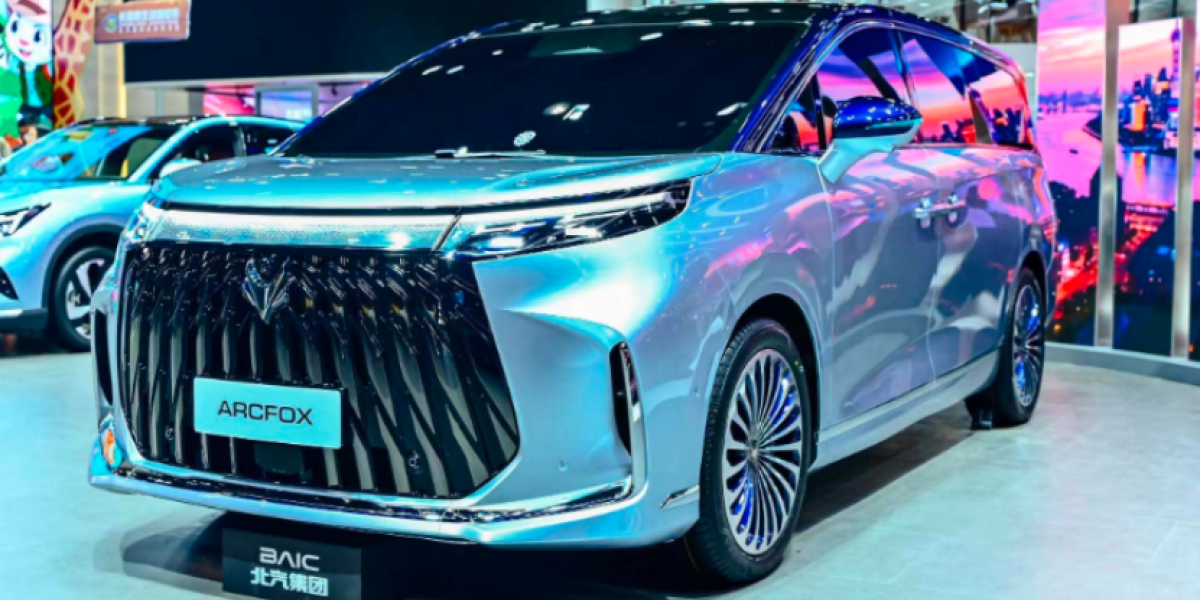
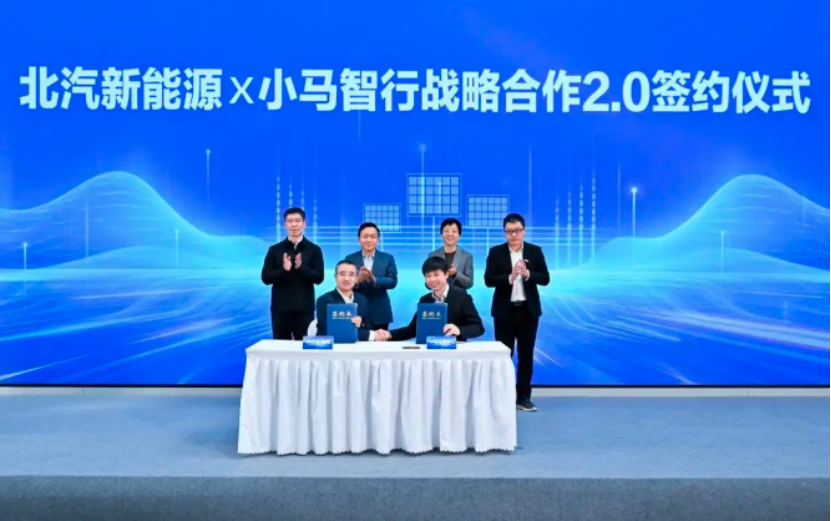
BAIC New Energy and Pony.ai are moving into what the article describes as "cooperation 2.0", a deeper relationship that goes beyond technology licensing or customised vehicles.
From technology supply to deeper integration
The aim is to connect equity, research, manufacturing, capacity and commercial deployment into one integrated chain.
The timing matters. In 2026, China's smart-driving competition is no longer about whether an automaker has assisted-driving features. The harder question is whether it can move faster than rivals toward higher-level autonomy and scalable commercial operations.
L4 autonomous driving remains stuck at the final stage before mass deployment, while Robotaxi businesses have yet to prove broad profitability. BAIC and Pony.ai are trying to address that problem through a combined model of technology, manufacturing and capital.
The deep-water challenge for autonomous driving
Autonomous driving remains attractive to investors and automakers because it is viewed as one of the auto industry's most important long-term technologies. Yet the sector faces both technical and commercial constraints.
On the technical side, lidar and perception systems have improved, but heavy rain, fog and other difficult conditions can still reduce accuracy. AI systems can handle most routine road scenarios, but construction zones, temporary traffic controls and other non-standard situations remain difficult. Low takeover rates can still rise sharply in complex environments.
On the commercial side, the old model of spending heavily to gain scale is becoming harder to sustain. The article cites Waymo as having accumulated losses of more than $20 billion over a decade, with a 2024 daily operating cost of about $253 per Robotaxi and single-passenger revenue of only about $39.
Regulation adds another obstacle, especially around responsibility allocation when autonomous systems fail. That makes it difficult for any single company to solve the entire problem alone.
Why BAIC chose Pony.ai
BAIC New Energy needs stronger intelligent-driving capability to maintain momentum. Pony.ai has long road-test experience and a seventh-generation autonomous-driving system. The two sides had already worked together before the new phase.
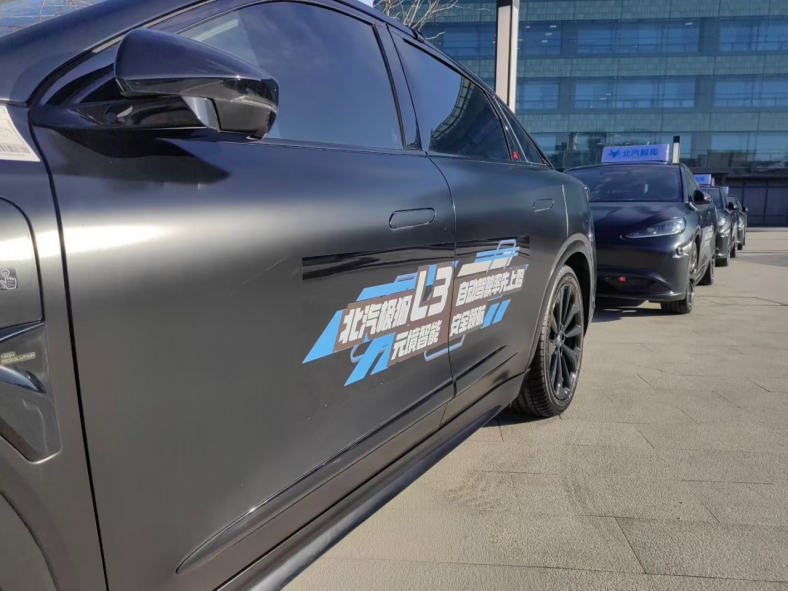
In November 2024, BAIC New Energy and Pony.ai signed a technical cooperation agreement based on BAIC's fully redundant chassis architecture. The two jointly developed the L4 Arcfox Alpha T5 Robotaxi, integrating Pony.ai's seventh-generation autonomous-driving hardware and software system.
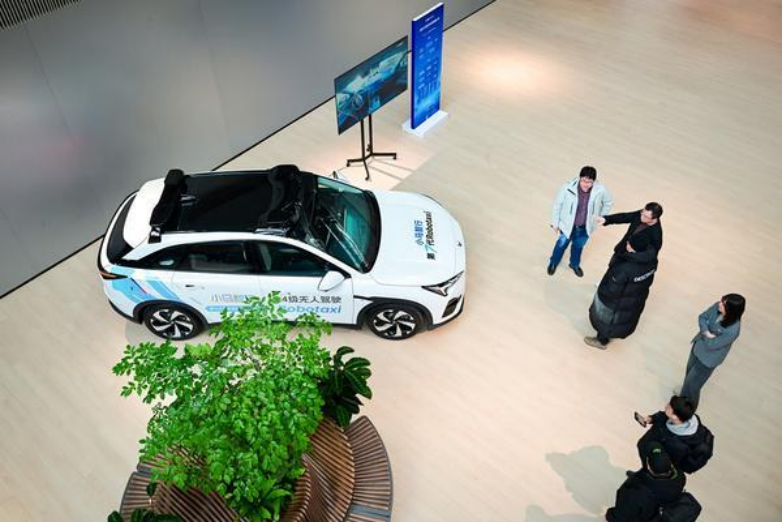
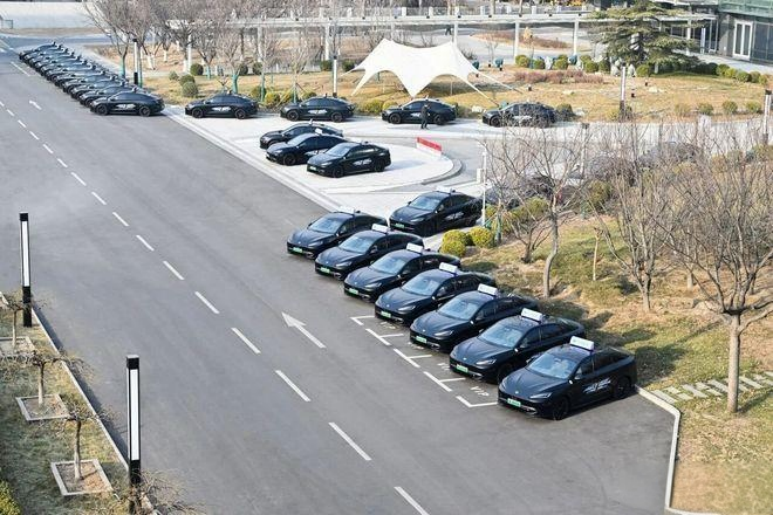
The first mass-produced vehicle rolled off the line and began road testing in July 2025. Within one month, the 100th vehicle was delivered. Within three months, the 300th vehicle was produced and entered scaled trial operation. Total production has now exceeded 600 units, according to the article.
Since November 2025, the Arcfox Alpha T5 Robotaxi has operated in Beijing Yizhuang and in Shenzhen's Nanshan and Bao'an districts, providing driverless travel services and creating a closed loop from production and testing to operation.
For Pony.ai, technical leadership alone does not guarantee commercial success. It needs a manufacturing partner able to turn laboratory systems into road-ready vehicles. BAIC New Energy has a 500,000-unit annual-capacity plant in Changzhou and a supply chain covering batteries, motors and electric-control systems.
A new opening for BAIC New Energy
BAIC New Energy has grown quickly in the past two years, but it cannot easily overtake in intelligent driving using its own resources alone. The article argues that the strong performance of the Arcfox Alpha T5 in 2025 was closely linked to the appeal of its smart-driving features.
Deeper cooperation with Pony.ai gives BAIC access to L4 autonomous-driving technology and raises the intelligent level of its product line. BAIC New Energy chairman Zhang Guofu has said the partnership is entering a "from one to N" era, meaning the target is no longer a few hundred more vehicles but a complete loop from technology development to commercial operation.
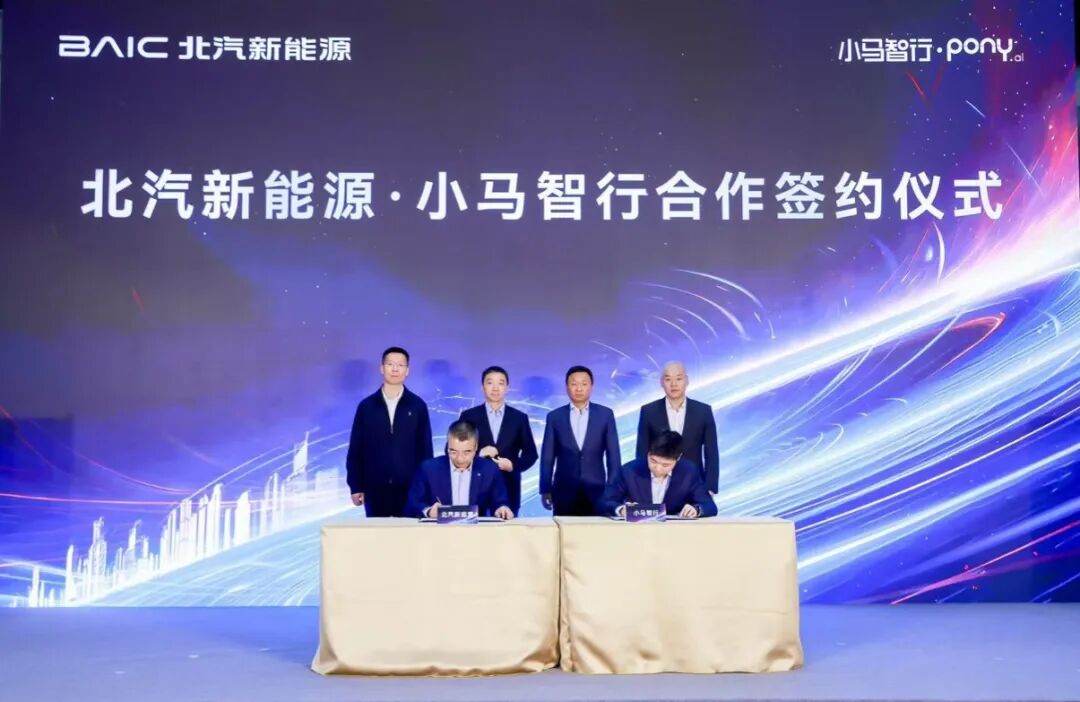
For Pony.ai, BAIC's manufacturing and supply-chain resources are essential for commercialisation. For BAIC, Pony.ai can help expand the Robotaxi product matrix and support the export of technical standards, operating models and commercial ecosystems.
If the plan works, the two companies could connect vehicle development, production, customer acquisition, operation, maintenance and finance into a broader value chain. That could accelerate scaled autonomous-mobility services and move them closer to profitability.
A template with unresolved risks
The BAIC-Pony.ai partnership reflects a wider shift in China's smart-driving sector. Cross-industry cooperation between technology companies and automakers is now common, but this model goes further by tying together technology, manufacturing and capital.
The logic is compelling. Technology companies need vehicles, factories and service networks. Automakers need advanced autonomy, software talent and operating know-how. A deeper partnership gives both sides a chance to move faster than they could alone.
The risks remain large. Complex road scenarios still test the technology. Robotaxi revenue must eventually cover operating costs. China still needs clearer national standards on responsibility, supervision and commercial operation.
BAIC and Pony.ai have created one of the more concrete attempts to turn autonomous-driving ambition into an industrial chain. Whether it becomes a profitable model will depend on execution beyond the pilot stage.