
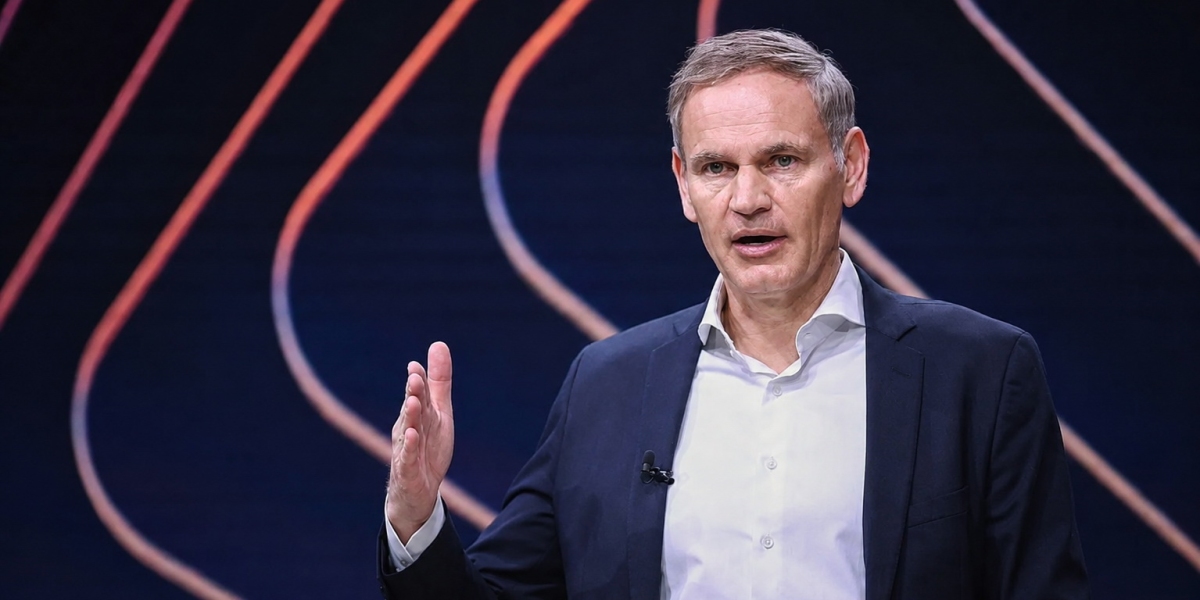
Volkswagen Group CEO Oliver Blume has called on the European Union to consider additional tariffs on Chinese-made plug-in hybrid vehicles, arguing that current trade rules create an uneven playing field as Chinese automakers rapidly gain ground in Europe.
The comments, made during Volkswagen’s first-half earnings call on July 24, mark a notable shift from Blume’s previous position. Two years ago, as the EU launched an anti-subsidy investigation into Chinese electric vehicles, Volkswagen publicly stressed its support for free trade and warned against protectionism. The change reflects a growing concern among European manufacturers: Chinese plug-in hybrids are gaining market share faster than expected.
Chinese Plug-in Hybrids Surge Across Europe
According to Dataforce figures, Chinese brands sold 208,000 plug-in hybrid vehicles in Europe during the first half of the year, lifting their market share to 27.3% and doubling their volume compared with the same period a year earlier.
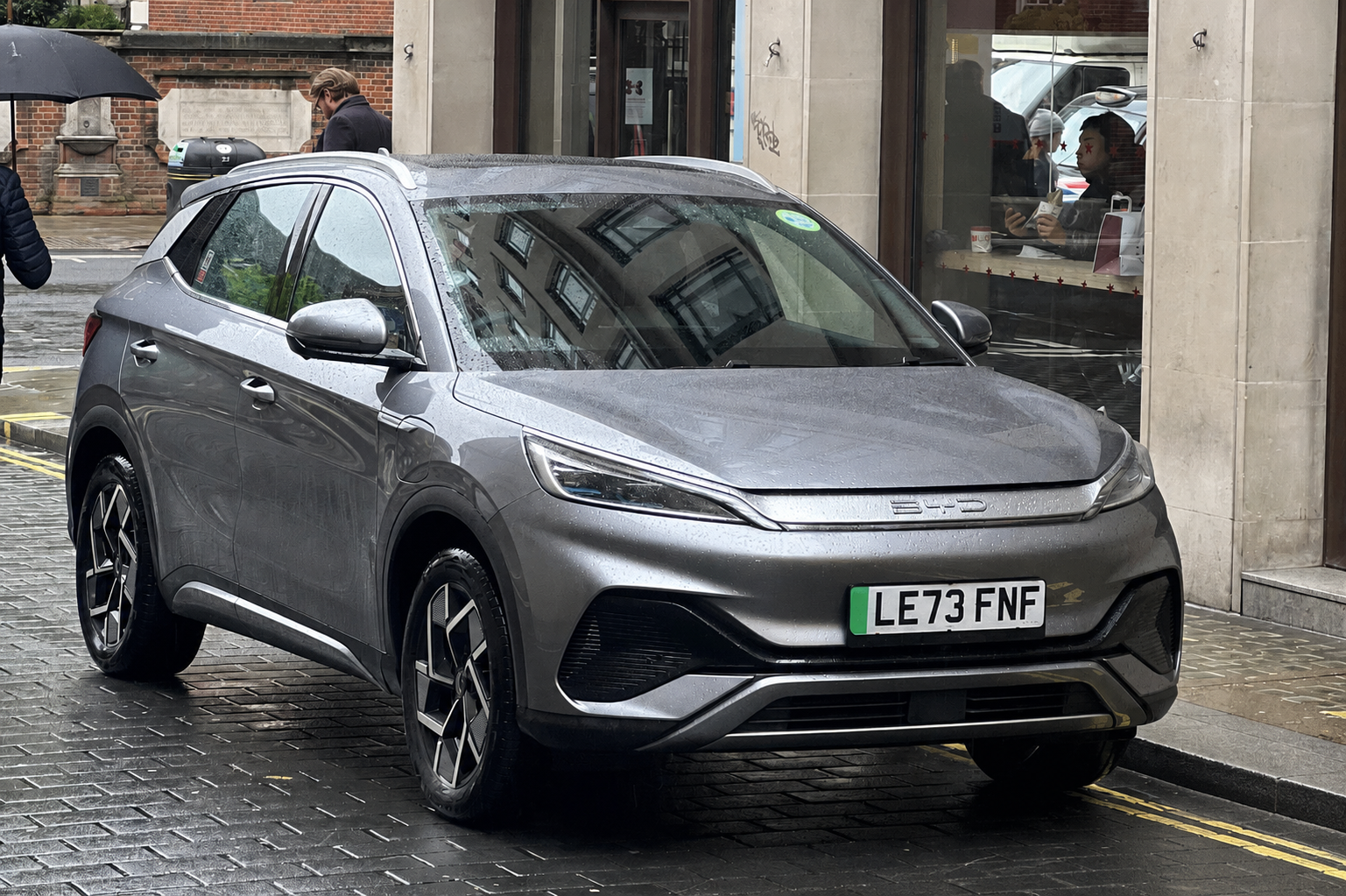
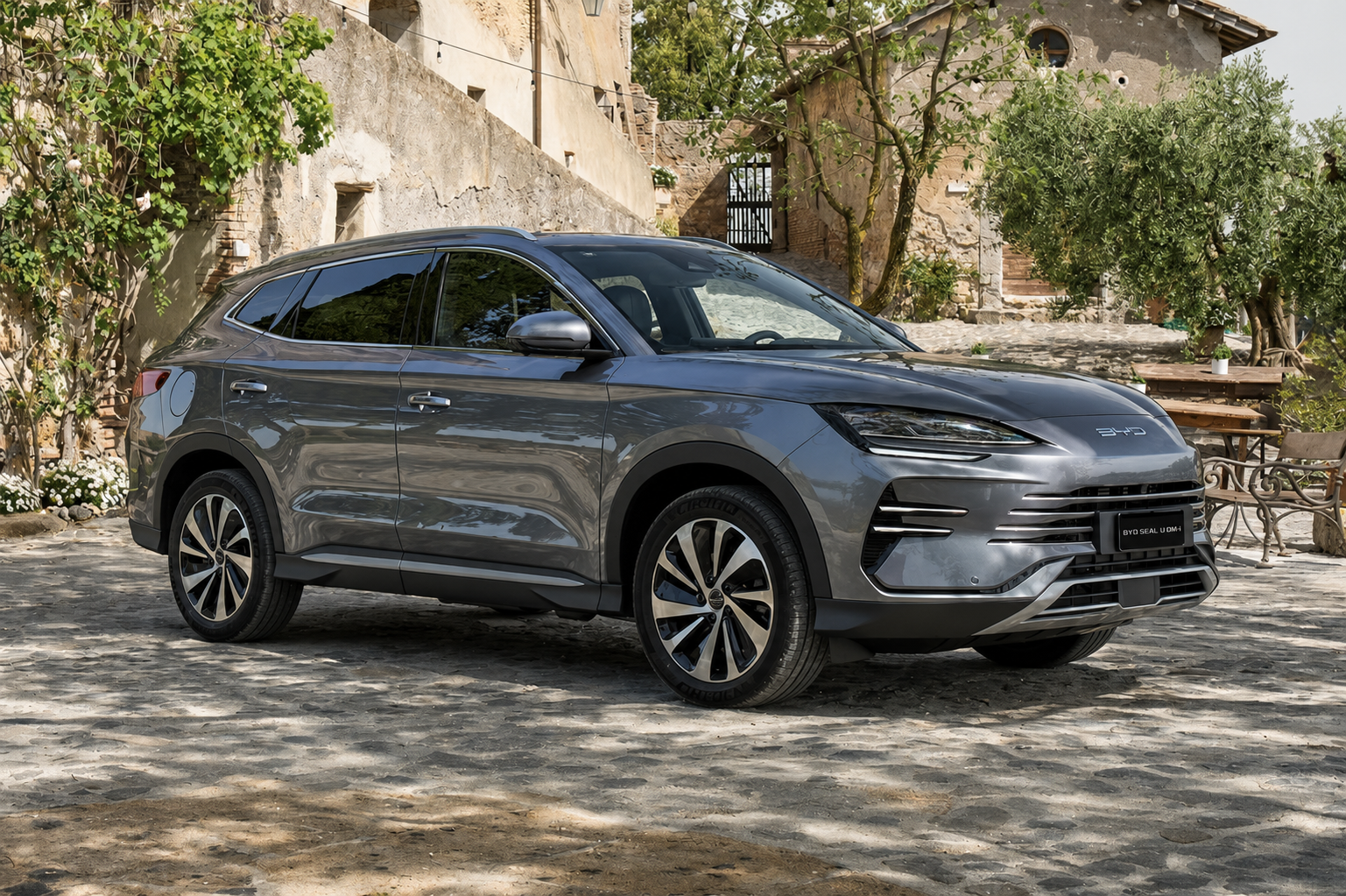
The three best-selling plug-in hybrid models in Europe all came from Chinese brands. BYD’s Seal U ranked first, followed by the BYD Atto 3 and Chery’s Jaecoo 7. Volkswagen’s Tiguan, which led the segment last year, slipped to fourth place.
The momentum accelerated in June, when Chinese brands accounted for 34% of European plug-in hybrid deliveries — meaning roughly one in every three plug-in hybrids sold in the region was produced by a Chinese manufacturer.
Volkswagen Sees a “Tariff Gap”
Blume’s argument is that Europe’s current trade policy treats battery-electric vehicles and plug-in hybrids differently. Chinese electric vehicles already face additional EU tariffs of up to 35% on top of the standard 10% import duty, while plug-in hybrids remain outside the same framework.
He warned that if Europe delays action, consumers may increasingly associate plug-in hybrids with Chinese brands, making it harder for local manufacturers to recover lost market share.
Shortly after the remarks, Volkswagen China clarified that Blume had not explicitly demanded new tariffs, but instead supported a broader evaluation of policy options, including encouraging Chinese automakers to build production facilities in Europe. The company also stressed that any additional duties should not exceed the level applied to pure electric vehicles.
A Defensive Move From a Company Under Pressure
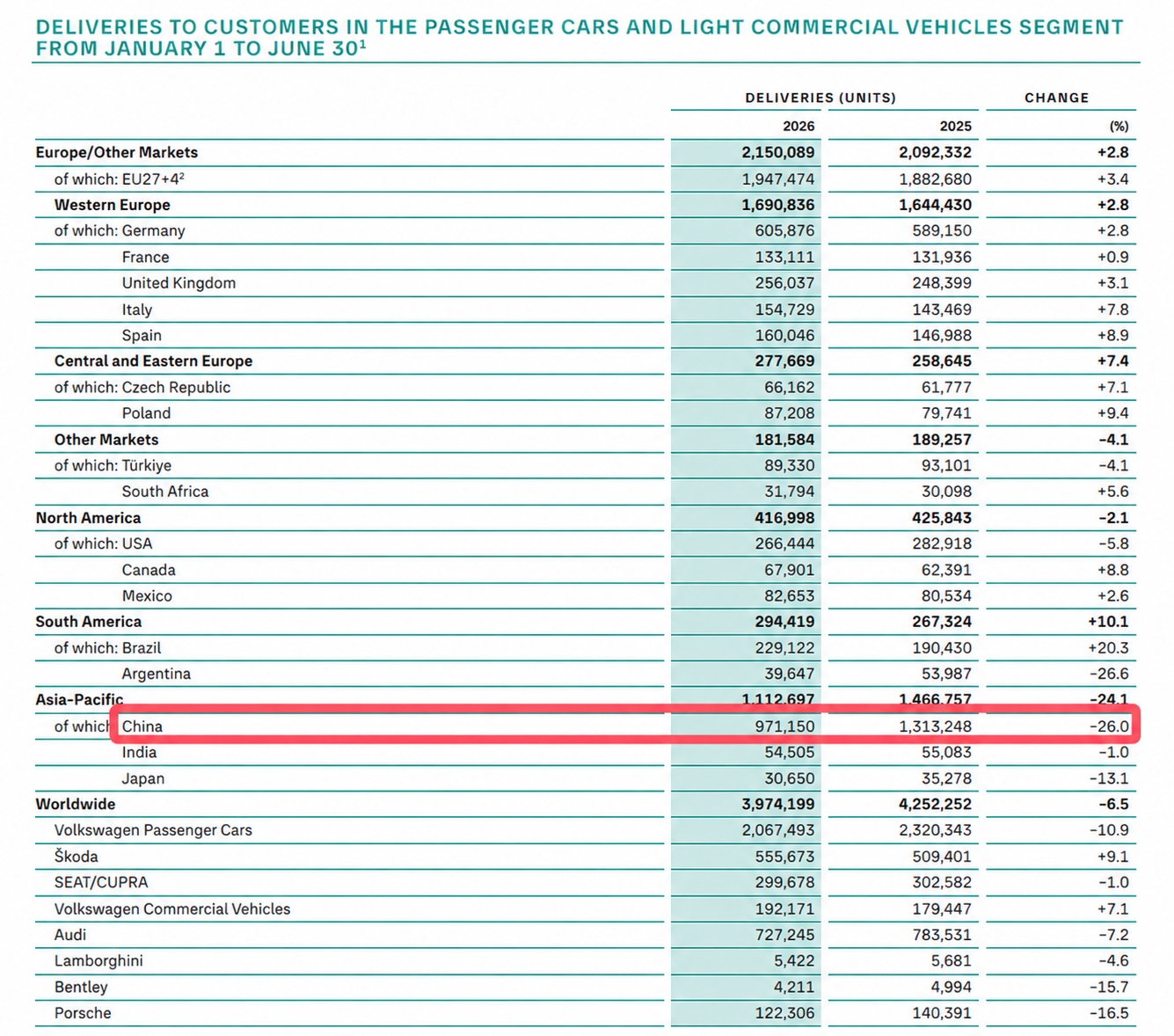
The timing of Volkswagen’s position change reflects the company’s broader challenges. Volkswagen Group reported net profit attributable to shareholders of €2.574 billion in the first half of the year, down 35.73% from a year earlier. Sales in China, its largest single market, fell 26%.
Blume acknowledged that the global automotive industry is facing a crisis affecting all manufacturers. Volkswagen’s internal assessments suggest its manufacturing costs remain significantly higher than some competitors, while the company has announced major workforce reductions and continues to review additional cost-cutting measures.
Tariffs May Buy Time, But Not Close the Technology Gap
The debate highlights a deeper issue facing European automakers. Many European plug-in hybrids still rely on conventional hybrid architectures, offering limited electric range and relatively high fuel consumption when the battery is depleted.
Chinese manufacturers have developed dedicated hybrid platforms with higher thermal efficiency, lower fuel consumption and longer electric-only driving ranges. Some models can travel more than 100 kilometres on electric power and achieve fuel consumption levels closer to dedicated new-energy vehicles.
That technology gap cannot be erased simply through tariffs. Trade barriers may slow the pace of competition, but they do not automatically solve differences in product competitiveness, cost structures or supply chain efficiency.
Europe’s Next Battle Over Hybrid Vehicles
The European Union is preparing to examine whether Chinese plug-in hybrids should face anti-subsidy measures, although no final decision has been made.
At the same time, Chinese automakers including BYD and Geely are expanding local manufacturing footprints in Europe. As more production moves inside the region, the impact of import tariffs could become increasingly limited.
Volkswagen’s shift from defending free trade to calling for stronger trade measures reflects the pressure facing traditional European automakers. Tariffs may provide temporary breathing room, but the larger question remains whether established brands can close the gap in technology, cost and product appeal.