
China is moving to restrict the use of blue exterior indicator lights on passenger cars, raising a broader question for the global auto industry: what happens when vehicle technology advances faster than the rules designed to govern it?
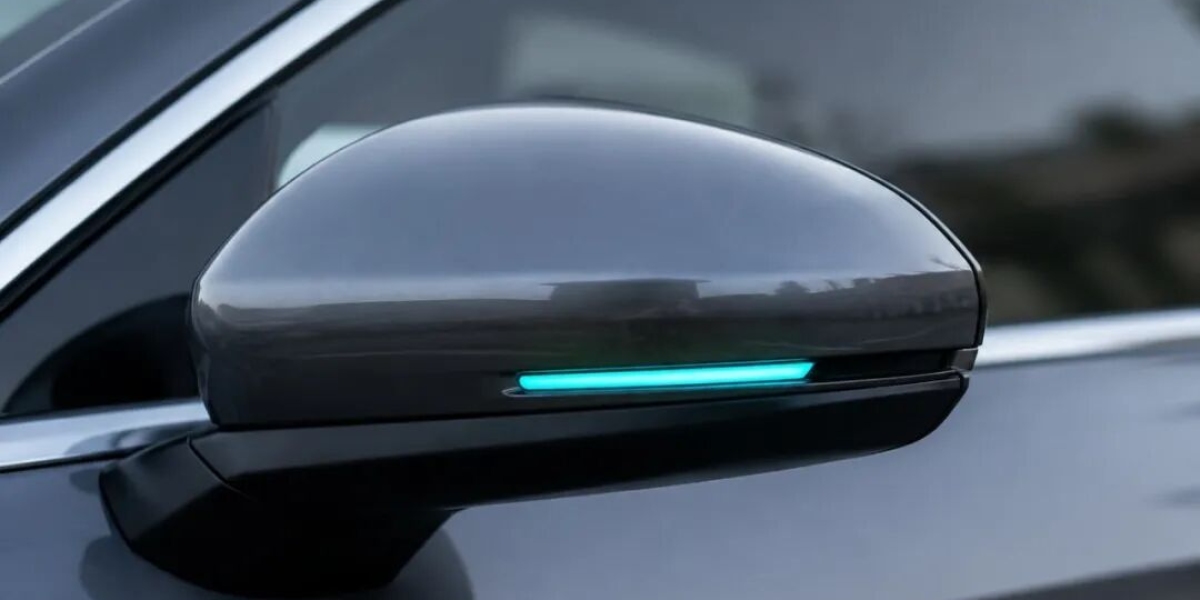
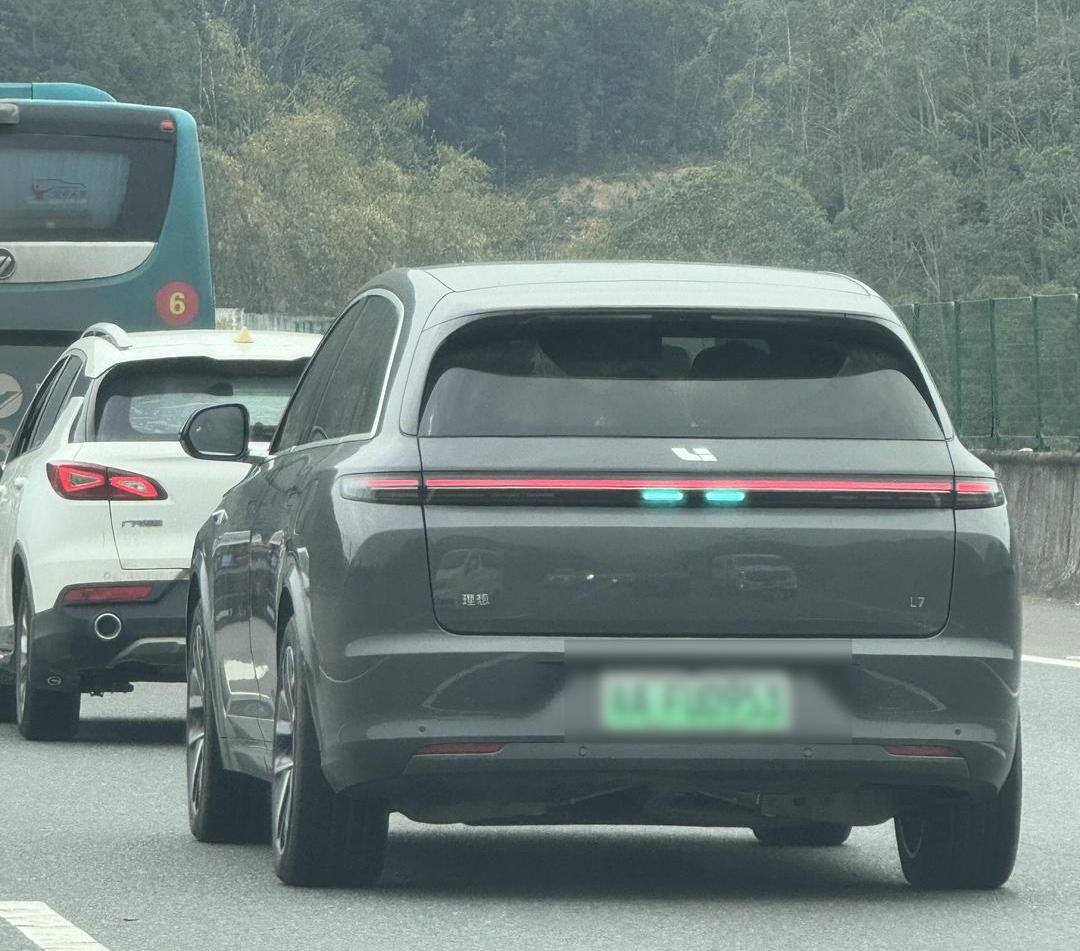
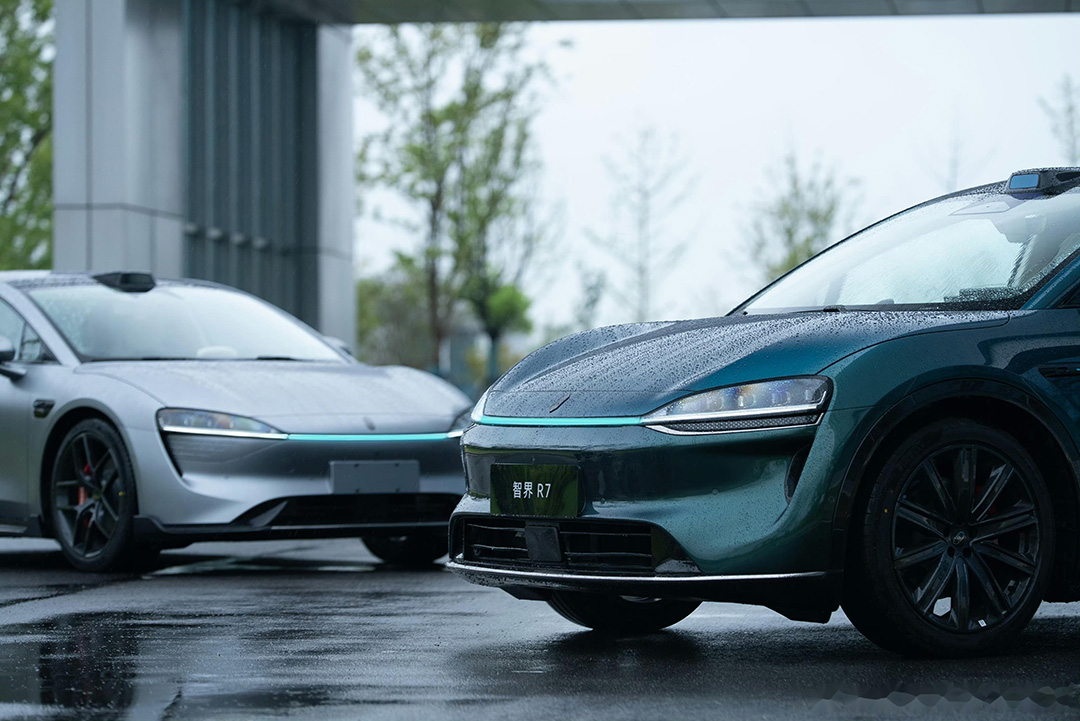
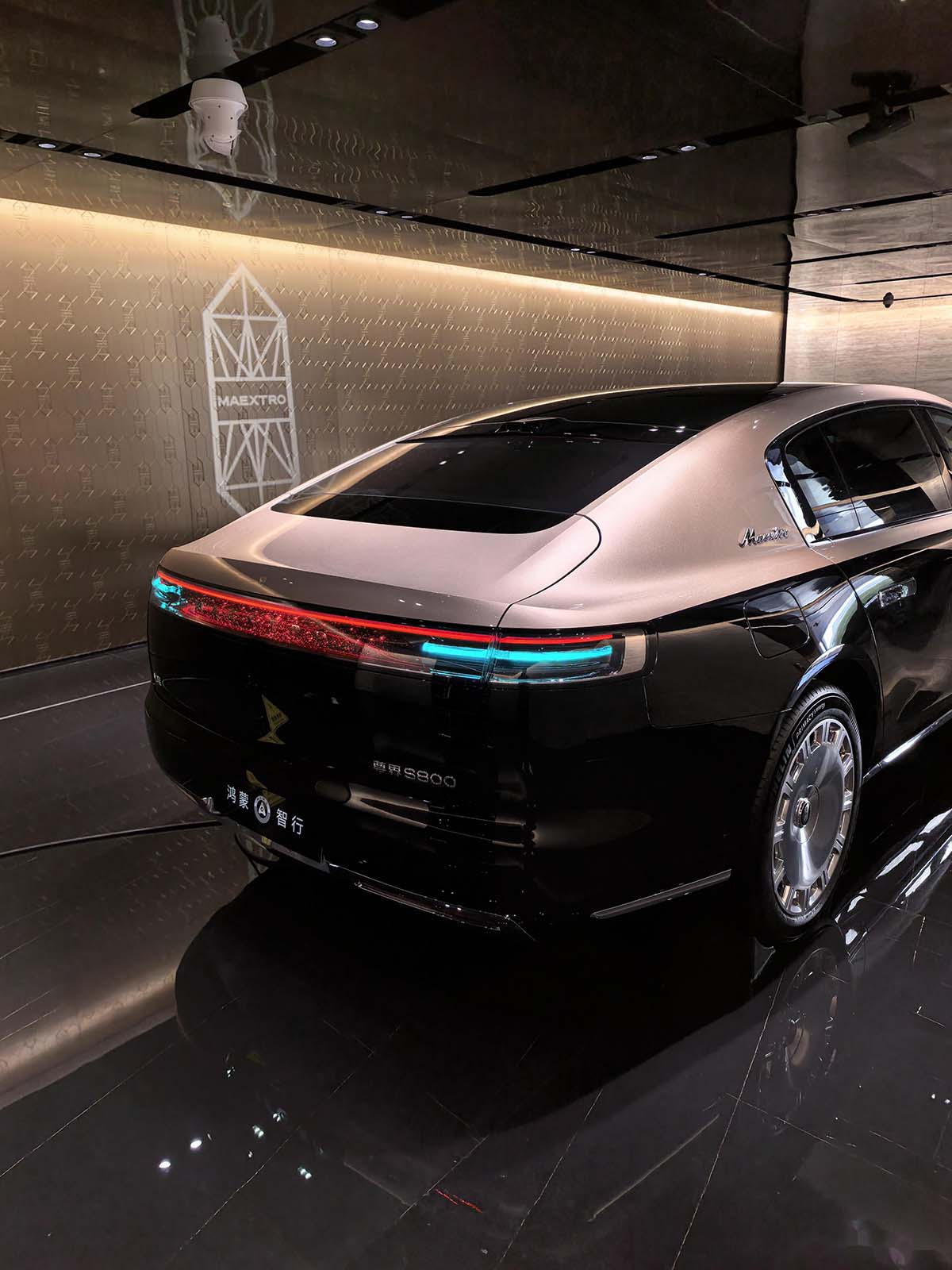
The so-called “blue light” is an external blue indicator fitted by some automakers on the roof, exterior mirrors or rear of a vehicle. It illuminates automatically when an advanced driver-assistance system is activated, giving other road users a visual signal that the vehicle is operating with intelligent-driving functions.
Li Auto was the first automaker in China to introduce the feature, fitting it to the Li L9 in August 2022. In the years since, more than a dozen brands, including Li Auto, Aito, Geely, BYD, XPeng and Nio, have followed suit. Data from industry consultancy showed that 755,000 vehicles in China were equipped with the blue light in the first half of 2025, representing a 7.1% installation rate and a 1,098% year-on-year increase.
A Technology That Has Outrun the Rulebook
The core regulatory issue is China's mandatory national standard GB 4785-2019, which governs the installation of external lighting and light-signalling devices on motor vehicles and trailers.
Under the current standard, permitted exterior light colours for civilian vehicles are limited to white, amber and red. Blue is not included. The standard also defines 26 categories of legally recognised vehicle lights, with no separate category for an external indicator designed to signal the activation of an advanced driver-assistance system.
The regulatory framework had previously considered a different path. A 2021 draft circulated by China's Ministry of Industry and Information Technology proposed a blue-green ADS indicator for vehicles capable of Level 3 automated driving. The provision was ultimately removed in the standard formally issued in 2024.
The implication is significant: regulators have considered the need for an external signal, but the view reflected in the source material is that such a feature should be reserved for vehicles that genuinely reach Level 3 automated-driving capability, rather than being introduced early on Level 2 vehicles.
New Vehicle Certifications Face a July Deadline
According to people inside the auto industry cited in the source material, China will prohibit the blue light on newly certified vehicle models from July 27, 2026. Beginning with the next product-approval filing cycle, known as the 410th batch of product announcements, vehicles equipped with the blue light will not be eligible for product certification filings.
For vehicles that have already been sold, regulators are expected to discuss how they should be handled next.
Automakers Point to Safety Concerns
Several automakers have responded to the move. Geely said it was aware of the development and would strictly follow national regulations.
Ma Lin, vice president of Nio, said the blue lights on some models were “even brighter than the tail lights,” creating potential safety concerns.
Zeng Qinglin, general manager of Yijing Automobile, cited two main reasons for the decision to halt the feature. First, there is no unified standard governing the brightness or flashing patterns of the blue lights, creating potential risks for traffic safety. Second, some drivers may deliberately cut in front of, or drive aggressively around, vehicles displaying the light in an attempt to test the limits of their intelligent-driving systems.
The China Automotive Standardization Research Institute has also warned that blue lights activated at night could cause glare for other road users. Vehicles fitted with the indicators may also attract closer following or deliberate cut-ins from other drivers, potentially increasing risks on the road.
The Bigger Question: Who Sets the Rules for Intelligent Driving?
The debate over the blue light goes beyond a single lighting device. It highlights a wider challenge facing the automotive industry as advanced driver-assistance systems become increasingly visible on public roads.
Automakers have sought to create a simple visual language that tells other road users when a vehicle's automated-driving functions are active. But without common standards governing colour, brightness, flashing frequency and the precise meaning of the signal, the same feature intended to improve transparency can create new confusion and safety risks.
The issue also exposes the gap between Level 2 driver assistance and Level 3 automated driving. While Level 2 systems can assist with driving tasks, the human driver remains responsible for monitoring the road. Level 3 systems represent a different regulatory and operational threshold, with the automated system assuming responsibility under defined conditions.
China's National Technical Committee of Auto Standardization is currently working on revisions to GB 4785. That process could eventually provide a more formal regulatory framework for external signals associated with automated driving.
A Step Back for Smart Cars — or a Necessary Reset?
The disappearance of the blue light may not necessarily be a setback for intelligent vehicles. It may instead mark a transition point as the industry moves from rapid technology deployment toward a more standardised model of public-road operation.
The broader lesson is that the maturation of intelligent vehicles requires more than technological breakthroughs. It also requires regulators, automakers and road users to develop a common set of rules and expectations around how increasingly automated vehicles should behave — and how they should communicate with the people sharing the road.