
BYD's decision to end its limited-time fixed-price policy from July 1, 2025 has become a symbolic moment in China's long-running auto price war.
A leading player changes the tone
After months of aggressive discounts across the industry, one of the market's strongest players appears to be stepping back from the most visible form of low-price competition.
The change comes as several automakers, including BYD, Geely, Deepal and Arcfox, signalled new purchase policies and the expiry of earlier quotation schemes. Tesla also adjusted some models upward, while the phrase "fixed price" largely disappeared from mainstream automaker marketing at the start of July.
Whether the move was driven by regulatory pressure, internal strategy or both, the result is significant. It suggests that government departments, industry associations and leading automakers have made at least partial progress in curbing destructive involution.
Why BYD is stepping back
BYD's discontinued fixed-price campaign covered 22 intelligent-driving versions across its Dynasty and Ocean networks. The company's earlier discounting helped drive volume, but by 2025 the benefit appeared to be weakening.
From January to May 2025, BYD sold 1.7634mn vehicles, completing only 32 per cent of its annual 5.5mn-unit target. That does not mean BYD is weak; it means even China's dominant new-energy automaker faces diminishing returns from repeated price cuts.
The broader policy environment also matters. In early June, China's industry, development and market-regulation authorities reportedly held joint talks with executives from 17 major domestic automakers, urging compliance with price, anti-unfair-competition and product-quality laws and warning against destructive price wars.
Automakers then issued commitments to shorten supplier payment terms to within 60 days. GAC Group and its brands also promised to settle dealer rebates within two months to ease dealer cash-flow pressure. BYD's move fits that wider push toward a healthier industry order.
Price wars have reached their limit
The article argues that price wars are not inherently wrong. The problem is unlimited price cutting that companies cannot sustain. In recent years, heavy discounts have pushed some automakers into quality shortcuts, excessive equipment stacking, exaggerated assisted-driving claims and weaker profitability.
The damage spreads across the chain. Automakers lose margin and research capacity. Dealers face unstable pricing and inventory pressure. Suppliers are squeezed. Consumers may delay purchases because they expect the next round of discounts.
Once lower prices stop converting into enough additional sales, the logic changes. Automakers need to compete through value, technology, service and brand trust rather than only through cheaper transaction prices.
The policy direction has been building
BYD's move did not appear out of nowhere. In July 2024, China's top political leadership called for stronger industry self-discipline and prevention of destructive involution. In December 2024, the Central Economic Work Conference again called for comprehensive action against involution-style competition. During the March 2025 national political meetings, Premier Li Qiang raised the same issue in the government work report.
By March 2025, officials from the National Development and Reform Commission, the Ministry of Industry and Information Technology and the state-owned assets regulator were publicly calling for action against disorderly competition in the EV industry.
The message has been consistent: companies should compete on technology, quality, experience and service rather than pushing prices below healthy levels.
Will others follow?
BYD's leadership position makes the move more important than an ordinary pricing adjustment. When a market leader cuts prices, rivals often follow. If a market leader steps back, others may also find room to reduce destructive discounting.
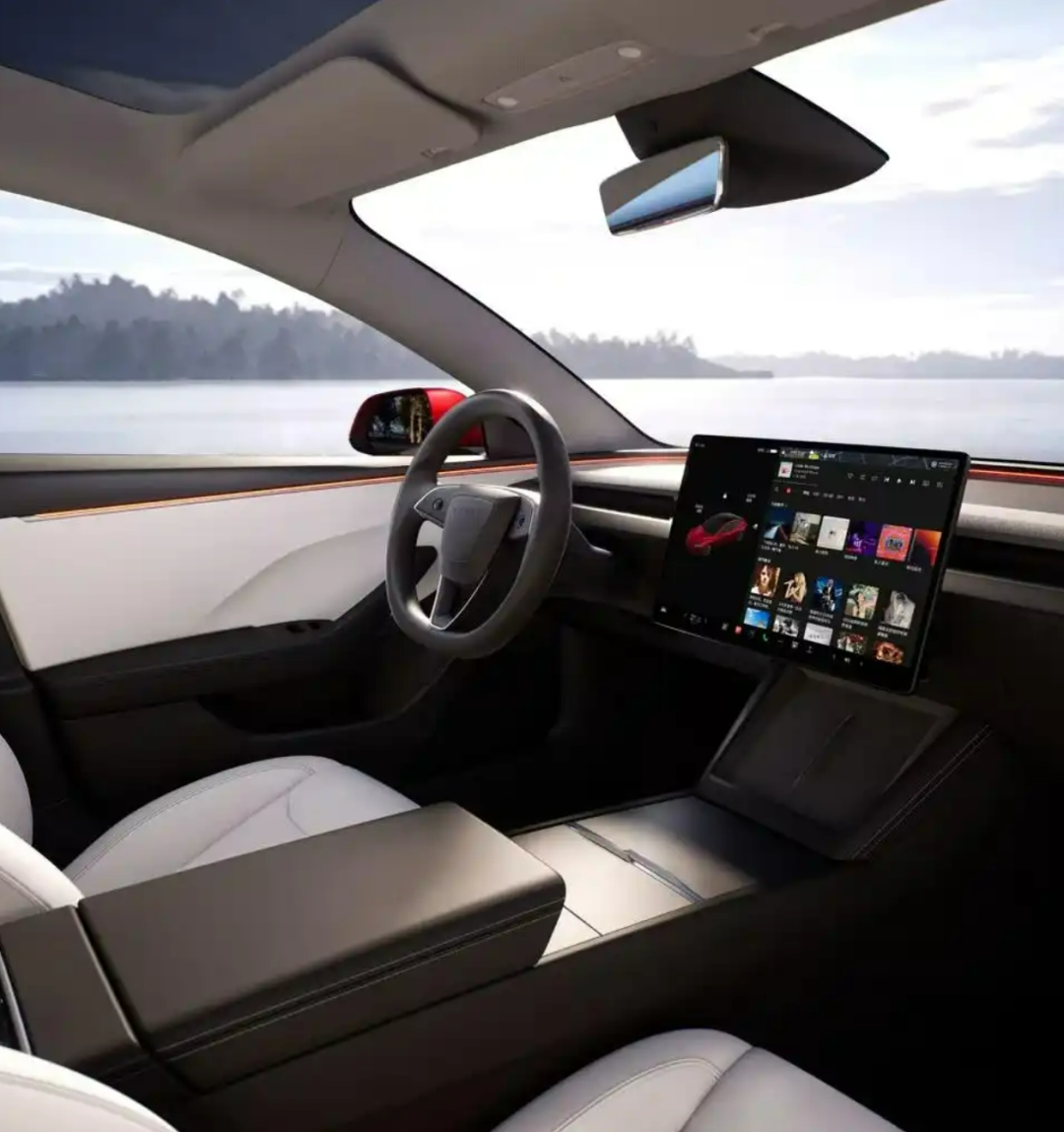
Brands such as Deepal and Arcfox were already circulating messages about policy changes, according to the article. Tesla announced on July 1 that long-range versions of Model 3 and Model Y would be upgraded, with Model 3 Long Range receiving a standard acceleration package that cuts zero-to-100kph time from 4.4 seconds to 3.8 seconds and raises the price by about $1,000.
The positive scenario is that Chinese EV pricing becomes more rational, allowing companies to rebuild margins and invest more steadily in technology. The risk is that buyers, trained by repeated discounts, may wait for the next promotion cycle. Dealers also lose a simple sales tool when fixed-price discounts end.
That transition could be painful. Consumers may delay purchases, dealers may face weaker short-term traffic and automakers may have to rebuild sales around product value rather than price urgency.
A shift from price war to value war
BYD's cancellation of fixed pricing does not mean China's auto competition is ending. It means the form of competition may be changing. The companies that survive the next phase will need stronger technology, better ecosystems, more disciplined channels and enough cost control to offer value without destroying profitability.
The price war has lasted too long to end overnight. Yet if leading automakers begin to compete more responsibly, market order could gradually improve. The next stage will show which companies have real strategic strength once price cuts are no longer the easiest answer.