
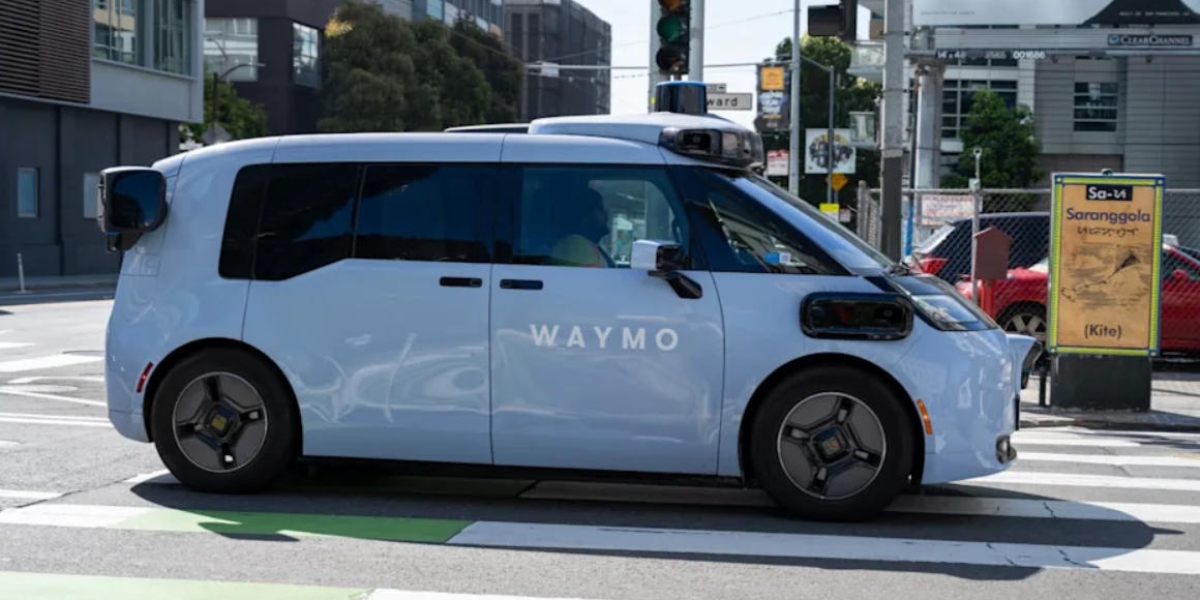
America’s trade barriers have kept Chinese electric vehicles out of showrooms. They have done less to stop Alphabet’s Waymo from importing them for one of the country’s ambitious autonomous-driving fleets.
More than 3,200 Zeekr-built electric vans have arrived through the Port of Los Angeles since 2024, according to US customs shipping records compiled by trade-data specialist ImportGenius. Over 2,600 were shipped during 2026 alone.
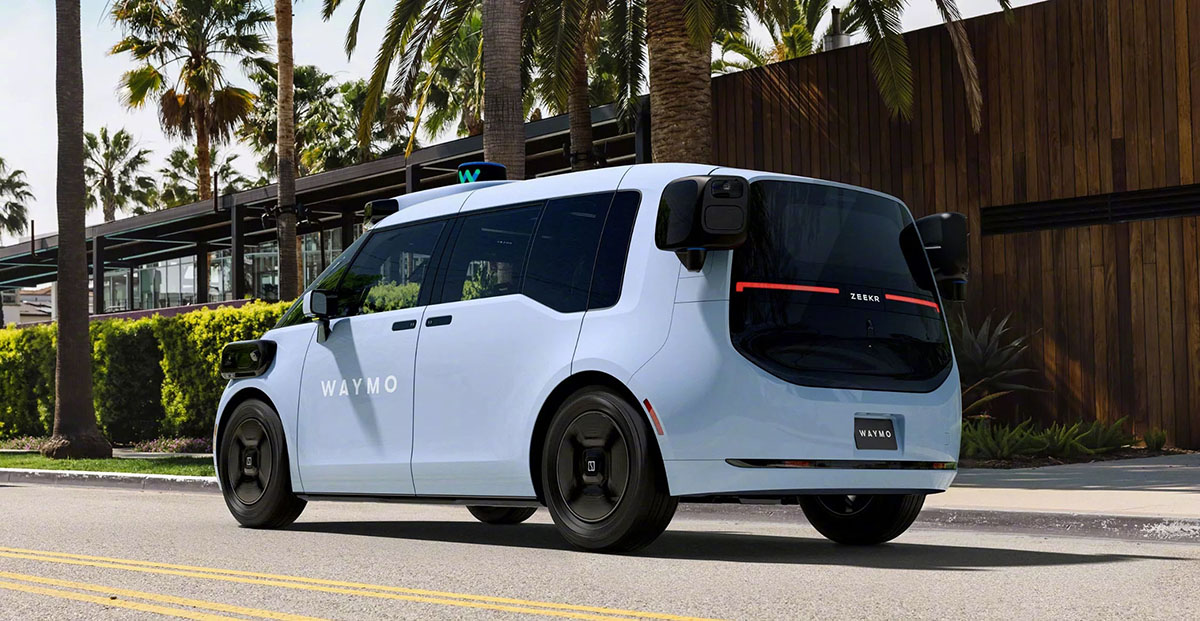
The vehicles are known internally by Zeekr as the CM1e and have been renamed Ojai by Waymo. They form the basis of the company’s latest purpose-built robotaxi, combining a China-made electric platform with autonomous-driving hardware and software developed and installed in the United States.
The scale of the imports is striking because Chinese-built EVs face tariffs of as much as 127.5% in the US. That burden has made direct consumer sales commercially unattractive, yet it has not ended a partnership that Waymo and Geely-owned Zeekr began years before Washington sharply increased duties on Chinese electric cars.

A Fleet Much Larger Than Expected
When Waymo began introducing the Ojai to riders in May, it said more than 100 vehicles were on the road. Analysts had widely assumed the eventual fleet would remain below 1,000 because of the tariff bill.
The shipping data points to a much larger commitment. ImportGenius describes the 3,200-unit total as a minimum based on customs documents identifying either Zeekr or the vehicle model. Waymo is not listed as the consignee in those records, but Zeekr has no other known US customer for the CM1e.
Waymo has not confirmed the full import figure or disclosed the price it pays. The company said in early August that more than 300 Ojais were already serving early-access riders in San Francisco, Los Angeles and Phoenix, with the vehicle expected to play a significant role in its expansion.
The gap between the number imported and the number carrying passengers suggests that many vehicles are still awaiting integration, validation or deployment. It also gives Waymo a substantial pipeline as it works towards a target of one million paid rides a week by the end of 2026.
The Tariff Calculation Is More Complicated Than It Looks
At the CM1e’s estimated Chinese-market price of about $39,000, a 127.5% tariff would lift the vehicle cost to nearly $89,000 before autonomous-driving equipment and US integration. Waymo has said its sixth-generation hardware is about 50% cheaper than the fifth-generation system fitted to its Jaguar I-Pace fleet, although it has not disclosed an exact figure.
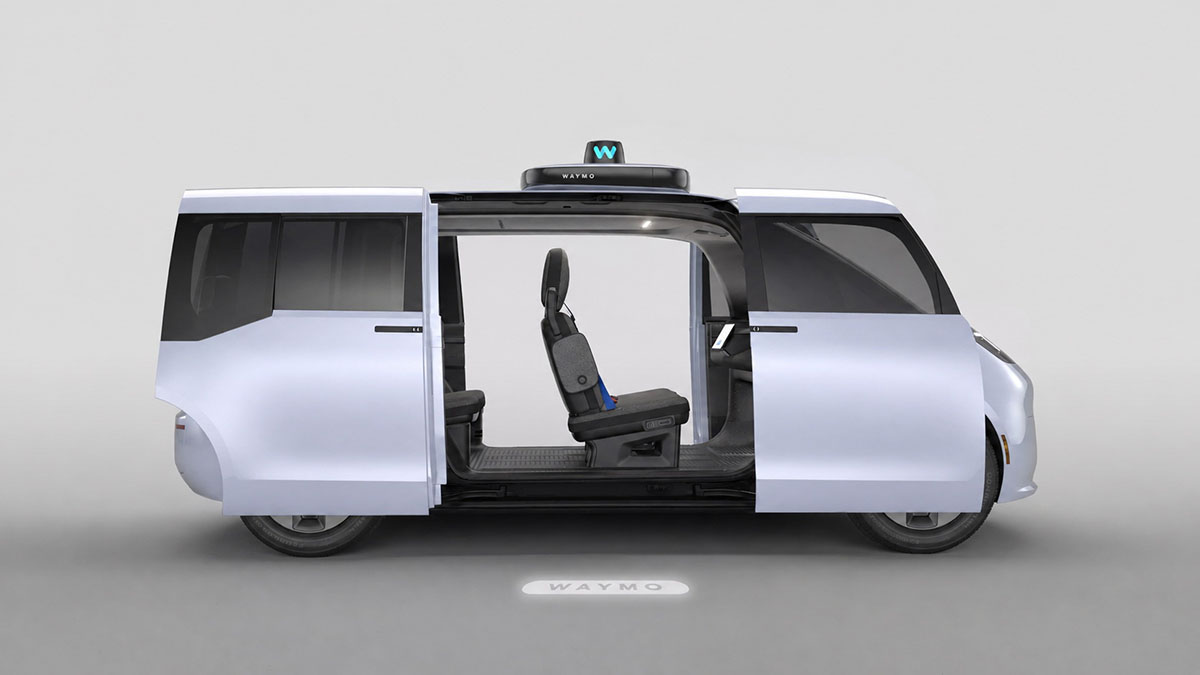
Even on those assumptions, the Ojai may still make strategic sense. The Jaguar I-Pace is no longer in production, while the Zeekr was designed from the outset around autonomous ride-hailing. Its flat floor, low step, sliding doors and spacious four-passenger cabin make it better suited to intensive commercial service than a converted premium SUV.
Waymo may also be paying substantially less than the vehicle’s estimated Chinese retail value. A large fleet order, Zeekr’s available manufacturing capacity and the importance of the programme to both companies could support a sizable discount. Neither side has disclosed its commercial terms.
The alternative is not cost-free. Waymo has spent years engineering its latest hardware stack around the Ojai platform. Abandoning the programme after tariffs rose would require it to redesign and validate the system for another vehicle, adding expense and potentially delaying expansion.
Chinese Hardware, American Intelligence
The arrangement also shows how companies are adapting to US restrictions on connected vehicles from China. The Zeekr vans are shipped without the sensors, computing equipment or software that collect data and control autonomous operation.
Waymo installs its own cameras, lidar, radar, computers and software at a factory in Mesa, Arizona. The company describes the imported vehicles as stripped-down and disconnected platforms, with the technology that makes them autonomous developed in the US.
The Ojai is the first vehicle to use Waymo’s sixth-generation Driver system. It operates with 13 cameras, five lidar units and six radar sensors, fewer components than the previous generation but with greater capability and a lower projected hardware cost. Waymo says the system is designed to support a wider range of weather conditions, including snow.
Tariffs Have Changed the Deal, Not Ended It
For private buyers, a 127.5% tariff largely closes the US market to Chinese EVs. For a robotaxi operator, the calculation is different. The vehicle is one part of a revenue-generating system, and purchase price must be weighed against integration costs, passenger capacity, maintenance, vehicle availability and the expense of switching platforms.
Waymo is also preparing to add Hyundai Ioniq 5 vehicles assembled in Georgia, giving it a US-built platform alongside the Zeekr. Yet the volume of Ojai imports indicates that the Chinese-made van is not merely a temporary experiment.
The result is an unusual division of labour: Zeekr supplies the electric architecture and purpose-built cabin from China, while Waymo adds the autonomous system in Arizona and controls the service in American cities. It is less a conventional Chinese vehicle import than a cross-border industrial platform assembled around two companies’ respective strengths.
Washington’s tariffs have unquestionably raised Waymo’s costs. What they have not done is erase the manufacturing economics, specialised design and sunk engineering investment behind the Zeekr partnership. The 3,200 vehicles shipped to California suggest that, for now, those advantages remain powerful enough to survive one of the world’s highest automotive trade barriers.