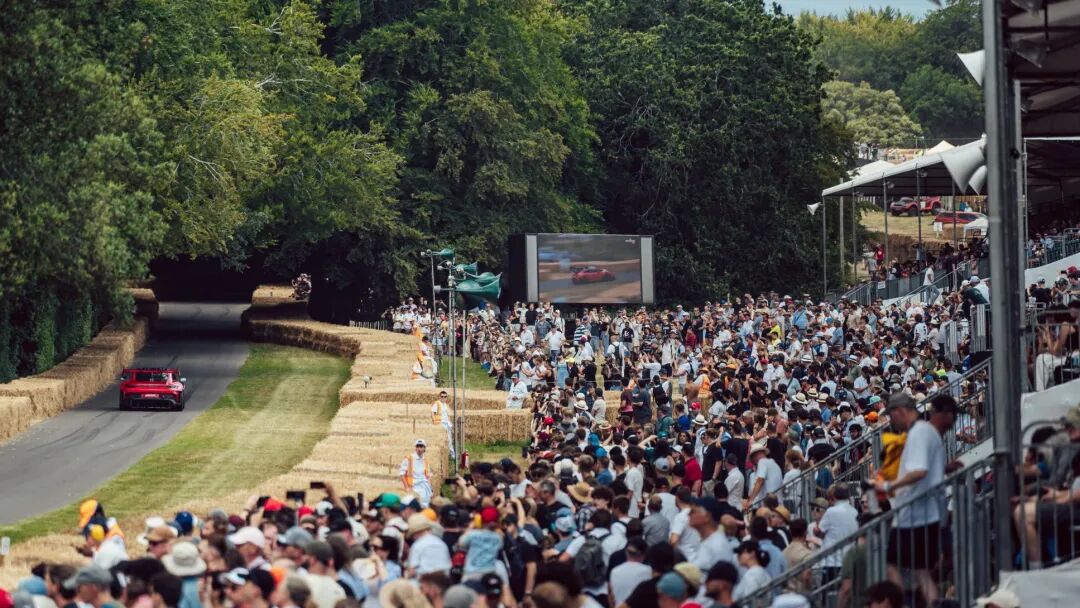
Goodwood has long been a stage reserved for the world’s most prestigious automotive names, from historic British luxury marques to million-dollar supercars.
At the 2026 Goodwood Festival of Speed, the spotlight shifted toward a new contender: BYD, the Chinese electric vehicle maker that is increasingly positioning itself as a global technology and premium brand rather than simply an exporter of affordable cars.
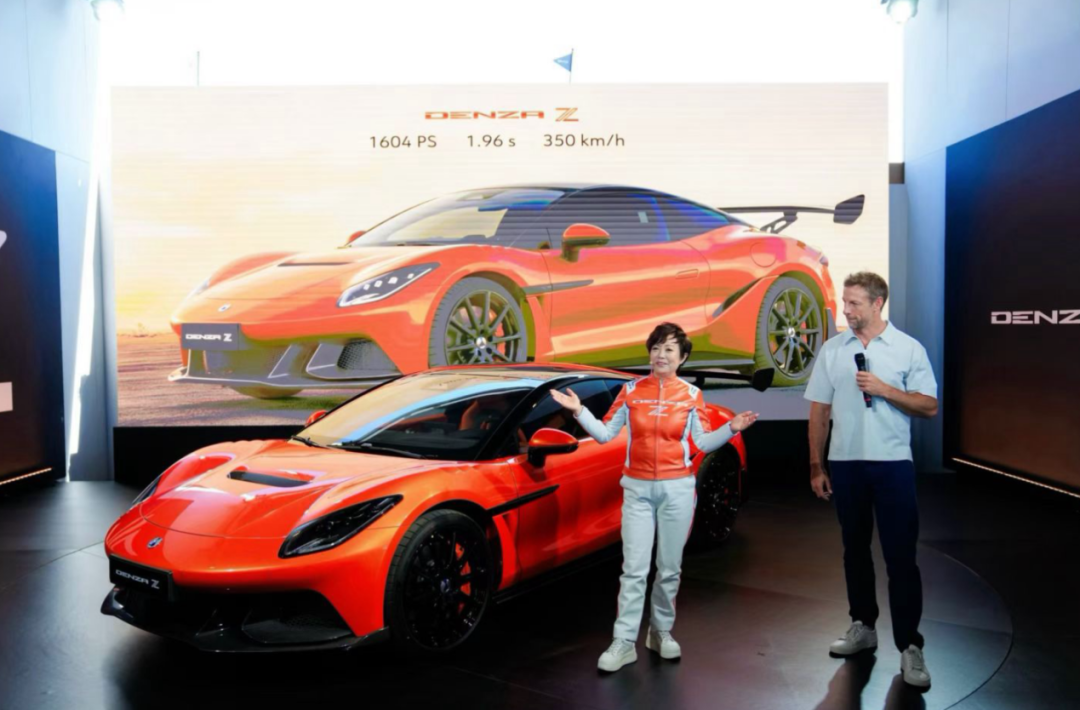
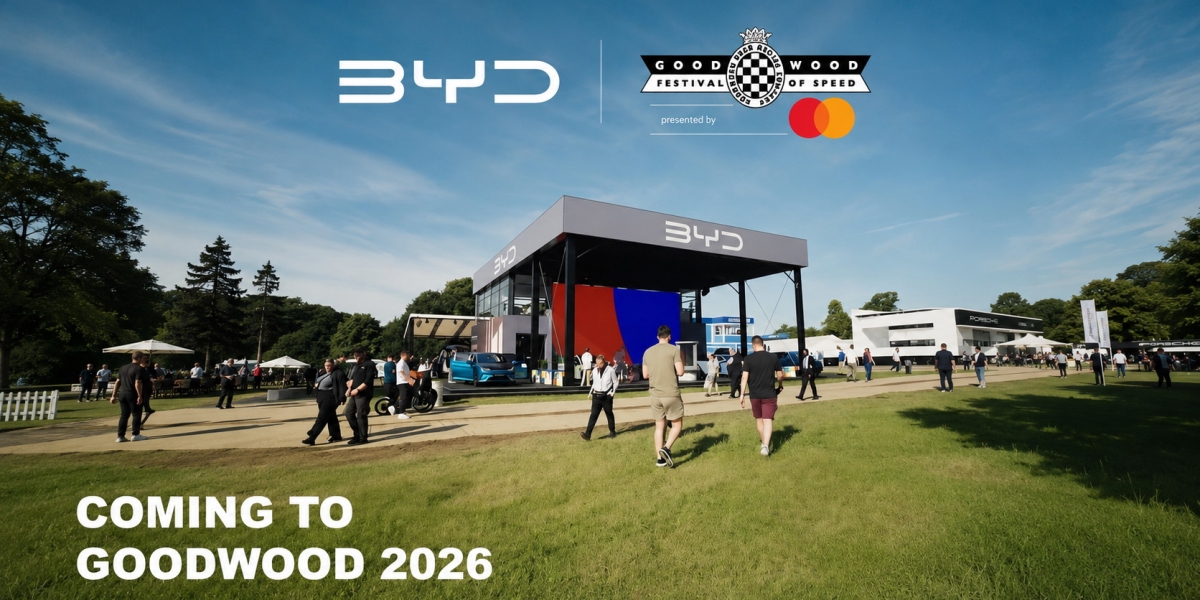
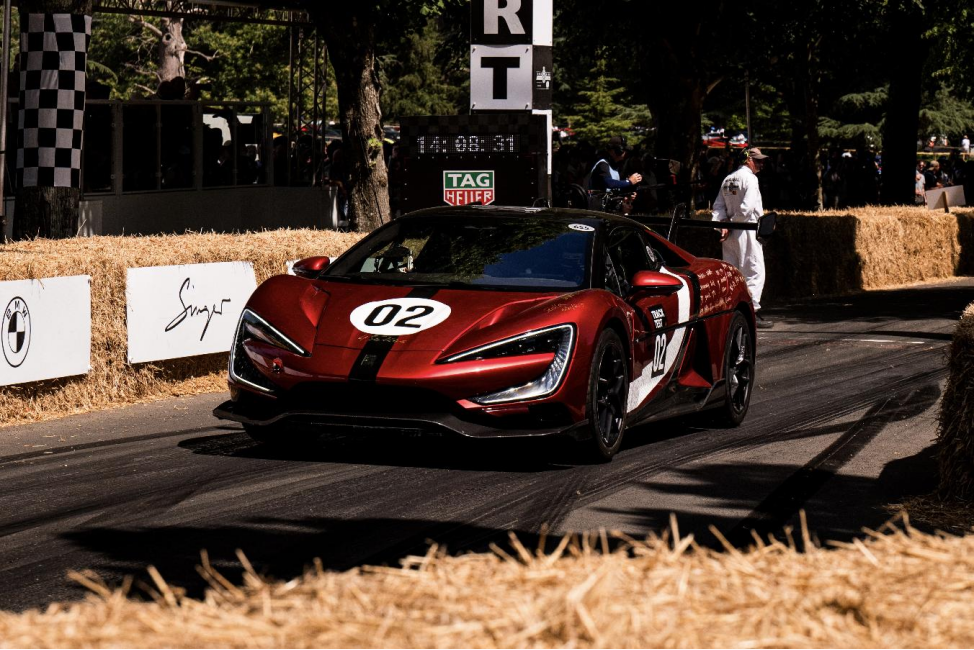
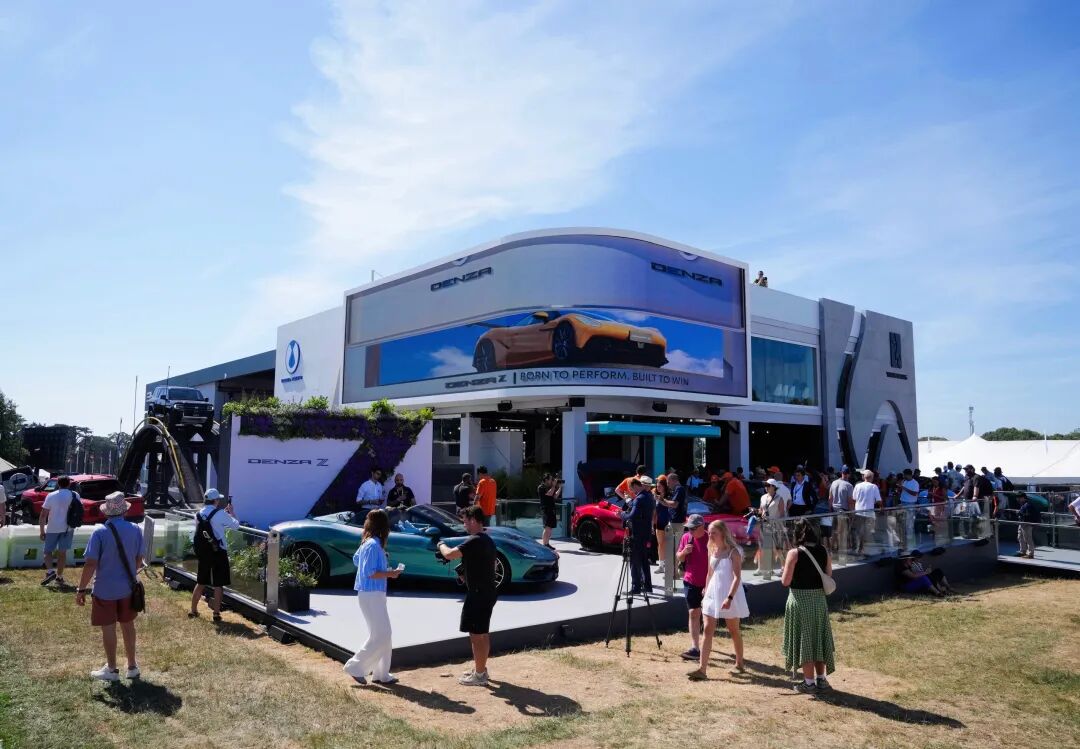
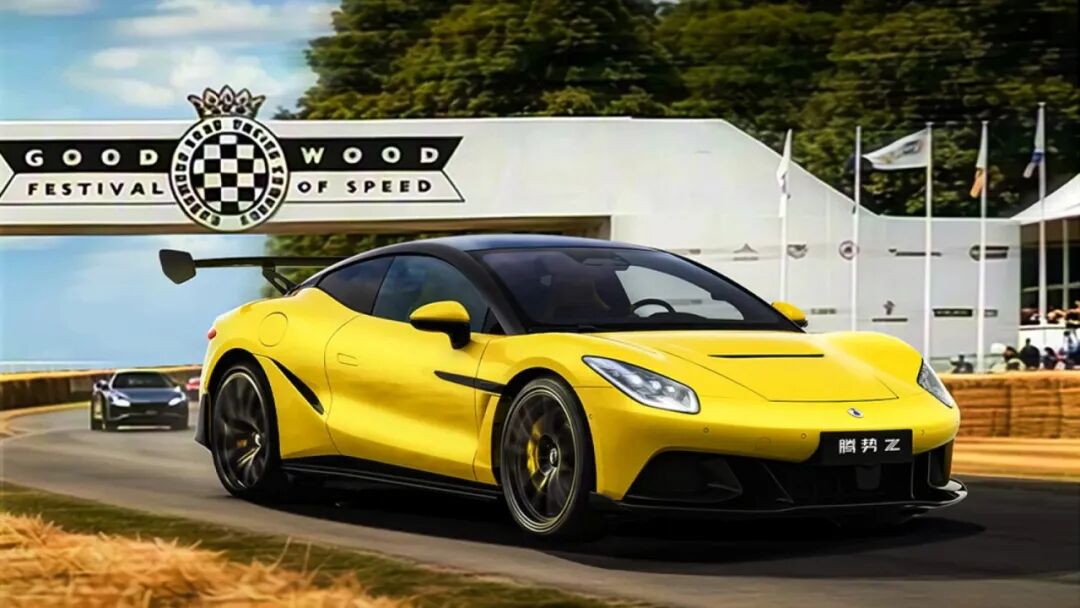
Returning to the event for the third consecutive year, BYD arrived with its largest presence yet. The company occupied a 1,616-square-meter exhibition space, the biggest display area in the festival’s 33-year history, bringing together its three major brands for the first time. Eight new models made their European debut, including the global unveiling of the Denza Z, while flagship vehicles such as the Yangwang U9 and U8 tackled Goodwood’s iconic hill climb alongside some of the world’s most celebrated performance cars.
The appearance represented more than a product showcase. It marked a strategic shift in BYD’s European expansion: moving from gaining market share through competitive pricing to building recognition among consumers who traditionally associate performance and luxury with established Western brands.
From London Electric Buses to Europe’s Fastest-Growing EV Challenger
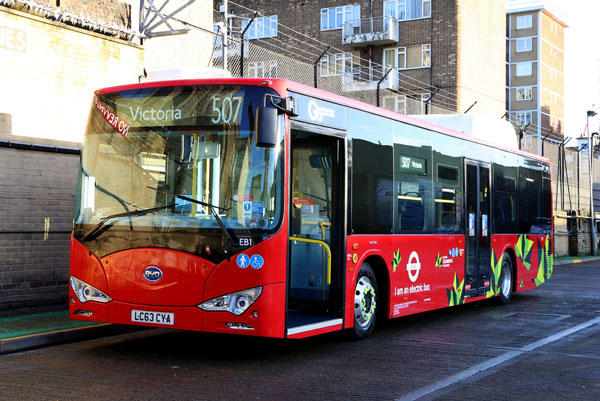
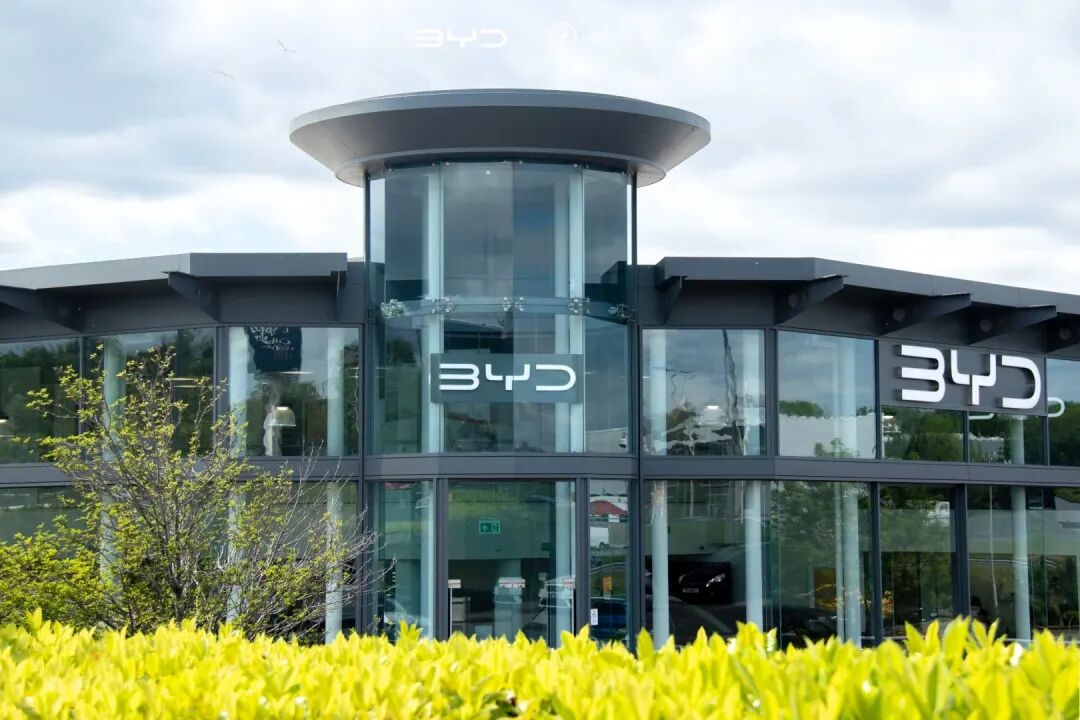
BYD’s relationship with the UK market began more than a decade before its passenger car ambitions. In 2013, the company introduced its K9 electric buses to London, supplying vehicles for some of the city’s busiest routes. The move became BYD’s first major foothold in Europe and helped establish the company’s reputation as an electric mobility provider.
By the end of 2017, BYD electric buses accounted for more than 90% of London’s electric bus market. The commercial vehicle business gave the company valuable experience in local operations, regulations and customer expectations — knowledge that later supported its passenger vehicle expansion.
When BYD entered the UK passenger car market in 2023, brand awareness among local consumers was limited. Yet growth accelerated rapidly. In 2025, BYD sold 51,422 vehicles in the UK, surpassing Tesla’s 45,513 deliveries. During the first four months of 2026, BYD sold 26,396 new energy vehicles in the market, up 124% year on year, with its pure electric models taking more than 7% of the UK BEV market and overtaking brands including BMW, Tesla and Volkswagen.
The transformation happened within just three years. BYD expanded its UK dealer network from zero to 125 locations by the end of 2025, while its product range grew from a small selection of models into a broad lineup covering affordable compact EVs, SUVs, plug-in hybrids and performance vehicles.
Why Goodwood Matters in BYD’s Premium Brand Strategy
BYD’s decision to unveil the Denza Z at Goodwood was a deliberate attempt to enter a different conversation. The company is no longer competing only on electric vehicle affordability; it is seeking recognition in the same cultural space occupied by Porsche, Aston Martin and other performance-focused manufacturers.
The UK has a unique role in this strategy. While BYD’s European manufacturing ambitions are centered on Hungary, Britain remains one of the world’s most influential automotive markets from a brand perspective. Rolls-Royce, Bentley and Aston Martin were all shaped by British automotive heritage, and Goodwood has become one of the industry’s most important gatherings for luxury and performance vehicles.
By choosing Goodwood as the global debut location for the Denza Z, BYD placed itself directly in front of some of the world’s most demanding enthusiasts and collectors. For a company attempting to move beyond its image as a value-focused EV manufacturer, cultural acceptance is as important as technical capability.
Manufacturing Efficiency Meets Brand Ambition
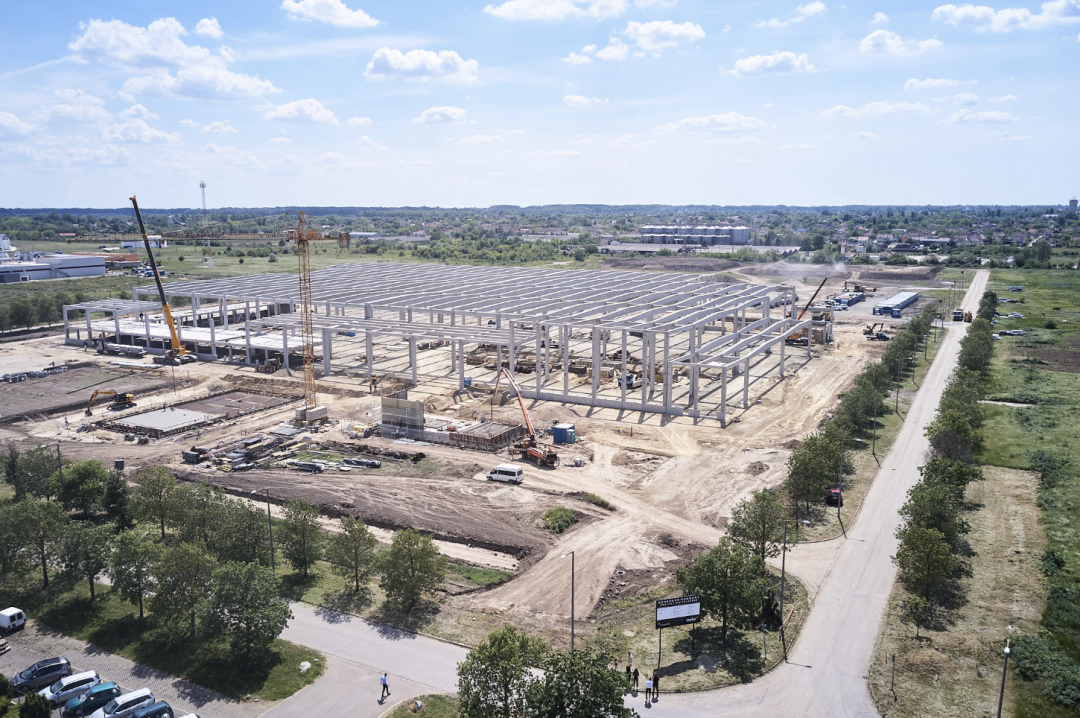
BYD’s European strategy combines manufacturing expansion with brand building. The company’s first European passenger vehicle factory in Szeged, Hungary, is designed to strengthen local production capabilities and support future growth across the continent.
The Hungarian facility is expected to begin vehicle assembly in the fourth quarter of 2026, with the first production model targeting Europe’s mainstream compact EV segment. Lower manufacturing costs, access to skilled labour and a relatively supportive investment environment make Hungary a practical base for European production.
But manufacturing competitiveness alone cannot create a premium automotive brand. BYD’s UK strategy addresses a different challenge: perception. The company aims to use Britain’s automotive culture as a platform to demonstrate that Chinese EV technology can compete not only on efficiency and price, but also on performance and prestige.
Technology Becomes BYD’s Argument for Premium Positioning
The Denza Z represents BYD’s attempt to translate its engineering capabilities into a high-performance image. Built on the company’s dedicated e-platform for sports vehicles, the model features a tri-motor setup producing 1,604 horsepower and 1,240 Nm of peak torque.
The hardtop version accelerates from 0 to 100 km/h in 2.25 seconds, while the track-focused variant improves that figure to 1.96 seconds and reaches a top speed of 350 km/h. BYD plans to challenge production car lap records at the Nürburgring Nordschleife, one of the world’s toughest proving grounds for performance vehicles.
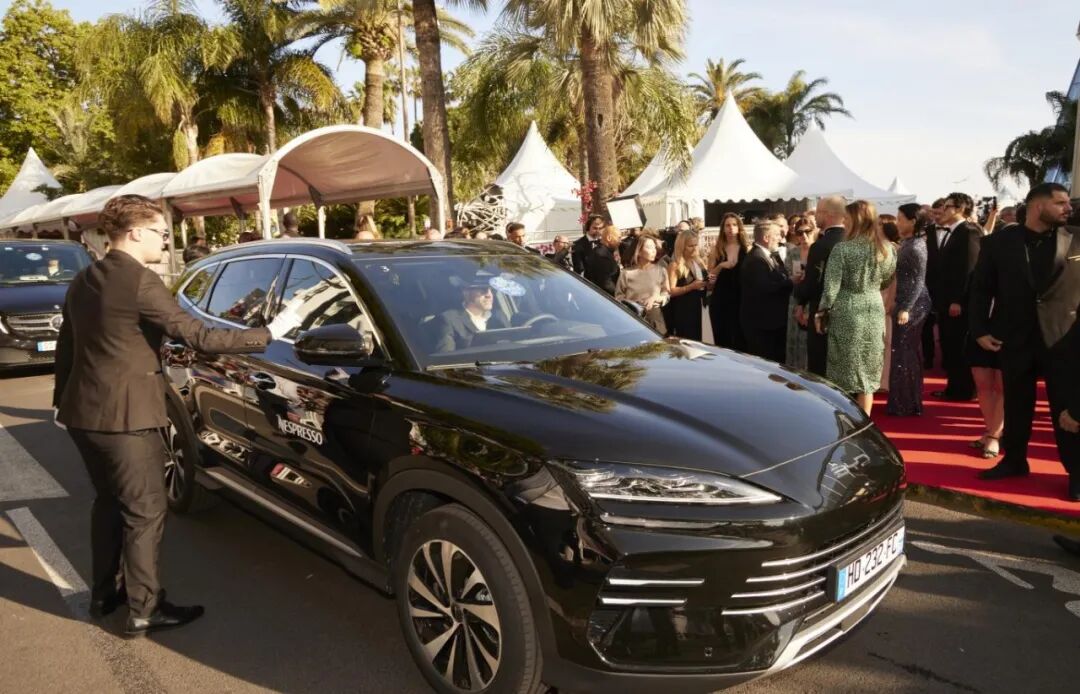
The pricing strategy also highlights BYD’s ambition. The Denza Z hardtop starts at £142,900 in the UK, positioned slightly below the Porsche 911 Carrera GTS while offering significantly higher power output. The message is not simply about offering a cheaper alternative; BYD is attempting to challenge established performance brands with its own technology platform.
At Goodwood, BYD also demonstrated its second-generation Blade Battery fast-charging technology, claiming the ability to charge from 10% to 70% in five minutes and from 10% to 97% in nine minutes. If commercialised at scale, such charging performance could reshape expectations around premium electric vehicles.
China’s EV Export Story Enters a New Phase
BYD’s global expansion reflects a broader transformation taking place across the automotive industry. Chinese EV manufacturers are increasingly moving from export-driven growth toward building internationally recognised brands.
BYD’s overseas sales reached 1.05 million vehicles in 2025, marking a 145% increase from the previous year and pushing international deliveries beyond the one-million-unit threshold for the first time. Industry forecasts suggest overseas sales could reach 1.5 million to 1.6 million vehicles in 2026.
The company has already established strong positions in several emerging markets. In Brazil, BYD holds a leading position in the pure electric vehicle segment, while Southeast Asia and the Middle East continue to provide growth opportunities. Europe, particularly markets such as the UK, Germany and Italy, has become a key battleground for Chinese EV brands seeking global legitimacy.
Beyond Selling Cars: Building a Global Automotive Identity
BYD’s journey in Britain tells a broader story about the changing global auto industry. The company entered through electric buses, expanded through mainstream passenger cars and is now attempting to compete in the world of high-performance vehicles.
The significance of Goodwood is not simply that a Chinese automaker occupied the largest exhibition space. It is that a company once known primarily for battery technology and affordable EVs is now seeking recognition among the world’s most established automotive names.
For BYD, the next stage of global expansion will not be measured only by vehicle deliveries. It will depend on whether consumers in mature automotive markets begin to view Chinese brands not merely as competitive alternatives, but as genuine leaders in technology, design and performance.