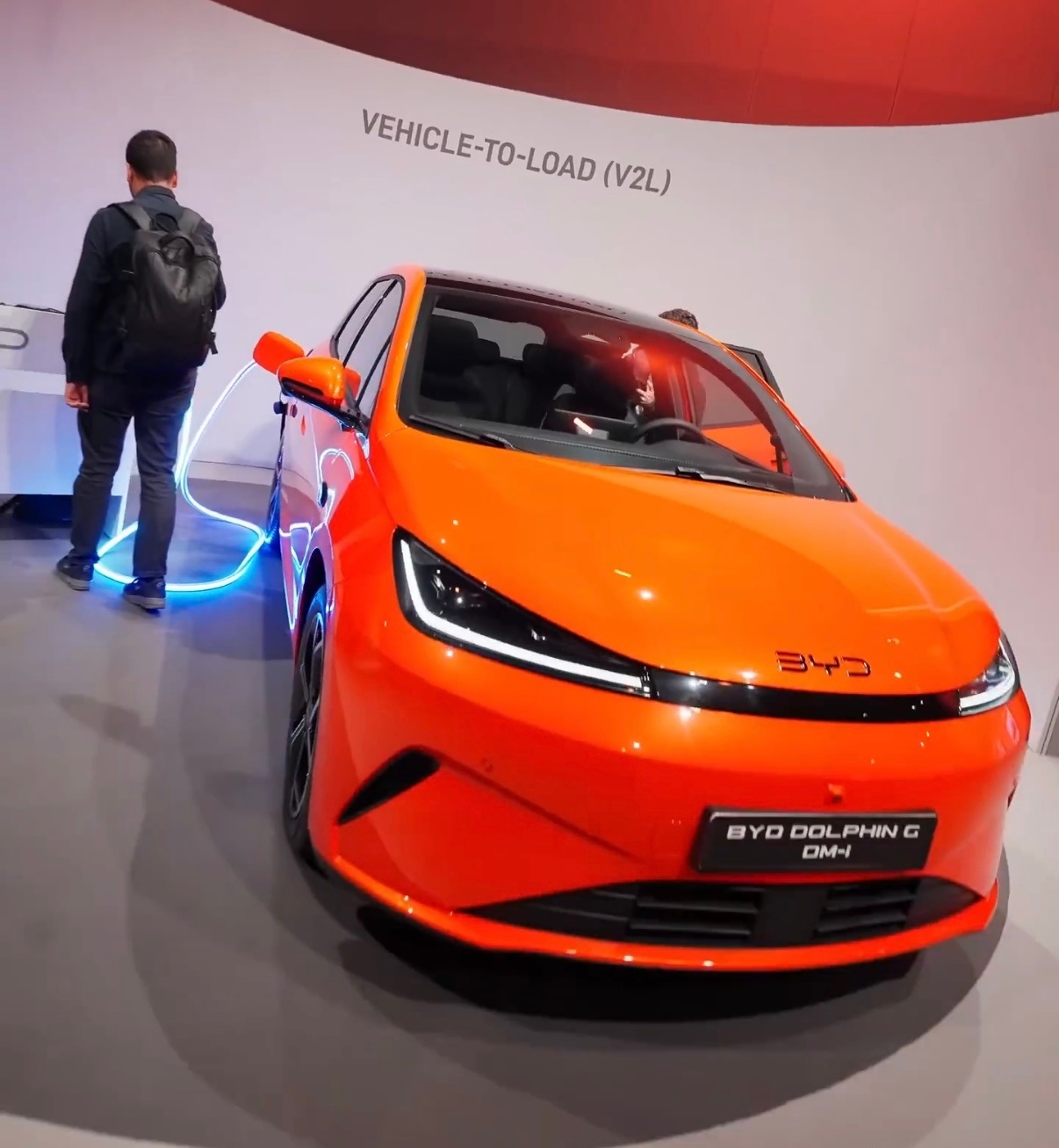
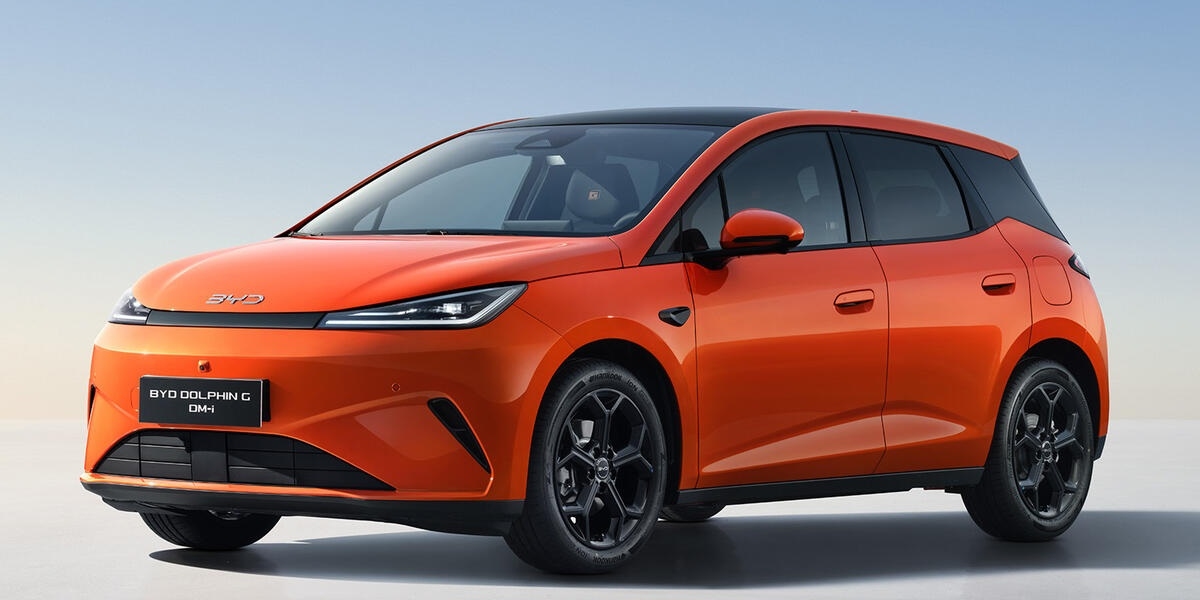
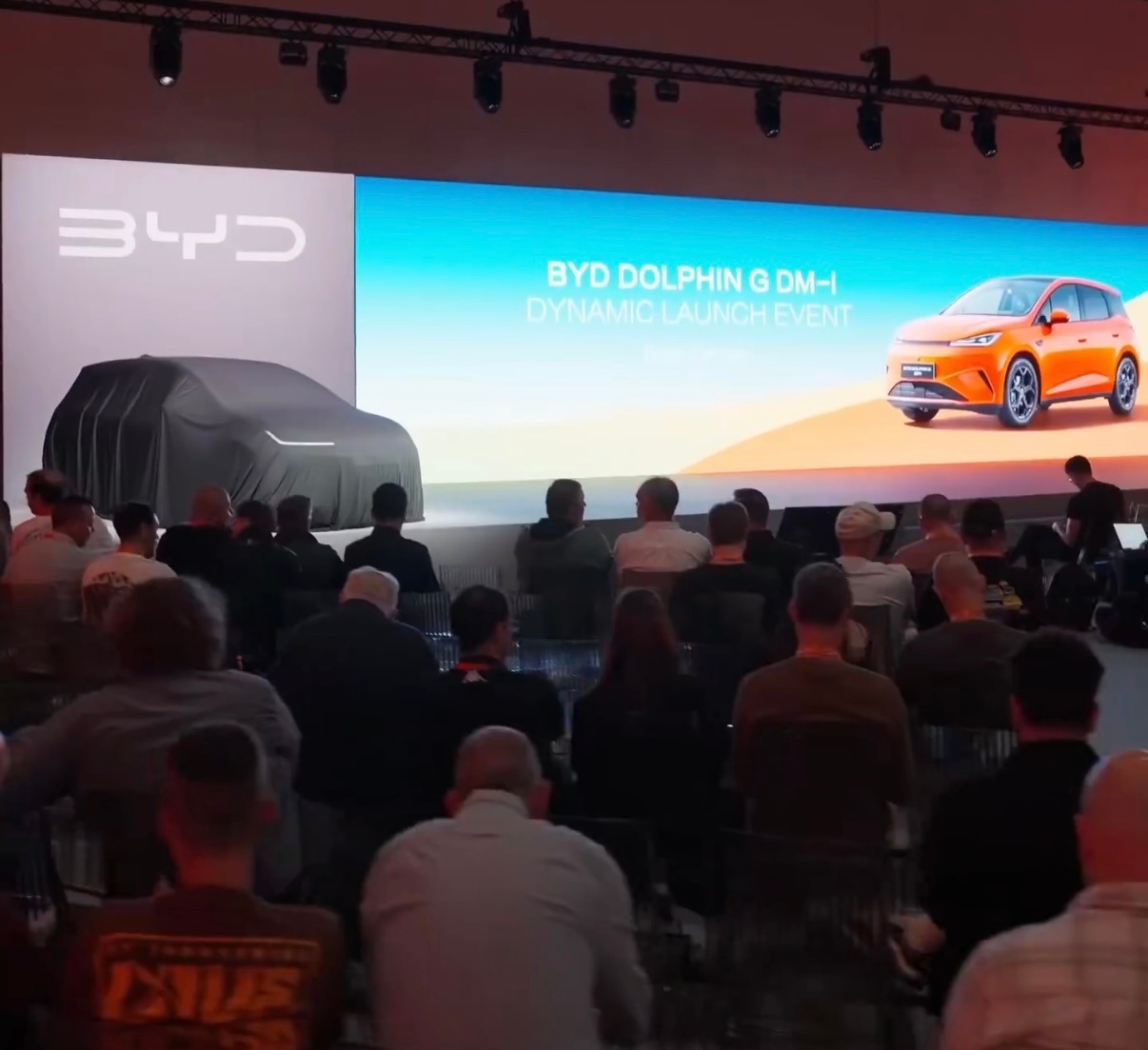
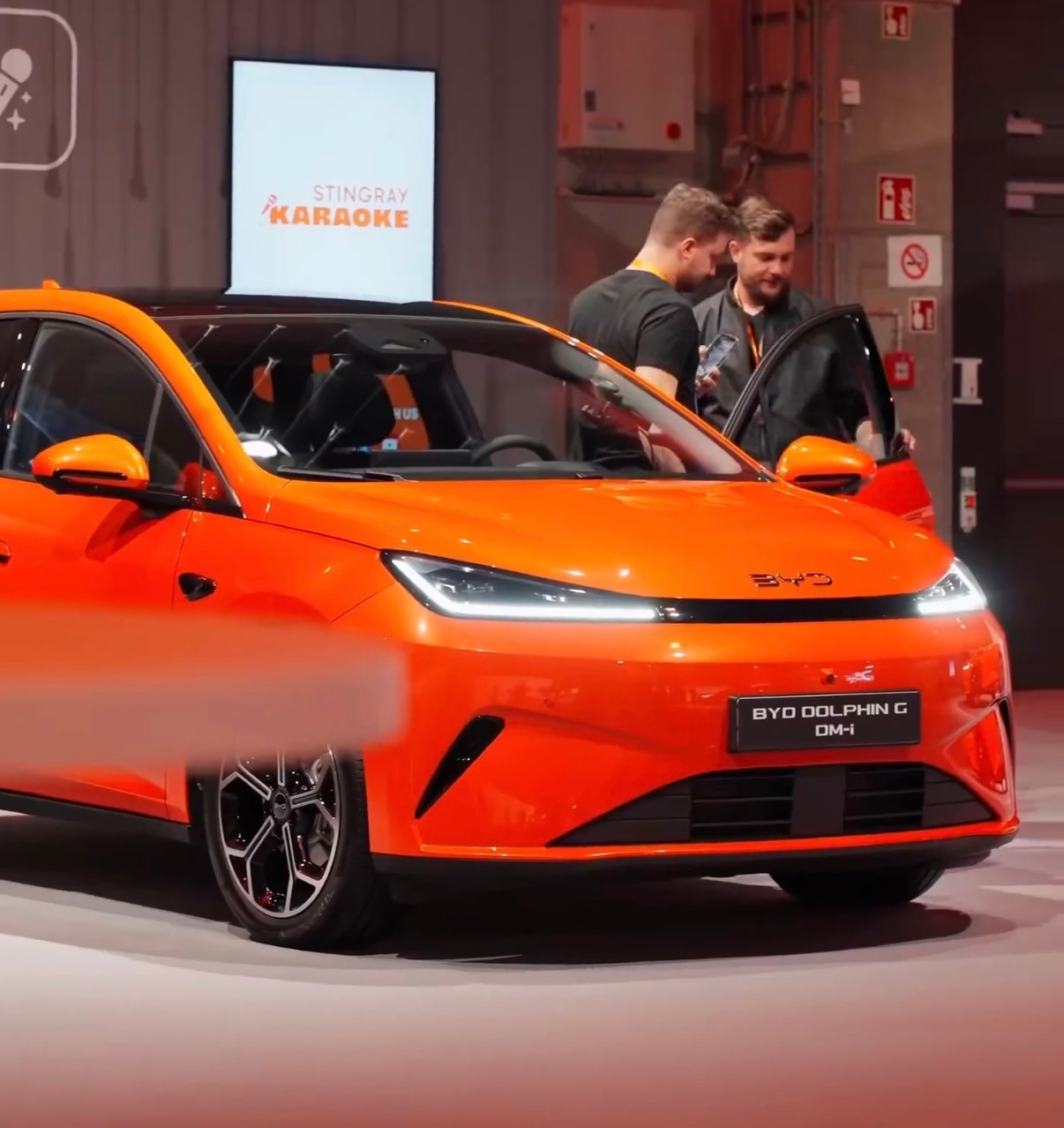
BYD has launched its first Europe-focused customized model, the BYD Dolphin G DM-i, signaling a new stage in the Chinese automaker’s overseas expansion strategy as it moves from exporting vehicles to building cars closer to its customers.
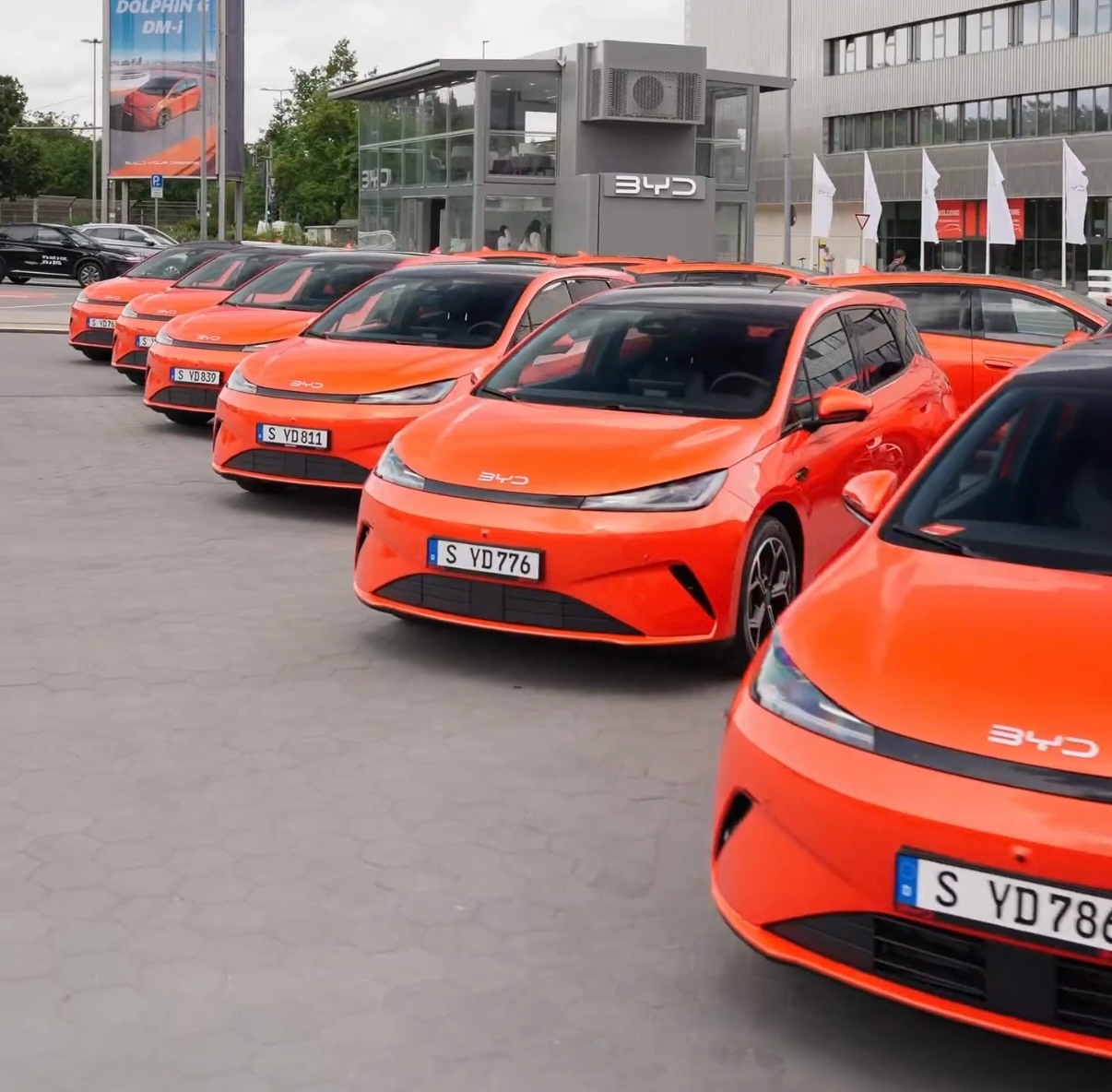
The plug-in hybrid model has officially entered several European markets, with prices starting at €25,200 in Spain and €28,990 in Germany. Reservations have also opened in Poland, the Czech Republic, Italy and France as BYD prepares to strengthen its presence in one of the world’s most competitive automotive regions.
A European-Made Model Designed for Local Consumers
The Dolphin G DM-i represents a shift in BYD’s global strategy. Rather than simply shipping vehicles from China to overseas markets, the company is increasingly adapting products for regional demand and moving production closer to local consumers.
The model is expected to be produced locally at BYD’s upcoming factory in Szeged, Hungary. The facility will become a key part of BYD’s European manufacturing network, allowing the company to reduce reliance on vehicle exports and build a more integrated supply chain inside the region.
From Export Growth to Overseas Production
Chinese automakers have rapidly expanded across Europe in recent years, benefiting from strong competitiveness in electric vehicle technology, battery supply chains and cost control. BYD’s European strategy is now evolving beyond sales growth toward establishing a long-term industrial footprint.
The move mirrors a broader trend among Chinese carmakers seeking local production capacity in major markets. Building vehicles in Europe could help companies respond more effectively to regulatory changes, reduce logistics costs and improve relationships with local suppliers and consumers.
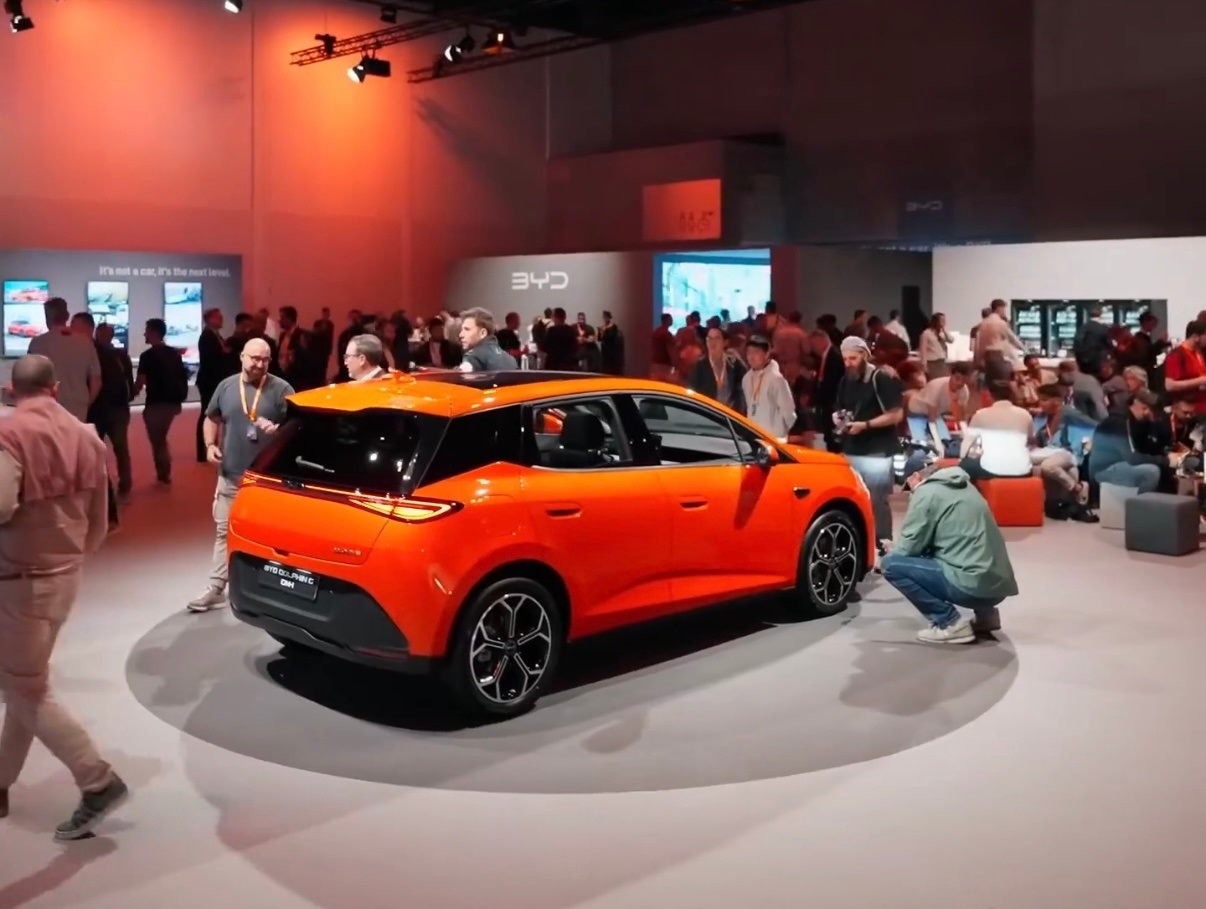
BYD’s European Challenge Goes Beyond Selling Cars
The launch of the Dolphin G DM-i comes as BYD faces a more complex competitive environment in Europe. Tariffs, local manufacturing requirements and increasing competition from established European brands are reshaping the region’s EV market.
By producing vehicles inside Europe, BYD aims to position itself not only as an exporter of affordable electric cars, but as a long-term automotive manufacturer with a regional presence.
The Hungarian plant will be a key test of whether Chinese automakers can successfully transition from global exporters into local players in Europe’s changing automotive landscape.