
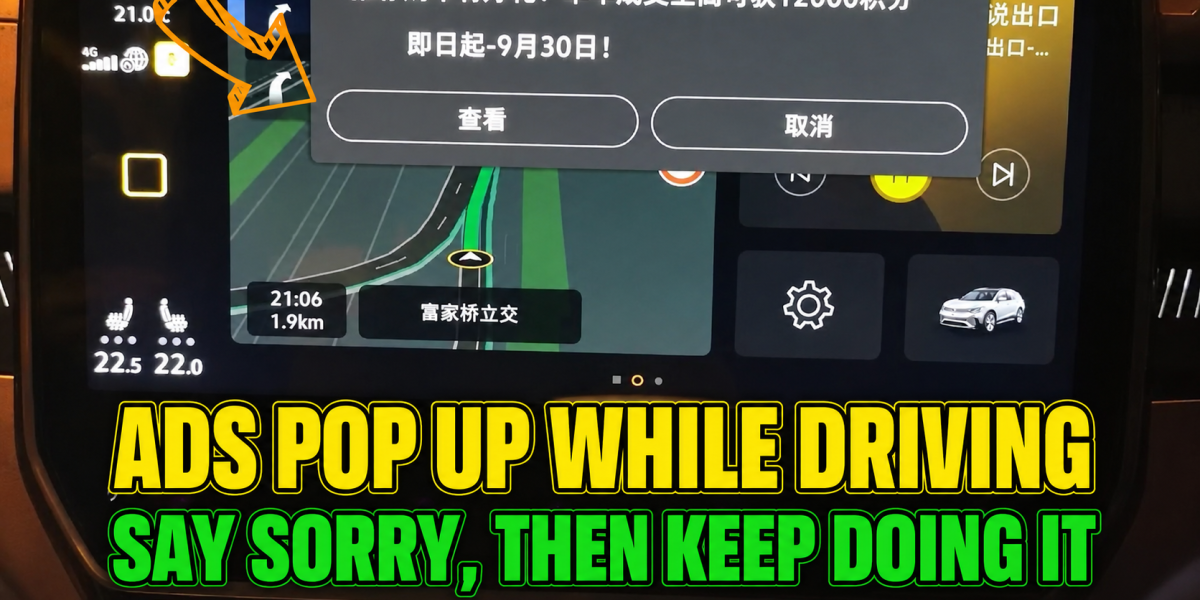
A recent video by a Chinese auto blogger has renewed debate over advertising inside navigation apps.
A small ad format becomes a road-safety issue
The blogger said that while driving, he used a voice command to wake up navigation. A bump in the road then triggered a shake-to-open advertisement, automatically jumping to a shopping app and interrupting the navigation screen. He said the distraction nearly led to a rear-end collision with a truck behind him.
The complaint quickly resonated with many drivers. Users described having to look down at highway speeds to close pop-ups, or being forced to watch several seconds of advertising during morning and evening rush hours. Public criticism focused on a simple point: designs that might be tolerable in ordinary mobile apps can become safety hazards when used in driving scenarios.
Major map apps pull back, but users remain sceptical
After the backlash, major Chinese navigation apps including Amap, Baidu Maps and Tencent Maps removed splash-screen advertising in succession. Users could open the apps and go directly into the map interface, improving the driving experience.
Yet some users said the ads had not disappeared completely. In certain cases, they still appeared intermittently, raising suspicion that platforms might be waiting for public attention to fade before restoring them.
The episode highlights a broader consumer-technology issue in China’s auto ecosystem. As smartphones remain central to driving, parking, charging and navigation, app design is becoming part of the safety environment. For drivers, the question is no longer just whether a navigation app is accurate. It is whether the software respects the attention limits of someone operating a vehicle.
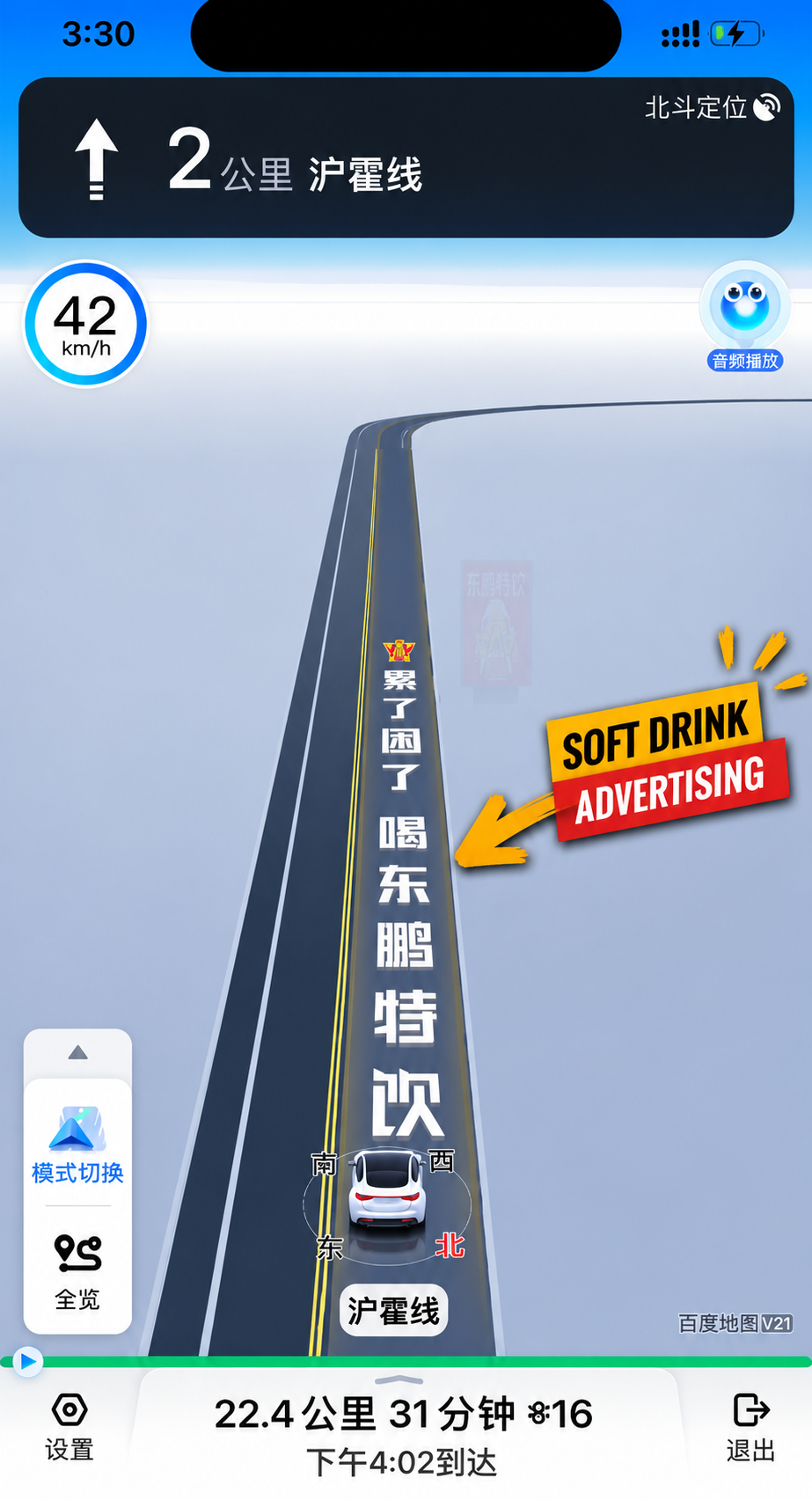
The consumer question
The original post asked readers a direct question: have splash-screen ads truly disappeared from your navigation app? It also invited users to discuss whether map apps still suffer from lag, excessive battery drain or other problems during daily use.