
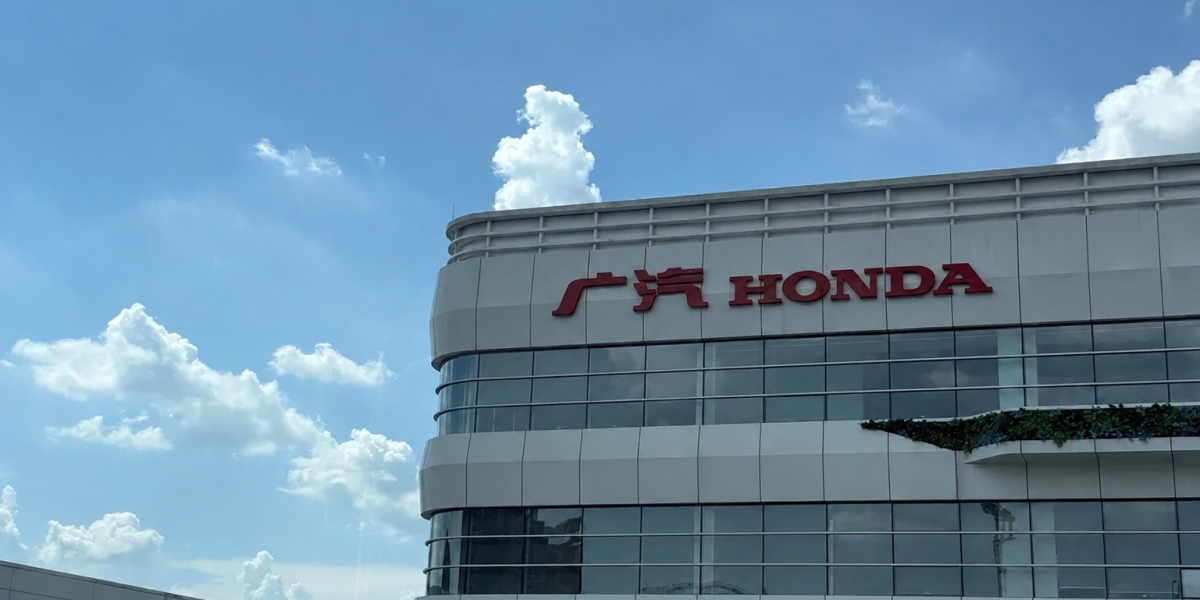
Honda China has signed a renewed joint venture agreement with GAC Group, extending the partnership between the two companies until 2038.
Honda and GAC Double Down on a Changing Chinese Auto Market
The ownership structure will remain unchanged, with GAC holding 50%, Honda Motor 40%, and Honda China 10%.
The announcement was widely expected after the partners completed a capital increase late last year and GAC Honda took full ownership of Dongfeng Honda Engine Co. The timing of the agreement, though, carries greater significance as the joint venture faces one of its most difficult periods in China.
Sales Collapse Forces a New Chapter for a Former Market Leader
The figures highlight the scale of the challenge. GAC Honda sold 351,900 vehicles in 2025, while deliveries in the first half of 2026 fell to 68,318 units, down 55.8% from a year earlier. June sales reached only 14,099 vehicles, representing a decline of more than half compared with previous levels.
Five years ago, annual sales above 800,000 units were achievable for GAC Honda. The sharp contraction reflects a broader shift in China's automotive landscape, where traditional joint ventures are facing intense pressure from domestic electric vehicle manufacturers and technology-driven newcomers.
From Technology Transfer to Technology Co-Creation
Rather than stepping back, Honda and GAC have chosen to extend their commitment. The strategy is less about preserving the past and more about finding a path through the industry's transformation.
GAC Honda has described 2026 as a period of rebuilding and strengthening capabilities. The company has stopped several less competitive model projects instead of continuing to launch vehicles simply to maintain product volume. The bigger change is taking place in its development model.
For more than two decades, many China joint ventures followed a familiar formula: overseas automakers supplied technology while Chinese partners provided market access. GAC Honda is now attempting to reshape that relationship.
During the Beijing Auto Show, GAC Honda Deputy General Manager Lin Zhibin said the two sides were evolving into “equal partners in technology co-creation and ecosystem development.” The shift reflects a new reality in China's auto industry, where local technology companies and suppliers have become central players.
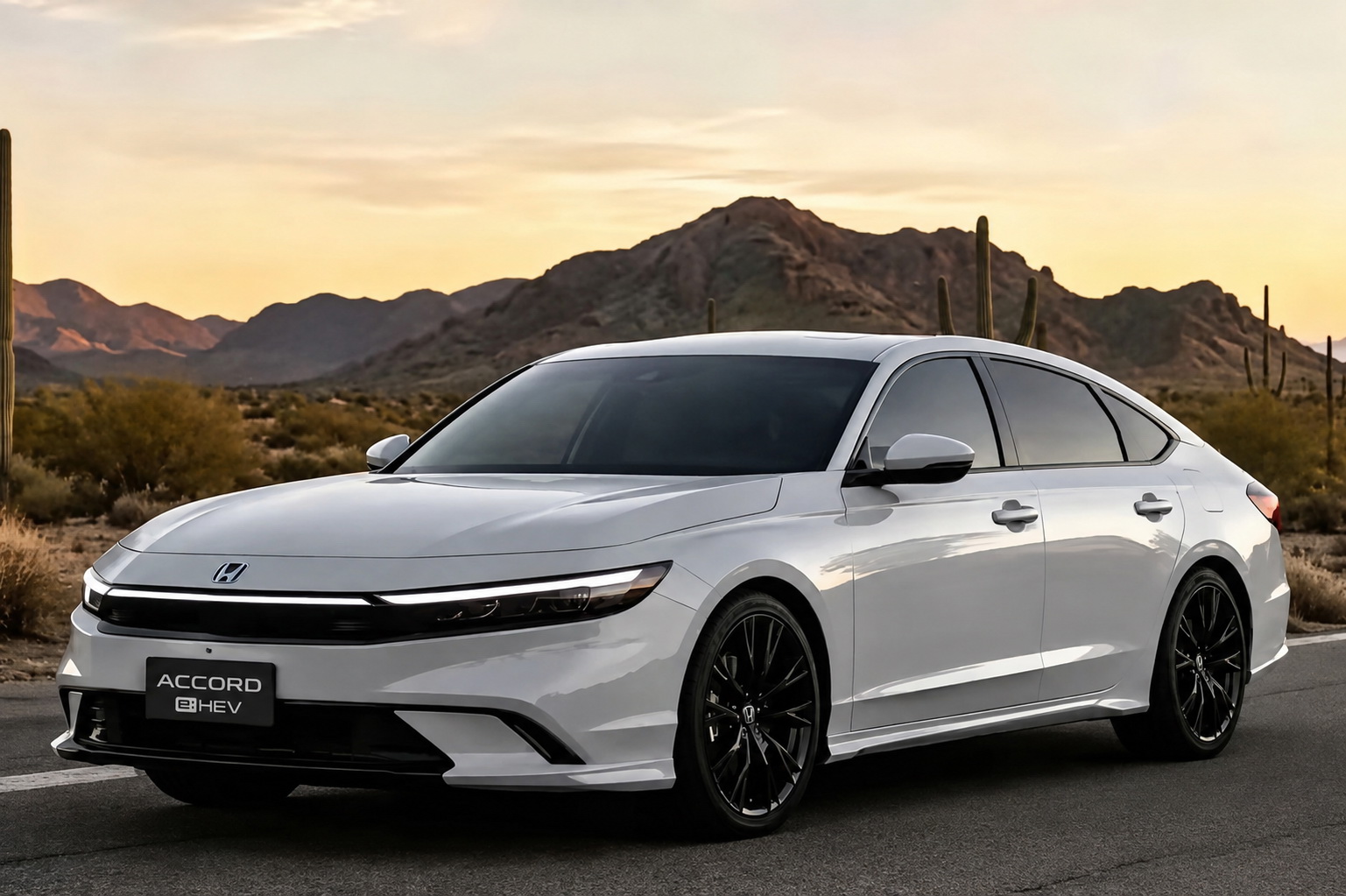
In practical terms, GAC Honda is integrating Huawei's HarmonyOS intelligent cockpit technology, working with Momenta on smart driving solutions, and expanding cooperation with domestic suppliers. The company plans to launch three new models in 2027 covering internal combustion engines, hybrids, and new energy vehicles. A next-generation Accord and a China-specific new energy model based on a dedicated platform are expected to become key products.
Capacity Cuts Signal a More Disciplined Approach
Production capacity is also being adjusted. GAC Honda plans to reduce its China manufacturing capacity from 1.2 million vehicles annually to 720,000 units.
The move represents a major restructuring rather than a simple retreat. Instead of maintaining underused factories, the company is focusing resources on more efficient operations while working to reduce dealer inventory pressure.
Honda's China Challenge Is Far From Over
The extension of the partnership to 2038 does not automatically solve GAC Honda's competitive challenges. The company is operating in one of the world's most aggressive EV markets, where BYD, Xiaomi, Huawei-backed vehicle projects, Zeekr, and Nio are competing fiercely across the mainstream and premium segments.
Still, GAC Honda retains several important advantages. Its accumulated customer base of more than 11 million users remains a valuable asset, while manufacturing expertise and global quality standards continue to provide a foundation for recovery. Partnerships with Huawei and Momenta could also help accelerate its transition into software-defined vehicles.
The era when foreign joint ventures dominated China's car market has clearly ended. Yet the GAC Honda renewal sends a different message: rather than leaving the world's largest auto market, one of Japan's leading automakers is attempting to reinvent its role within it.