
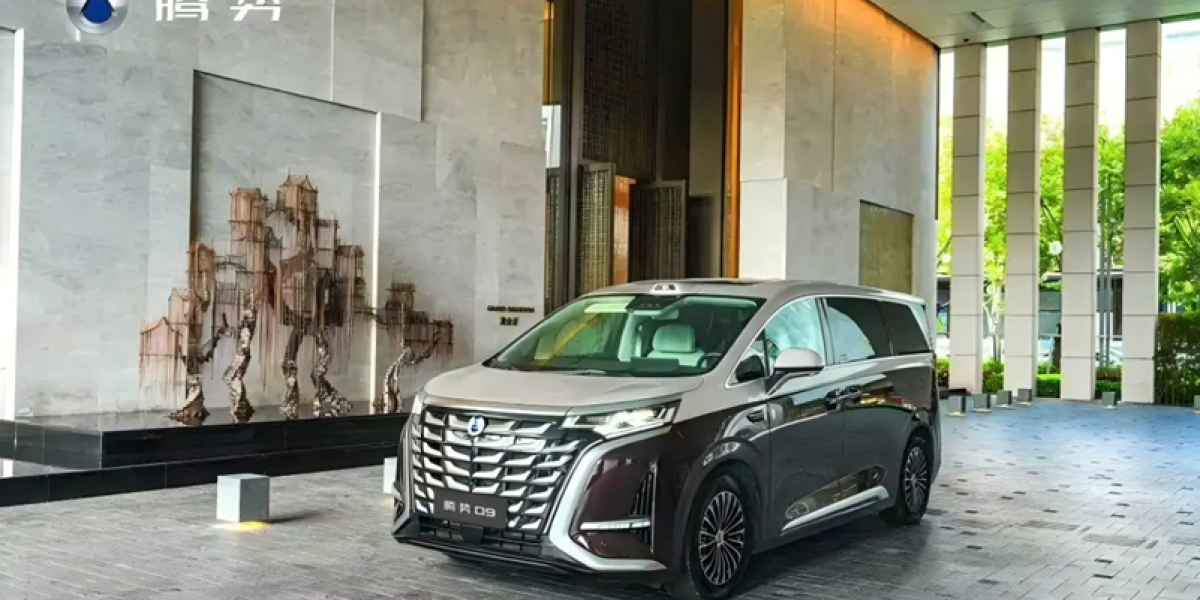
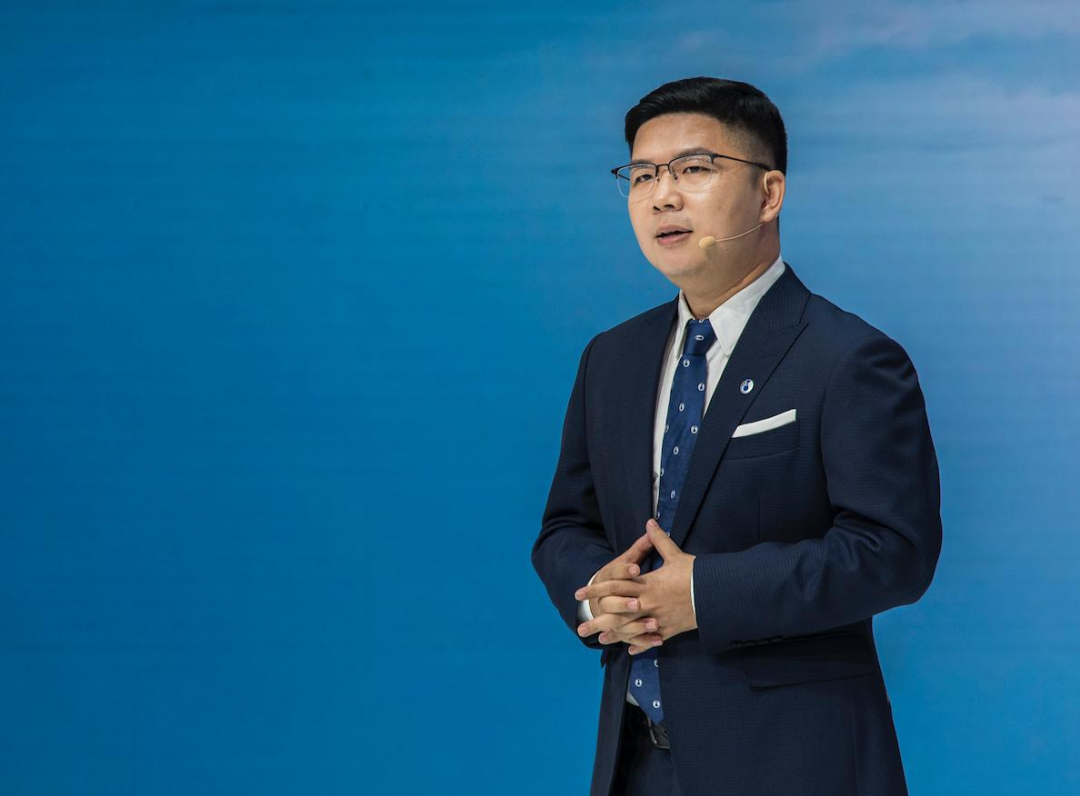
Zhao Changjiang has resigned as general manager of Denza and Fangchengbao's direct-sales division, ending a 16-year run at BYD.
A polished departure, and a harder question
Both sides framed the departure politely, with Zhao saying he would step away temporarily to find a new rhythm between work and life.
The exit has drawn attention because Zhao was not a generic executive. He helped revive Denza at a crucial moment and became one of the most visible management figures tied to the brand.
The more important issue is not whether one executive has left. It is what his departure says about the next stage of China's EV industry: how carmakers retain core talent as they move from entrepreneurial breakthroughs to system-led operations, and how they manage the risks created when an executive's personal profile becomes part of the brand.
From hero-led growth to system-led growth
Executive movement is normal in the auto industry. Zhao's case feels more significant because the link between talent and corporate development has become tighter during China's EV boom.
When Zhao took charge of Denza, the brand was widely viewed as a failed joint-venture remnant. BYD needed someone who could quickly rebuild the brand, sharpen the product message and create confidence in its premium ambitions.
Zhao's approach worked. Through brand renewal, product positioning and more active operations, Denza gained a stronger place in China's premium new-energy market.
But a company's needs change as it matures. Denza's task has shifted from using one or two products to open a market to building a broader matrix supported by supply-chain coordination, standardised technology and scaled channels. That requires different organisational capabilities.
The article argues that Zhao's exit reflects a wider mismatch that can emerge when a company moves from early-stage "heroic" growth to a more controlled operating system. The people who created the breakthrough may not always find an obvious role in the new structure unless the company builds one for them.
The executive IP era
Zhao's departure became a bigger story because of his personal IP. In China's social-media-led auto market, executives have become direct marketing assets.
Li Xiang at Li Auto, William Li at Nio, Richard Yu at Huawei and Lei Jun at Xiaomi have all shown how executive visibility can shape public trust, reduce marketing cost and give brands a more human voice. Zhao played a similar role during Denza's renewal.
That model can be powerful. A visible executive can make a premium brand feel more accountable and can help buyers trust a product before the brand has fully established itself.
It is also risky. If consumers bind product value too closely to an individual, any departure, public comment or personal controversy can become a brand event. The stronger the executive IP, the faster risk can travel back into the company.
This does not mean executive IP should be avoided. It means companies need a framework that keeps the brand larger than the person representing it.
The hollow-brand risk
The core danger is what might be called IP dependence. If a buyer trusts the executive more than the brand, then the brand's own value is weaker than it appears.
That can create a hollowing effect. The executive amplifies the brand during the rise, but also defines the limits of how users understand it. Once the person leaves, consumers may wonder whether the product, service or culture will change.
China's EV market has already seen cases where founders or senior executives created reputational swings through public comments or personal controversy. Executive visibility is a high-leverage tool: it magnifies strength when conditions are good and accelerates damage when conditions turn.
Carmakers therefore need to separate personal charisma from institutional trust. The executive can introduce and explain the brand, but the product, technology, service and user experience must eventually carry the relationship.
What companies should build next
Zhao's exit points to a broader talent-management challenge. Companies cannot return to old-style personal management, but they also cannot treat system control as more important than individual capability.
A better structure would give different kinds of talent different paths. In the expansion stage, core executives need enough authority to create breakthroughs. In the growth stage, they need training and broader management systems to upgrade their capabilities. In the stable stage, senior figures should have platforms to contribute to strategy rather than being forced into narrow operating roles.
That matters because losing proven executives is costly. Recruiting, training and testing replacements can be slower and more expensive than building a value-matching career system for people who already understand the company.
Brand management needs the same maturity. The right model is brand first, executive IP second. Companies should use visible leaders to express brand values, then gradually transfer user trust from the individual to the organisation through consistent technology, service and product delivery.
The deeper lesson
Zhao Changjiang's departure closes one chapter at BYD and Denza, but it also highlights a structural problem across China's auto industry.
As competition moves from rapid growth to higher-quality development, organisational capability becomes as important as product breakthroughs. Carmakers need to know how to keep core people useful inside larger systems, and how to make executive visibility serve long-term brand equity rather than replace it.
The next stage of China's EV race will not be won only by the company with the loudest public figure. It will be won by those that can turn individual energy into institutional strength.