
Denza was created 15 years ago by BYD and Mercedes-Benz as China's first luxury brand focused on new-energy vehicles. The idea was ambitious: combine advanced electrification with premium positioning. In 2025, that promise remains only partly fulfilled.
A management reshuffle exposes a deeper issue
On July 4, Denza sales chief Zhao Changjiang confirmed on Weibo that he would swap roles with Li Hui, general manager of Fangchengbao's direct-sales business. BYD described the move as part of a rotation system intended to broaden management experience and strengthen organisational vitality.
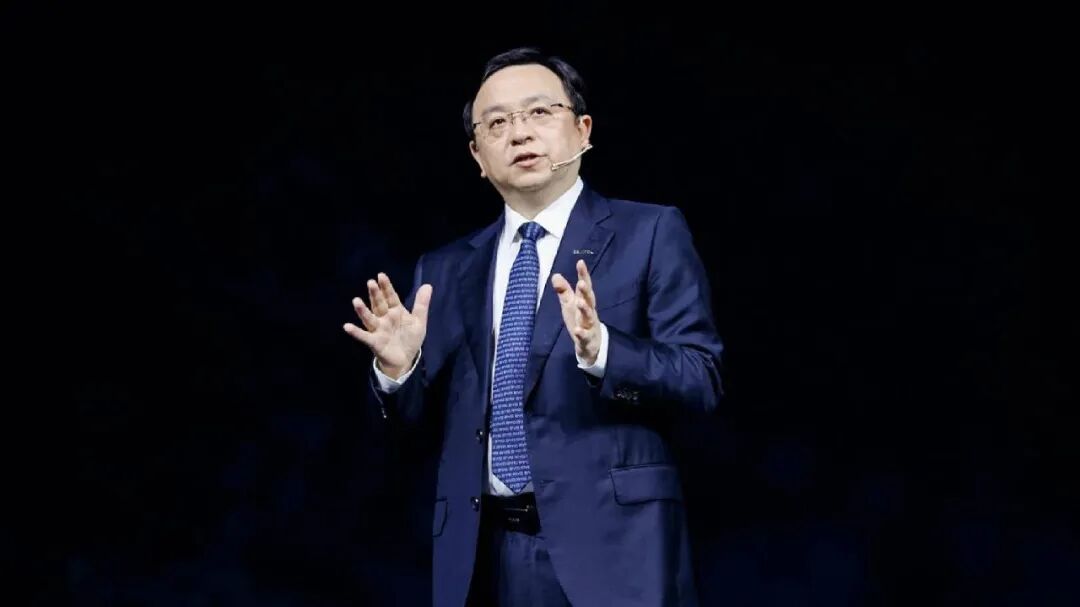
The timing makes the move hard to read as routine. Denza has missed sales targets for two consecutive years, several new models have underperformed, and BYD chairman Wang Chuanfu has openly said the brand's technology has not been converted into emotional value.
Denza D9 succeeded, but the portfolio is uneven
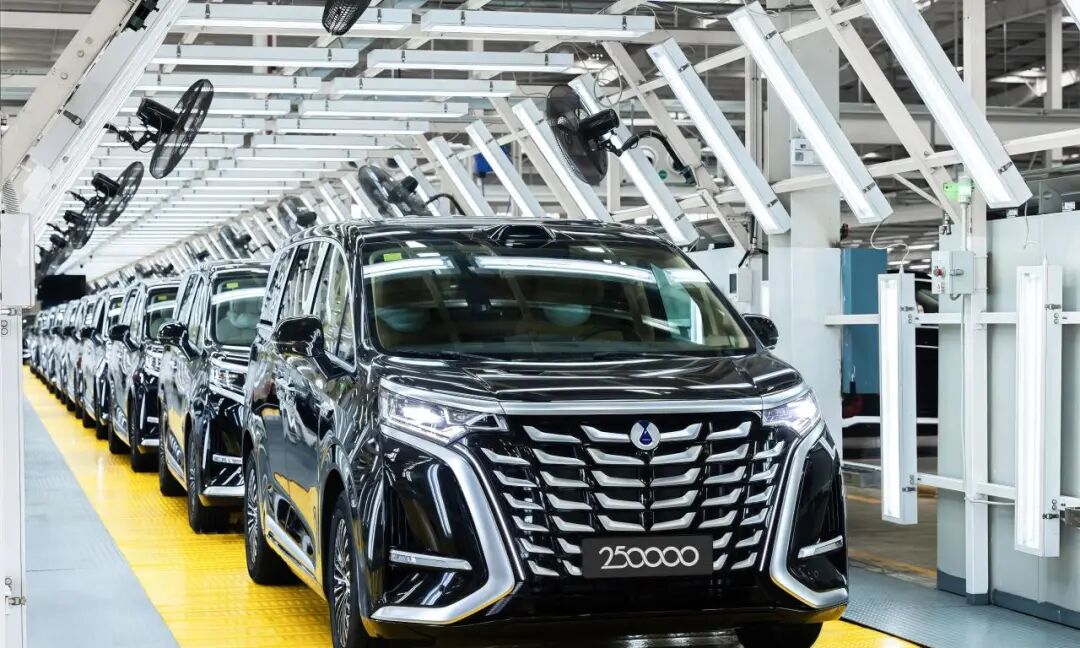
Zhao's tenure produced one clear success: the Denza D9. The MPV became a serious competitor in a segment long dominated by Buick GL8, and cumulative D9 production had exceeded 250,000 units by June 2025.
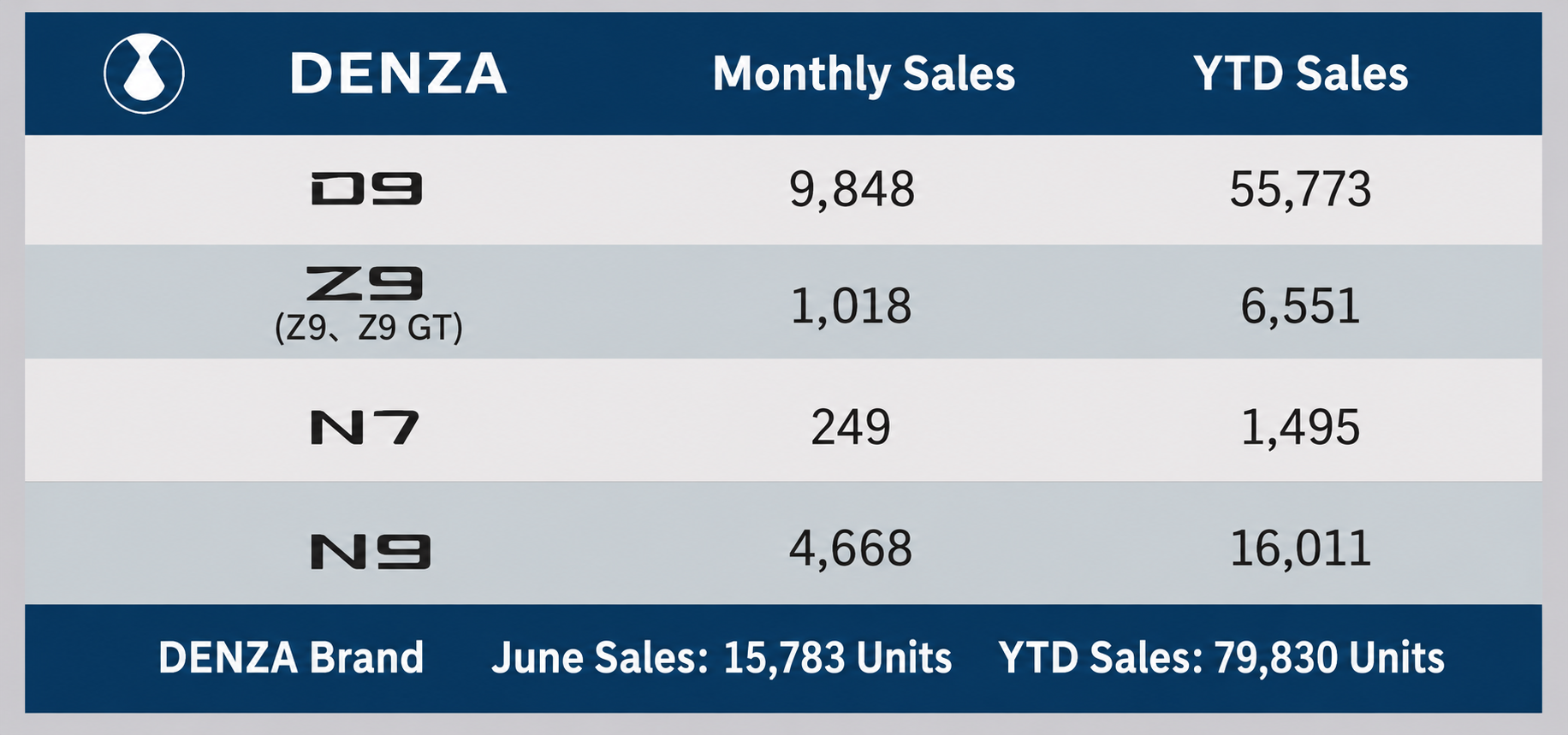
The problem is that later models have not matched that performance. Denza's first-half 2025 sales reached 79,830 vehicles, up 34 per cent from a year earlier, but the mix was heavily skewed. D9 contributed 55,773 units, about 70 per cent of total sales. N9 contributed 16,011 units, or 20 per cent. The Z9 series and N7 together accounted for only about 10 per cent.
Against a full-year target above 300,000 vehicles, the first-half completion rate was only 26 per cent. At that pace, even reaching 200,000 units would be difficult.
Zhao's marketing style also drew criticism. When Maextro S800 promoted tyre-blowout safety, some online users questioned why Denza had not more actively promoted Z9 technology that was said to keep the car stable after a 140kph tyre blowout. Zhao's reply that Denza was being low-key triggered backlash. His later comment that luxury brands do not pursue sales volume further intensified tension with users.
Li Hui brings channel and finance experience
Li Hui joined BYD in 2004 and has worked across finance, rail transit and direct-sales channels. He previously served as assistant general manager of BYD Auto Finance and general manager of BYD's rail business, before leading Fangchengbao's direct-sales operations.
At Fangchengbao, he helped lift channel coverage by 40 per cent and led a shift from pure direct sales toward a hybrid direct-plus-dealer model. That experience may help Denza improve sales execution and pricing flexibility.
The personnel move also follows a wider integration logic. In May, public-relations functions for Denza and Fangchengbao were folded into the group. Li previously managed direct stores across both Denza and Fangchengbao, which could help coordinate positioning, channels and customer groups while reducing internal resource waste.
The core problem is brand identity
Denza's challenge goes well beyond sales management. Its biggest weakness is unclear positioning. Li Auto owns the family-use narrative. Xiaomi emphasises sportiness and technology culture. Denza has launched MPVs, SUVs and sedans across several subsegments, leaving users with a less defined mental image of the brand.
The deeper problem is that Denza shares too much technology with BYD. Blade Battery, Yunnian body-control systems and other technologies have moved across both Denza and BYD's mainstream products. Yunnian-C is already used on lower-priced BYD models, and the God's Eye driver-assistance system has been broadened across BYD's range.
For consumers, Denza can start to look like a better-trimmed BYD rather than a distinct premium marque. That makes it harder to justify a premium price.
Product definition has also created tension. The Denza N9 uses advanced systems such as Yunnian-A and e3 wheel-side motors, but the mechanical complexity may affect cabin space. For family buyers, comfort and practicality can matter more than rare technical functions. The N9's compass-turn feature is technically impressive, but daily usage may be limited.
Design and emotional value need rebuilding
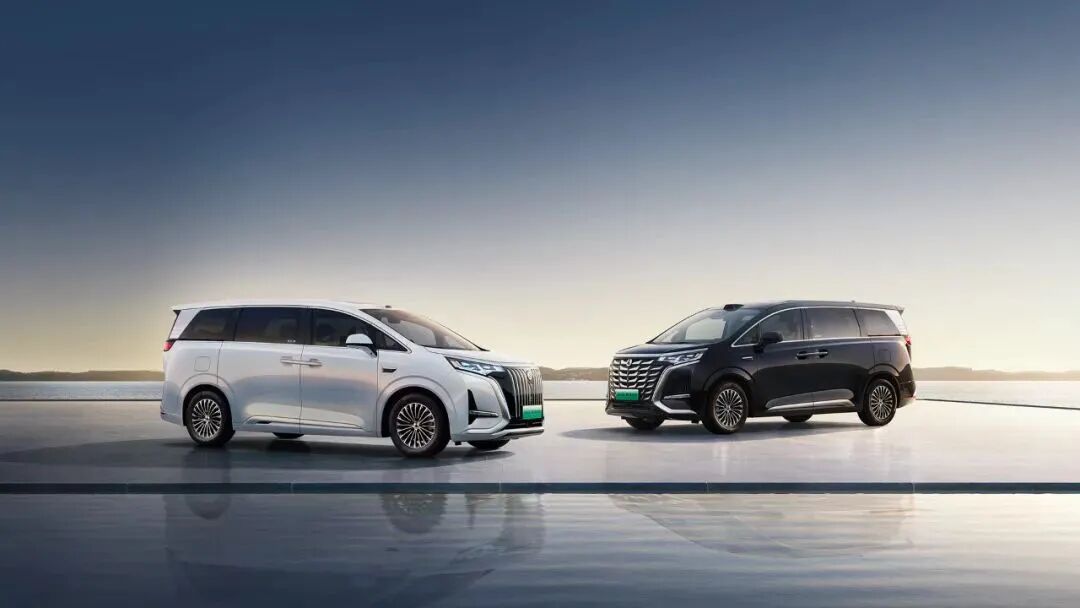
Some online comments have argued that Denza cannot break into the premium market without changing its design approach. The criticism points to a real issue: Denza and BYD share the same broad design lineage, including themes developed by Wolfgang Egger's team.
BYD's "Dragon Face" design language has become strongly associated with the main brand and appears across products from roughly $14,000 family cars to models around $42,000. When Denza carries similar front-end treatments, body proportions or visual details, consumers may struggle to see it as a separate high-end identity.
Technology sharing creates the same problem. Blade Battery, DM-i hybrid systems and Yunnian technology bring cost and engineering benefits, but they blur the boundary between mainstream and premium. BYD's technology image is strongly tied to practicality and value for money. Denza needs a more emotional and aspirational layer on top of that.
Wang's comment about emotional value is central. BYD engineers can deliver functional value, but premium buyers increasingly expect identity, taste, story and personal resonance. Denza's design and marketing have not yet created a brand world strong enough to match its technology.
Denza needs more than a new sales chief
The management reshuffle shows that BYD recognises Denza's premium anxiety. Li Hui may improve sales operations, channel coordination and financing tools, but the challenge is larger than marketing.
Denza must build clearer brand positioning, stronger design separation, a more distinct technology story and a product definition shaped by high-end users rather than engineering demonstration. If it cannot do that, it will struggle to remove the perception that it is simply a refined BYD.
The brand's mission is no longer just to sell cars. It is to help BYD define a new form of Chinese luxury. That requires a shift from engineering culture toward user culture. The outcome will shape how far BYD can move upward in the premium market.