
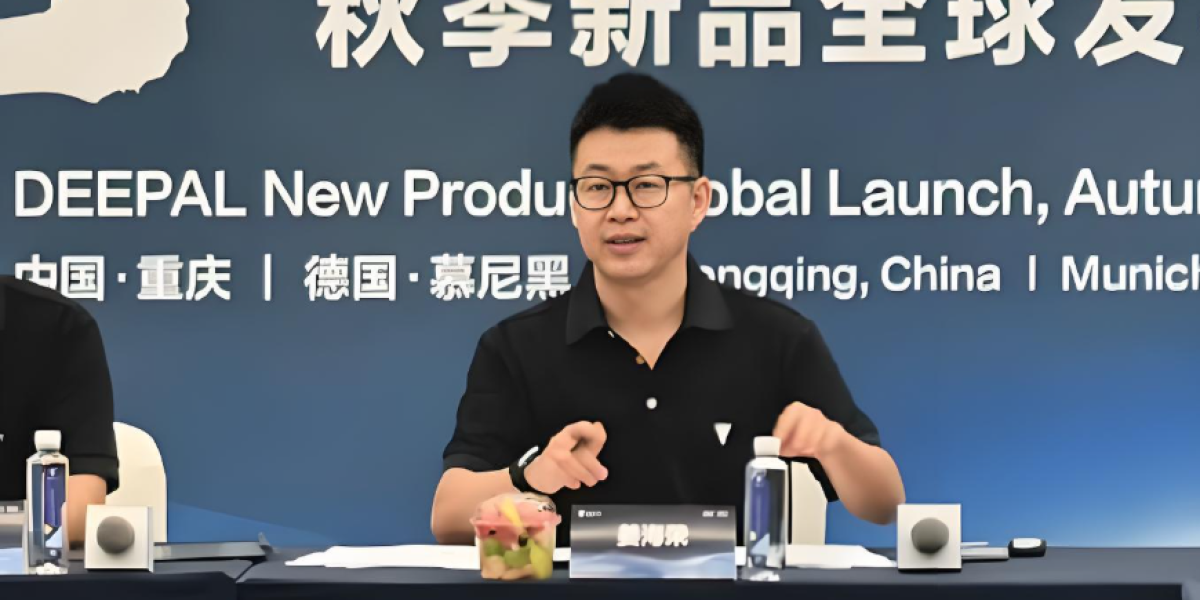
Changan's new-energy brand Deepal has moved quickly to bring in Jiang Hairong, former chief marketing officer of Honor China, as its new president, according to the article.
A fast leadership change
The move came less than a month after contact was made and after Deng Chenghao stepped back from the chief executive role.
The appointment followed remarks by Changan executive vice-president Yang Dayong at the 2025 World Intelligent Industry Expo, where he argued that at least 35 per cent of future buyers would still choose fuel vehicles.
Together, the two events reveal pressure inside Changan's new-energy transition. Deepal needs stronger marketing, but it also needs stronger products, clearer positioning and better user trust.
Why Jiang looked attractive
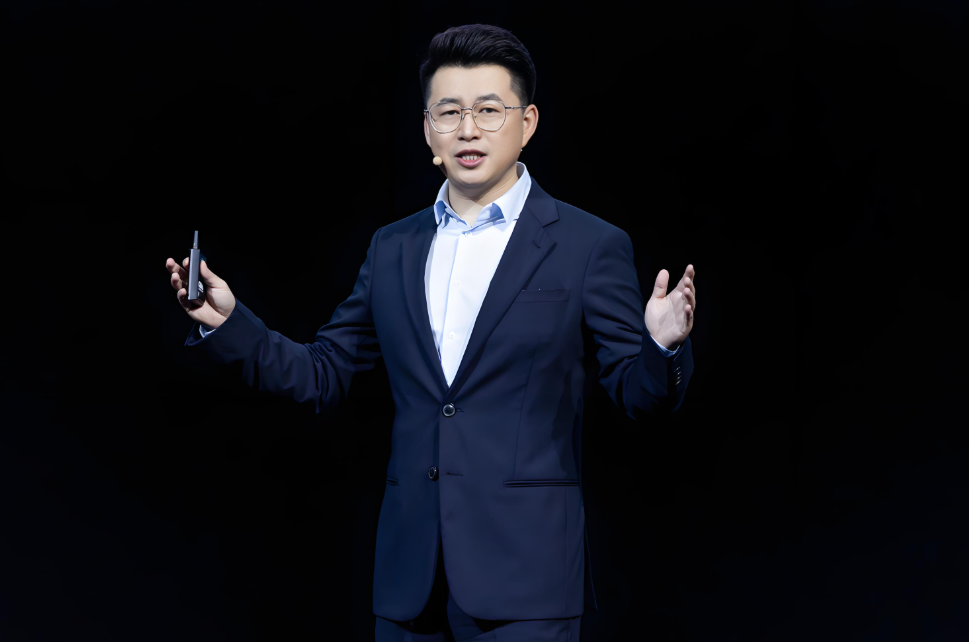
Deng has been unusually direct about his own limitations, saying he is stronger in products and technology than in marketing. In that context, Jiang appears to be a deliberate attempt to fill a missing capability.
Jiang joined Huawei in 2005 as an R&D engineer before moving into product and marketing roles. Inside Honor, he held positions including head of product marketing and head of overseas marketing. After Honor separated from Huawei in 2020, he became CMO for China and helped rebuild the brand's domestic positioning.
His marketing record includes product events that converted technical features into public attention, such as demonstrations of Honor phone durability. He has described himself as a newcomer to the auto industry and said he would need to stay humble.
That humility may be necessary. Automotive marketing has a longer purchase cycle, higher safety expectations and deeper ownership-service requirements than smartphones.
Deepal's numbers explain the urgency
Deepal's financial position is difficult. It lost about $218 million in 2024 and about $635 million over two years. By the end of 2024, its asset-liability ratio had reached 110 per cent, meaning liabilities exceeded assets.
Its 2025 sales target is 500,000 vehicles, but by the point cited in the article it had completed only 39.7 per cent of that target. The first eight months' sales reached 198,600 units.
Changan's wider numbers show why the group is anxious. In 2024, Changan reported revenue of about $22.2 billion, up 5.58 per cent, but net profit attributable to shareholders fell 35.37 per cent to about $1.0 billion. Net profit excluding non-recurring items dropped to about $359 million. New-energy sales rose 52.8 per cent to 735,000, but Deepal and Avatr together lost about $776 million.
Deepal was meant to be a major carrier of Changan's Shangri-La and Beidou Tianshu plans. Its weak performance therefore hurts confidence in the broader transition.
The fuel-car comment signals caution
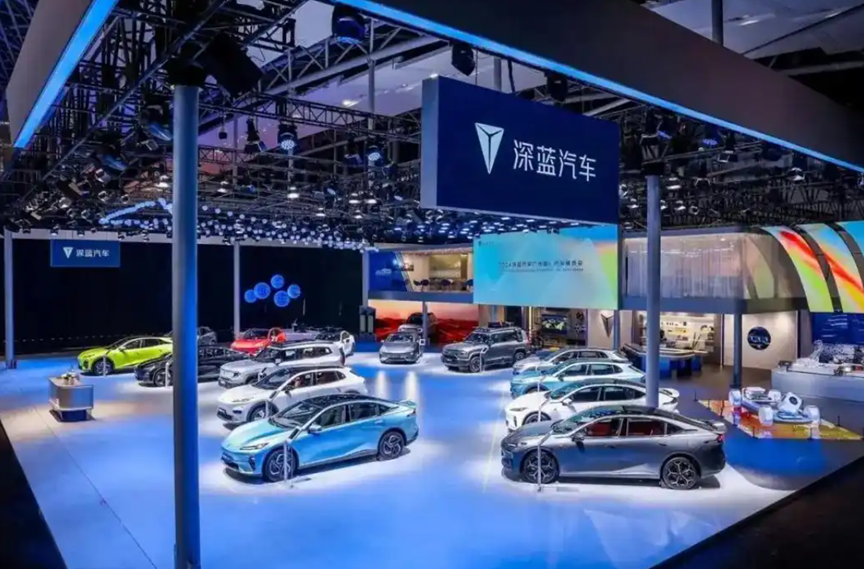
Yang's argument that fuel vehicles may still account for 35 per cent of future demand is not unreasonable. Many households without home chargers still see fuel cars as practical.
The problem is the contrast with Changan's earlier tone. In 2017, Changan once said it would stop selling traditional fuel vehicles by 2025. When a company that spoke so aggressively about new energy now emphasises the continuing role of fuel cars, it suggests a more cautious reading of the transition.
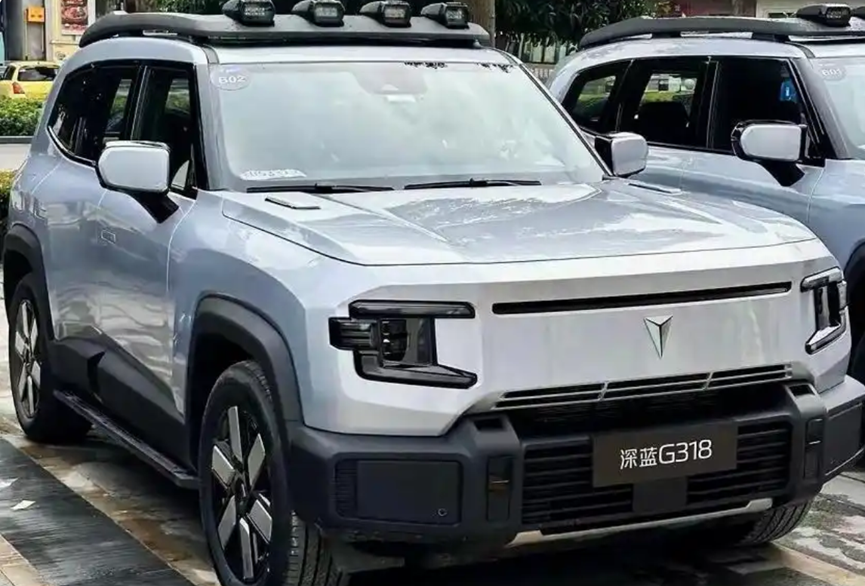
Deepal's recent product performance adds to that caution. In July 2024, Deepal S07 sold 12,793 units, down 5.4 per cent from June. Deepal S05 fell 56.18 per cent to 3,154 units. Deepal S09 fell 32.73 per cent to 2,186 units. Deepal SL03 fell 50.42 per cent to 1,284 units. Deepal G318 had once taken nearly 15,000 orders within five days of launch, but the article says its next-month deliveries were below 3,000.
The issue is not only marketing
Deng has argued that Deepal has good products but struggles to tell their story. The article questions whether that diagnosis is too narrow.
Deepal G318 tried to enter the fashionable boxy-SUV market, but it faced criticism because it was marketed with off-road flavour while lacking a body-on-frame structure. The messaging also tried to appeal to both urban lifestyle buyers and off-road enthusiasts, creating a blurred position.
S09 had a different issue. Its base version used a pure-vision Huawei ADS system and omitted features such as air suspension, seat ventilation, passenger screen, rear entertainment screen and leg-rest adjustment. Versions with Huawei Qiankun assisted driving and Harmony cabin moved close to about $42,000, making direct competition harder.
Some owner complaints cited online in the article also point to product strength, user operations, service systems and reliability. Those are harder problems than marketing language.
Jiang may improve attention, messaging and brand communication. But Deepal's real challenge is to align product definition, pricing, technology, service and ownership experience. A marketing executive from consumer electronics can help, but he cannot solve all of that alone.
A high-pressure experiment
Deepal's leadership change is a sign of urgency. Changan needs its new-energy brands to perform, and Deepal needs a stronger market identity quickly.
The risk is that the company mistakes communication for a cure. In the auto industry, a better story only works when the product and service support it.
Jiang Hairong's arrival may become an important turning point if Deepal gives him a better product and operating system to work with. If not, the move will only make the brand's anxiety more visible.