Chery's 2025 Global Innovation Conference in Wuhu carried a different tone from previous years. The company has completed its IPO, and that changes the purpose of its technology display.
From technology showcase to market proof
Chery now needs to show not only that it can develop advanced systems, but that those systems can win buyers and support valuation.
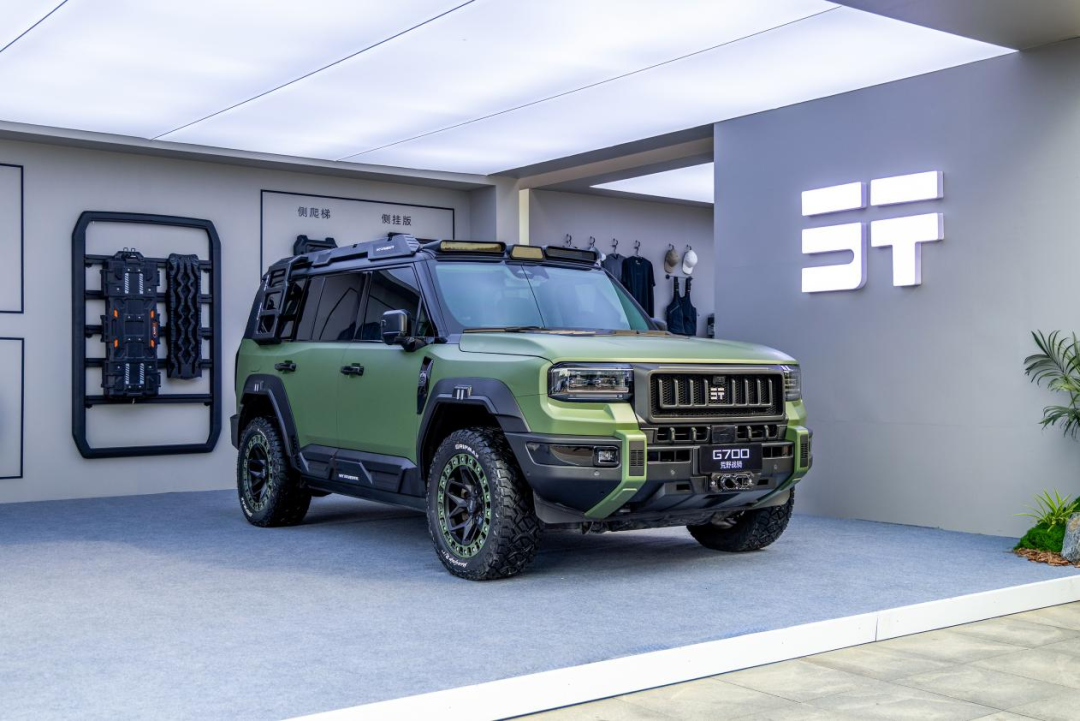
Chairman Yin Tongyue used the event to argue that Chery's global innovation system is ready for a more assertive stage. The centrepiece was the Zongheng G700, a luxury off-road SUV under Jetour that Chery used to link engineering ambition with a sharper domestic-market strategy.
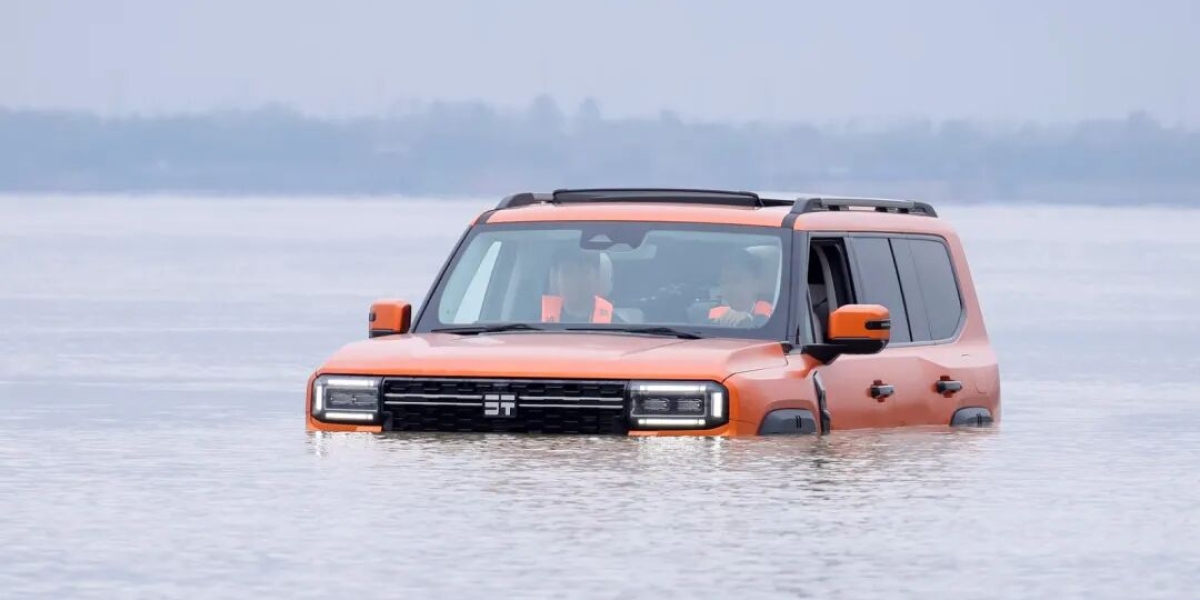
The G700's headline demonstration was its use of Chery's in-house Ark amphibious system to cross the Yangtze River. It was a theatrical moment, but also a product statement: Chery wants Jetour to move beyond family SUVs into a more premium and technically distinctive off-road space.
G700 carries Jetour upward
The shift is important because Chery's conference logic has changed. In earlier years, the company wanted to prove technical capability. After the IPO, it must show how technology creates market value.
The G700 is aimed at China's high-end off-road market, long dominated by foreign brands. With a listed starting price of about $46,000 and a limited-time renewal price from about $42,000, it targets buyers who want serious off-road ability without paying established foreign luxury prices.
For Jetour, the model is strategically significant. Exeed has often carried Chery's high-end technology image, but at this conference the G700 made Jetour the central product story. That suggests Chery now sees Jetour as a key domestic growth lever after the IPO.
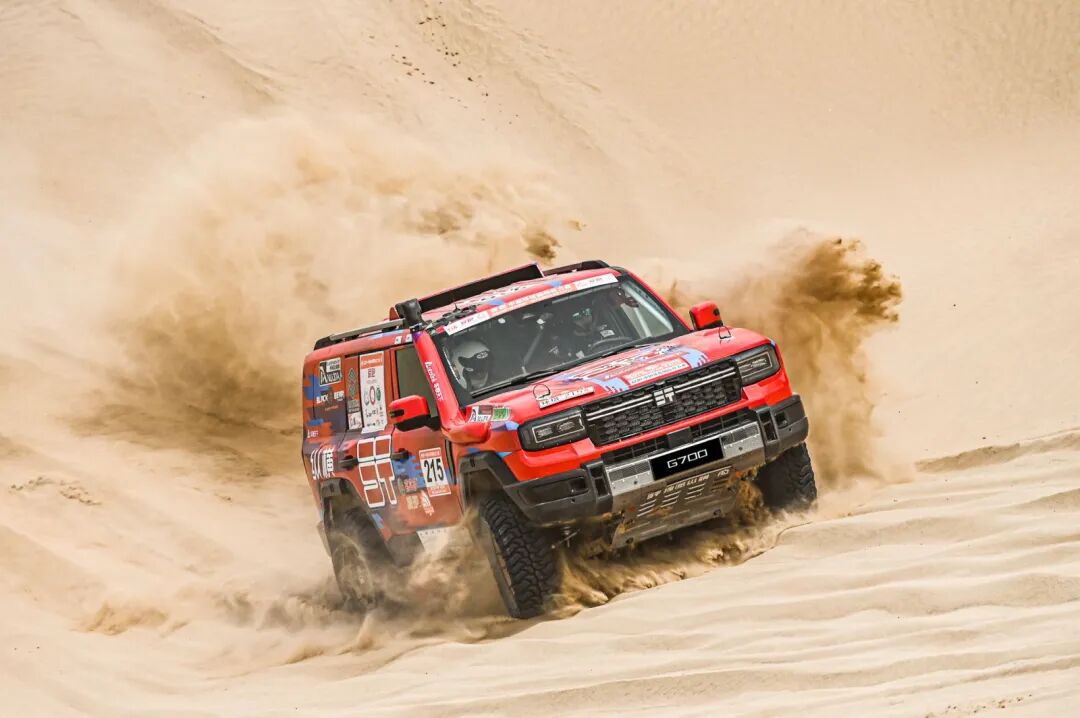
The technical package is designed to support that move. The G700 uses what Chery describes as the world's first internally high-pressure integrated frame, with 100 per cent high-strength steel and torsional rigidity above 10,000Nm per degree. Front and rear dog-clutch differential locks work with torque vectoring, with locking torque above 20,000Nm and millisecond-level response.
The Ark amphibious system gives the G700 a claimed 970mm wading depth, above many foreign luxury off-road benchmarks. Chery is trying to turn extreme-scenario capability into a form of consumer-visible safety and confidence.
Safety becomes a broader promise
Chery's safety narrative has also evolved. In the combustion era, safety was often discussed through body structure, steel strength and crash energy absorption. In the new-energy era, safety extends into batteries, vehicle structure, intelligence, information security and health.
The G700 is designed around that broader definition. Its body uses 35 per cent hot-formed ultra-high-strength steel and 90 per cent high-strength steel, while the passenger-cabin skeleton uses 100 per cent hot-formed steel. In crash testing cited by the article, B-pillar intrusion was only 13.36mm.
The 6D safety system covers six directions of risk, and the vehicle has 10+1 airbags, including a 2,760mm side curtain airbag with 33-second pressure retention. For off-road use, Chery says the G700 includes more than 23 dedicated safety functions. In scenarios such as sand-pit rollover and underbody scraping, passenger-cabin deformation is claimed to be under 5mm.
The vehicle also uses an off-road battery developed with CATL, delivering more than 490kW of power and peak 5C charging that can take the battery from 30 per cent to 80 per cent in 10 minutes. It operates across a claimed temperature range from minus 35C to 60C.
Chery has also partnered with Huawei for Qiankun ADS 4, using 33 high-precision sensors to support full-scenario NCA navigation assistance. That open cooperation lets Chery combine in-house engineering with external smart-driving capability.
A global technology group ambition
The conference was also a statement about Chery's broader direction. The company is trying to present itself not only as an automaker, but as a global technology ecosystem group trusted by users.
The first three quarters of 2025 gave Chery momentum. Cumulative sales passed two million vehicles, new-energy sales reached 587,000, exports reached 936,000, and the company completed its Hong Kong listing. Chery has also continued to appear on China's Fortune ESG influence list.
Its global base is already substantial. Chery products are sold in more than 120 countries and regions. The group operates 16 KD plants and eight R&D centres globally, with more than 30,000 R&D employees. It plans to expand overseas R&D centres to 26 to improve localisation and regional competitiveness.
That global footprint is central to the G700 story. Chery's overseas business already accounts for close to half of revenue, according to the article, but the domestic market still requires more precise product attacks. Jetour and the G700 are part of that effort.
The post-IPO test
Chery's IPO was not an endpoint. It raised the standard by which the company will be judged. Investors and buyers will want to see whether its technology pipeline can produce desirable, profitable products.
The G700 is therefore more than an off-road SUV. It is a test of whether Chery can translate engineering confidence into brand elevation, domestic-market growth and global technology credibility.
If Jetour can make the G700 feel like a credible luxury off-road alternative rather than a one-off technology performance, Chery's post-IPO innovation story will become more convincing. If not, the conference will remain a strong showcase without enough market force behind it.