
Chery chairman Yin Tongyue has publicly apologised for management practices that treated employees' time as if it had little value.
A chairman admits time was treated too cheaply
Speaking at a mid-year management meeting, he said the company had been inhumane toward staff working away from home and expressed regret for failing to respect their time.
The apology matters because it points beyond one company. China's auto industry has long relied on intense work rhythms to support rapid product cycles, export expansion and technology catch-up. Yin's comments suggest that a leading manufacturer now sees that model as increasingly unsustainable.
Chery has reached a stage where technology, exports and product development give it a more stable base. That may allow the company to move away from a pure labour-intensity model and toward one built on efficiency, employee retention and innovation quality.
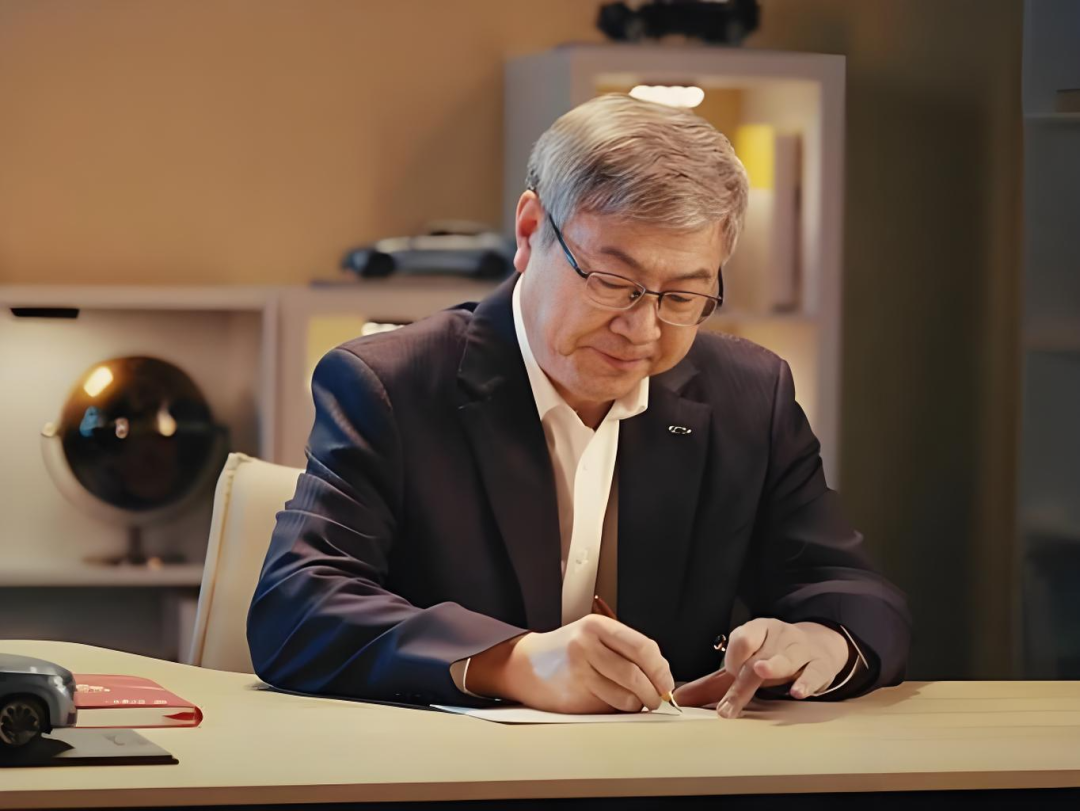
This was not Yin's first public self-criticism
At the 2025 China Auto Forum, Yin also offered a blunt assessment of Chery's behaviour in the wider industry. He said the company had tended to follow others into both good and bad practices, including price wars and internal competition.
He described Chery as cautious in adopting and promoting new technologies, partly because it did not want to overpromise or offend industry peers. In the domestic market, he said the company often avoided fighting back when attacked. Overseas, it has been careful not to trigger local backlash.
Those comments reflected the difficult position of a globalising Chinese automaker. Chery wants to compete aggressively, but it also wants to avoid the disorderly pricing and overstatement that have damaged trust across parts of the industry.
Overtime culture becomes the next target
At the mid-year meeting, Yin directly addressed Chery's past reliance on labour-intensive and fatigue-based management. He said the company had failed to value employee time, especially for staff posted away from their families, and promised that company-level meetings would no longer be held on Saturdays.
The issue had already drawn public attention. In 2024, a Chery research institute executive reportedly told staff that Saturday was a working day for strivers and used language that triggered backlash online. Employees also alleged a systematic overtime culture, including an "896" schedule, altered attendance records and a controversial staffing approach under which three people did the work of five while receiving four people's pay.
Such practices were once common across parts of Chinese manufacturing, where long hours were treated as a shortcut to output. Chery's experience shows the limits of that approach. It can create short-term momentum, but it also risks employee resistance, weaker creativity and long-term damage to execution.
Chery promises a practical efficiency reset
Chery's proposed changes are specific. Company-level meetings are to be cut by 30 per cent, and participant numbers by the same proportion. Monthly meetings are to become quarterly meetings, and weekly meetings are to become monthly meetings. Management is being told to avoid weekend meetings and to protect family time for employees working away from home.
The company is also adopting three meeting rules: no unprepared meetings, no rambling speeches and no meetings that run beyond schedule. Yin has framed the change as an efficiency revolution based on respecting the value of time rather than extracting more hours.
That message has been read inside the industry as a sign that Chinese manufacturing may be moving beyond a low-labour-cost advantage. As employee expectations rise and technology work becomes more complex, productivity increasingly depends on process quality rather than raw hours.
E0X shows the other side of Chery's transformation
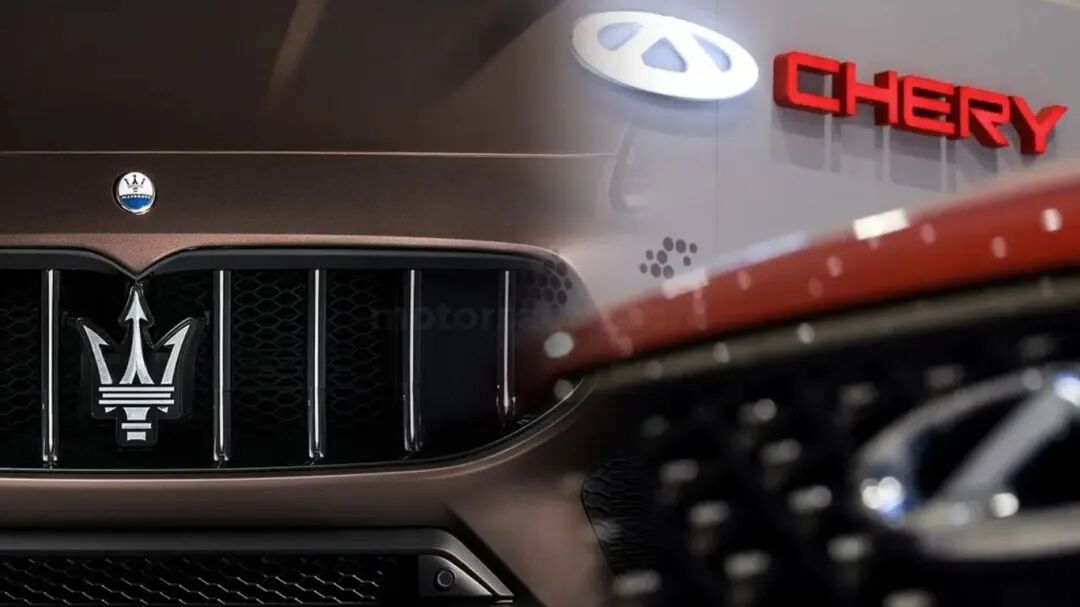
Chery's management reform is taking place alongside a stronger technology story. Recent media reports said Italian luxury brands Maserati and Alfa Romeo were discussing the use of Chery's E0X platform for new-energy vehicles. Chery responded that it had not heard of the matter, while an internal source cited in the article referred to European luxury brands with names beginning with "ma", "a" and "lu", which observers interpreted as Maserati, Alfa Romeo and Land Rover.
The reports remain unconfirmed, but they underline how far Chinese platform technology has travelled. European luxury brands using a Chinese platform would have been difficult to imagine in earlier decades.
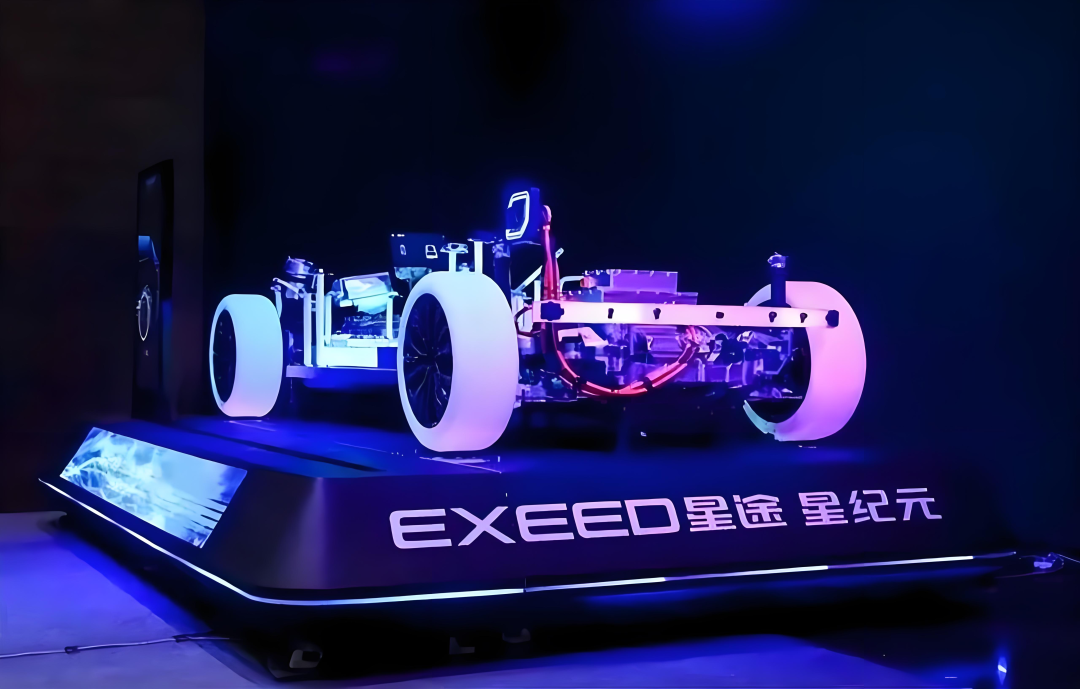
The E0X platform is one of Chery's key technology assets. It took four years to develop, with cumulative investment of roughly $1.4bn. It supports both battery-electric and extended-range powertrains, offers flexible wheelbases from 2,850mm to 3,100mm and integrates 800V high-voltage fast charging that can add 400km of range in 10 minutes.
A new industrial standard is still unproven
The question is whether Chery's leaner management push and E0X platform can together become a new exportable industrial model. Lean management is about reducing waste, improving process discipline and generating more output from less input. Chery's meeting cuts and anti-overtime stance fit that direction.
Combined with an advanced vehicle platform, that approach could help Chinese automakers compete globally not only through low cost, but through better systems. It could also improve the international standing of Chinese brands if overseas partners see Chery as both technically capable and operationally disciplined.
That remains a prospect rather than a proven result. Chery's management reforms and platform strategy still need to be tested by employees, customers and global partners. The significance of Yin's apology is that it admits a hard truth: squeezing workers is not a durable source of competitiveness. The next stage is proving that efficiency and respect can deliver better results.