
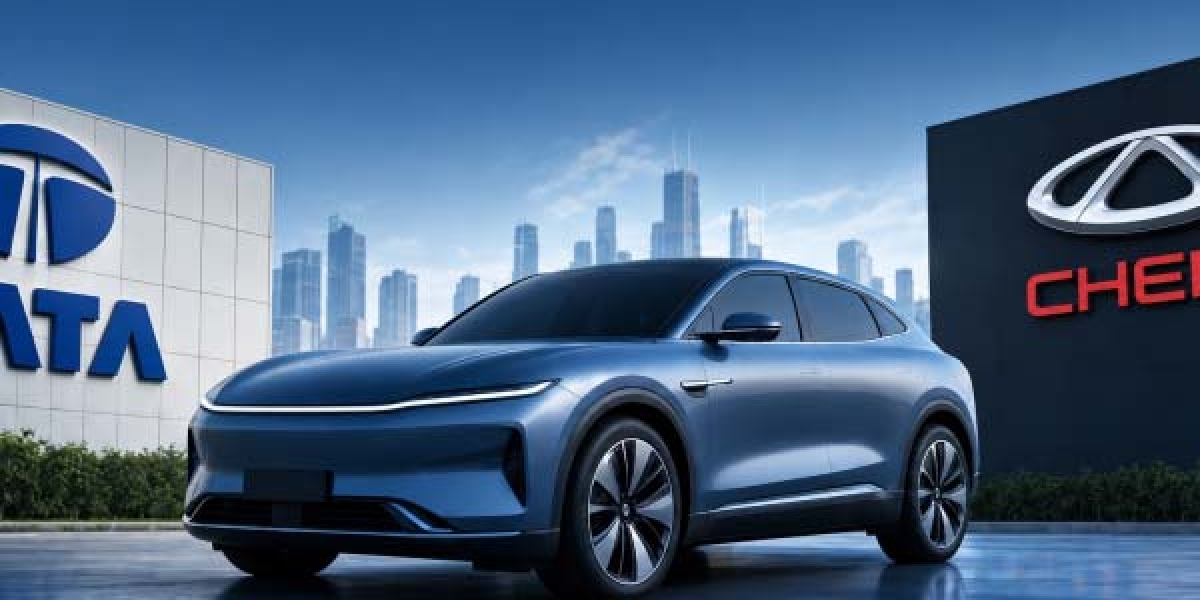
Tata Motors is preparing to use a vehicle platform sourced from Chery Automobile as it pushes ahead with Avinya, its premium electric-vehicle brand for the Indian market, according to overseas media reports. The plan would give India’s largest carmaker a faster route into high-end electric vehicles after earlier plans linked to Jaguar Land Rover’s EMA architecture were put on hold.
A Different Kind of Export
The arrangement is notable not simply because it involves a Chinese platform being used by a major Indian carmaker, but because of the form it is expected to take. Rather than transferring factories, production capacity or the full stack of industrial know-how, the project is understood to rely on CKD kits — complete knock-down vehicle sets shipped for local assembly. In practical terms, that makes the business closer to exporting finished vehicles in parts than handing over China’s EV manufacturing base.
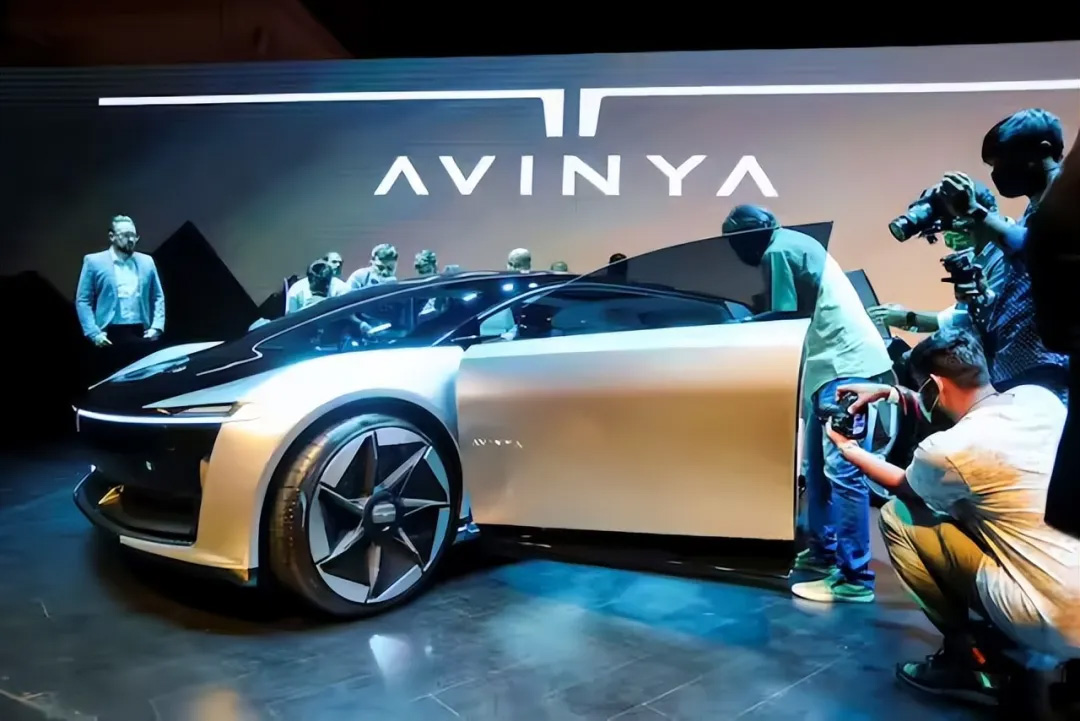
Chery’s Platform Becomes Tata’s Shortcut
The platform at the centre of the plan is linked to the technology base developed through Chery’s joint venture with Jaguar Land Rover in China. Tata is expected to use it to build at least two Avinya models at its plant in Tamil Nadu, with the first vehicle scheduled to arrive in 2027.
For Tata, the logic is straightforward. India’s EV market is growing, but premium electric vehicles remain difficult to develop quickly without a competitive architecture, mature supply-chain support and proven engineering. A Chery-linked platform gives Tata a way to close that gap while keeping the vehicles locally assembled and positioned for Indian buyers.
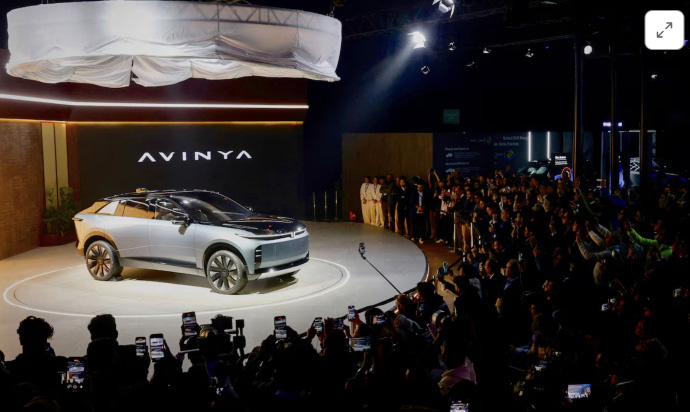
The company is also expected to support Avinya with standalone retail outlets in premium shopping districts across India’s largest cities. That points to a brand strategy aimed less at the mass market and more at urban buyers who are already familiar with global luxury and technology brands.
China’s Carmakers Are Selling Capability, Not Giving It Away
For Chery, the deal highlights a more subtle phase in China’s automotive expansion. Chinese carmakers are no longer relying only on direct vehicle exports, overseas factories or brand-led market entry. They are beginning to monetise platforms, components and engineering systems in ways that generate revenue without necessarily transferring the most sensitive parts of their industrial capability.
That distinction matters. Within China’s auto industry, there has long been concern that aggressive overseas expansion could lead to the loss of technology, production expertise or supply-chain advantages. CKD exports offer a more controlled model. They allow foreign partners to assemble vehicles locally, satisfy market and policy requirements, and build a commercial product — while the core value still flows back through Chinese platforms, parts and engineering packages.
In other words, this is not simply “technology going abroad” in the old sense. It is a way for a Chinese carmaker to earn from overseas demand while keeping the most valuable parts of the system under tighter control.
A Lesson Written Between the Lines
The structure also suggests that China’s automakers are fully aware of the risks that have shaped the global auto industry before. Past waves of international joint ventures often left one side stronger in market access and the other stronger in technology. Chinese manufacturers know that history well. They are unlikely to repeat it blindly.
That is why the Chery-Tata arrangement should be read carefully. It gives Tata what it needs to move Avinya forward, but it does not appear to hand over the whole machine behind China’s EV rise. The value sits in the package, the platform and the recurring supply chain — not in a one-time transfer of factories or industrial control.
A Light-Asset Route to Global Revenue
If the plan proceeds as expected, Chery will have opened another path for Chinese automakers overseas: a light-asset export model built around platforms and CKD kits. It avoids the capital burden of building a new foreign factory from scratch, reduces political exposure compared with direct Chinese-branded expansion, and still allows the company to profit from global electrification.
For Tata, the benefit is speed. For Chery, it is leverage. And for the wider Chinese auto industry, the message is clear: going global does not always mean moving production abroad. Sometimes it means selling the car in pieces, keeping the most valuable technology close, and letting the economics travel further than the factory.