
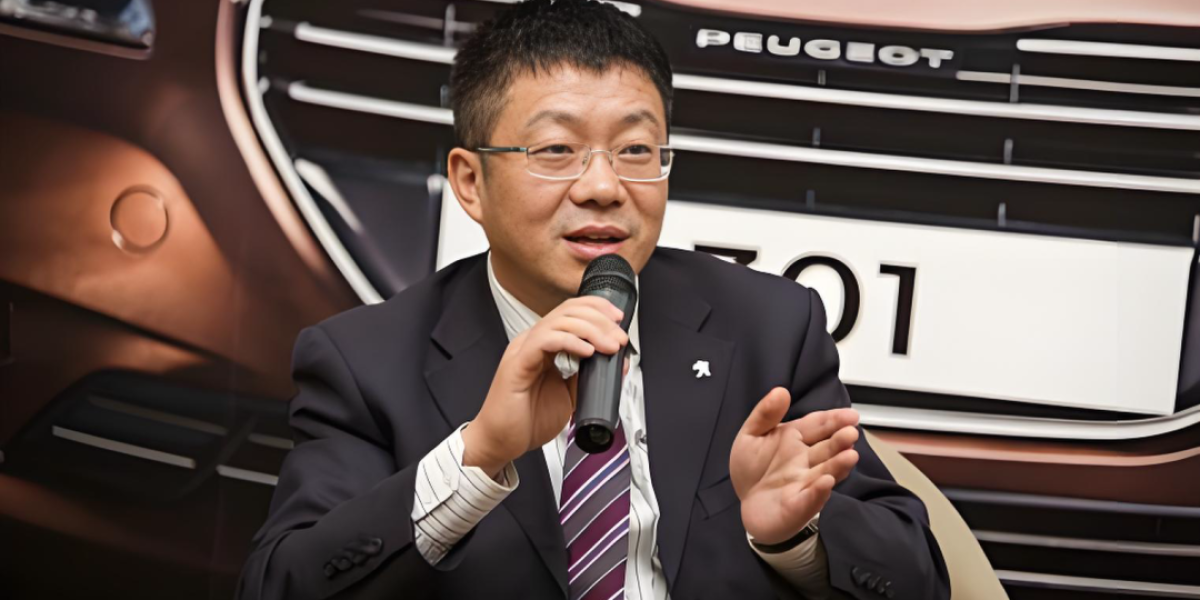
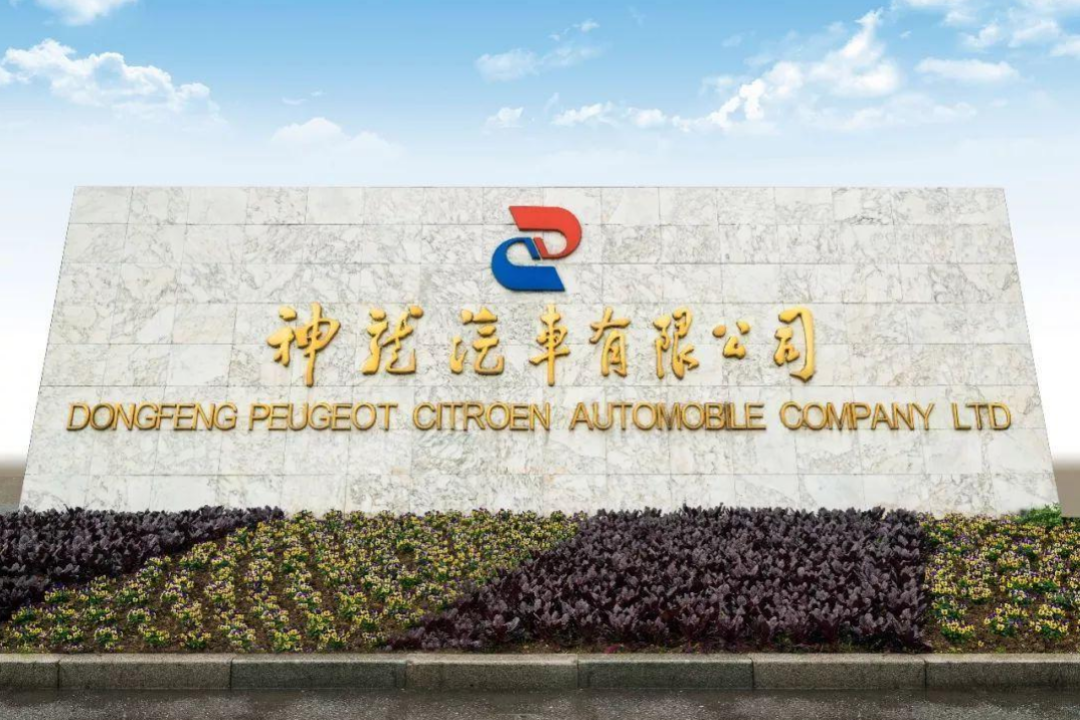
Eight years after leaving DPCA, Lu Haitao has returned to the Dongfeng-Peugeot-Citroën joint venture as general manager.
A return with more than symbolic value
The appointment was announced on October 28, with Lu joining a new leadership team alongside Cheng Jun and Shi Jianxing.
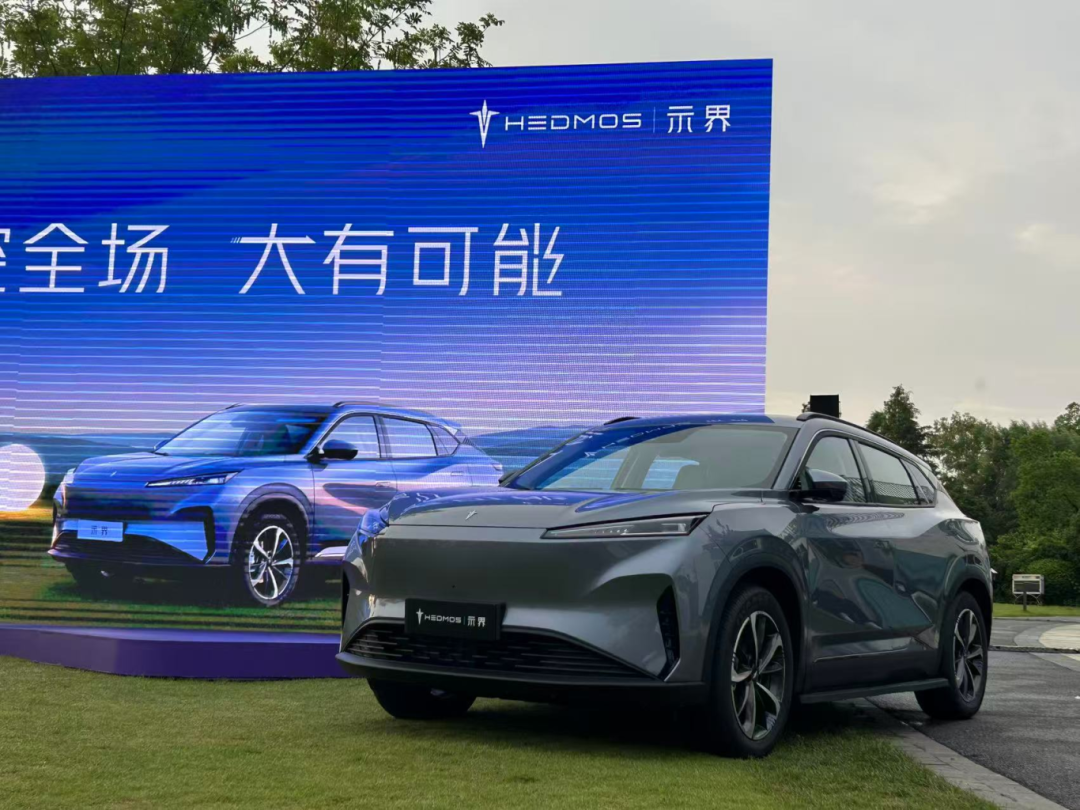
The timing matters. DPCA formally began what it calls a "second start-up" in China earlier in 2025 with the launch of the new Shijie 06. Lu's return gives that effort a stronger link to Dongfeng's group resources and to the joint venture's past strengths.
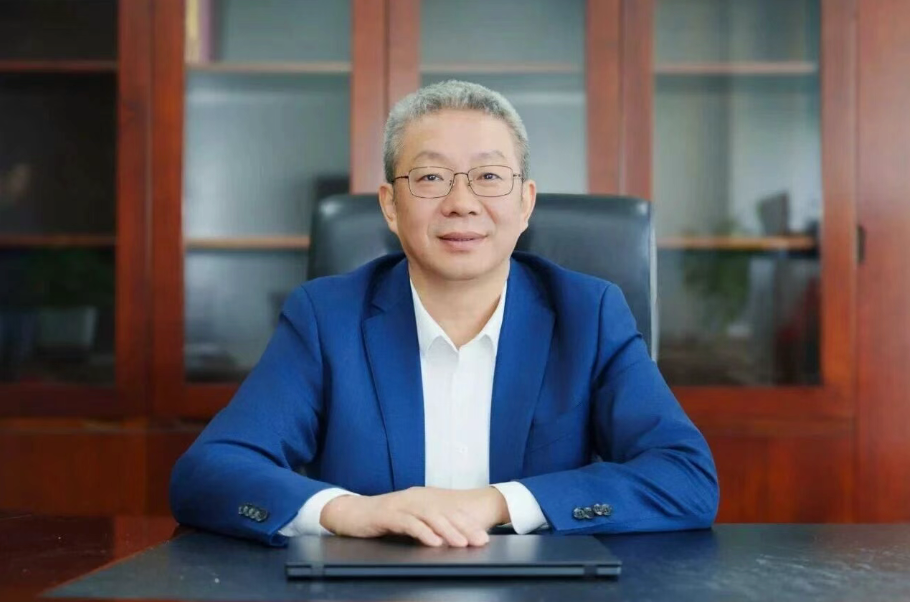
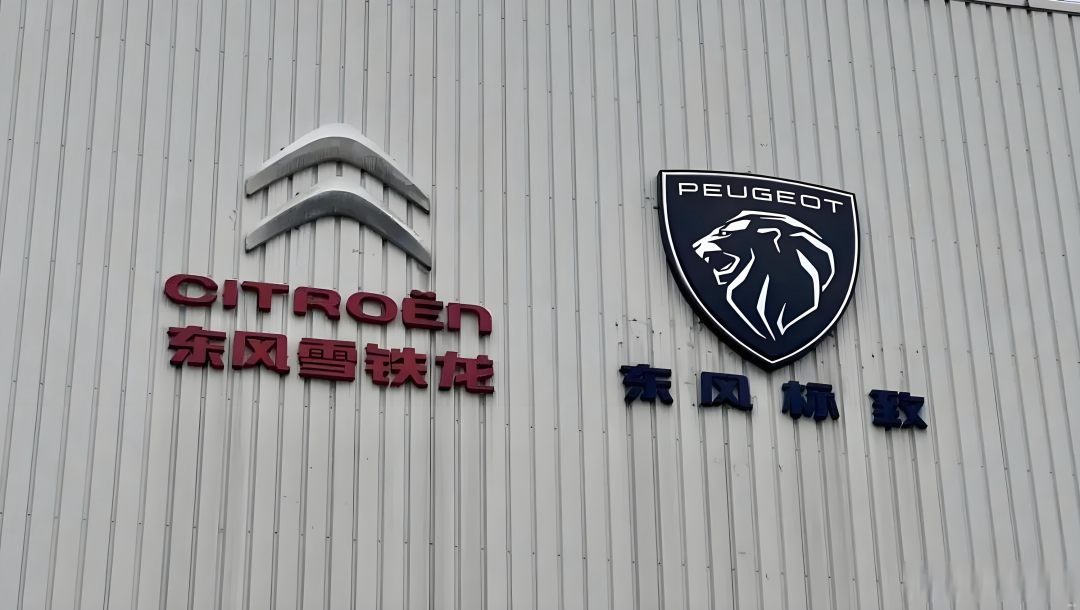
For Dongfeng, DPCA is not just another underperforming joint venture. Since its creation in 1992, it helped build the group's early manufacturing, R&D and channel systems. Many managers now working across Dongfeng Honda, Dongfeng eπ and Aeolus have roots in the DPCA system.
That institutional history explains why Dongfeng appears unwilling to let the business fade. Lu's return is the clearest sign that the group still sees recoverable value in the brand.
Why Lu Haitao matters
Lu joined DPCA in 1992 after graduating from Wuhan University, becoming one of the early builders of the Sino-French joint venture. He worked across procurement, administration and public relations before becoming general manager of the Dongfeng Peugeot brand division in 2012 and deputy general manager for commercial operations at DPCA two years later.
During that period, DPCA reached its historic peak of 700,000 annual sales. Models such as Dongfeng Citroën C4L and Dongfeng Peugeot 308 helped French cars secure a meaningful position in China and lifted Dongfeng's passenger-car manufacturing capabilities.
After leaving DPCA in 2017, Lu moved into Dongfeng Group management roles, including strategy planning, group communications and coordination of the Dongfeng-PSA strategic alliance. That gave him experience beyond one operating company, particularly in shareholder coordination and cross-border cooperation.
His current role has an unusual structure. While becoming DPCA general manager, he retains responsibilities in Dongfeng's strategic planning department and daily communication with Stellantis. That dual position should make it easier to bring Dongfeng's electrification and intelligent-vehicle resources into DPCA while managing the interests of the Chinese and European shareholders.
The depth of DPCA's decline
DPCA still has assets many younger brands lack: more than 30 years of manufacturing experience, mature quality control, a large historic dealer network and millions of past users. At its peak, the dealer network exceeded 1,200 outlets.
Those advantages have not translated into current competitiveness. The brand's first problem is relevance. Its recognition remains strongest among older buyers, former Fukang owners and people connected to the DPCA system. For younger consumers, French cars have become a niche category.
In 2024, French brands held only 1.3 per cent of China's car market, meaning just 13 in every 1,000 buyers chose them. DPCA, as the main representative of French-brand manufacturing in China, has been pulled into that marginalisation.
The second problem is weaker support from the European side. As Stellantis adjusted its global strategy, its focus on China shifted and technology input to DPCA became less forceful. DPCA's once-valued strengths in fuel-car chassis tuning did not carry naturally into electrification, while new-energy technology development increasingly depended on Dongfeng.
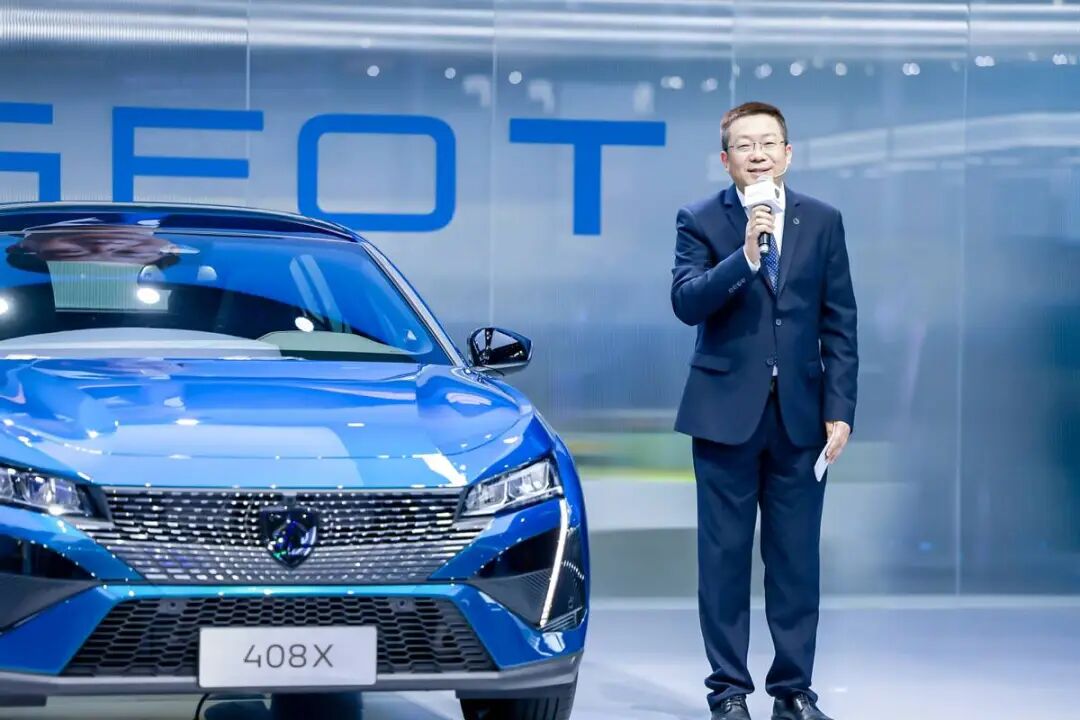
The launch of Shijie reflects that change. The brand is based on Dongfeng's electric architecture, with the Chinese side leading electric-drive and intelligent systems, the French side focusing on design and driving feel, and localisation of the supply chain reaching 92 per cent. That gives DPCA more autonomy, but also makes it responsible for more of the cost and risk.
The third problem is channels. DPCA's dealer network has shrunk from more than 1,200 at its peak to fewer than 400 in 2024, with many outlets concentrated in lower-tier markets. Weak coverage in first- and second-tier cities makes purchasing and aftersales less convenient, which further damages confidence.
What a turnround would require
DPCA's first task is to reactivate its user base. By February 2024, the company had more than 6.37 million customers. Research cited in the article suggests there are about 6.5 million French-car consumers in China and more than four million French-brand vehicles still on the road.
That base is not enough by itself, but it gives DPCA a starting point. Old users can become advocates if the company restores service confidence and offers credible replacement products.
The second task is using Dongfeng resources more effectively. Shijie already shares Dongfeng's electric platform and may later use intelligent-assisted-driving systems developed through Dongfeng's cooperation with Huawei. The opportunity is to combine French driving character with Chinese intelligent technology rather than pretend the old joint-venture model still works.
DPCA also retains manufacturing and quality strengths. The company has received national and regional quality awards, and within Stellantis' global factory system, its Wuhan and Chengdu plants rank highly for manufacturing quality, according to the article. That could support reliability if it is matched with modern product technology.
Shareholder coordination remains important. Reports have suggested Stellantis and Dongfeng are discussing deeper cooperation, and some market speculation has pointed to possible Jeep and M-Hero links. If such cooperation advances, a model in which China supplies new-energy technology and the European side supplies brands and global channels could indirectly benefit DPCA.
A rescue built on roots, not nostalgia
Lu Haitao's return does not solve DPCA's problems. The company still faces a weak brand image, a smaller network, slow new-energy transformation and intense competition from Chinese automakers.
What his appointment does provide is a chance to connect dormant assets with Dongfeng's current resources. DPCA has users, factories, quality systems and a historical place inside Dongfeng. It needs products, clearer positioning and faster localisation.
The second start-up will work only if DPCA stops treating French heritage as enough and turns it into a differentiated Chinese-market offer: credible electric technology, intelligent features, reliable manufacturing and a service promise that brings old users back into the story.