Dongfeng Motor's plan to create Eπ Auto Technology has been framed as a major step in restructuring its independent passenger-car business.
A technology-company label is not enough
The new company is expected to integrate resources across business, research, manufacturing, procurement, sales and after-sales operations.
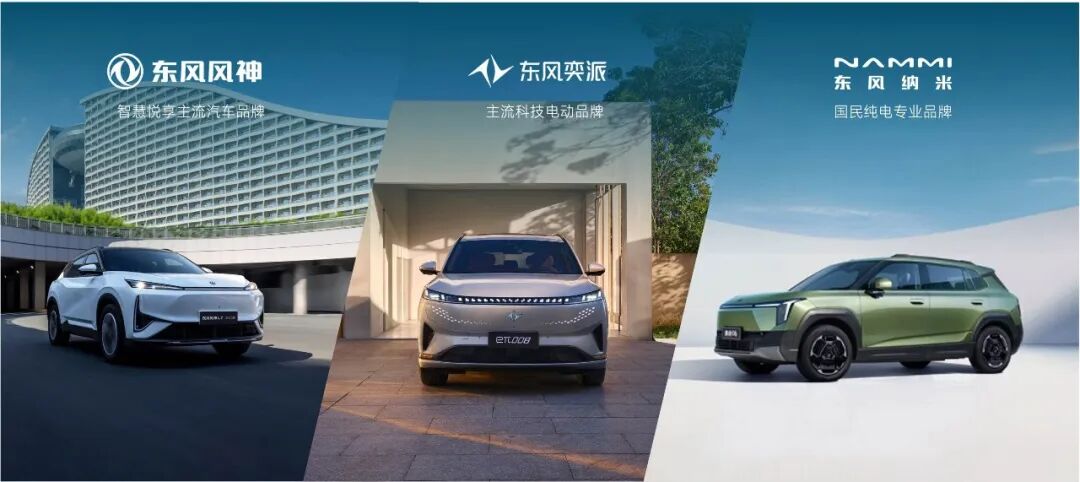
The integration mainly covers Dongfeng's AEOLUS, Eπ and Nammi brands. The goal is to create a more unified operating model, improve efficiency, lower costs and accelerate technology deployment.
Reports suggest the new Eπ Technology unit may follow Voyah's model by building complete automaker functions, especially research and development. Voyah chief technology officer Wang Junjun is reportedly expected to become general manager of the new company, with core executives and teams from Dongfeng's central research institute moving into the structure.
The timing is sensitive. The move came about 20 days after a possible Dongfeng-Changan restructuring unexpectedly stalled, making the internal integration look like a necessary self-rescue effort after an external alliance opportunity faded.
The sales base is under pressure
Dongfeng sold 672,700 vehicles from January to May 2025, down 17.1 per cent year on year. Voyah sold 46,000 vehicles, up 85.2 per cent, while the three brands involved in the integration, AEOLUS, Eπ and Nammi, sold a combined 81,000 vehicles.
In an industry where Geely and SAIC are also accelerating brand consolidation, Dongfeng's previous multi-brand expansion has left it with a large but not especially strong matrix. The integration is meant to concentrate resources, but the differences among the brands make coordination difficult.
AEOLUS still relies heavily on petrol vehicles. Nammi focuses on small battery-electric cars. Eπ targets mainstream new-energy products around $14,000 to $21,000. Their platforms, technology routes and customer groups differ. If standardisation is not achieved early, research resources could remain fragmented.
Voyah is deliberately left outside
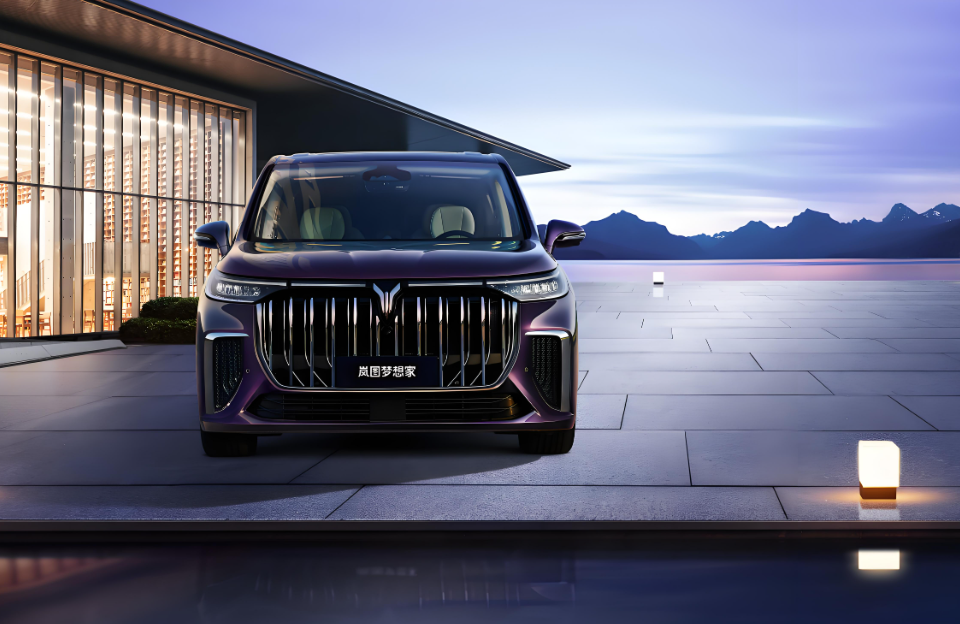
Voyah has not been included in the Eπ Technology integration. That has raised questions about future resource allocation, especially if Dongfeng channels more research budgets and supply-chain priority toward the mainstream market.
The separation has logic. AEOLUS, Eπ and Nammi can concentrate on the roughly $14,000 to $28,000 market, where cost sharing matters most. Voyah can focus on higher-end new-energy vehicles above roughly $42,000, where technology and customer expectations differ.
The challenge is to make that layered structure work without internal resource conflict. Dongfeng must ensure that the mainstream and premium tracks do not weaken each other.
Can the Voyah model be copied?
Voyah's model can be summarised as institutional breakthrough plus technology focus. In 2021, Voyah became an independent legal entity with a mixed-ownership structure combining state capital, more than 10 per cent employee follow-investment and strategic investment. It also shortened decision layers and concentrated resources on new-energy technology.
Technically, Voyah built the ESSA native intelligent electric architecture and a centralised SOA electronic and electrical architecture, reportedly costing more than about $694mn.
Eπ Technology faces a harder starting point. Voyah was a new brand with more autonomy and no legacy petrol business to defend. Eπ must coordinate AEOLUS, Nammi and its own new-energy work, while dealing with older teams, older assets and different technical histories.
AEOLUS has more than 20 years of history and a petrol-car team with strong legacy dependence. Petrol vehicles are often the profit base for traditional automakers, so teams can become cautious about new-energy transition if they fear their own interests will be weakened.
Nammi's earlier models, such as Nammi Box, were developed on Renault's CMF-B electric platform. That helped accelerate product launch, but it also creates questions around intellectual property, technology iteration and independence if Eπ tries to integrate those resources.
Integration may be necessary, but not sufficient
Industry consolidation is now a reality rather than a forecast. New-energy vehicle penetration above 45 per cent is forcing automakers to move from scale expansion toward quality, technology and cost discipline. Geely's Zeekr-Lynk integration and Nio's efforts around Onvo and Firefly show the same broad direction.
Real integration is not only about putting brands under one company. It requires research-system restructuring, supply-chain alignment, differentiated market positioning and faster decision-making.
Dongfeng's direction looks partly defensive. Voyah faces strong competition from Nio, Li Auto and other premium new-energy brands. M-Hero focuses on electric off-road vehicles and is challenged by BYD's Fangchengbao. Concentrating AEOLUS, Eπ and Nammi may help protect Dongfeng's mainstream volume base while the premium side develops separately.
The risk is that the new group competes mainly on value and equipment without a distinct technology advantage. If Eπ Technology lacks unique core technology, integration may reduce some cost but fail to create long-term differentiation.
The hardest part is changing habits
Dongfeng's failed external restructuring discussions with Changan hinted at problems such as management hierarchy, brand overlap and internal interests. Internal integration avoids some external conflict, but it moves many tensions inside the group.
AEOLUS has an old-brand legacy, Nammi has a small-EV base, and Eπ is supposed to become the intelligent new-energy test field. All three need resources, channels and talent. Without clear rules, the new company could become another layer of coordination rather than a faster operating platform.
Dongfeng's integration is a constrained attempt to escape the old full-line legacy-automaker model. It wants to shed petrol-era inertia, but it cannot simply become a technology company by adding the word to its name.
The real test will be whether decision processes, user thinking, technical priorities and incentives change. Without that, Eπ Technology risks becoming a new label on an old operating system.