
A joint venture has committed $1.22 billion not simply to develop new cars, but to separate its future from its past.
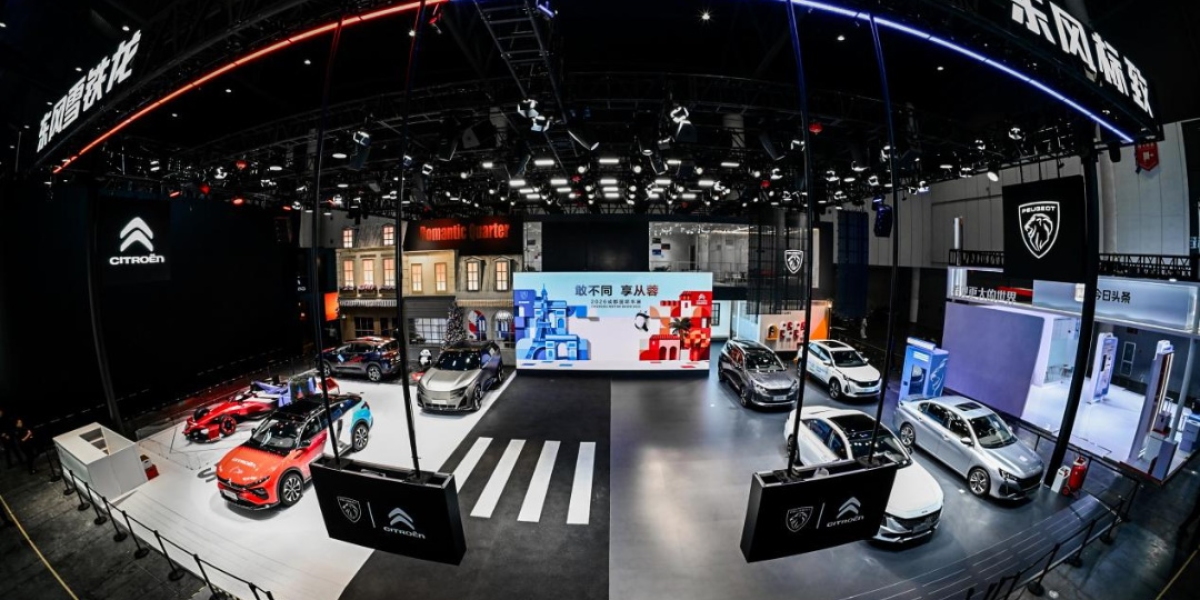
At the 2026 Chengdu Motor Show, the centrepiece of DongFeng Peugeot-Citroën Automobile's stand was the sharply styled Peugeot Concept 8. Around it sat several combustion-engine models that had already been on sale for years. What the company could not show was a production-ready new-energy vehicle capable of reaching customers soon.
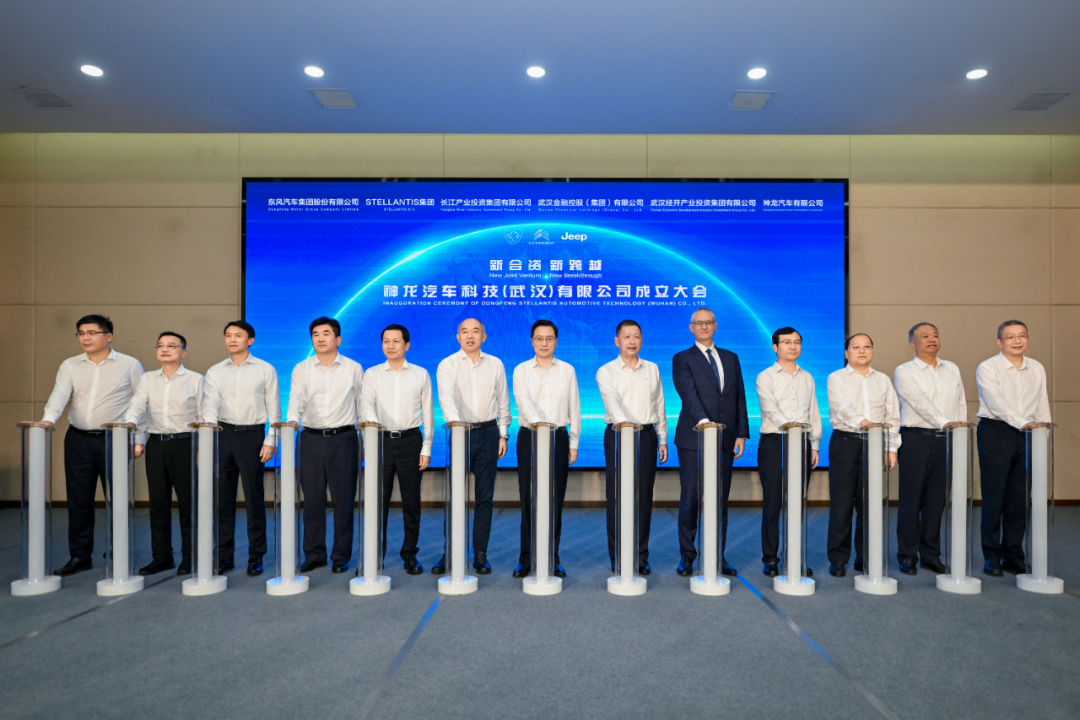
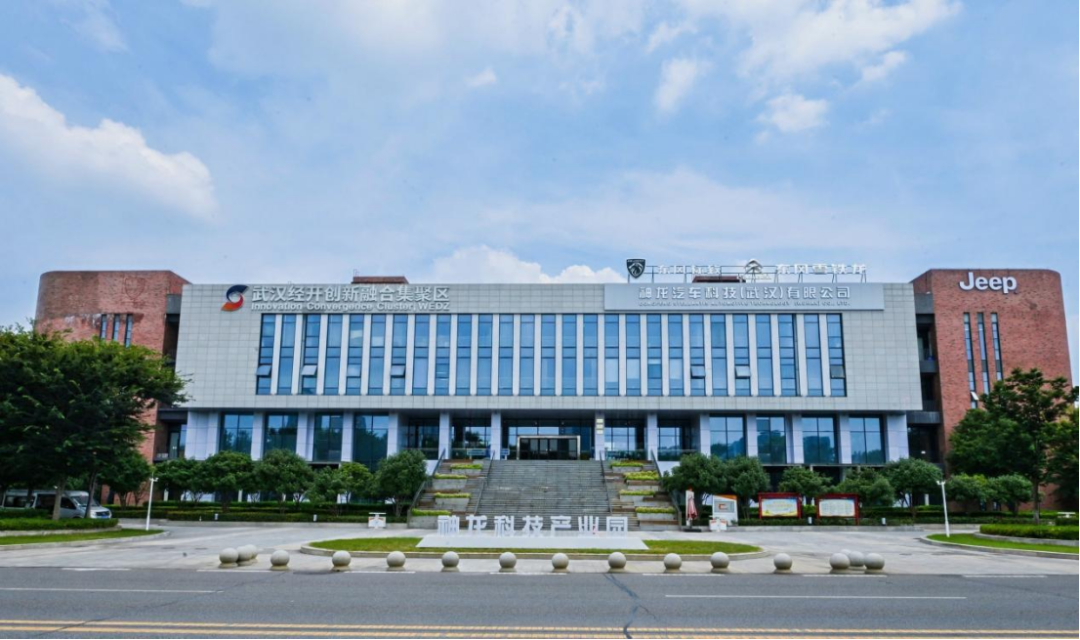
The display was the first major public appearance by the business after the registration of Shenlong Automotive Technology (Wuhan) Co., the new entity commonly described as DPCA Technology. Its creation marks the most consequential attempt in years to revive the Chinese operations behind Peugeot and Citroën — and to bring Jeep production back to China.
The division of labour is deliberate. The existing DPCA operation will concentrate on manufacturing, legacy combustion models and after-sales support. DPCA Technology will invest in and develop new vehicles, plan products, operate the brands and lead marketing. A company representative has described the arrangement as an integrated operation with clearly divided responsibilities.
Behind that corporate language lies a stark commercial calculation. Peugeot and Citroën's combined retail share in China fell to about 0.2% in 2025, with individual brands recording monthly sales in the hundreds on several occasions. Pouring fresh capital directly into the old structure would have exposed the new programme to years of accumulated liabilities, excess capacity and organisational strain.
The alternative was to build a new vehicle for the future business while leaving much of the historical burden where it already sat. The $1.22 billion in registered capital will support product development, but its more immediate purpose is institutional: to ring-fence a new electric-vehicle strategy from the risks attached to the old joint venture.
That may be rational. It also raises the question at the heart of the project: can a cleaner corporate structure revive brands that have spent a decade retreating from the world's most competitive car market?
The $1.22 Billion Logic of Separation
DPCA's place in China's automotive history is difficult to overstate. DongFeng and Citroën established the joint venture in 1992. Its Fukang became one of the three defining saloons of China's early mass-car market, alongside Volkswagen's Santana and Jetta.
The company reached a peak of 711,000 vehicle sales in 2015. What followed was a near-continuous decline: 600,000 in 2016, 378,000 in 2017, 253,000 in 2018 and 117,000 in 2019. Sales fell to 50,300 in 2020. A brief recovery lifted the figure to 100,000 in 2021 and 127,000 in 2022, before volumes slipped again to 80,300 in 2023, 68,300 in 2024 and 51,500 in 2025. The company sold 7,825 vehicles in the first two months of 2026, down 10% from a year earlier.
The financial record explains why investors chose separation rather than a conventional recapitalisation. At the end of 2024, DPCA had assets of about $2.18 billion and liabilities of roughly $1.66 billion, giving it a debt-to-asset ratio of around 76%. It lost approximately $112 million in 2024 after a loss of about $186 million in 2023. Cash and cash equivalents had fallen to just under $14 million.
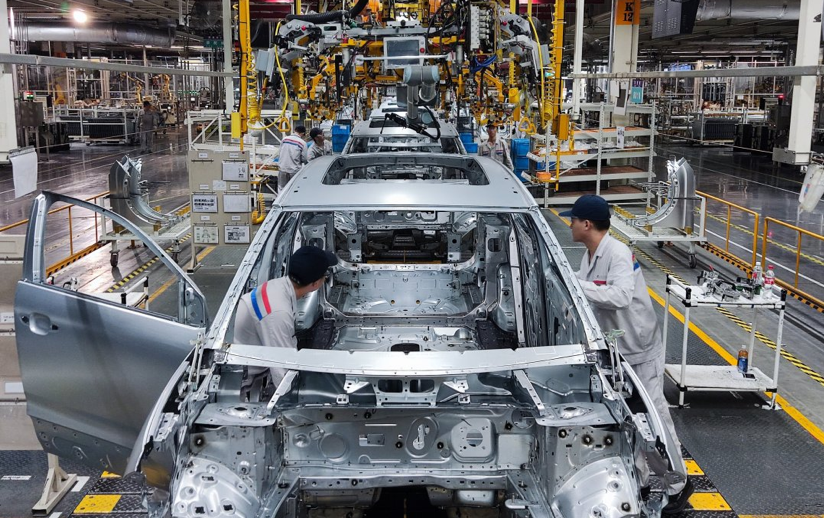
Its factories were also operating far below their intended scale. Against nominal annual vehicle capacity of about 390,000 units, DPCA produced 58,540 vehicles in 2024, implying utilisation of only 15%. In 2023, the company transferred some land and plant assets in Wuhan and Xiangyang to DongFeng, then leased them back. The transaction generated an asset-disposal gain of about $255 million and offered short-term relief, but did not resolve the underlying demand problem.
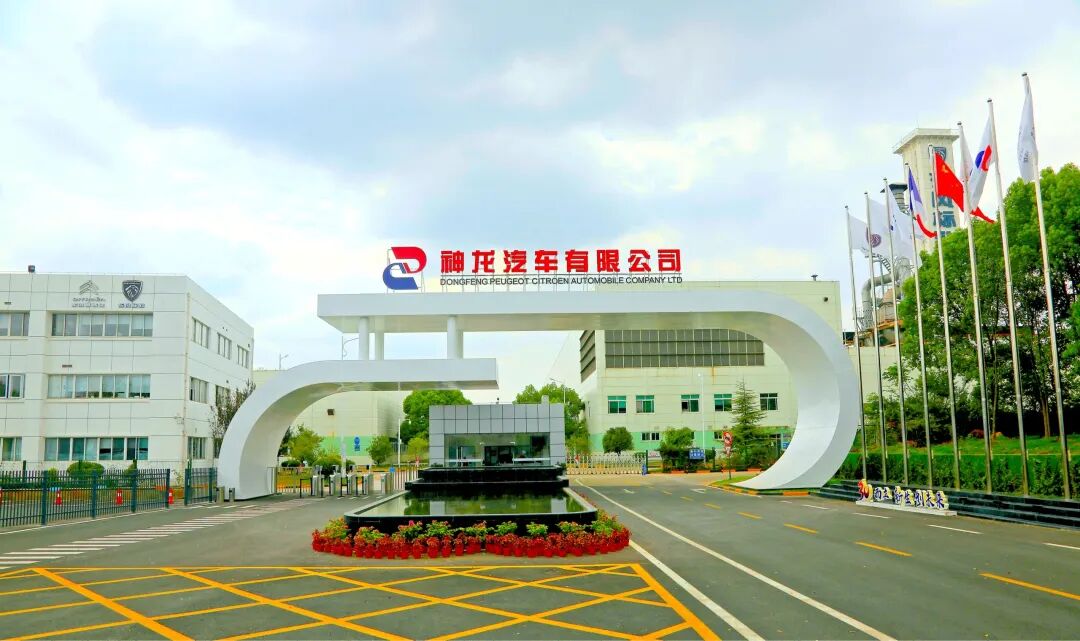
DPCA Technology is therefore not an expansion of the old company's capital base. It is a separate legal entity. The existing business retains its historical debts and workforce obligations while supplying manufacturing services to the new operation. The new company receives the relevant brand rights for future programmes and uses the industrial assets already in place.
Under the plan, DPCA Technology will oversee investment, technology integration, product development and commercial operations. Stellantis will contribute the Peugeot and Jeep brands, design expertise and access to international distribution. The existing DPCA business will build the vehicles for a manufacturing fee while continuing to produce and support its remaining combustion-engine range.
The shareholding structure adds another layer. DPCA itself has committed about $294 million for a 24.13% stake, making it the largest single shareholder. DongFeng Motor and Stellantis have each committed around $165 million and hold 13.53% apiece. Three state-owned investment groups — Changjiang Industry Investment Group, Wuhan Financial Holdings and Wuhan Economic Development Zone Industrial Investment — together control about 48.8%, backed by commitments equivalent to roughly $595 million.
It is rare for provincial, municipal and development-zone capital to take such a large combined position in a Sino-foreign car venture. In practical terms, DPCA Technology resembles a locally backed international carmaker more than the balanced joint ventures that shaped China's industry for decades.
That support can bring financing, industrial coordination and political commitment. It can also create competing priorities. The interests of a global carmaker, a central state-owned manufacturer, an indebted legacy venture and three local investment groups will not always align. Product decisions and capital allocation could become harder if the shareholders disagree over whether the priority is domestic recovery, exports, employment or factory utilisation.
China's Joint-Venture Script Runs in Reverse
The financial ring-fence is the tactical part of the plan. The deeper change concerns who supplies the technology and who supplies access.
Since China's first automotive joint venture was formed in 1983, the prevailing bargain was straightforward: the Chinese partner provided market access and manufacturing conditions, while the foreign partner supplied vehicle technology and brands. DPCA Technology reverses much of that formula.
DongFeng is expected to provide the new-energy platform, advanced driver-assistance systems and electrical and electronic architecture. Stellantis will bring Peugeot and Jeep brand equity, product design capabilities and a global sales network. The companies describe the approach as a locally led joint-venture model built around Chinese innovation for global use.
This is less an extension of the old “market for technology” era than an attempt to export Chinese engineering through established Western brands. It reflects the shift in competitive advantage that has taken place across batteries, electric drive systems, digital cockpits and vehicle software.
The arrangement is also vulnerable to an identity problem. If the Chinese side provides the platform and most of the electric and digital technology, Stellantis risks being seen as contributing little beyond badges, styling and distribution. The vehicles must combine locally developed systems with the attributes customers still associate with Peugeot and Jeep. A technically capable product that feels generic would weaken the very brand advantage the structure is designed to exploit.
Jeep's Third Attempt at Local Production
Jeep offers the clearest test of the reversed model. The brand has already gone through two cycles of local production in China. Beijing Jeep, formed in 1983, became the country's first automotive joint venture. A later partnership under GAC Fiat Chrysler began local production in 2015 and reached annual sales of about 220,000 vehicles in 2017 before collapsing as volumes and finances deteriorated.
Its return through DPCA Technology will be Jeep's third attempt to establish a durable manufacturing base in China. For Stellantis, using China's mature electric-vehicle supply chain is a pragmatic way to accelerate Jeep's electrification. Local expertise in batteries, motors, connected cabins and driver assistance can address areas where the group has struggled to match faster-moving Chinese rivals.
For DPCA Technology, Jeep broadens a product portfolio that would otherwise depend heavily on French brands with limited reach in China. It may also help put idle Wuhan capacity back to work and provide export demand that is less dependent on a domestic recovery.
The badge alone will not be enough. Jeep's previous local ventures ended with damaged dealer confidence and a reduced retail footprint. Its global name recognition remains considerable, but Chinese consumers have more choices in rugged-looking electric and plug-in hybrid sport utility vehicles than they did even three years ago. Brands such as BYD's Fangchengbao, Great Wall Motor's Tank and several newer entrants have already turned that segment into a crowded battleground.
Four New Vehicles and a One-Year Clock
The strategy ultimately depends on products. The first phase calls for four new-energy vehicles from 2027: two Peugeot models and two Jeep off-road models, spanning battery-electric and plug-in hybrid powertrains. They are expected to use locally developed battery, motor and power-control systems, digital cockpits and advanced driver-assistance technology.
The ambition is summarised as engineering in Wuhan, manufacturing in Hubei and selling worldwide. DPCA's China operations have already demonstrated an ability to supply overseas markets with the Citroën C5 X. Turning one export programme into a repeatable global product system will be considerably harder.
From the new company's registration in August 2026 to the planned arrival of its first vehicle in 2027, DPCA Technology has roughly a year to assemble teams, integrate technology, establish suppliers, rebuild distribution and prepare production. That is a compressed timetable for any new operating company. It is especially demanding in China, where electric-vehicle specifications, software functions and price expectations can change within months.
The market's leading companies have already built advantages in intelligent features, cost control, rapid development and direct customer access. A programme designed in 2026 may look dated by the time it reaches showrooms if software, charging performance or driver-assistance capability is locked too early. Speed matters, but shortening validation risks repeating the quality and ownership problems that previously hurt both French brands and Jeep.
Rebuilding brand awareness will take longer than developing the cars. Industry retail data put total French-brand sales in China at 42,561 vehicles in 2025, equal to only 0.2% of the market. Peugeot and Citroën have spent years on the margins, while their dealer networks have contracted. Jeep faces its own legacy of interrupted partnerships and declining service coverage. Restoring customer confidence will require sustained marketing, reliable after-sales support and enough volume to make dealerships economically viable.
Exports bring a different set of complications. Vehicles intended for Europe, South America and the Middle East must satisfy different regulations, safety requirements and consumer expectations. European buyers face stringent emissions and safety standards; many South American markets place greater weight on affordability; buyers in parts of the Middle East often prioritise durability in demanding conditions. Those requirements need to be embedded at the product-definition stage, placing pressure on engineering flexibility and supplier response times.
A New Structure Cannot Substitute for a Competitive Car
DPCA Technology's registered capital is funding more than four vehicles. It supports a risk-separation mechanism and an experiment in the future of China's joint-venture system. Industrial capital may give the company room to act, while DongFeng's technology and Stellantis' brands offer a plausible division of strengths.
The structure addresses several old problems. It protects new investment from legacy liabilities, gives local government investors a direct stake in the outcome and assigns the Chinese partner a larger technological role. It does not, by itself, solve weak demand, diminished brand relevance, a thin dealer network or the pace of China's electric-vehicle competition.
Few expect Peugeot, Citroën or Jeep to return quickly to DPCA's 2015 peak of 711,000 vehicles. That is not the only measure of success. A smaller operation could still work if it builds competitive products, uses capacity efficiently and finds a sustainable balance between Chinese sales and exports.
The risk is that the corporate solution proves more convincing than the cars. If product execution, launch timing or distribution falters, $1.22 billion may buy little more than an elaborate transition. If the model works, it could offer a blueprint for other struggling joint ventures: Chinese technology beneath global brands, backed by local capital and aimed beyond the Chinese market.
The next year will decide which interpretation prevails.