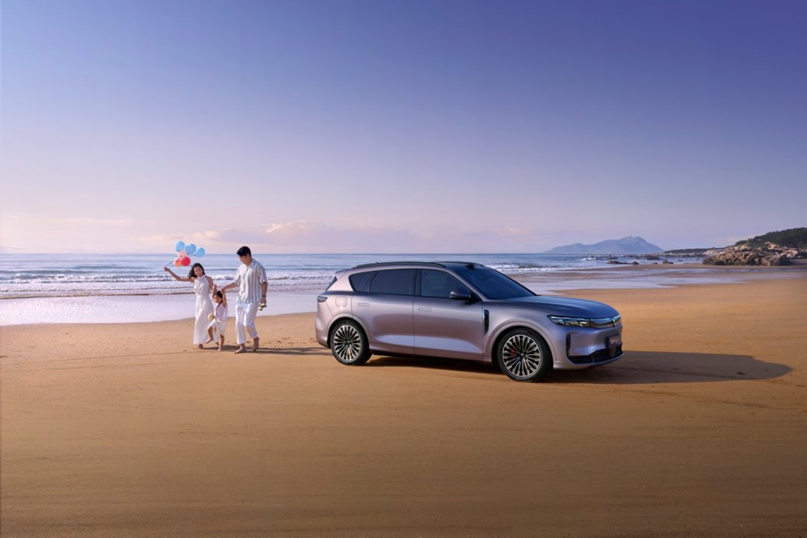
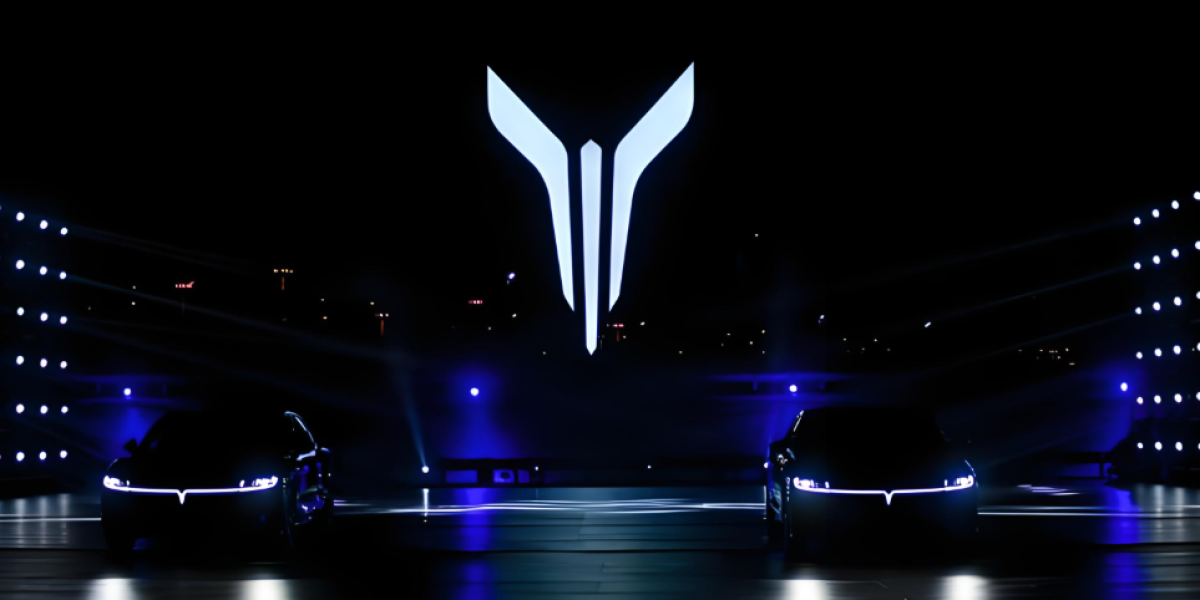
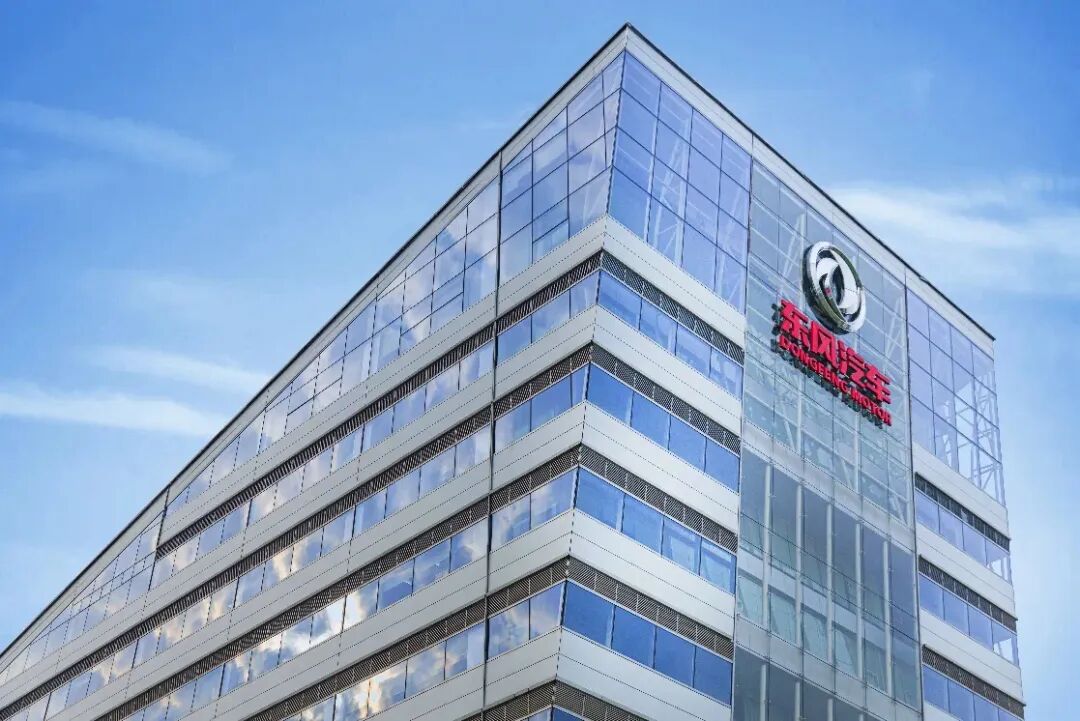
Dongfeng Motor has announced that Voyah, its premium new-energy vehicle brand, will list on the Hong Kong Stock Exchange by introduction, while Dongfeng Group begins a privatisation process.
A listing without new shares still changes the story
The structure means Voyah will not issue new shares or raise fresh capital at listing, but the move is still strategically important.
For Voyah, the listing marks a shift from being Dongfeng's premium new-energy nameplate to becoming a separate capital-market entity. For Dongfeng, it is an attempt to build a more direct loop between technology investment, product launches and future financing capacity.
The timing matters. China's new-energy vehicle market has moved beyond its subsidy-led first phase into a more difficult period where product quality, technology depth, brand strength and access to capital are all being tested. State-owned automakers, long associated with scale rather than premium appeal, are under pressure to prove they can compete at the higher end of the market.
Voyah builds its case through products
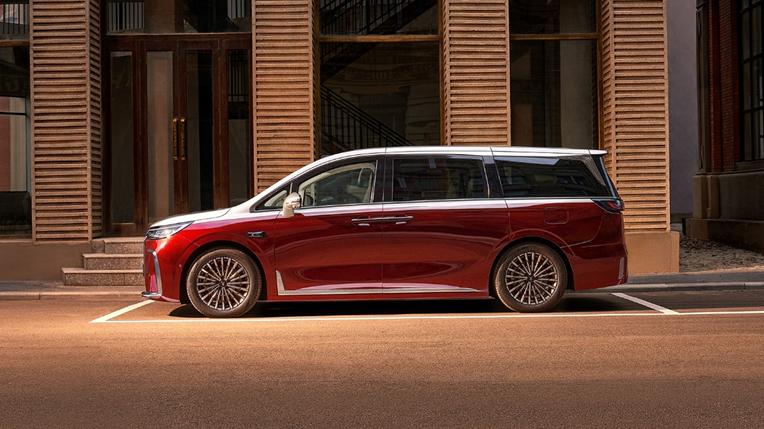
Voyah has tried to establish itself through a broad line-up rather than a single hit. In three years it has covered SUVs, MPVs and sedans, and over five years it has built a five-model portfolio. In 2024, deliveries reached 85,697 vehicles, up nearly 70 per cent. The brand has also recorded five consecutive months above 10,000 units and cumulative production above 200,000 vehicles.
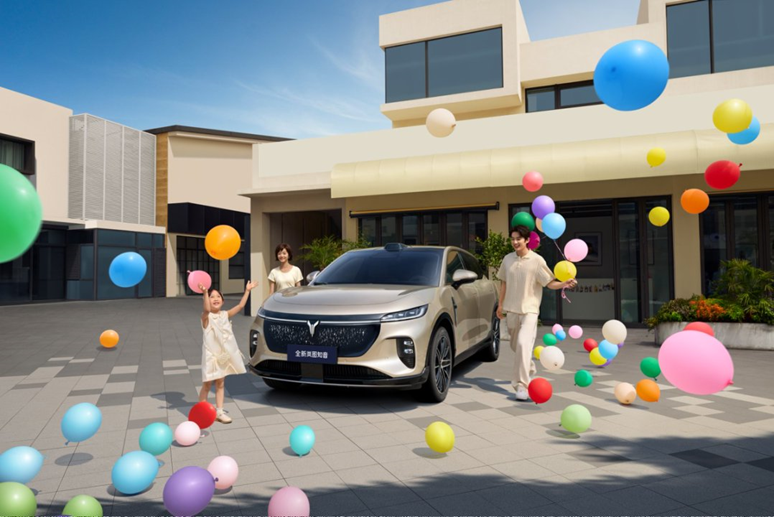
The Dreamer MPV has stayed near the top of China's new-energy MPV market since 2023, often competing for monthly leadership. The Voyah Free+ secured 11,583 locked-in orders within 15 minutes of launch, according to the company. The new Voyah Zhiyin, developed with Huawei, opened pre-sales as a family electric SUV and has been positioned alongside the Free+ as part of a stronger SUV push.
Voyah plans to launch the new Zhiyin on August 28, open pre-sales for the 2026 Dreamer at the Chengdu motor show on August 29 and introduce a full-size six-seat SUV before year-end. Its aim is to build a product matrix across the roughly $42,000 to $83,000 premium segment, spanning family use, business transport, hybrids and pure electric vehicles.
Technology is central to the premium pitch
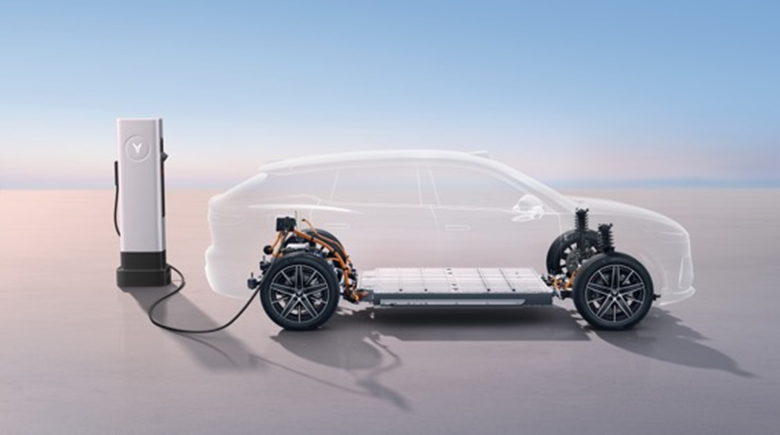
Voyah's technology strategy combines internal research with partnerships. Its ESSA native intelligent electric architecture was developed in-house and is designed to support SUVs, MPVs and sedans as well as both battery-electric and hybrid powertrains.
Its hybrid work is also part of the brand's argument. The Lanhai intelligent hybrid system, launched on August 22, is described by the company as the world's first intelligent super-hybrid 800V technology. A 63kWh battery is designed to give mid-to-large hybrid vehicles 360km to 410km of electric range, addressing common complaints about short electric-only range and slow charging in plug-in hybrids.
Voyah has also invested in assisted-driving and safety architecture. In April, it introduced Tianyuan, an L3 intelligent architecture, along with the Qingyun L3 intelligent safety platform and Kunpeng L3 advanced driving system. The company is using these systems to support a premium identity based on safety and intelligence rather than badge heritage alone.
A two-part capital transaction
Voyah's Hong Kong route combines a listing by introduction with the privatisation of Dongfeng Group shares. The proposed overall acquisition price is HK$10.85 per share, made up of HK$6.68 in cash and HK$4.17 in Voyah equity consideration.
A listing by introduction allows already-issued securities to trade on the Hong Kong exchange without a fresh share sale. For Voyah, that offers speed and stability: it can obtain listed status without the longer pricing and issuance process of a conventional initial public offering, and existing shareholder proportions are not diluted at the listing point.
Dongfeng Group's privatisation is designed to simplify resources around Voyah. By buying out minority shareholders in Dongfeng Group shares and delisting that vehicle, Dongfeng can make Voyah its main listed premium new-energy platform and direct more resources toward product development, overseas expansion and future financing.
Minority shareholders are offered both cash and Voyah equity, giving them a choice between immediate value and participation in the growth of the new-energy brand. The structure is unusual in an industry where listings are often framed simply as fundraising events and privatisations as cash exits.
User relationships add a softer advantage
Voyah is also trying to separate itself from older state-owned habits by emphasising user co-creation. The company says more than 73 per cent of over 1,300 upgrades to the Free+ came directly from user suggestions.
That approach extends beyond product revisions. Voyah owners have organised events, created long-term reviews and promoted the brand voluntarily, helping turn some customers into informal advocates. In a crowded premium EV market, that emotional connection can matter as much as specifications once hardware gaps narrow.
A test case for state-backed premium EV brands
Voyah's logic is now clear: use products to gain visibility, technology to support premium pricing, capital markets to improve strategic flexibility and users to build loyalty. The Hong Kong listing does not solve all of those challenges, but it gives the brand a more independent platform from which to pursue them.
For Dongfeng and other state-backed automakers, Voyah will be watched as a test case. If it can turn capital-market status into faster technology development, stronger exports and a clearer premium identity, it may offer a model for how China's traditional state-owned groups can compete in the upper end of the electric market.