
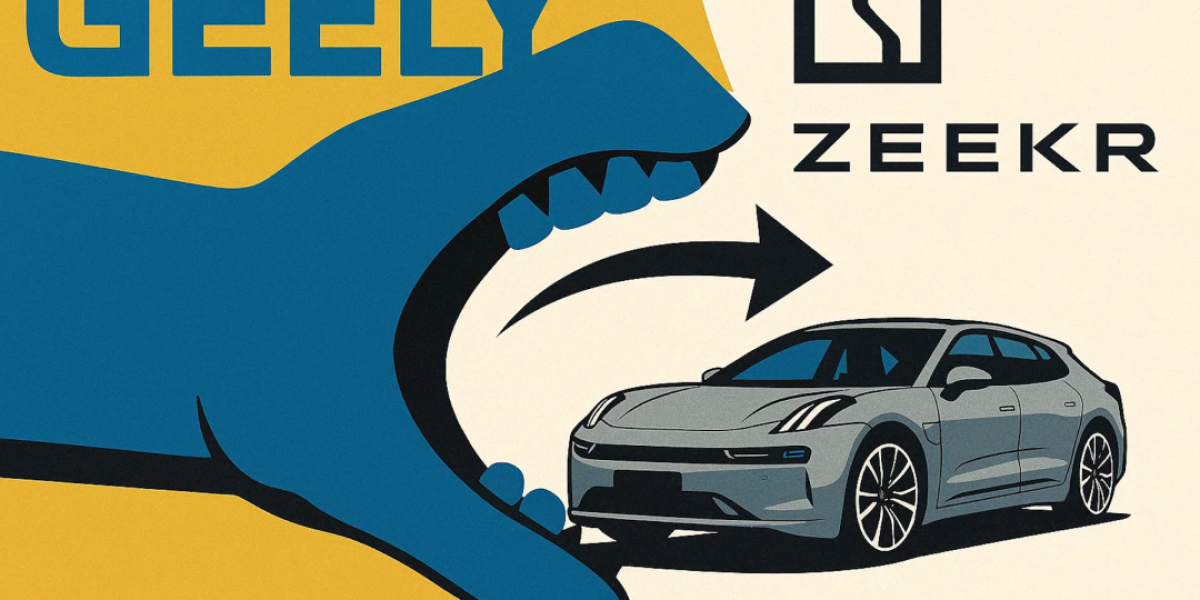
Geely's agreement to privatise Zeekr in a deal valued at about $2.4bn has triggered debate over whether the move is a strategic consolidation or a retreat from overseas capital markets. The timing suggests it is more than a simple delisting.
A privatisation with strategic intent
As China's price war cools and the industry shifts toward higher-quality competition, Geely is trying to reorganise for a world where technology, supply chains and global channels matter more than independent brand financing.
The deal also fits the "One Geely" direction set out in Li Shufu's Taizhou Declaration. Zeekr may have benefited from independent financing in its early phase, but global competition now requires closer access to Geely's engineering base, supply network and overseas infrastructure.
Why a US listing became less useful
An auto analyst close to Geely's management, cited in the article, argued that Zeekr's overseas listing no longer brought a valuation premium and instead slowed strategic execution. In a more uncertain geopolitical environment, the cost and complexity of maintaining a US-listed structure have become harder to justify.
For a young EV brand still in a critical technology-building phase, disclosure cycles, quiet-period restrictions, cross-border regulatory requirements and investor communication can take management attention away from product launches, price adjustments and strategic changes.
Under the merger agreement, Zeekr shareholders can choose either $2.687 in cash per share or 1.23 Geely shares for each Zeekr share. Once the transaction is completed, Zeekr will delist.
Seen this way, the move is not simply a forced exit from capital markets. It is a decision to give Zeekr more operational flexibility inside the Geely system.
Integration can add the depth Geely needs
China's auto competition is moving away from pure price cuts toward technology, service and quality. That favours companies with deeper internal resources and stronger organisational coordination.
Zeekr and Geely already shared some resources, but the dual listed-company structure created separate budgeting, financial systems, staffing processes and product-planning rhythms. Driver-assistance systems, chip adaptation and smart-cabin architecture also involved duplicated research work.
Full integration can make coordination easier. Geely can pursue scale purchasing, channel sharing and shared electric-drive, battery and electronics systems. Production lines can be used more efficiently across different models, and idle capacity can be reduced.
Management communication should also become simpler. Under the previous structure, Zeekr had to respond separately to investors, analysts and regulators around reporting periods. A unified listing platform can reduce that load and allow the company to focus more directly on products and operations.
Capital markets appear to recognise the logic
Geely said in its announcement that after the privatisation, Zeekr would become a wholly owned subsidiary and delist from the New York Stock Exchange. The company said this would create a unified listed platform, simplify operations and strengthen competitiveness in the new-energy vehicle market.
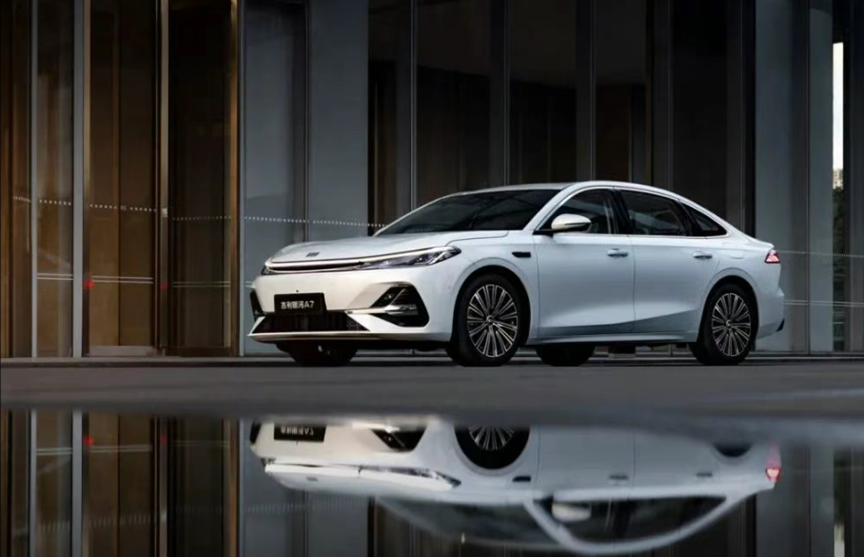
Investor response has been broadly supportive. On the announcement day, Geely's Hong Kong-listed shares closed at HK$18.24, up 1.45 per cent from the previous day. Over the prior 90 days, 23 investment banks had issued buy ratings on Geely, with an average target price of HK$25.31, according to the article.
That suggests investors see value in bringing Zeekr's assets, technology and premium positioning more fully into the Geely structure.
Zeekr becomes a key piece of "One Geely"
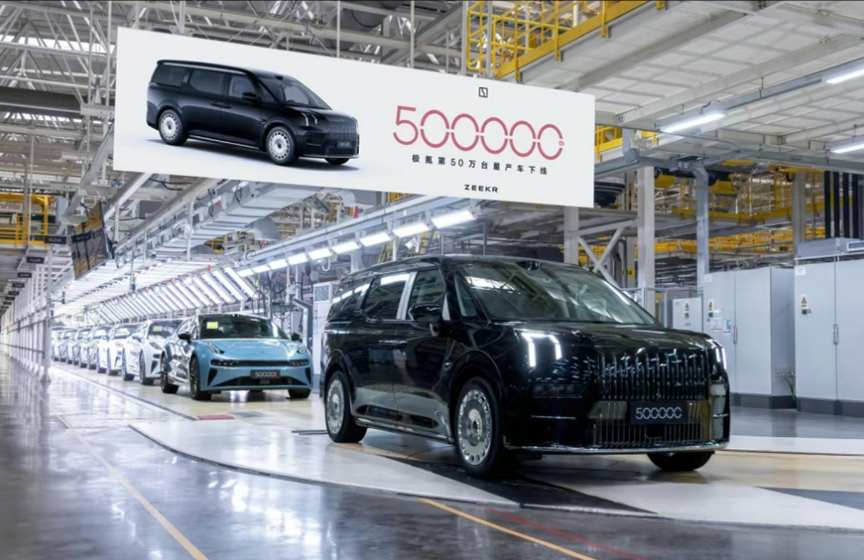
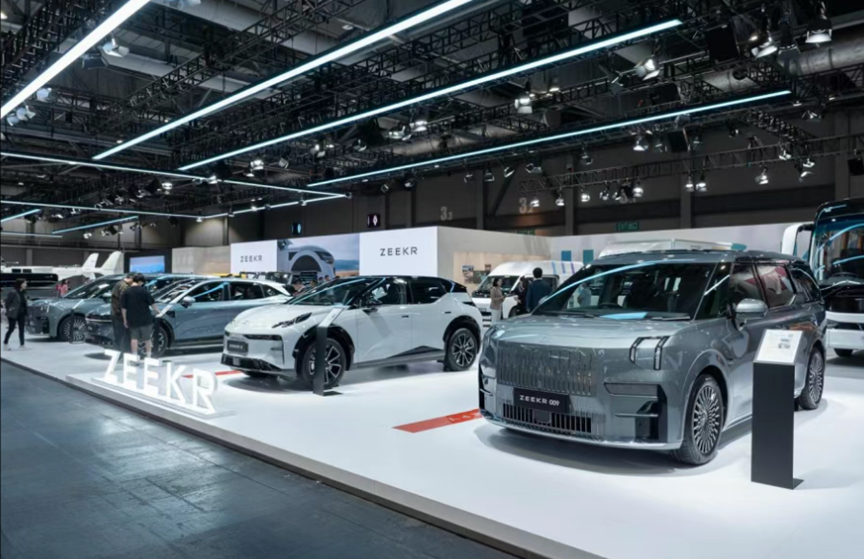
Zeekr gives Geely a high-end pure-electric brand with established products such as the 001 and 009. It has gained a foothold in the market above roughly $42,000, reported 2024 revenue of about $11.1bn and sold more than 90,000 vehicles in the first half of 2025.
Yet overseas expansion remains costly for a standalone brand. Zeekr has passed 10,000 deliveries in Europe, but building broader channels in Europe and North America would be expensive if done alone. Inside Geely, it can draw on Lynk & Co's European retail network and Volvo's North American resources.
That gives Geely the possibility of a dual export engine: Zeekr for premium electric vehicles, and Geely's broader brands for higher-volume segments. It also improves the group's ability to coordinate global pricing, supply and brand positioning.
A fuller valuation story
Zeekr's market value as a new brand listed overseas had not fully reflected its technology, products and platform assets, according to investment-bank commentary cited in the article. Bringing it back into Geely allows those assets to be shown as part of the group's broader financial and strategic value.
The transaction may also help connect Hong Kong and US investor bases. Zeekr shareholders who take Geely shares gain exposure to a larger, more liquid group platform, while Geely can present a more complete new-energy and premium EV story to international capital.
Geely said moving from 62.8 per cent ownership of Zeekr to full control would bring major strategic, operational and financial advantages. If integration reduces duplicated spending and improves platform sharing, the synergy could eventually appear in earnings rather than only in strategy documents.
An offensive consolidation
Geely's Zeekr privatisation looks defensive on the surface because it removes a brand from the US market. Strategically, it is an offensive consolidation. The company is preparing for competition based on technology, products, services and global execution rather than headline price cuts.
If the "One Geely" structure works, Zeekr will shift from fighting as an independent premium EV brand to operating as part of a larger system. The next test is whether that system can turn scale and coordination into leadership in the next generation of intelligent vehicles.