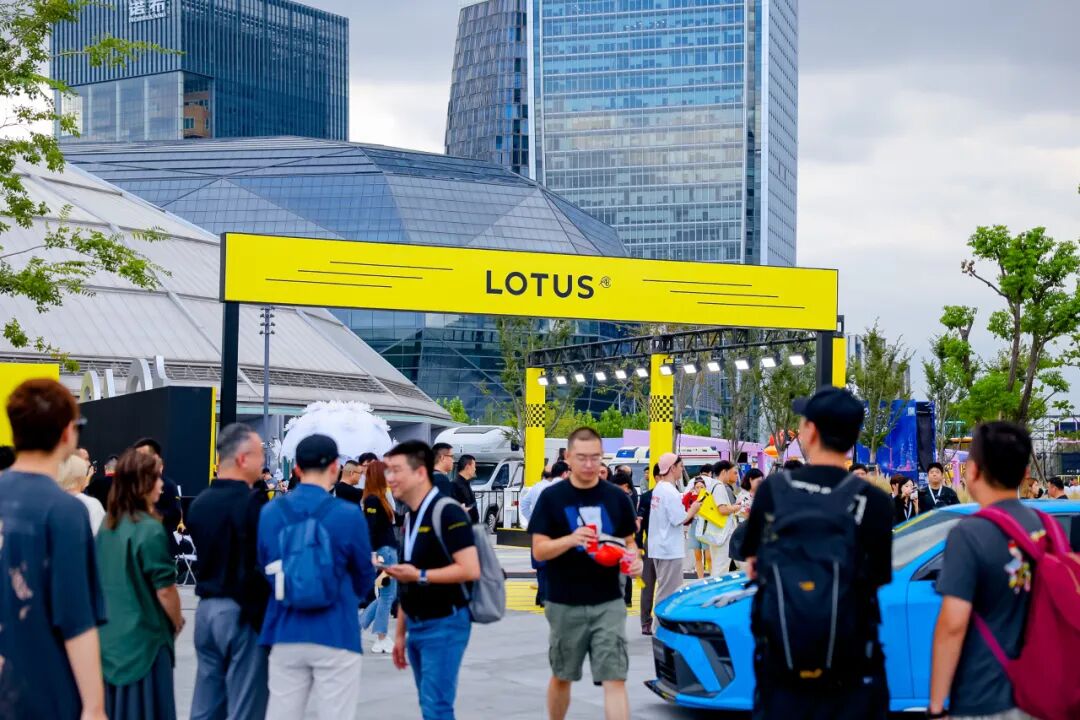
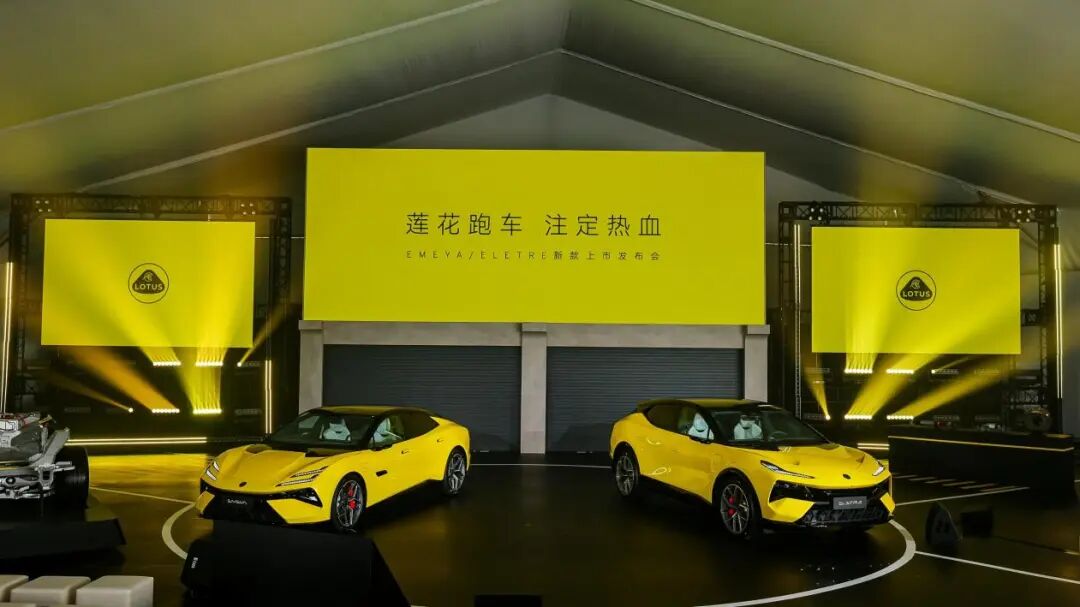
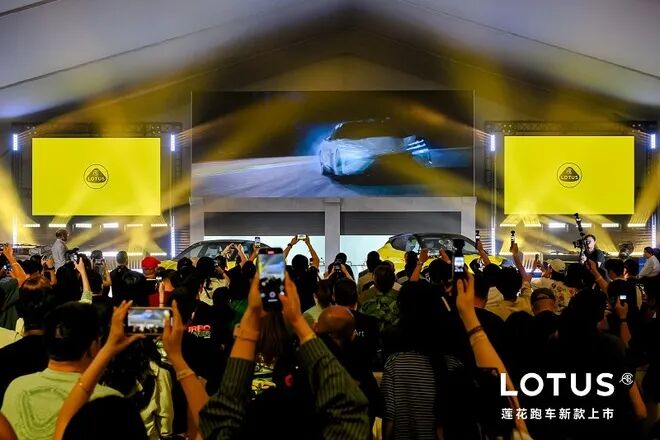
Lotus used the launch of the updated EMEYA and ELETRE models on September 21 to make a broader argument about the auto industry.
A launch event against industry sameness
The event was less a conventional product reveal than a statement against homogenised design, feature piling and discount-led competition.
In a market where many brands chase traffic, larger screens and short-term promotions, Lotus returned to the older emotional centre of the automobile: the relationship between driver, road and machine.
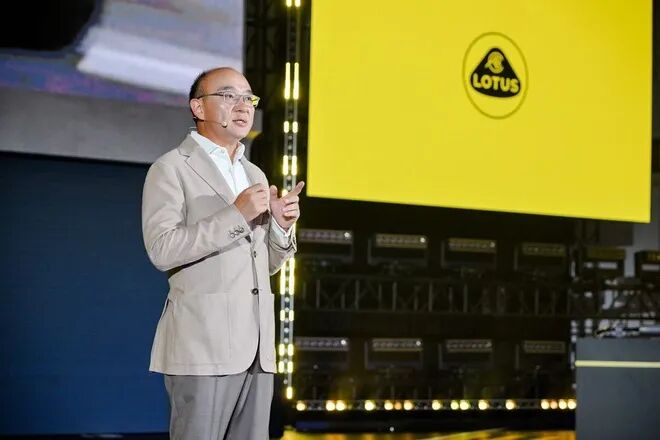
Lotus Group chief executive Feng Qingfeng said fewer companies still insist on driving dynamics, but every era has people who love to drive. That was the central message of the event.
Slowing down for driving culture
China's car market has become a relentless contest over price, configuration and attention. Lotus is choosing a different route. It has not followed the deepest discounting trend and instead continues to emphasise handling, originality and brand culture.
The strategy has not stopped growth. In the second quarter of 2025, Lotus deliveries in China rose 86 per cent from the previous quarter and 31 per cent year on year. Overall sales rose 5 per cent against the market trend, operating gross margin turned positive from a 2024 low, and global revenue rose 35 per cent quarter on quarter.
The company has also expanded its channels. In 2025, Lotus had covered 36 Chinese cities and expected to reach 51 by year-end. The goal is to bring its driving-focused brand promise closer to users rather than rely only on image.
Lotus is also investing in culture. Its cooperation with mobile racing game Racing Master is designed to recreate driving feel in a virtual environment and has generated more than 1.1 billion exposures, according to the article. The company is also building a racing ladder from youth karting to the Lotus Cup one-make race, where winners can receive lifelong ownership of a race car.
Originality as brand DNA
For Lotus, originality is not a marketing word. It is tied to the brand's history since 1948 and its long focus on driving dynamics.
Founder Colin Chapman used unconventional methods to understand airflow before modern wind tunnels were common. Lotus Mark VIII later defeated Porsche on track. In 1968, the Type 49B introduced an aerodynamic rear wing to Formula 1. In 1978, Lotus pioneered ground effect in F1, using airflow and low-pressure suction to combine lower drag with higher downforce.
These ideas were not about decorative technology. They made cars more precise, more responsive and more connected to drivers. Tesla's original Roadster, which helped open the modern EV era, was also developed from the Lotus Elise chassis.
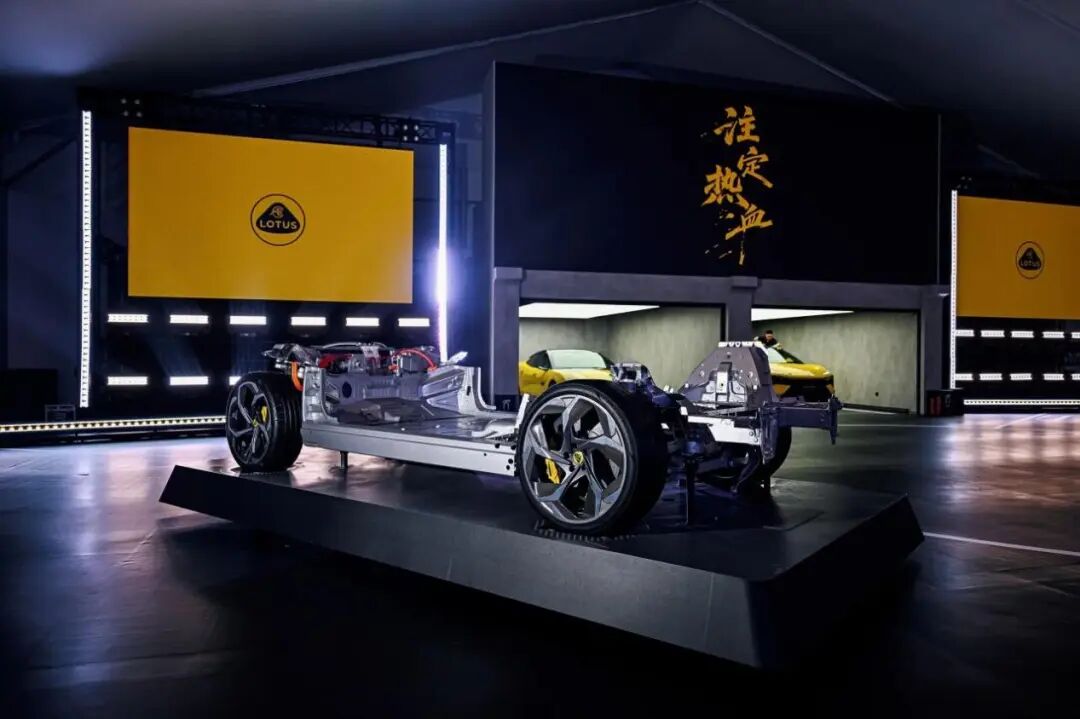
In the electric era, Lotus is trying to carry that same logic forward. Its active dual-layer wing, used on a pure-electric production car, took three years of development and 11 major revisions, and is covered by 22 patents. It reduces drag during cruising and can provide 215kg of downforce during harder driving.
Other technologies include an active anti-roll bar for a pure-electric SUV with 2ms response, active rear-wheel steering that helps a five-metre vehicle feel more agile, and a production 10-piston carbon-ceramic braking system using aerospace-grade forged aluminium.
Bringing track control into daily use
Lotus argues that track-level control should not be reserved for professional drivers or occasional circuits. Digital chassis technology can make high performance usable in daily driving.
Traditional performance cars often sacrifice comfort for speed. Stiff suspension and nervous steering can become tiring in traffic or on ordinary roads. Lotus uses scenario-based chassis adaptation to pursue both control and comfort.
The numbers show the approach. The active anti-roll bar responds in 2ms and reaches a maximum torsional stiffness of 7,100Nm per radian, helping reduce body roll and improve cornering limits. The 10-piston carbon-ceramic braking system has a front caliper weight of only 8.9kg, supporting later braking and more agile acceleration during hard driving.
The point is not technology for its own sake. Lotus wants these systems to create an experience that drivers can feel: flatter cornering, more confidence, stronger braking and a car that responds naturally.
A different kind of high-end value
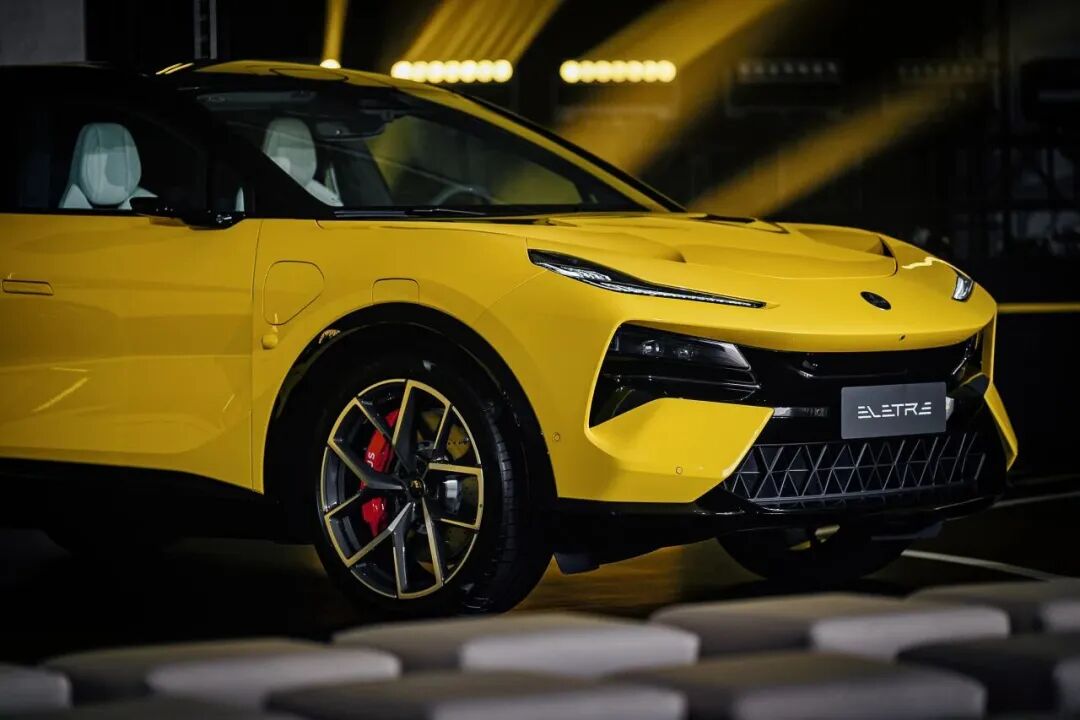
Lotus' stance is a challenge to the idea that premium EVs must be defined mainly by screens, software features or price reductions. Its answer is that performance and originality still matter, even in an intelligent-electric market.
That is not an easy path in China. The market rewards speed, features and aggressive pricing. But Lotus is betting that there remains a group of consumers who see high-end value in driving feel, engineering heritage and product distinctiveness.
If that bet works, Lotus will not only sell cars. It will defend a part of automotive culture that risks being lost in the rush toward sameness.