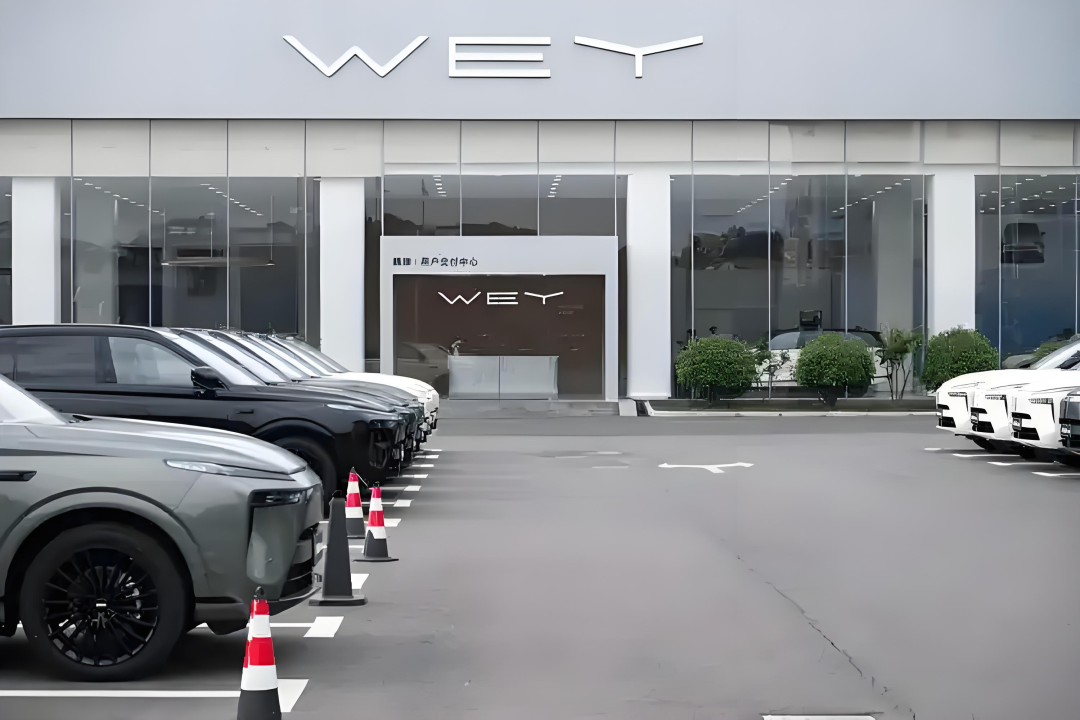
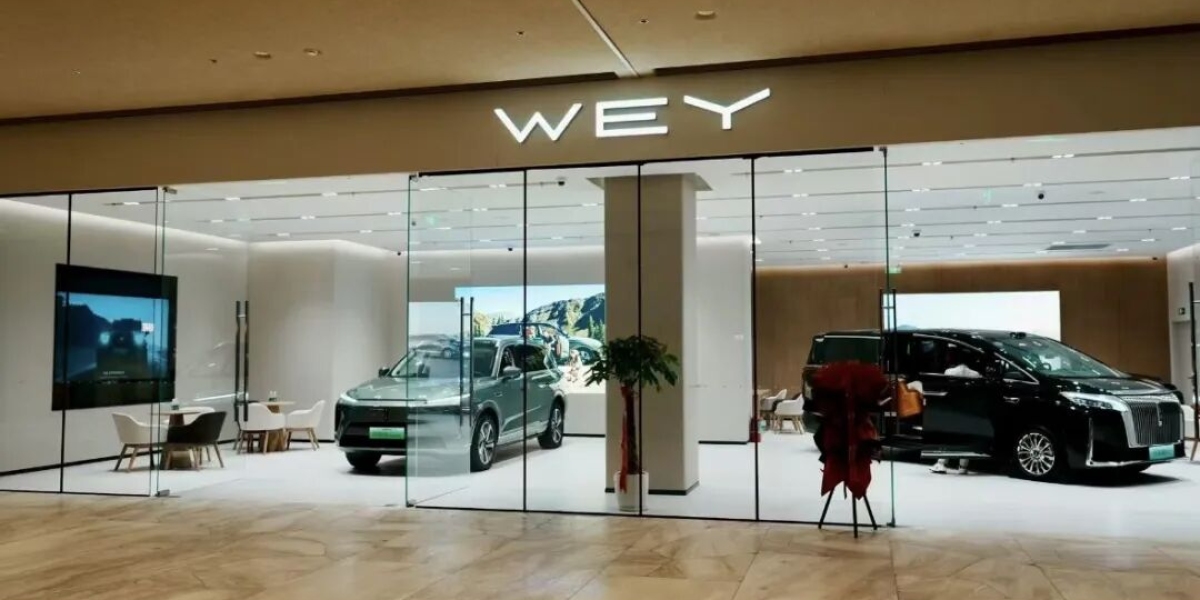
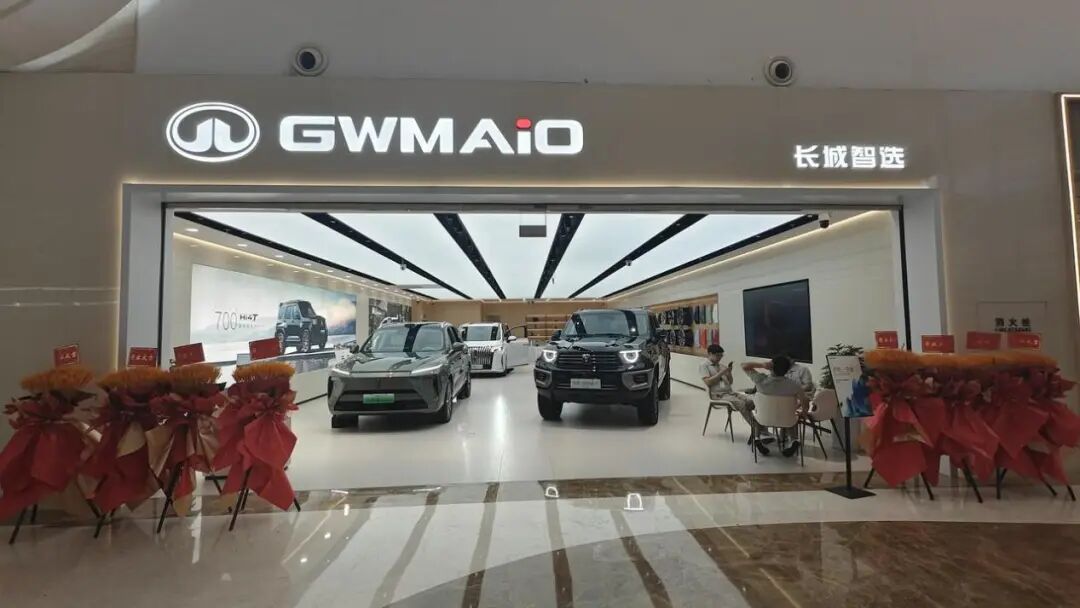
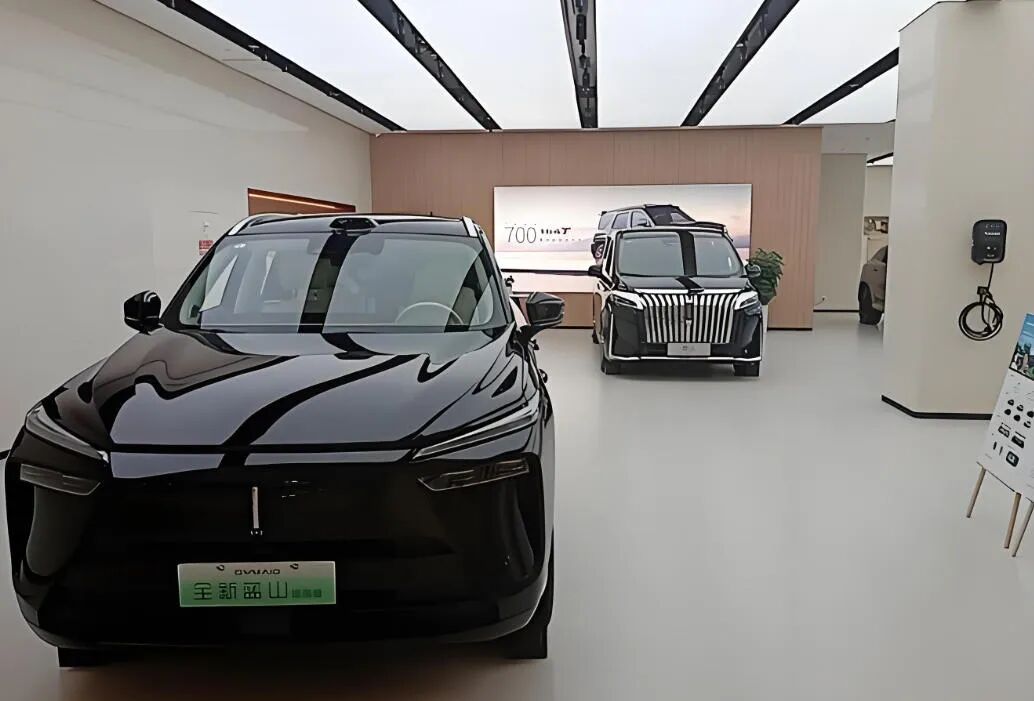
Great Wall Motor is reshaping its direct-sales system. Stores once branded as Great Wall Smart Selection retail centres are being converted into Wey New Energy outlets, while Tank models have gradually disappeared from the showrooms.
A channel reshuffle with strategic consequences
According to media reports cited in the article, Great Wall's direct-sales centres will now sell only Wey models, with Tank fully withdrawing from the system. That ends the period in which the two brands shared the same direct retail space.
The change is more than a channel adjustment. It shows how a traditional automaker is trying to balance dealer relationships, new-energy transformation and the cost of operating direct stores.
Why Tank left the direct channel
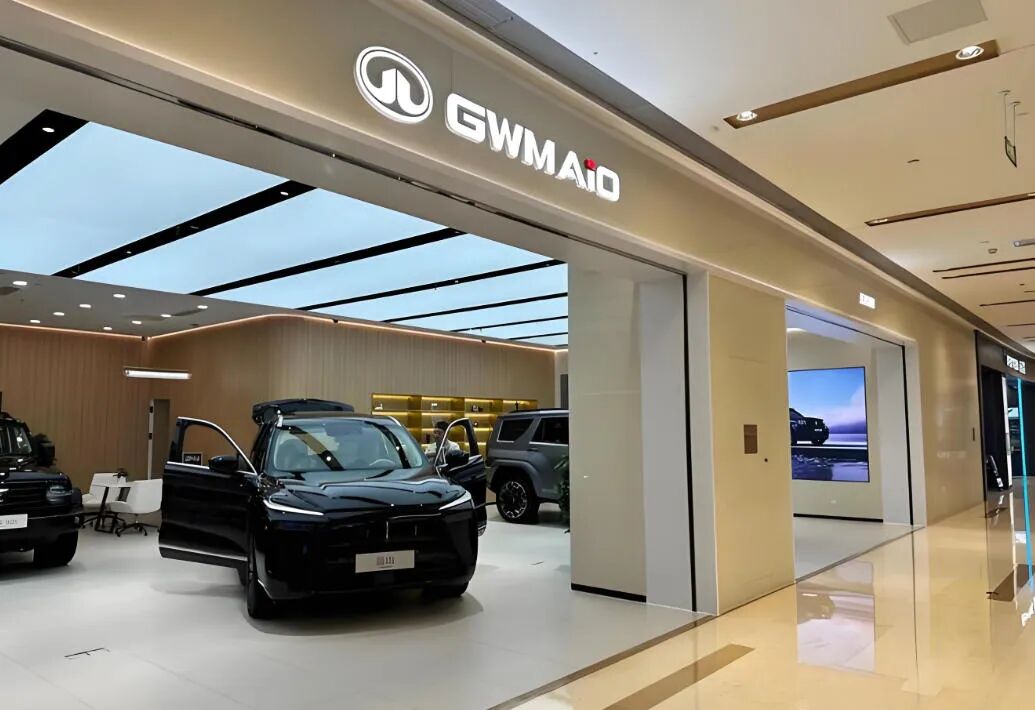
Great Wall launched Great Wall Smart Selection in April 2024 as a dedicated direct-sales service brand. Feng Fuzhi, then Wey's new chief executive and head of the system, brought channel experience from Li Auto and Xpeng. The plan divided retail operations into sales centres, delivery centres and user centres, with a focus on core business districts in top-tier and new first-tier cities before moving into lower-tier markets.
The early model placed Wey and Tank in the same stores. The logic was that Tank's popularity in hard-core off-road vehicles could help lift Wey's premium recognition.
That structure soon created channel conflict. As Tank 300 and Tank 400 remained popular, price competition between direct stores and dealers intensified. Sales staff said dealers could use external loan rebates and regional policy subsidies to make Tank vehicles more than about $1,000 cheaper than direct-store prices, pulling buyers away from the direct network.
Great Wall also has more than 2,500 dealers nationwide, with over 60 per cent having worked with the company for more than 20 years. Many are deeply tied to the company through long-term commercial and equity relationships and provide essential coverage in lower-tier cities and non-core areas of larger cities.
Faced with a choice between protecting dealers and forcing through a costly direct model, Great Wall chose the established network. Tank 300 and Tank 400 began leaving direct stores in the second half of 2024. In May 2025, Feng disclosed the plan for Tank to withdraw fully while Wey became an all-direct-sales brand. By October, Tank 700 had also left the system.
Different brand trajectories
The reshuffle reflects the different roles of Wey and Tank. Wey is becoming Great Wall's key new-energy growth engine. In September, Wey sold 11,000 vehicles, up 63.23 per cent year on year. In the first nine months, cumulative sales reached about 63,600, up 96.35 per cent.
The Gaoshan MPV has delivered nearly 20,000 vehicles since its May launch, giving Wey a stronger place in the mid-to-high-end MPV market. Lanshan sold 25,818 vehicles in the first half, ranking eighth among mid-to-large SUVs by annualised sales in the article's framing.
Tank remains strong, but growth has slowed. In September 2025, Tank sold 21,400 vehicles, up 14.41 per cent year on year, yet cumulative sales for the first nine months fell 2.75 per cent. The hard-core off-road market has become more competitive as electrification changes the segment.
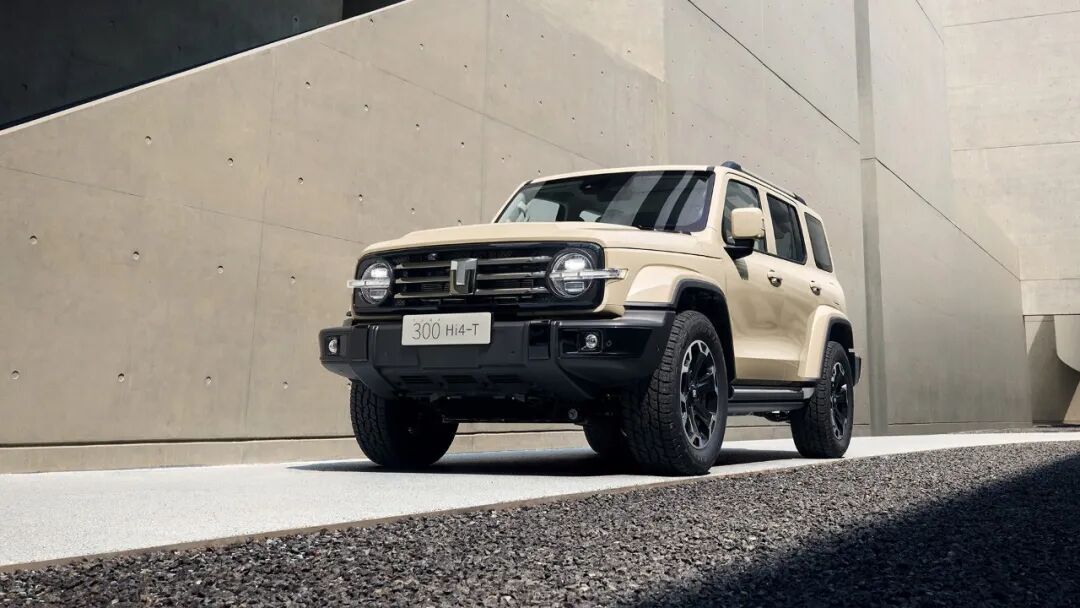
Tank 300 Hi4-T was offered from about $35,000 in March, but BYD's Fangchengbao Bao 5 responded with a roughly $7,000 price cut and a starting price of about $33,000. Tank 300 Hi4-T still appeals to more serious off-road users with three locking differentials and 700mm wading depth, while Bao 5 targets urban light-off-road buyers with stronger smart-driving features and more space.
Profit pressure forced discipline
Great Wall's financial position also helps explain the channel decision. In the first half of 2025, the company reported revenue of about $12.8 billion, up only 0.99 per cent year on year. Net profit attributable to shareholders was about $880 million, down 10.21 per cent.
Government subsidies included in profit and loss reached about $395 million, equal to 44.88 per cent of net profit. Vehicle scrappage subsidies alone accounted for about $316 million. That suggests underlying profitability was under pressure.
Sales expenses rose 63.31 per cent, from about $428 million to about $699 million. Great Wall attributed the increase partly to building direct user channels and promoting new models, technologies and brands.
Removing Tank from direct sales therefore reduces store operating pressure and helps stabilise dealer relationships. It also allows Great Wall to concentrate the direct-sales experiment on Wey, where it sees a clearer new-energy transformation role.
Wey gets the full direct-sales bet
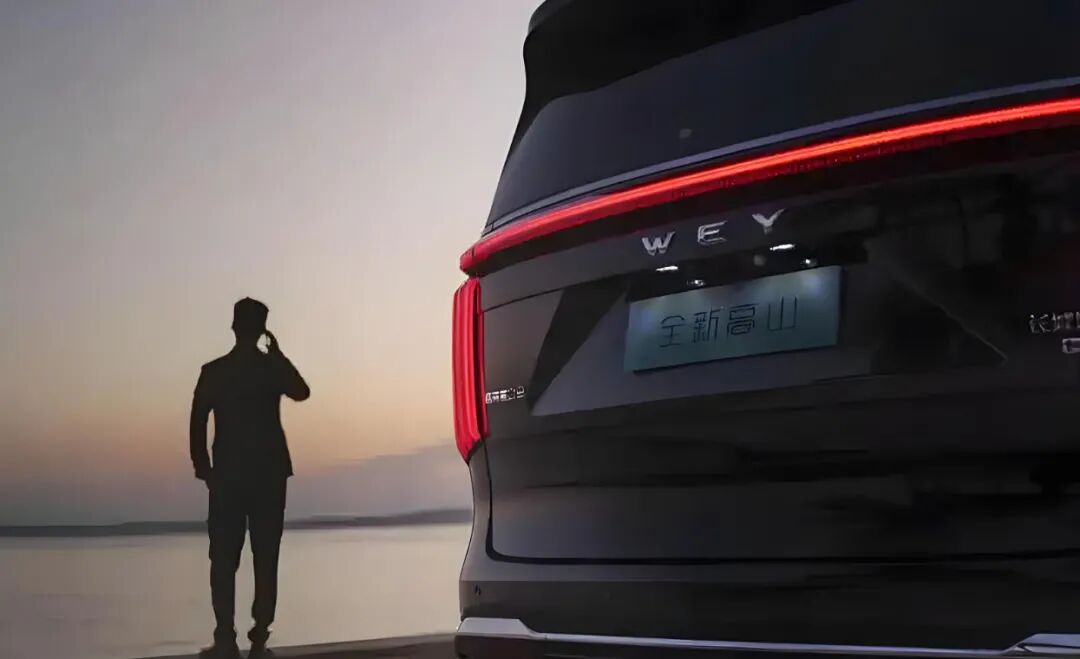
Wey now receives the full resource tilt from Great Wall's direct-sales network. The brand has 430 direct stores across 110 cities. Great Wall plans to exceed 600 Wey direct stores covering 200 cities by the end of the year, with a longer-term target above 1,000.
In Beijing, Wey has 28 sales outlets, of which 16 are Great Wall Smart Selection retail centres, delivery centres or showrooms. Direct channels now account for more than half of Wey's local sales presence.
The product plan is accelerating. Wey already has Gaoshan MPV, Lanshan and Mocha. Gaoshan 7 launched on October 15, expanding the MPV line-up. Reports suggest two new SUVs are planned, including one mid-to-large SUV and one mid-size SUV aimed at Li Auto's L series. A plug-in hybrid sedan is also expected before year-end, giving Wey a broader SUV, MPV and sedan layout.
Technology is another pillar. Wey's next-generation all-power intelligent platform is designed to support PHEV, HEV, ICE, EV and hydrogen fuel-cell powertrains. Its 2.0-litre hybrid system is claimed to accelerate from zero to 100km/h in 4.4 seconds with full battery charge and 4.7 seconds when depleted. The platform uses an 800V hybrid architecture, a large hybrid battery and a 6C battery that can add 200km of range in five minutes.
The hard part starts now
Wey's new role brings opportunity, but also pressure. Without Tank's showroom traffic, Wey must carry the rent, staffing and operating costs of the direct network more directly. Expanding from 430 to more than 600 stores will require substantial investment.
The direct-sales model also demands more than store ownership. Its value lies in fast user feedback and rapid product response. Wey must prove that a traditional automaker can turn retail data into product improvement without being slowed by internal barriers.
Great Wall's decision to move Tank back toward dealers and leave Wey in direct sales is a trade-off. It protects the dealer base while giving Wey a dedicated channel to fight the next stage of new-energy competition. Whether that trade-off works will depend on whether Wey can convert direct control into better products, faster service and sustainable sales.