
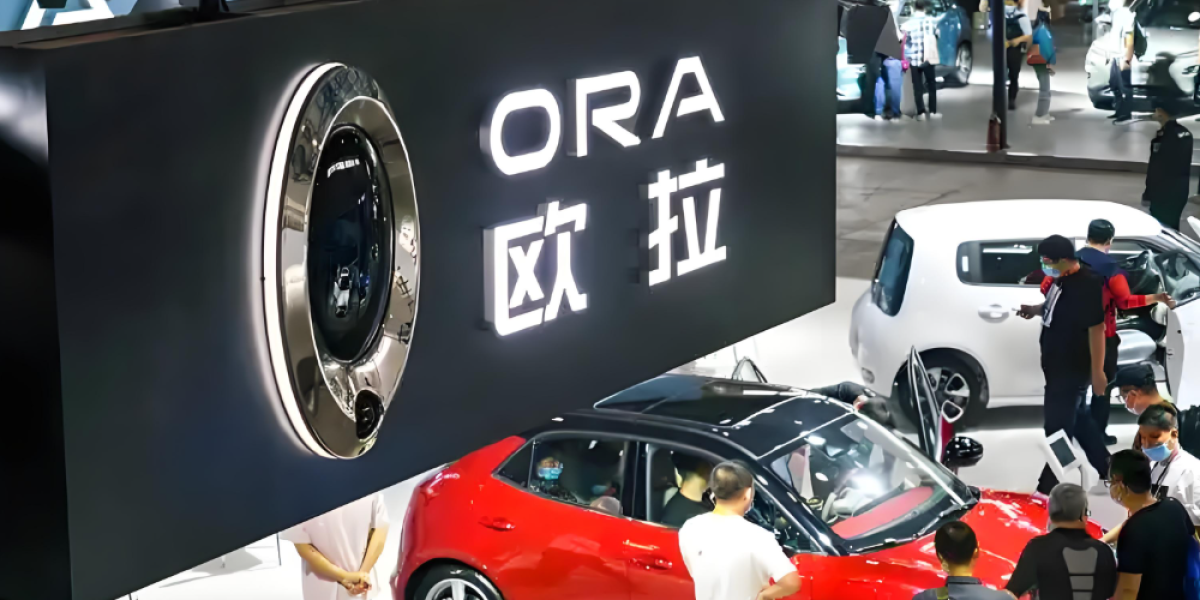
Great Wall Motor has appointed Lu Wenbin, formerly technical general manager of the Haval brand, as general manager of Ora. He will oversee brand strategy, product planning, marketing and user operations.
A technical veteran takes over a stalled brand
The appointment suggests Great Wall is trying to use technical certainty to stabilise a brand that has suffered from falling sales, weak marketing, unclear positioning and a damaged product rhythm.
Ora has changed senior leaders seven times in seven years. Lu's technical background may help with cost reduction and product rebuilding, but Ora's problem is systemic. It needs to fix positioning, technology integration and marketing at the same time.
Ora must recover a clear identity
Before 2021, Ora was one of the more distinctive EV brands in China. It entered the market with a female-focused identity and found success with models such as Black Cat, White Cat and Good Cat. In 2021, annual sales reached 135,000 units, up 140 per cent, and women accounted for more than 70 per cent of users.
The momentum did not last. In 2022, the brand tried to become more gender-neutral. Sales fell to 104,000 units, down 22.98 per cent. In 2023, sales stayed around 100,000. In 2024, sales dropped to 63,300, down 41.69 per cent. From January to May 2025, sales were about 10,600, down 58.69 per cent.
The decline reflects a positioning swing. Ora originally won by targeting a clear user group, then diluted that identity without building a stronger replacement.
The brand can still focus on women buyers, but it needs a more mature version of that strategy. Cute styling and delicate messaging are not enough. Women buyers also care about family use, performance, safety, range, quality and value. Ora needs to connect its identity to real use cases rather than surface-level aesthetics.
The product base needs rebuilding
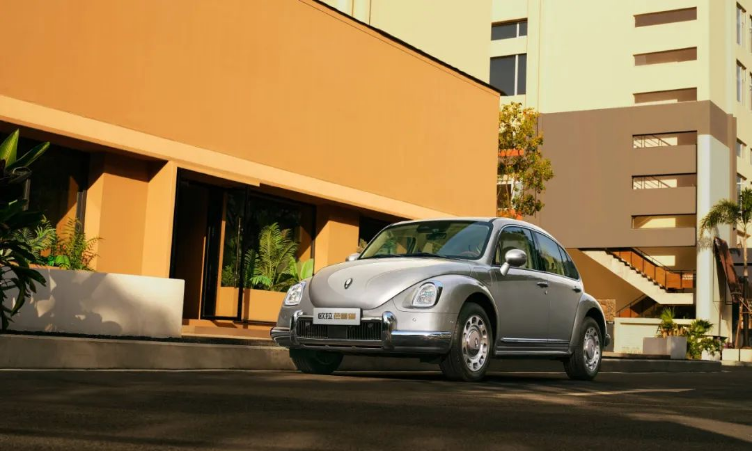
Ora also damaged its own base when it discontinued Black Cat and White Cat, two models with cumulative sales of 173,000 units, citing poor profitability. The move removed important volume products and left a product gap.
Since 2023, Ora has not launched enough truly new models. Ballet Cat, priced around $26,000 to $31,000, and Lightning Cat, around $25,000 to $36,000, were criticised for ambitious pricing and slow technology iteration.
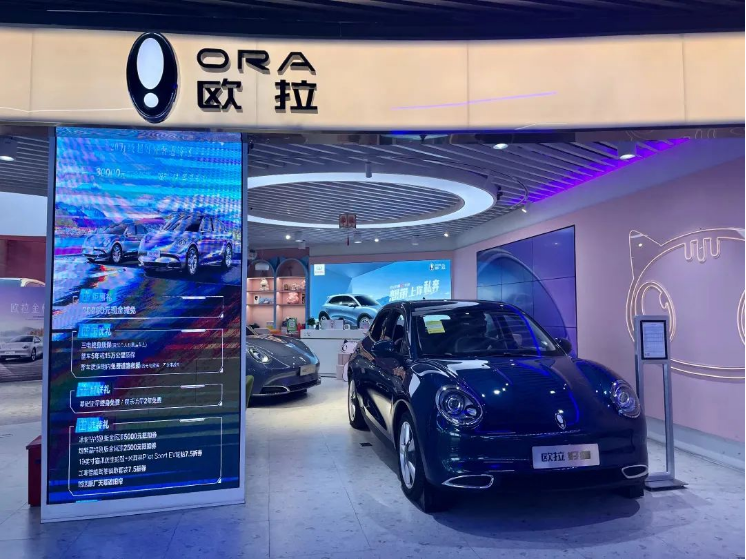
The new Good Cat pre-sale, priced around $12,000 to $15,000, is more encouraging. Compared with the current model, the entry threshold has fallen by about $2,000 without obvious equipment cuts. Returning to the lower end of the $14,000 segment gives Ora a better chance to regain value-conscious buyers.
Technical cost control is the next task
Ora's earlier low margins and losses created a conflict between volume and profit. Lu's appointment points to a practical goal: stop losses, reduce costs and rebuild products through technical integration.
At Haval, Lu worked on successful models such as H6 and helped reduce costs through platform development, with reported cost savings of about 15 per cent. Ora needs that capability. It must compress bill-of-materials costs while improving product reliability and competitiveness.
Ora's earlier ME platform and electric-drive technology were well received by users. Lu could refocus the brand around safety, real-world range and dependable daily use, reducing the overemphasis on a narrow female image.
Great Wall also has assets that Ora can use, including SPA architecture, Coffee OS smart cockpit technology and hybrid systems. A hybrid Ora model in a mainstream price band could broaden the brand's appeal, while user co-creation and modification culture could help rebuild community energy.
Marketing must regain trust
Ora's marketing has made mistakes. Some campaigns, including male-model dance promotions and controversial colour naming, were criticised as lowering brand tone and alienating women users.
To recover, Ora needs a positive image built around trust, product substance and young-user engagement. Its earlier livestream group-buying campaigns reached 1.65mn viewers in a single session, showing that social commerce can work if it is tied to product value rather than discount noise alone.
Lu appears to understand this. Ora is reportedly raising livestream e-commerce weight to 40 per cent, requiring regional managers to complete eight hours of livestreaming each week. The brand is also said to be building an "engineer group" IP, using technical staff to explain product technology directly.
That direction could help if the content remains credible. Ora needs to show that its cars are not only stylish or affordable, but safe, reliable and technically improved.
Resources inside Great Wall still matter
Ora's recovery also depends on how much support it can win inside Great Wall. The group has been focusing more resources on higher-profit areas such as Tank and ultra-luxury projects. Lu will need enough internal authority to secure research, marketing and channel investment for Ora.
The brand still has a role in Great Wall's portfolio. Small and compact EVs remain important in China, and few brands have built as much early recognition among women buyers. If Ora can sharpen its positioning, rebuild product value and market itself with more dignity, a recovery is possible.
The next phase will show whether Lu can turn Ora into a more disciplined, technically grounded EV brand rather than another label searching for its former popularity.