
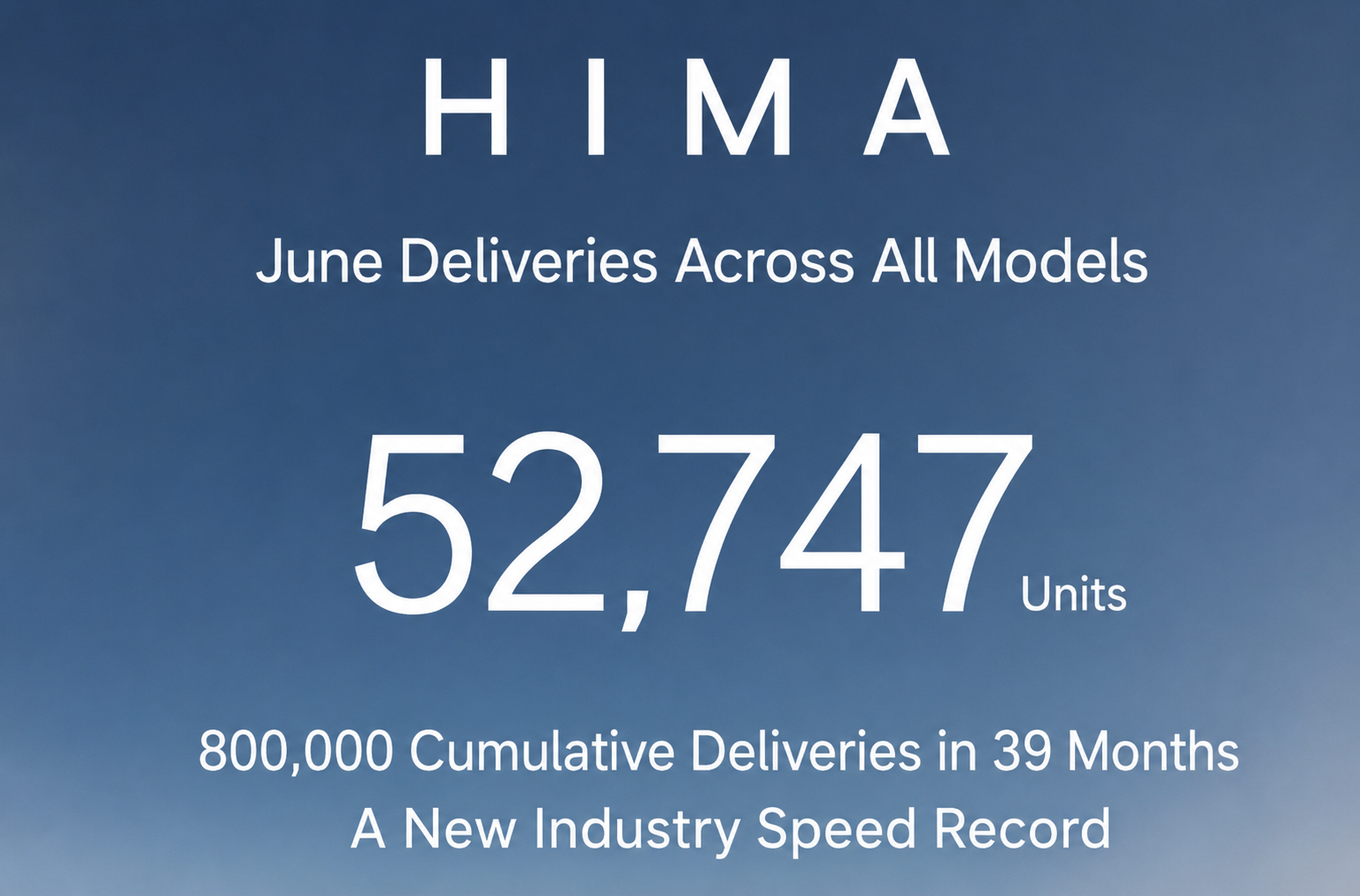
Huawei's Harmony Intelligent Mobility Alliance reported 52,747 deliveries in June, up 20 per cent year on year, marking the first time Huawei-linked brands passed 52,000 monthly deliveries.
A headline milestone hides uneven momentum
It also said cumulative deliveries reached 800,000 units in 39 months, the fastest such pace among China's new auto forces by its measure.
The headline looks strong, but the structure is uneven. While many automakers reported first-half sales, HIMA emphasised lifetime cumulative deliveries, a framing that may smooth over short-term fluctuations. First-half sales were about 250,000 vehicles, according to the article, which is solid but not clearly ahead of leading new-energy start-ups.
The deeper issue is concentration. In June, Aito delivered 44,685 vehicles, accounting for 84.7 per cent of HIMA's total. Aito M9 delivered 13,718 units in the month and has passed 200,000 cumulative deliveries. Aito M8 delivered 21,185 units, making it another core volume model.
Other HIMA brands remain far weaker
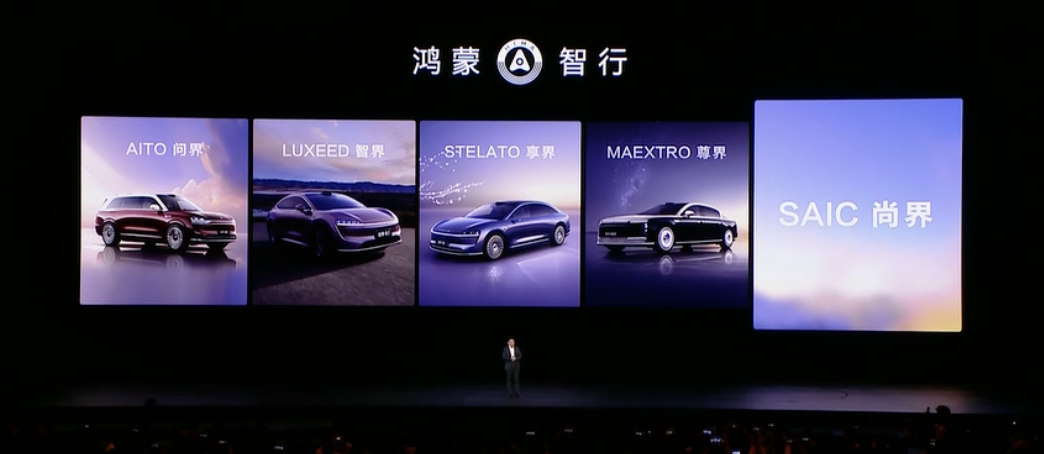
The rest of the alliance has not matched Aito's performance. Stelato S9, launched in April, delivered 4,154 vehicles in June. Luxeed sold 2,459 vehicles in June and has recorded five consecutive months of decline. Maextro S800 created attention with 5,000 locked-in orders in 19 days, but its ultra-luxury positioning limits volume. Shangjie had not yet launched at the time of the article.
The result is a stark imbalance. HIMA was once presented as a five-brand ecosystem, but its sales base is still dominated by one brand.
Channel separation is deepening the divide
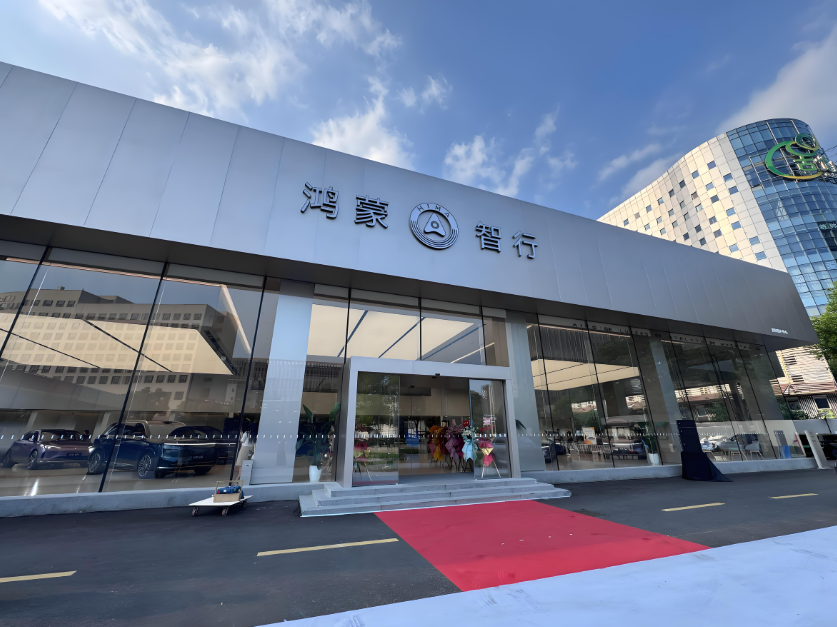
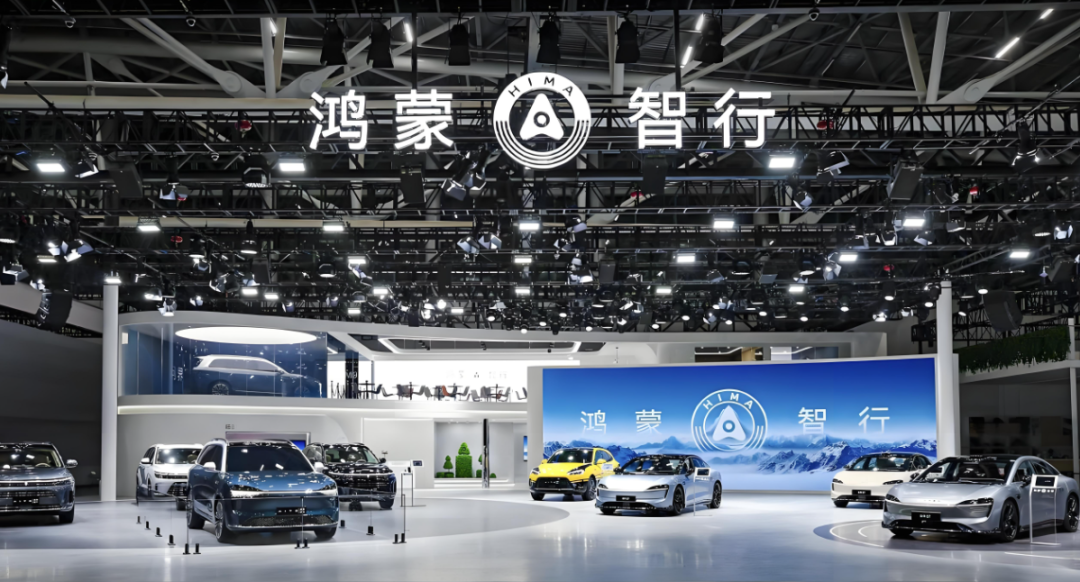
Huawei's channel restructuring has reinforced Aito's independence. Stores have been divided into four-brand outlets that sell Aito, Luxeed, Stelato and Maextro; three-brand outlets that sell Luxeed, Stelato and Maextro; and two-brand outlets that sell Luxeed and Stelato. Smaller showrooms no longer handle Aito test drives or sales.
That gives Aito a clearer channel identity, but it also reduces the natural traffic that other HIMA brands can receive from Aito's popularity. In 2023, deliveries through HIMA's general sales network and Aito's own network were roughly split 70:30. In 2024, the split moved to about 50:50, and Aito's self-built channel share is expected to rise further in 2025.
Seres began expanding Aito dealers in 2024, including dealers previously associated with BBA luxury brands. Aito now has more than 350 user centres across China. By the end of 2024, among 330 HIMA user centres nationwide, only about 10 per cent met the standard for high-grade four-brand stores. Around 60 to 70 per cent were three-brand stores, meaning they did not benefit from Aito's showroom traffic.
The cooperation model is difficult to replicate
Aito's success was built on Seres giving Huawei unusual control. Huawei was deeply involved in product definition, supply-chain management, retail and marketing. That level of delegation is harder to reproduce with larger traditional automakers such as Chery, BAIC and SAIC.
Each partner wants something different. SAIC wants industrial coordination. BAIC wants to move its brand upward. Chery wants system learning and technology feedback. If Huawei applies the same technical and commercial template to all of them, conflicts become likely.
Examples cited in the article include Chery saying it would listen to Huawei during disagreements while also launching Exeed Sterra ES, a model seen as close to Luxeed S7. BAIC's Stelato S9 faced weak market reception after pricing missteps and later needed an extended-range version to support demand.
In this context, technology sharing can become less cooperative than expected. Partners may compete for resources, customers and identity inside the same alliance.
Huawei's technology advantage is expensive
Huawei's smart-driving technology is widely respected, but cost is a major pressure point. Reports cited in the article suggest the ADS 3.0 system can cost several thousand dollars per vehicle, pushing many equipped models above about $28,000.
Yu Chengdong has said in a livestream that Luxeed R7 was built to a standard associated with vehicles above roughly $139,000 while selling in the $28,000 to $42,000 range, and that each unit could lose about $1,000 to $4,000. Chery chairman Yin Tongyue also said the R7 was painful to sell in higher volumes because the vehicle was heavily equipped but priced aggressively, and no clear cost-price balance had yet been found.
BYD offers a contrasting approach. Through vision-based systems and algorithm optimisation, it has reportedly pushed assisted-driving cost below about $1,000 and brought such features into models around $10,000. In a market still shaped by price pressure, HIMA's high-cost technology route can be difficult to scale across multiple brands.
HIMA needs a fairer operating mechanism
HIMA's 800,000 cumulative deliveries are a real achievement, but the alliance is not yet a balanced ecosystem. Aito is strong, while other brands remain less visible and less stable.
If Huawei wants long-term growth across several automaker partners, it needs a more standardised technology-output system, clearer resource allocation and a cooperation framework that lets multiple brands succeed. The alliance cannot rely on one brand indefinitely.
The central challenge is turning technology sharing from an idea into a workable distribution of costs, benefits and responsibilities. Without that, HIMA risks becoming a collection of partners competing under the same technology label rather than a coordinated ecosystem.