
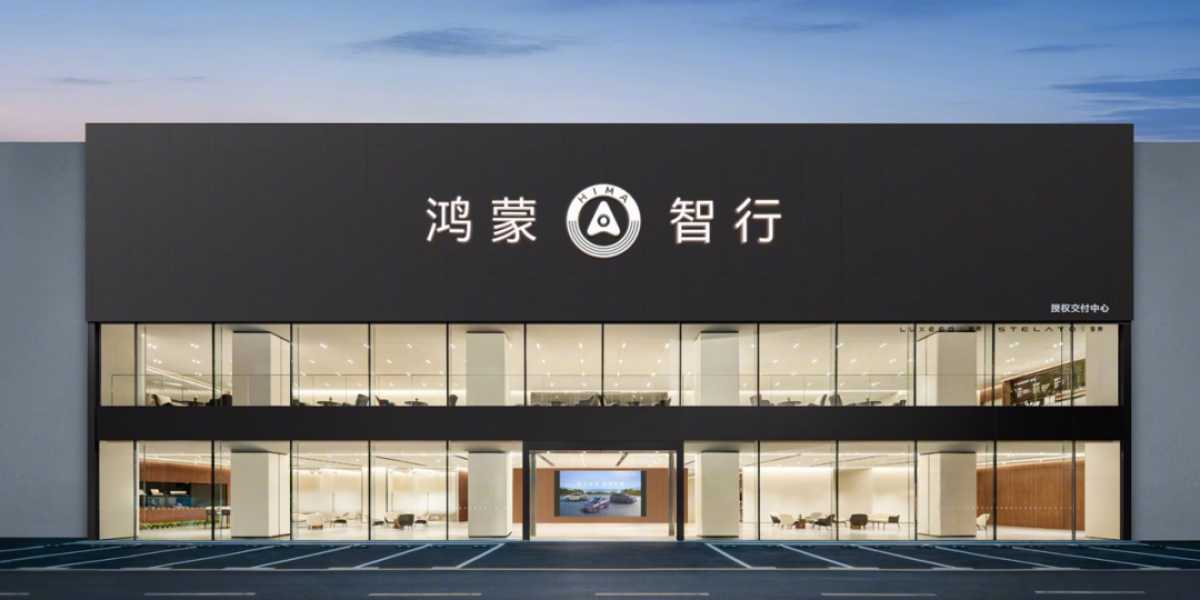
Huawei's Harmony Intelligent Mobility Alliance is moving away from a single tightly controlled retail model. Reports that Luxeed, Saic and Stelato partners are preparing brand-specific sales networks suggest Huawei is handing back part of the sales initiative to its automaker partners.
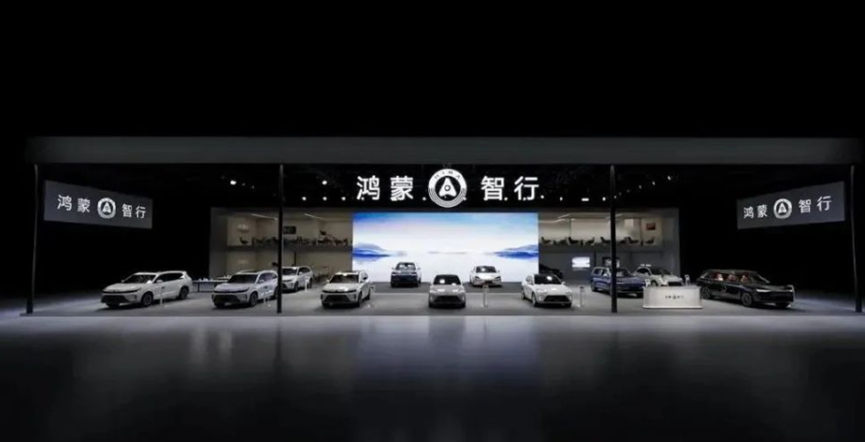
A unified sales model starts to split
This does not mean Huawei is stepping away from the auto business. It is still expected to guide sales, marketing and service across the alliance's brands. The commercial model remains Huawei-led in key areas, but the channel structure is becoming more differentiated.
The shift reflects a practical problem. HIMA has expanded from Aito into a broader group of brands, each with different positioning and different industrial partners. A single channel system cannot give every brand equal attention, floor space or sales focus.
Aito's success could not simply be copied
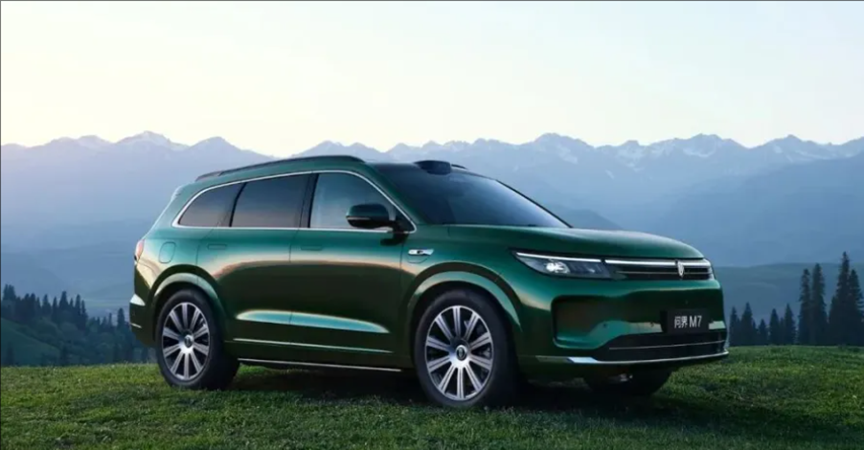
Aito became HIMA's showcase because it received the strongest early support from Huawei's nationwide retail network. It also gained trademark ownership in 2024 and adopted a dual-channel model combining automaker-operated channels with Huawei channels.
The results were strong. Aito M7 sold 190,000 units in 2024 and led its segment for 12 consecutive months, according to the article. Aito M9 sold 150,000 units, strengthening the brand's position in high-end SUVs. Aito deliveries rose 637 per cent in the first quarter of 2025.
Other HIMA brands have not received the same level of visibility. High-specification stores for the other brands account for less than 10 per cent of the network cited in the article, with much of the attention still concentrated on Aito. In shared showrooms, sales staff naturally lean toward the best-known and most easily sold brand.
Product overlap also makes the unified model harder. Aito M7 and Luxeed R7 both sit in the roughly $42,000 SUV band, while Stelato S9 and Luxeed S7 have overlapping price areas. The more the line-up expands, the harder it becomes to avoid internal competition.
Partner automakers need more room
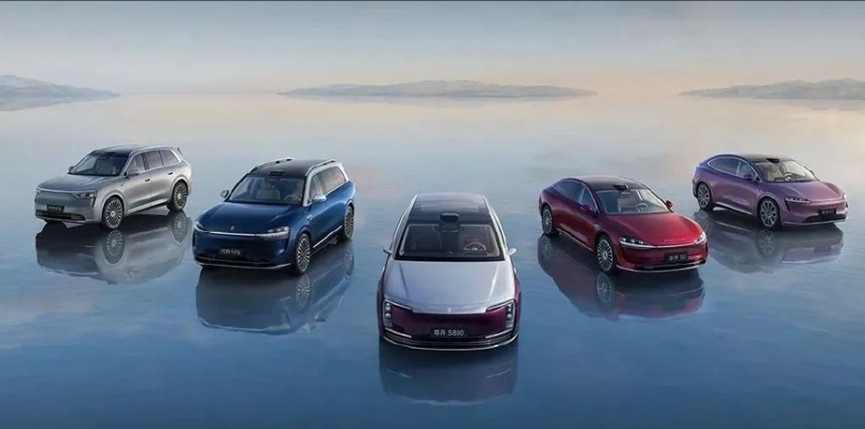
HIMA's automaker partners are not subsidiaries of Huawei. Seres, Chery, BAIC, JAC and SAIC each have their own interests, channels and industrial capabilities. A model in which Huawei defines, markets and sells everything can create friction if partners feel they have too little control.
Allowing each partner to build more dedicated sales channels gives them stronger motivation to promote their own brands while still benefiting from Huawei's technology and HIMA endorsement. It also helps separate brand responsibilities and reduce internal competition inside shared stores.
In that sense, the split is not a retreat from HIMA. It is a necessary adjustment if the alliance wants more than one successful brand.
Huawei's role becomes ecosystem coordinator
The channel change marks a role shift. Huawei is moving from being a channel integrator toward being an ecosystem coordinator. Its strongest leverage remains technology: smart cockpits, driver assistance, software, brand traffic and consumer trust.
That technical bond is likely to keep automakers inside the ecosystem even if channels become more independent. HIMA's future may be a dual-track structure: shared technology and brand endorsement from Huawei, with more differentiated brand operations and sales networks from the automakers.
The risk is that HIMA's unified label becomes weaker as brands operate separately. Cockpit systems, driver-assistance features and service standards must remain coherent enough for consumers to understand the value of the Huawei connection.
Huawei therefore needs to keep widening its technology lead. If its systems remain a clear advantage in user perception, the alliance can allow channel diversity without losing its central identity.
Dealer flexibility becomes part of the design
The channel strategy is not simply mandatory separation. According to information cited in the article, existing dealers or dealers that qualify for multi-brand operation may continue to run combined HIMA channels. Dealers that apply to operate a single brand independently may be approved if there is no same-brand store nearby.
This parallel model gives dealers more choice. Some can keep the efficiency of a multi-brand HIMA store, while others can specialise where a brand has enough local potential. That flexibility is important because dealers must decide which HIMA brands have the strongest future in their markets.
The real competitive test begins now
HIMA's channel model has changed several times, from Seres-operated stores and direct outlets to Aito-focused user centres, multi-brand shared stores and now a more divided network. The latest phase may be more realistic because it lets experienced automakers use their own channel strengths.
For Chery, SAIC, BAIC and JAC, independent or semi-independent brand channels are familiar territory. If Huawei's technology remains compelling and partners execute better in retail, brands that previously lacked traffic may begin to grow faster.
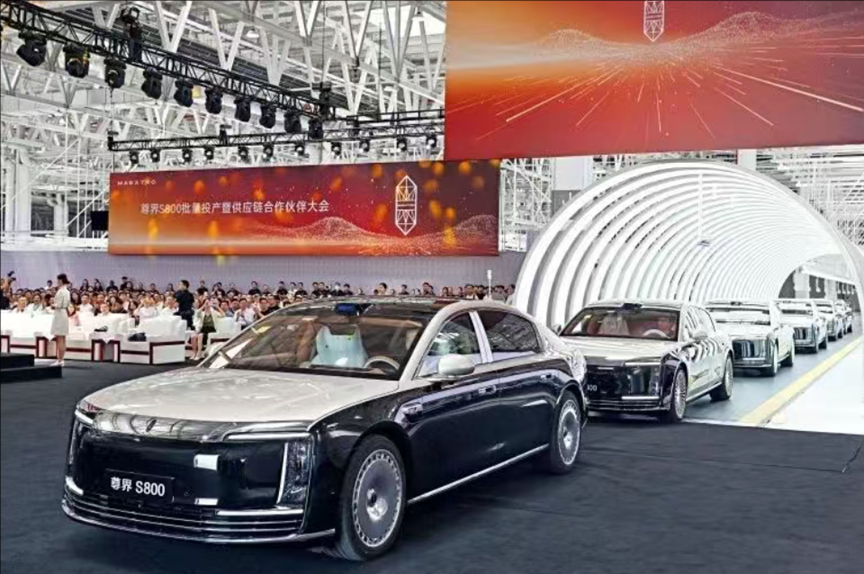
The outcome is not guaranteed. Outside Aito, HIMA brands still have weaker sales and brand influence. Building recognition and volume will take time. If Luxeed, Stelato, Maextro and Shangjie fail to improve after gaining more sales freedom, the problem can no longer be blamed only on Huawei's channel control.
A necessary power shift
Huawei's partial handover of sales authority shows that the early idea of one unified HIMA retail system no longer fits the competitive environment. The alliance has become too large and too internally varied for one channel logic to serve all brands equally.
The next phase will test whether Huawei can coordinate technology while automakers build stronger brand-specific retail capability. If that balance works, HIMA could become a broader competitive force rather than an Aito-led success story with several weaker followers.