
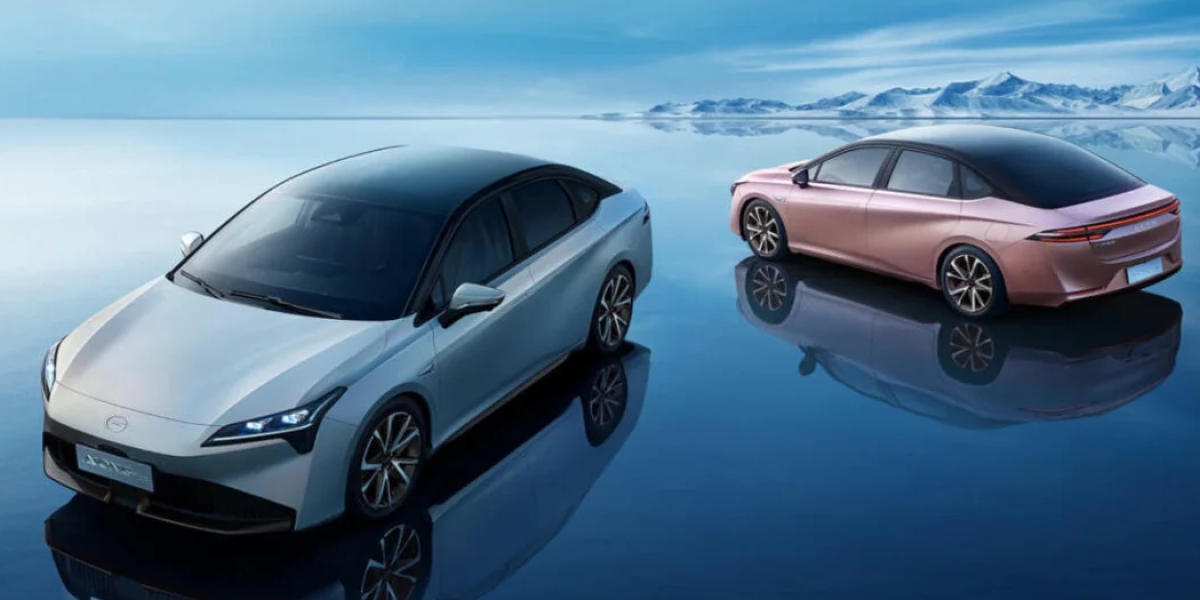
GAC and SAIC are both turning to Huawei as they try to regain momentum in China's new-energy vehicle market.
Two state-backed groups look for a smarter starting line
GAC is developing Huawang with Huawei, while SAIC is launching Shangjie, a Huawei-linked brand that has already attracted heavy dealer interest.
The partnerships show how China's older auto groups are responding to a harsher market. Scale and joint-venture history no longer guarantee relevance. Automakers that once relied on manufacturing and channels now need software, intelligent driving and stronger user appeal.
Huawei gives both companies a faster route into smart cockpits and driver assistance. That creates a narrower starting line in intelligence. The harder question is what each brand can do once Huawei's technology reduces that gap.
Huawang carries GAC's delayed Huawei ambitions
Huawang is a new premium intelligent-vehicle brand created by GAC and Huawei. The two companies signed a deeper cooperation agreement in November 2024, and Huawang was formally registered in March 2025. It sits outside Huawei's better-known "five realms" brand family, but it is still part of the broader Huawei-linked auto ecosystem.
GAC's relationship with Huawei goes back further. The two companies began strategic cooperation in 2017 around intelligent connected electric vehicles. In 2021, GAC approved joint development of the AH8, a mid-to-large electric SUV planned for production by the end of 2023 with Huawei intelligent-driving and cockpit technology. The project was budgeted at about $109mn.
In March 2023, GAC changed the AH8 project from joint development to self-development, with Huawei shifting from partner to supplier. The earlier project did not continue in its original form, but it gave both sides experience that now supports Huawang.
Huawang's potential comes from the combination of GAC's manufacturing system, supply-chain capability and market experience with Huawei's smart-vehicle solutions. Huawei's ADS 3.0 driver-assistance system and HarmonyOS cockpit can bring immediate consumer recognition.
The brand's business scope also includes wearable smart devices and intelligent unmanned aircraft, suggesting a broader smart-mobility ecosystem around people, cars and daily life. That could give Huawang a wider technology narrative if GAC can turn it into a coherent product and service experience.
Shangjie has the early spotlight
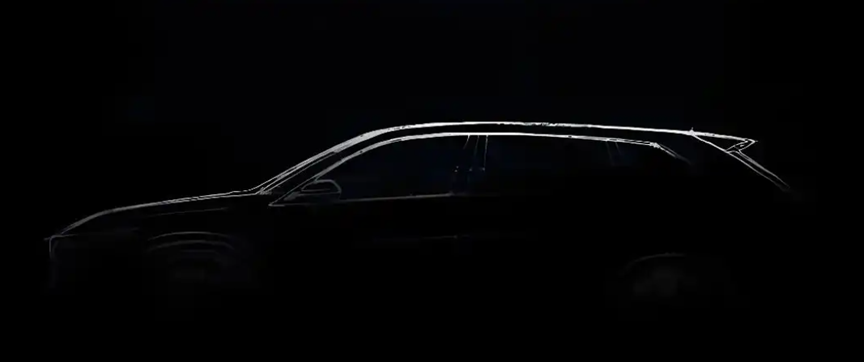
Shangjie has moved faster in public visibility. Its official account appeared in late June, the first model teaser followed on July 11, and official images of the Shangjie H5, co-developed by Huawei and SAIC, were released on July 14. Huawei consumer business chief Richard Yu has also given the brand direct attention.
The channel response has been strong. More than 1,000 4S dealerships have reportedly applied to join Shangjie's retail network, and industry forecasts cited in the article suggest monthly sales could quickly exceed 15,000 units if the channel strategy works.
Shangjie's advantage is its dedicated network strategy aimed at lower-tier cities and more developed county-level markets. New-energy penetration in third- and fourth-tier cities still has room to rise, and a focused dealer network could help Shangjie reach buyers beyond China's most crowded urban EV battlegrounds.
That strategy also gives dealers a reason to pay attention. More than 12,000 4S stores have reportedly exited the market over the past five years, and dealer groups are looking for credible new-energy brands that can help them transition. Shangjie offers them a Huawei-backed product story and a clearer role in underpenetrated markets.
Huawei can level intelligence, but not everything else
If Huawei provides similar intelligent-driving and cockpit capabilities to both brands, Huawang and Shangjie will not be able to win solely by claiming better software. The next round will depend on marketing, channels, product definition, brand trust, pricing, manufacturing quality and other technologies beyond the Huawei layer.
GAC and SAIC both have large legacy operations and joint-venture bases, but those advantages have weakened as petrol-car share falls and foreign joint ventures lose momentum. Their financial pressure in recent years shows why both groups need new-energy brands that can become stronger pillars.
Huawang's case rests on GAC's earlier Huawei cooperation, manufacturing depth and the chance to create a fresh high-end image. Shangjie benefits from being inside Huawei's more visible brand family and from stronger marketing support, as shown by Richard Yu's public promotion.
Late entry is not necessarily fatal for Huawang. If it can deliver a strong product, build a credible image and use executive communication well, it can still gain attention. Shangjie, for its part, must show that dealer enthusiasm can translate into sustained retail orders rather than early noise.
The Huawei field is getting crowded
Huawang and Shangjie are not competing only with each other. Changan chairman Zhu Huarong recently visited Huawei founder Ren Zhengfei, with official language pointing to discussions on industry competition and future market structure. In practical terms, that suggests Changan is also seeking deeper cooperation.
Changan already works with Huawei through Avatr, but it is expanding ties across other brands. Deepal has signed a comprehensive deepened cooperation agreement with Huawei, and Changan Qiyuan has joined Huawei Digital Power's supercharging alliance to help advance ultra-fast charging.
As more automakers adopt Huawei systems, "Huawei-powered" becomes less of a unique selling point. Brands will need their own reasons to exist, whether through design, pricing, channels, battery technology, range, service or emotional identity.
The real contest begins after the software gap narrows
GAC and SAIC have both addressed an obvious weakness by partnering with Huawei. That does not decide the outcome. In China's EV market, a complete brand now needs technology, manufacturing, marketing, channel discipline and user experience to move together.
Huawang has the ingredients for a higher-end, ecosystem-led push. Shangjie has stronger early visibility and a channel strategy aimed at incremental markets. Their next challenge is to prove that Huawei's support is a foundation, not the whole story.