
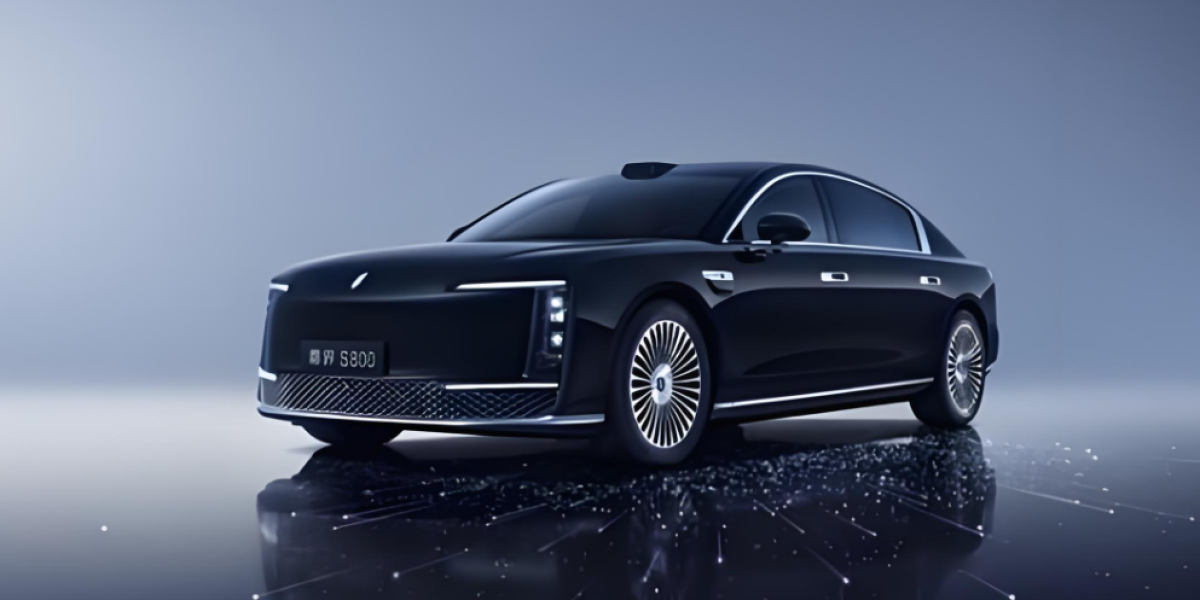
JAC Motors has put Maextro at the centre of one of the boldest premium-brand bets in China's auto industry.
A high-stakes leap into premium territory
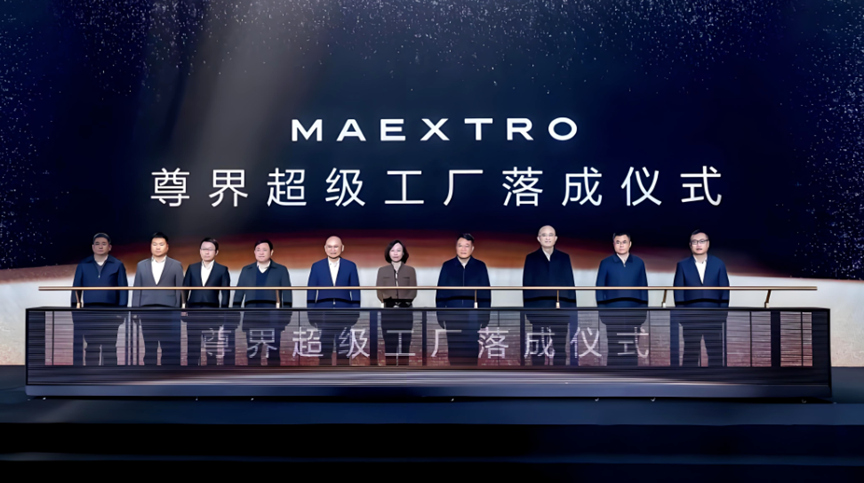
Chairman Xiang Xingchu has said the company formed a dedicated team of more than 5,000 people, invested more than $1.4bn and built a new super factory to support the brand.
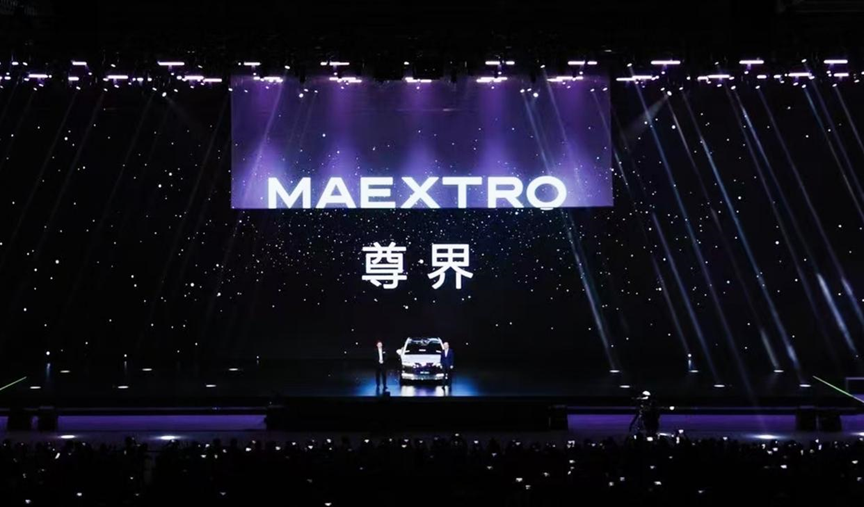
The message is clear: JAC wants Maextro to become more than another electric-vehicle label. It wants the Huawei-backed ultra-luxury brand to change how consumers see a manufacturer long associated with commercial vehicles and mainstream products.
That ambition reflects JAC's own difficulties. The company has lost market share, struggled to produce a breakout new-energy passenger model and remained relatively quiet in China's fast-moving premium EV market. Maextro offers a chance to reset the narrative, but it also exposes JAC to a level of brand, capital and execution risk it has not faced before.
The first challenge is trust
Maextro's first model entered the market in May, making the brand too new to judge conclusively. Yet its chosen direction is unmistakable: it wants to compete in the ultra-luxury intelligent-vehicle segment, where prices can exceed about $140,000 and buyers expect more than technology specifications.
The challenge is that JAC lacks a luxury history. A century-old premium marque can ask customers to believe in craft, heritage and invisible engineering. A new ultra-luxury brand backed by a commercial-vehicle manufacturer has to earn that credibility from scratch.
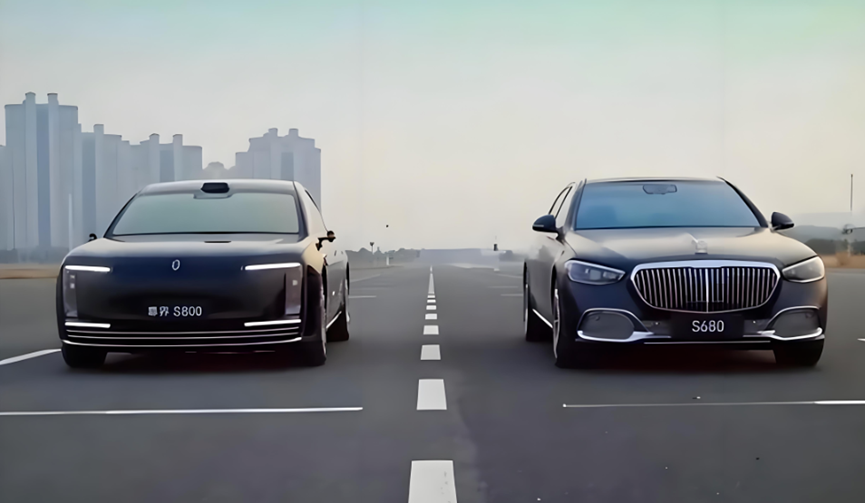
Early marketing has not made that easier. The article points to controversy around a comparison with Mercedes-Benz and a violent test that was later questioned online after being exposed by a vehicle owner. Whether every criticism is fair or not, the episode created a trust deficit just as Maextro needed confidence.
JAC's commercial roots are hard to escape
Perception may be Maextro's most difficult obstacle. JAC's manufacturing image in China is not naturally associated with chauffeur-driven sedans, handcraft or old-world luxury. That matters because ultra-luxury buyers often pay for cultural confidence as much as hardware.
JAC's financial position also raises questions about how long it can sustain a high-end development cycle. In 2024, revenue fell 6.28 per cent to about $5.9bn. Attributable net loss reached about $248mn, compared with a profit of roughly $21mn in 2023. Net loss excluding non-recurring items reached about $381mn.
Against that backdrop, the commitment of more than $1.4bn to Maextro, new platforms and a new factory is striking. It shows seriousness, but it also prompts a practical question: can JAC keep funding the level of product, service and research needed to compete in ultra-luxury vehicles?
Huawei gives Maextro technology, but not heritage
Maextro benefits from Huawei's Harmony Intelligent Mobility ecosystem. The S800's ADS 4.0 driver-assistance system and Tuling Longxing platform give it strong intelligent-vehicle credentials, and those features matter in China's high-end EV market.
For traditional ultra-luxury buyers, though, smart technology is only part of the equation. Mechanical polish, chassis refinement, ride quality and long-cultivated brand rituals still carry weight. Mercedes-Benz has decades of S-Class chassis development. Rolls-Royce has built its image around an almost theatrical ride experience. Maextro must prove it can create its own version of that invisible craft.
The use of a 1.5-litre turbocharged range-extender engine in a six-figure luxury car also creates a perception issue. It may be technically adequate, but buyers in this segment can still associate displacement and mechanical presence with status. Adequacy is not always enough when the brand is new and the price is high.
The Huawei ecosystem brings its own hierarchy
Entering Huawei's ecosystem gives Maextro visibility, channels and software credibility. It also places the brand inside a crowded family. Aito M9 sales are stable, Luxeed R7 is climbing, and other Huawei-backed brands are competing for attention and resources.
Maextro disclosed more than 5,000 locked-in orders 19 days after launch and 6,500 in the first month. The article notes that it remains unclear how many of those orders came from corporate purchases and how many from individual users. Future resource allocation inside the Huawei ecosystem may depend heavily on real deliveries and sustained demand.
JAC's role in the partnership is also a concern. Huawei has greater influence over technology development and product definition, while JAC is mainly responsible for manufacturing. That division can work if the product succeeds, but it may also reinforce the perception that Maextro is more a Huawei-led project than a JAC premium breakthrough.
Competition leaves little room for error
Domestic rivals are already pressing into high-end territory. Nio ET9 is positioned as an executive flagship around the $97,000 level. BYD's Yangwang U8 has used its e4 technology platform to claim space in the roughly $140,000 bracket.
At the same time, smart-driving technology is becoming less exclusive as more brands use Huawei-linked systems or develop comparable in-house capabilities. If software features become widely available, Maextro will need other sources of pricing power: design, ride, service, brand theatre and long-term owner trust.
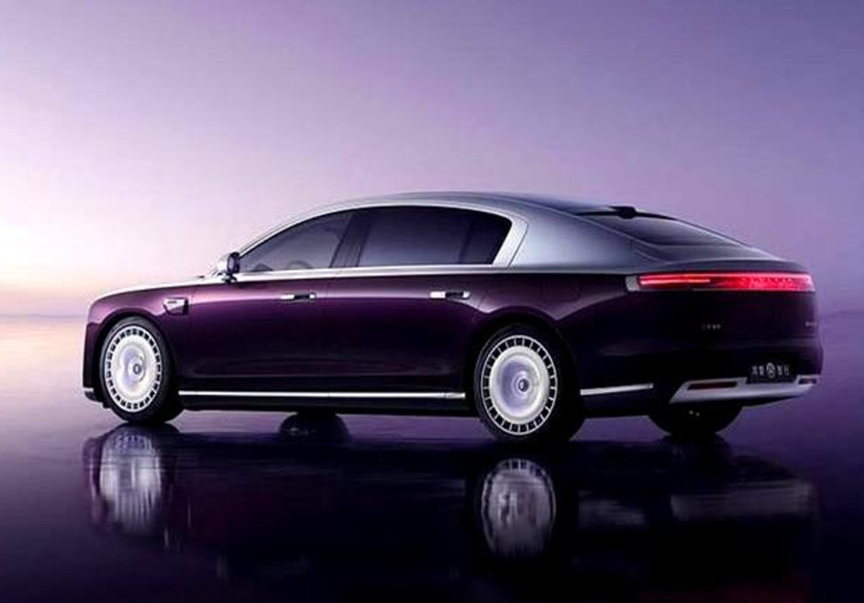
That is why Maextro's test is larger than a specification comparison. It must build a luxury culture, not just a technology stack. It must reconstruct trust, not merely expand channels. It must show why a Chinese ultra-luxury car from JAC and Huawei is irreplaceable.
A rescue plan and a gamble at the same time
Maextro could become a turning point for JAC if it proves that the company can move beyond its commercial-vehicle identity and create a credible high-end passenger-car brand. The upside is large: a successful Maextro would give JAC status, technology relevance and a new growth story.
The risk is just as large. Public controversy, thin luxury heritage, financial pressure and a crowded Huawei ecosystem all make the path uncertain. JAC has bought its way onto the ultra-luxury stage. The harder task is convincing buyers that Maextro belongs there.