
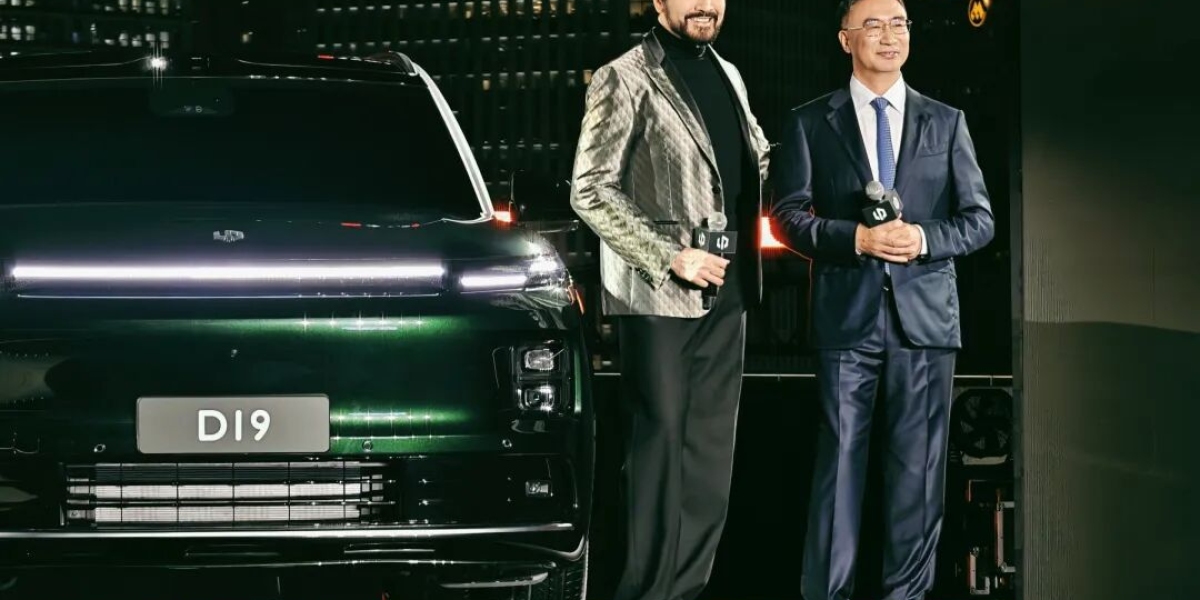
Leapmotor has become one of the clearest growth stories in China's EV market.
A fast-growing company looks upward
From January to September 2025, it delivered 395,516 vehicles, up 128.8 per cent year on year. In September alone, deliveries reached a record 66,657.
That performance stands out in a market where many automakers are cutting back, defending cash and preparing for a harder cycle. Leapmotor is doing the opposite: it is preparing to move upward.
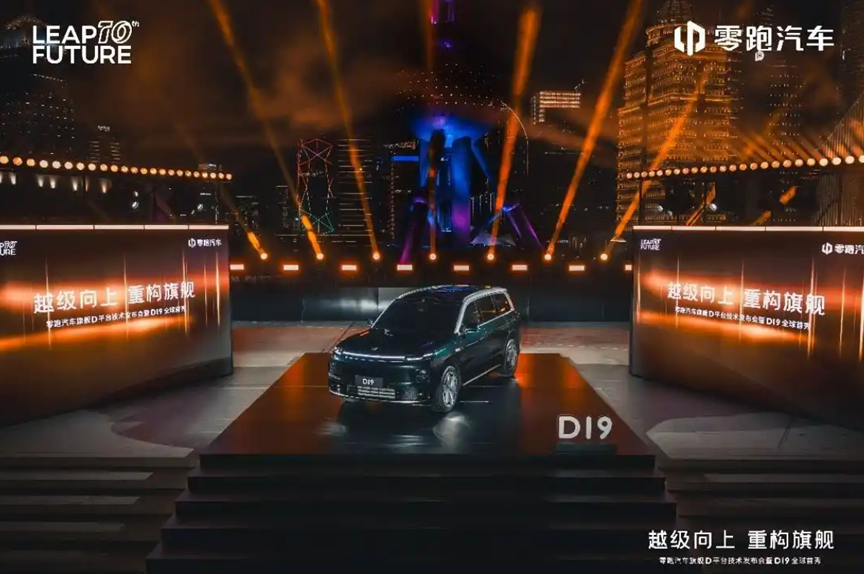
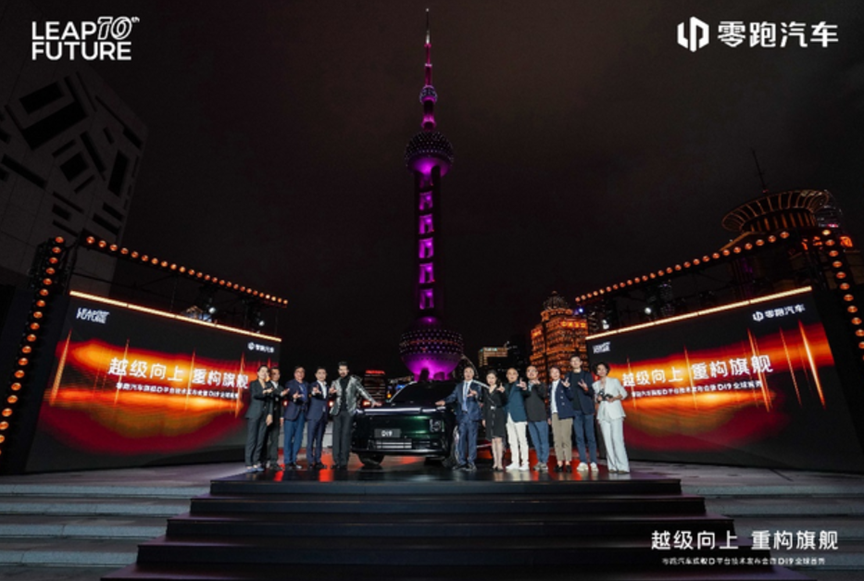
The debut of the D19, the first model from Leapmotor's new flagship D series, should be read in that context. It is not simply another product launch. It is an opening statement for the company's move into higher-end vehicles.
Why the timing makes sense
Leapmotor built its base in the mainstream and lower-price segments because that was the right route for survival and scale. That stage has largely worked.
In the first half of 2025, Leapmotor achieved half-year net profit for the first time, becoming the second Chinese new-force automaker to do so. It delivered 221,664 vehicles, up 155.7 per cent year on year, and ranked first among China's new-force brands by sales. Revenue reached about $3.4 billion, up 174 per cent, and gross margin rose to a company record of 14.1 per cent. Cash on hand reached about $4.1 billion, with positive operating and free cash flow.
That gives Leapmotor more freedom to attempt brand elevation. Remaining only in the low-to-mid market would limit future profit growth, especially as competition intensifies and more brands chase the same value-driven buyers.
Leapmotor now argues that its deep in-house technology base gives it the right to try. The company says more than 95 per cent of key components are self-developed, and cumulative R&D investment has exceeded about $1.4 billion. The flagship D platform and D19 are meant to show that those investments can support a more premium product.
The D19 as a high-end bridge
Founder, chairman and chief executive Zhu Jiangming has said many users have asked whether Leapmotor could create a higher-end, better-equipped, full-size product while keeping pricing relatively accessible. The D platform is the company's answer.
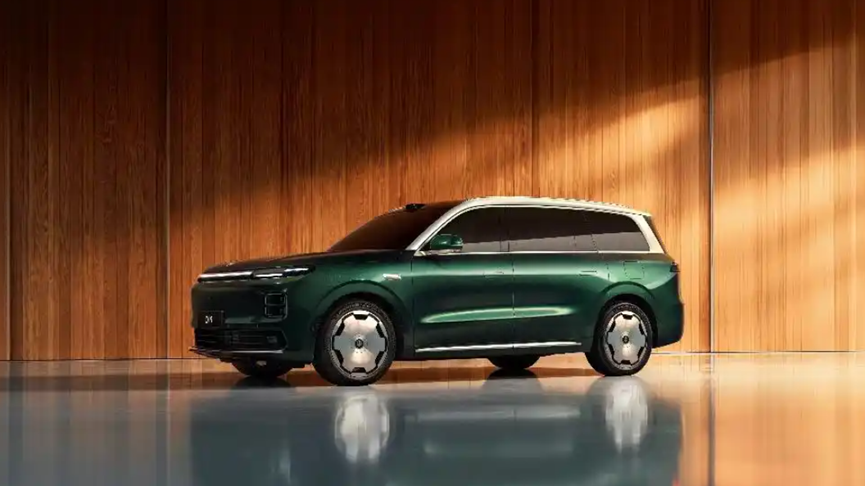
The D19 is positioned as a technology-luxury flagship SUV. It will offer both battery-electric and extended-range versions. The pure-electric version uses a 115kWh battery and has a claimed range of 720km. The extended-range version uses an 80.3kWh battery and offers a claimed 500km of pure-electric range.
The model is also expected to carry lidar and dual 8797 flagship chips. Leapmotor says the D platform includes six industry-first technologies, including an intelligent four-wheel-drive extended-range system that integrates generation and drive functions, a 115kWh super-hybrid cell and the LMC 2.0 chassis system.
The chassis technology includes high-speed dual-tyre blowout control, a smooth body-control experience and a turning function around a roughly 3.6-metre radius. The platform also includes a vehicle-grade oxygen generator, an unusual feature aimed at flagship positioning.
A premium supply chain
Leapmotor is also trying to use well-known suppliers to support the D19's premium claim. The D platform uses CATL cells, dual 8797 cabin-driving integrated chips, Michelin low-rolling-resistance low-noise tyres, CITIC Dicastal wheels and aluminium die-cast floor components.
Other suppliers include Bosch R-EPS steering, Continental MKC2 brake-by-wire, Konghui dual-chamber closed air suspension, Fuyao laminated acoustic glass and Nappa full-grain leather using processes associated with much more expensive vehicles.
The point is to give the D19 visible product substance rather than rely only on a new badge. Leapmotor's historical positioning suggests it may try to price the vehicle aggressively. If the D19 lands around the roughly $42,000 level, it could become a serious value challenger in the large intelligent SUV segment.
The brand challenge
Technology is not the only barrier. Leapmotor's public image has been built around making strong products affordable. That is an advantage in mass-market EVs, but it can become a constraint when a company tries to sell higher-priced vehicles.
Moving from roughly $14,000 products into the high-end market creates a perception gap. Buyers may need time to accept Leapmotor as a premium brand, even if the product specification is strong.
The company has tried to prepare for that shift. Executives have repeatedly said Leapmotor will not pursue the ride-hailing market, avoiding a low-end fleet label. It is also expanding service capability and channel coverage.
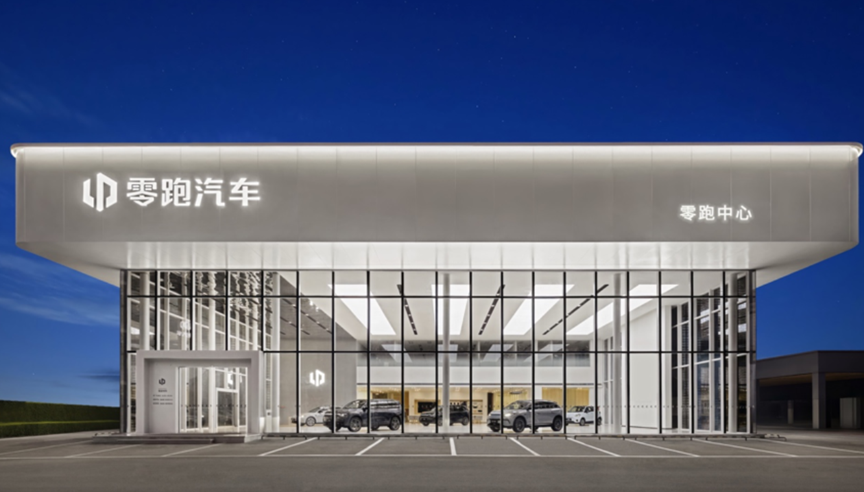
In the second half of 2025, Leapmotor plans to deepen its presence in first- and second-tier cities while expanding into blank cities and counties. By year-end, it expects to add coverage in 60 previously uncovered cities and counties, raise prefecture-level city coverage to 90 per cent and accelerate the rollout of Leapmotor centres and urban showrooms.
A serious attempt, not a guaranteed breakthrough
The D19 and D platform show that Leapmotor wants to compete beyond value EVs. The company has the scale, cost control and cash position to attempt it, and the product specification gives it a credible starting point.
The harder work will be changing brand perception, improving service expectations and convincing buyers that Leapmotor can deliver luxury not only through hardware, but through ownership experience.
The D19 may not by itself make Leapmotor a high-end brand. But it is an important test of whether China's most efficient EV challengers can move upward without losing the value discipline that made them successful.