
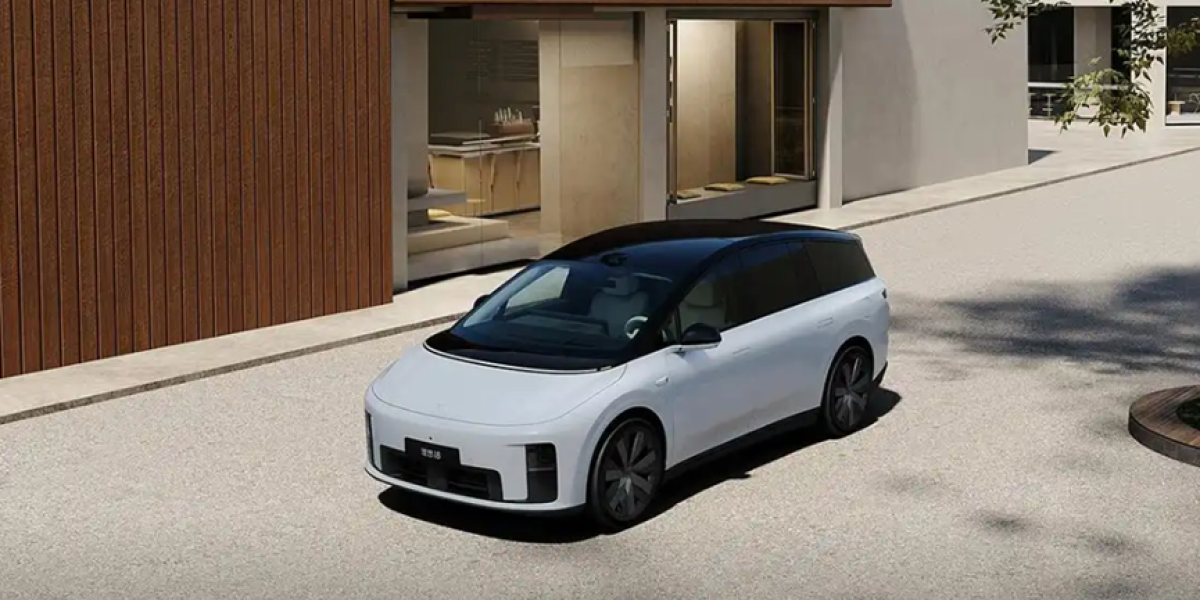
Li Auto has moved to stimulate sales through measures including insurance subsidies, but the strategy has triggered a backlash online from recent buyers who felt they had paid too much too soon.
A price move that angered loyal users
Price cuts are common in China's EV market. Li Auto's case drew more attention because the company had built much of its appeal on trust, family users and a premium image rather than aggressive discounting.
The episode captures a harder question for the industry: when market pressure rises, how should an automaker balance survival, growth and the expectations of existing customers?
The pressure behind the discounts
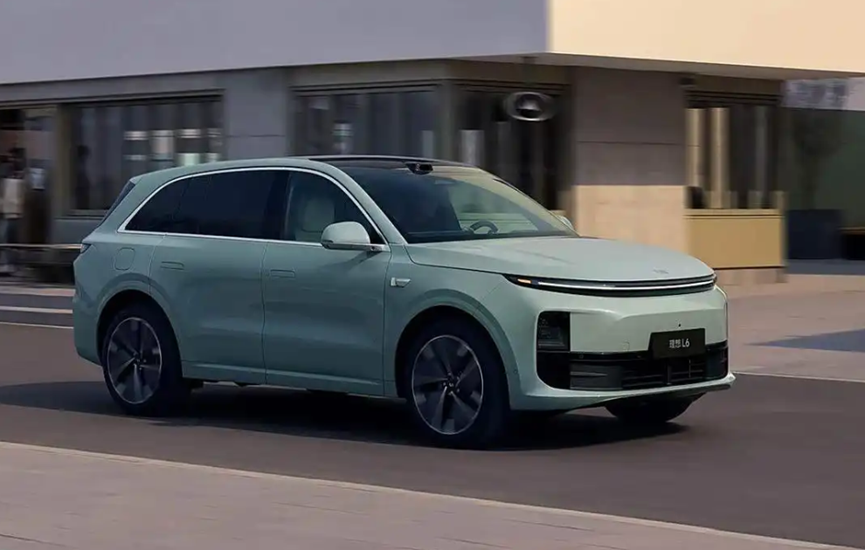
Li Auto's recent performance helps explain the timing. The company remains one of China's most important new-energy brands, but its growth momentum has weakened as competition has intensified.
In the second quarter of 2025, Li Auto delivered 111,000 vehicles, up only 2.3 per cent year on year. Vehicle sales revenue reached about $4.0 billion, up 17 per cent from the previous quarter but down 4.7 per cent year on year, marking the first negative year-on-year growth in vehicle-sales revenue.
The outlook for the third quarter was weaker. The company expected deliveries of 90,000 to 95,000 vehicles, far below 152,800 in the same period of 2024. It forecast total revenue of about $3.4 billion to $3.6 billion, also sharply lower than a year earlier.
The competitive context is also harsher. Leapmotor has gained attention with a "half-price Li Auto" value proposition. Aito M9 has at times outsold the combined volume of Li Auto's L7, L8 and L9. Features once associated with Li Auto's family-SUV formula, such as large cabins, screens, refrigerators and comfort-focused seats, have become common across the industry.
A family-user base under attack
Li Auto's greatest asset has been its family-user reputation. For several years, the company effectively defined the extended-range family SUV in China. That gave it more than product strength; it gave it a bank of goodwill.
That is why discounting can be risky. A lower price may bring in new buyers and support short-term deliveries, but it can make existing owners feel punished for buying early. In a social-media-driven market, that frustration spreads quickly.
For a brand that depends on trust, the damage can outlast the sales benefit. Recent buyers may reconsider whether they will repurchase, and potential customers may delay orders in expectation of further discounts.
Li Auto's problem is therefore not only pricing. It is how to protect the user relationship that helped build the brand in the first place.
From product difference to cost competition
The discount dispute also shows how China's new-energy market is changing. The sector is moving from product differentiation toward a tougher mix of cost competition, technology speed and brand management.
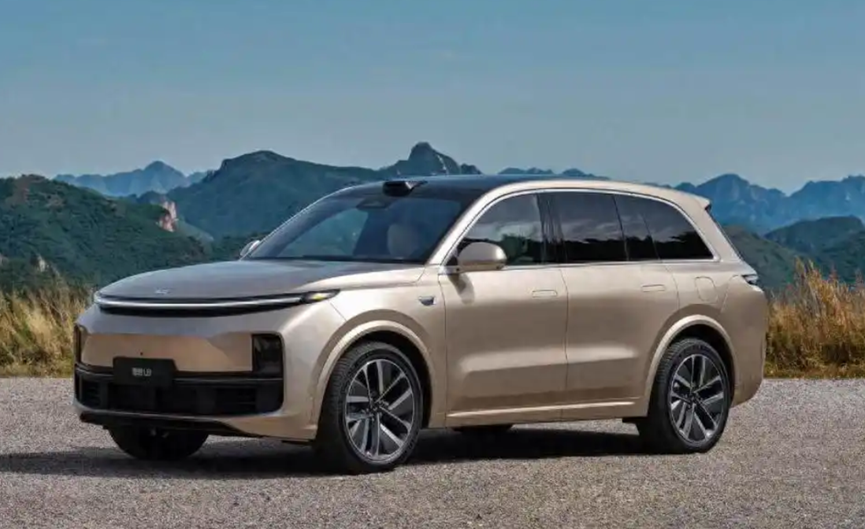
Li Auto once benefited from being early to a powerful formula: extended-range powertrains, family-focused cabins and a clear premium positioning. That formula is now widely copied, and consumers have more alternatives.
In that environment, price becomes tempting. But price cuts cannot replace product innovation, cost control, stronger supply-chain capability or sharper software and service differentiation.
The company also needs to respond carefully to user sentiment. If the affected group remains small, the impact may be manageable. If the anger spreads, Li Auto may need compensation or other trust-repair measures to limit reputational damage.
The broader lesson
Consumers are not passive in today's Chinese auto market. They can make a brand popular, and they can quickly punish it when they feel treated unfairly.
That makes price strategy more complex than a spreadsheet calculation. Automakers must weigh short-term volume against long-term brand trust, especially when recent buyers are watching every incentive and subsidy.
Li Auto's discount row is not unique, but it is a warning. In a market this competitive, brands cannot afford to solve one problem by creating another. The companies that manage the next phase best will be those that can cut costs, improve products and protect user trust at the same time.