
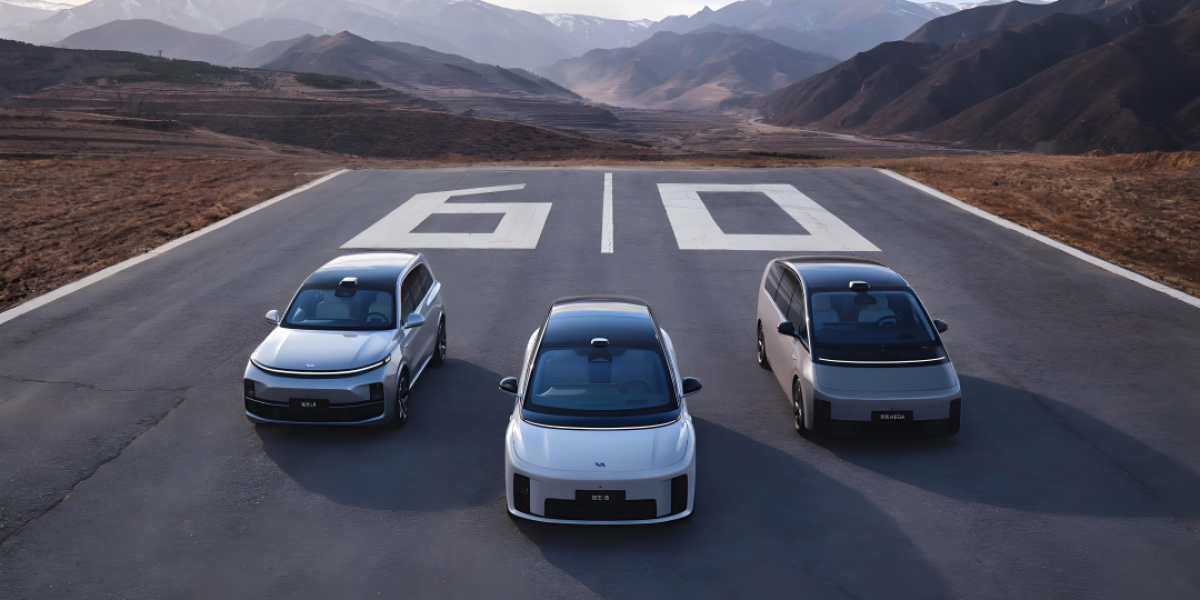
The launch of Li Auto's i8 has become a major talking point in China's auto market not because the model is radically different, but because it arrives at the moment when the large six-seat SUV segment is filling with serious competitors.
A crowded segment reaches its decisive phase
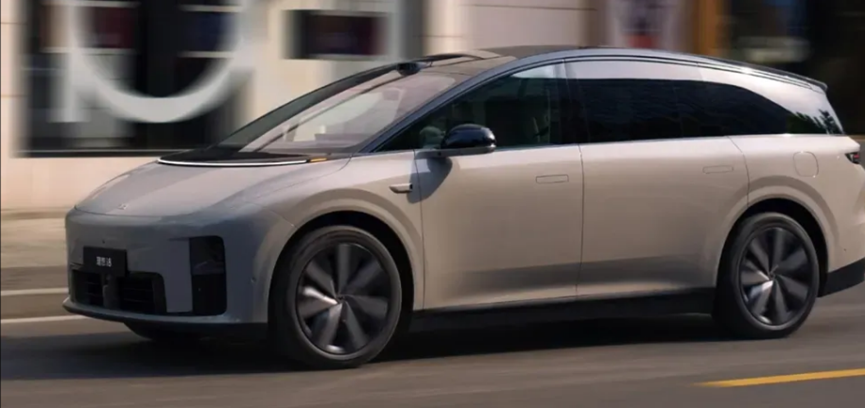
Six-seat SUV sales rose 127 per cent year on year in the first quarter of 2025, far outpacing the wider market. The segment remains smaller than mainstream five-seat SUVs, but demand for larger family vehicles has become strong enough to pull in almost every major manufacturer.
The i8 is therefore less a single-model event than a trigger for a wider contest. The question is which brand can occupy the consumer's mind once the major options are all on the table.
Why six-seat SUVs became the next battleground
The five-seat SUV market has become heavily saturated. Products have converged around similar configurations, similar technology claims and similar family-use messaging. For automakers looking for new growth, the six-seat SUV offers a way to move beyond that crowded field.
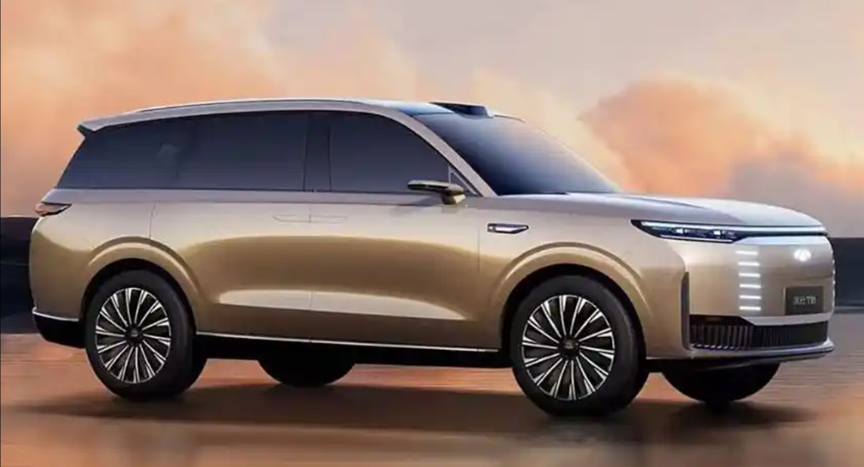
Large six-seat SUVs address several needs at once: more space, more family flexibility, a stronger premium feeling and less of the utilitarian image associated with traditional MPVs. They also give brands a segment that is less brutally crowded than mainstream five-seat SUVs, at least for now.
That window is closing quickly. Tesla has teased a Model Y L for autumn, signalling that even the global mid-size SUV leader sees a need to stretch into the six-seat battlefield. At the Shanghai auto show, large SUVs had already become a major theme. C- and D-segment SUVs accounted for nearly 30 per cent of the 97 displayed models, according to figures cited in the article.
Recent or upcoming names include Aito M8, Lynk & Co 900, Deepal S09, Denza N9, GAC Hyptec HL, Zeekr 9X, IM LS9, Xpeng G01 and Leapmotor D-series models. With Li Auto i8 now launched, the field is no longer waiting for major players. The fight has begun.
Li Auto helped educate the market
China's family-car buyers were not always clear about the value of six-seat SUVs. After the country relaxed two-child and three-child policies in 2015 and 2021, demand for space rose, but many families still defaulted to five-seat SUVs or MPVs.
Li Auto changed that conversation by framing the L8 and L9 as family flagship SUVs and making comfort, space and family use the core story. By early April 2025, cumulative deliveries of the Li L-series had exceeded 1mn units in just 31 months.
That success helped turn the large family SUV from a niche option into a mainstream aspiration. Passenger-car association data showed China's mid-to-large and large SUV retail sales reached 1.646mn units in 2024, up 52.5 per cent. From January to November 2024, mid-to-large SUV sales rose 51 per cent and large SUV sales rose 22 per cent, far ahead of micro and compact SUVs.
As a result, later entrants are not building the segment from zero. They are competing in a market that Li Auto and others have already helped define.
The third row becomes the key story
Once six-seat SUVs become common, differentiation becomes harder. Many brands have learned from Li Auto's playbook, even if they do not say so openly. To stand out, they need more than a large body and a family label.
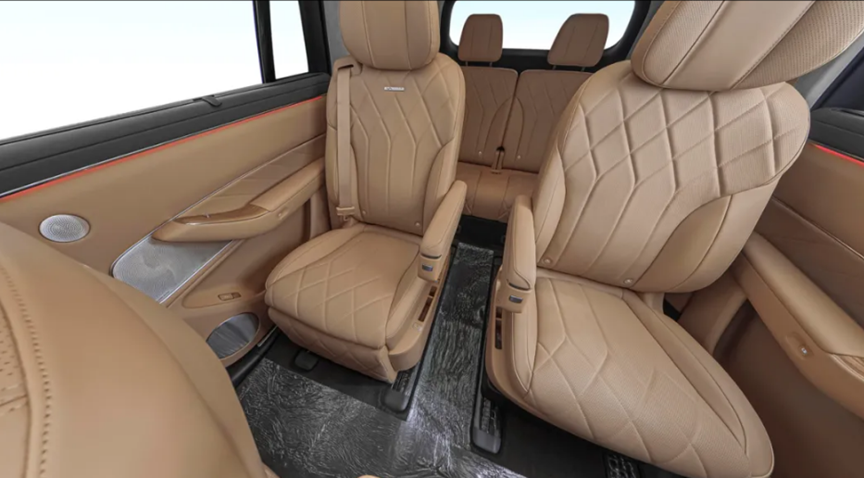
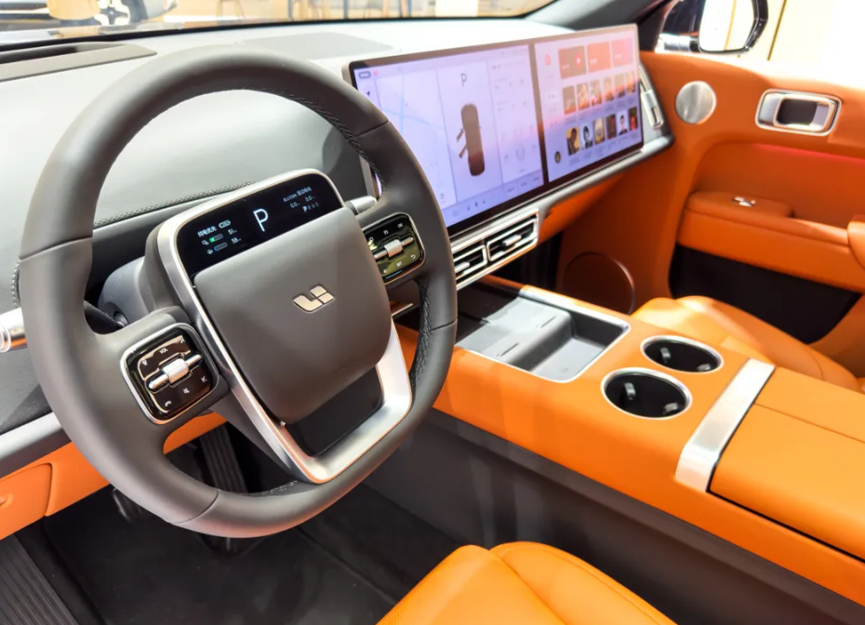
The third row may become the most important point of separation. If one brand treats it as a marketing extra and another makes it genuinely usable, the difference becomes easy for families to feel. Fold-flat bed functions, sunken storage, quick-access passageways, zoned lighting and quietness can turn the third row from occasional seating into a real ownership advantage.
This matters because the decision is emotional as well as practical. Families are not only buying seats. They are buying comfort for parents, children and grandparents on long trips.
Pricing decides how large the market can become
Six-seat SUVs also need credible pricing. Above roughly $56,000, only the Aito M9 has consistently reached more than 10,000 monthly sales, with the Li L9 following behind. Competing in that band is difficult because the user base is narrower and the incumbents are strong.
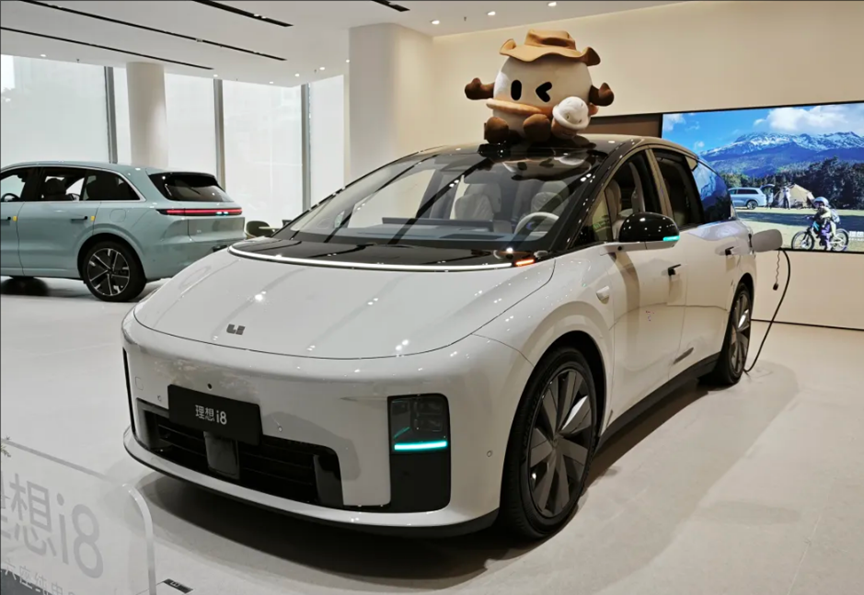
That is why many new entrants are targeting lower price points. Lynk & Co 900, Denza N9, Deepal S09, Onvo L90 and upcoming models such as IM LS9 and Xpeng G01 have all been positioned with starting prices below roughly $56,000. The newly launched Li i8 starts at about $45,000, showing that Li Auto also understands the need to reach a broader family market.
Early entry still matters. Li Auto already owns strong family-SUV mindshare, so the i8 can draw from a familiar audience. Rivals can still gain ground if they offer better products, stronger prices or better service. Onvo L90, for example, generated goodwill by arranging user test drives before Li i8 reached some buyers.
The winner will need a clear long suit
The six-seat SUV market is no longer a quiet niche. With major brands now committed, consumers will have more choices and competitors will be judged across more dimensions: space, third-row usability, assisted driving, charging, range, service and price.
Winning the segment will require a product advantage that is easy to understand and hard to copy, plus pricing that brings the vehicle within reach of mainstream family buyers. Li Auto has the brand association. The next question is whether its rivals can build a more convincing reason to switch.