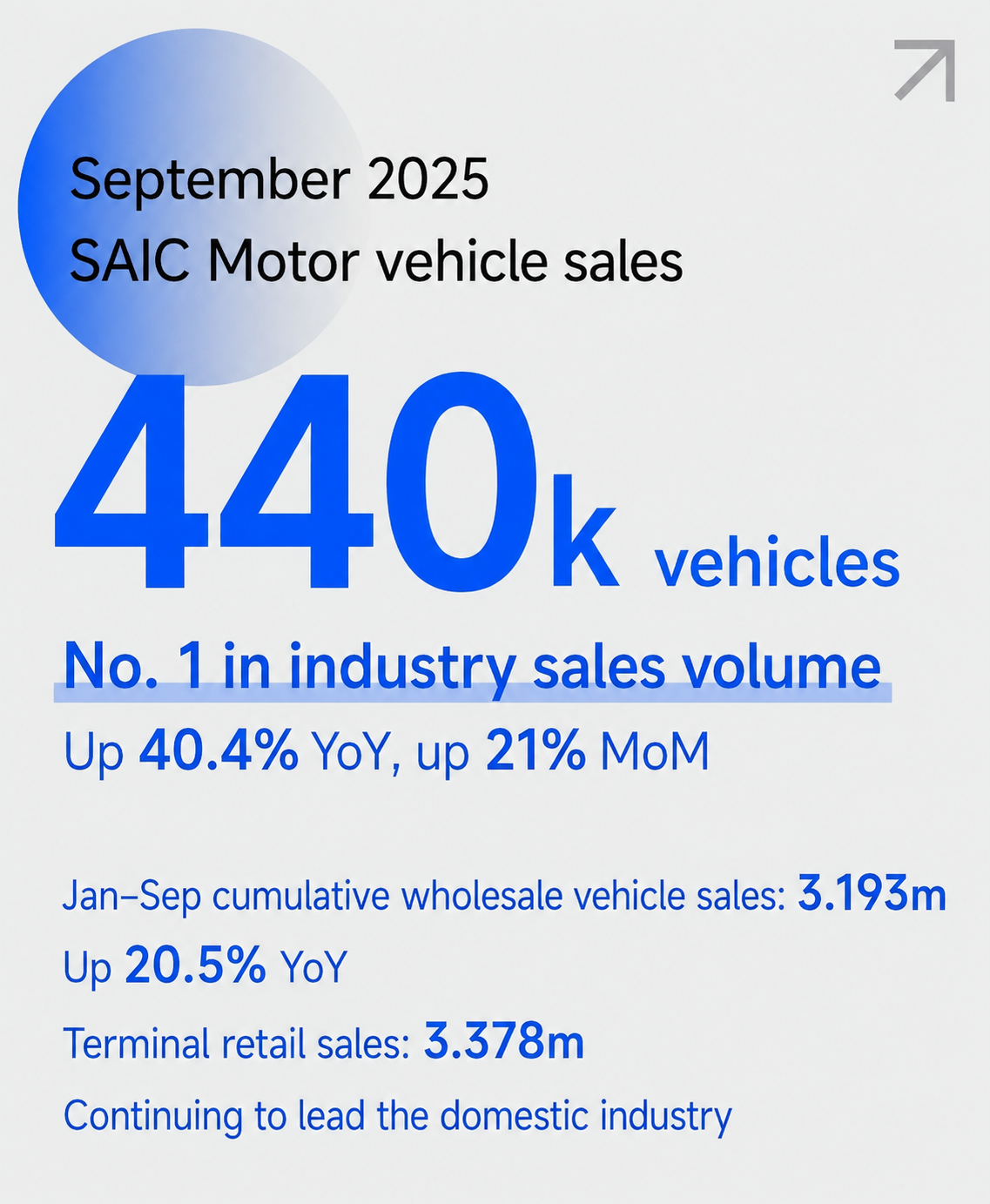
SAIC Motor sold 440,000 vehicles in September, up 40.4 per cent year on year and 21 per cent from the previous month.
A sharp reversal from last year's weakness
From January to September, wholesale sales reached 3.193 million vehicles, up 20.5 per cent, while retail sales reached 3.378 million.
The group has now posted nine consecutive months of year-on-year sales growth, a striking reversal from its softer performance in 2024.
The key reason is not one brand or one model. SAIC's owned brands, joint ventures, new-energy products and overseas business are all contributing. The result is a more balanced structure than the old model, when sales and profit depended heavily on the two big joint ventures.
A portfolio acting more like a group
SAIC's self-owned brands sold 294,000 vehicles in September, up 50.4 per cent. From January to September, cumulative owned-brand sales reached 2.044 million, up 29.2 per cent.
SAIC Maxus sold 21,000 vehicles in September, up 35.8 per cent. SAIC-GM-Wuling sold 158,000, up 43.9 per cent. In new-energy vehicles, IM Motors sold 11,000, up 77 per cent; SAIC Maxus sold more than 7,000, up 119.6 per cent; SAIC-GM sold more than 10,000, up 82.3 per cent; and SAIC-GM-Wuling sold 106,000, up 22.7 per cent.
Overseas, SAIC sold 101,000 vehicles in September, up 12.2 per cent. From January to September, overseas sales reached 765,000, up 3.5 per cent. MG has delivered more than 220,000 vehicles in Europe this year, maintaining double-digit growth.
The important change is that SAIC's brands are no longer working as separate islands. Wuling, MG, IM Motors, SAIC Maxus, SAIC Volkswagen and SAIC-GM are serving different roles inside a wider system.
Different brands, different jobs
SAIC-GM-Wuling remains focused on lower-tier and mass-market users, where value, practicality and local reach matter most. Its 106,000 new-energy vehicle sales in September show that Wuling still understands small EV and entry-market demand.
IM Motors targets the high-end intelligent EV market. The IM LS6 received more than 10,000 locked orders within 27 minutes of pricing, lifting SAIC's image in the premium new-energy segment and attracting buyers who care about technology and quality.
MG continues to be SAIC's main overseas growth weapon. In Europe, the brand has gained share by pushing into hybrid segments and using its younger, sportier positioning. From January to August, MG sold more than 50,000 vehicles in the UK and reached a 4 per cent share. In Spain, sales rose 58 per cent and cumulative sales passed 100,000. In Italy, sales exceeded 35,000, up 33 per cent. In Germany, sales passed 15,000, with August volume up 260 per cent year on year.
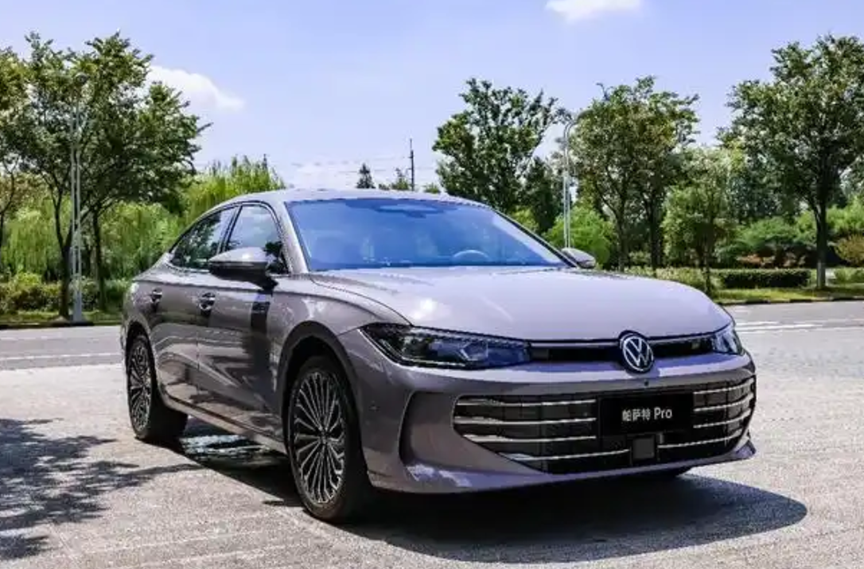
The joint ventures are also contributing. SAIC Volkswagen still holds stable audiences in sedans and SUVs through models such as Passat, Lavida and Tiguan L, while upgrading technology and intelligent features. SAIC-GM covers multiple segments through Buick, Chevrolet and Cadillac, from mainstream sedans to higher-end SUVs and MPVs.
Technology is the engine, but not the only one
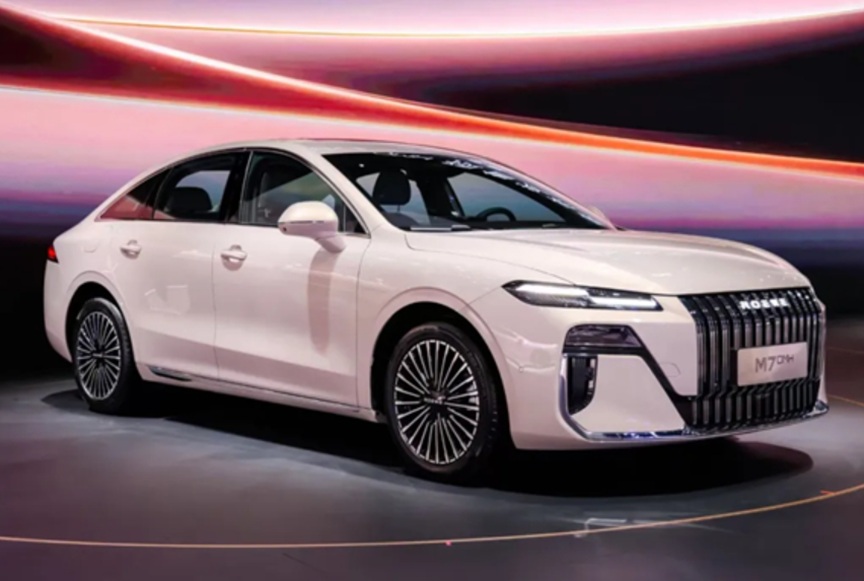
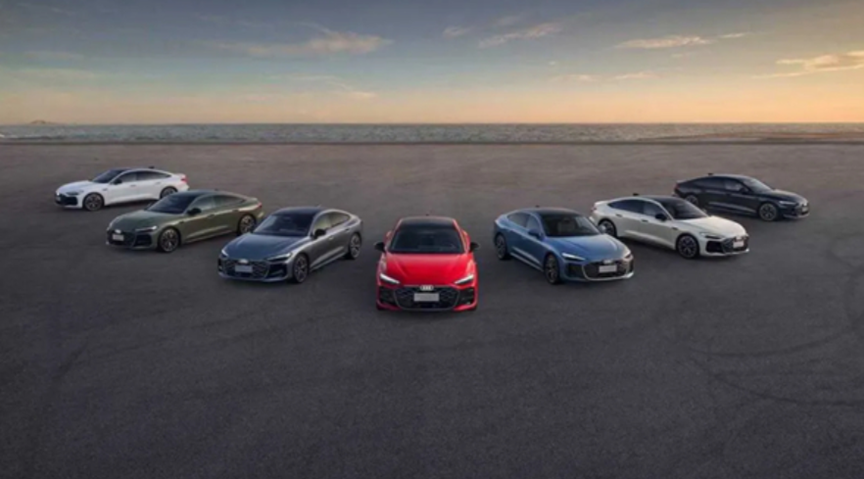
SAIC's product cycle has accelerated. In the first half of 2025, models such as Roewe D6 EV, the new IM L6, Buick GL8 Luzun and Baojun Xiangjing strengthened labels around range, intelligent control and safety. In the second half, Shangjie H5, the new MG4, Roewe M7 DMH, IM LS6 and LS9, and Audi E5 Sportback expanded the line-up across sedans, SUVs and MPVs.
Several technologies have given the products clearer points of difference. SAIC's Stellar super range-extender technology offers a claimed 450km pure-electric range and supports 800V ultra-fast charging. The new MG4 brings semi-solid-state battery technology into a model priced below about $14,000, while CTB battery-body integration and integrated thermal management improve value.
SAIC is also building ecosystem partnerships. Shangjie H5, co-developed with Huawei, received more than 50,000 pre-orders within 18 hours. SAIC has also partnered with OPPO to improve smart-vehicle interaction. Its Galaxy full-stack cabin 3.0 connects with HarmonyOS, Android and iOS, covering more than 90 per cent of smartphone brands and extending interaction across phones, watches, earbuds and glasses.
In intelligent driving, SAIC has moved beyond consumer-car features. At the 2025 World Artificial Intelligence Conference, IM Motors, Xiangdao Mobility and SAIC's Youdao Zhitu received Shanghai's first batch of L4 autonomous-driving demonstration-operation licences. SAIC says it is the only company in the sector to receive driverless licences across both passenger and commercial vehicle fields.
Organisation reform made the difference
The sales recovery is also tied to management reform. SAIC has integrated owned passenger-car and commercial-vehicle operations, making the system more flexible.
In the passenger-car business, SAIC introduced product-development and marketing-process methods similar to Huawei's IPD and IPMS systems, improving product definition, cost control and other core processes. It also opened the full vehicle-development chain and promoted agile development.
Product development cycles have been shortened to 18 months. The new MG4 moved from concept design to mass production in only 14 months, about 40 per cent faster than the traditional process. That was possible because R&D, production and supply-chain systems were working more closely together.
A model for legacy automakers
SAIC's nine-month growth streak shows that large traditional automakers can still recover if they make their portfolios work as a system.
The lesson is not only technology. It is brand coordination, sharper positioning, faster product development, stronger ecosystem partnerships and more integrated management.
SAIC still faces a hard year-end market, but its current momentum suggests that reform is producing results. For other legacy groups trying to survive China's new-energy transition, the message is clear: scale only helps when the organisation can move as one.