SAIC-GM-Wuling's new-energy vehicle business has recorded six consecutive months of year-on-year growth above 50 per cent, challenging the assumption that traditional automakers cannot move quickly in electrification.
A traditional automaker turns quickly
In June, Wuling sold 70,357 new-energy vehicles, up 73.8 per cent. Cumulative new-energy sales reached 413,314 units, and the brand has moved into the global top three by new-energy vehicle sales, according to figures cited in the article.
The result stands out in a market where many legacy manufacturers remain caught between price wars and slow electrification. Wuling's growth suggests that transformation does not always require abandoning a company's original logic. It can come from applying that logic to new user problems.
Wuling repeats its old formula in a new market
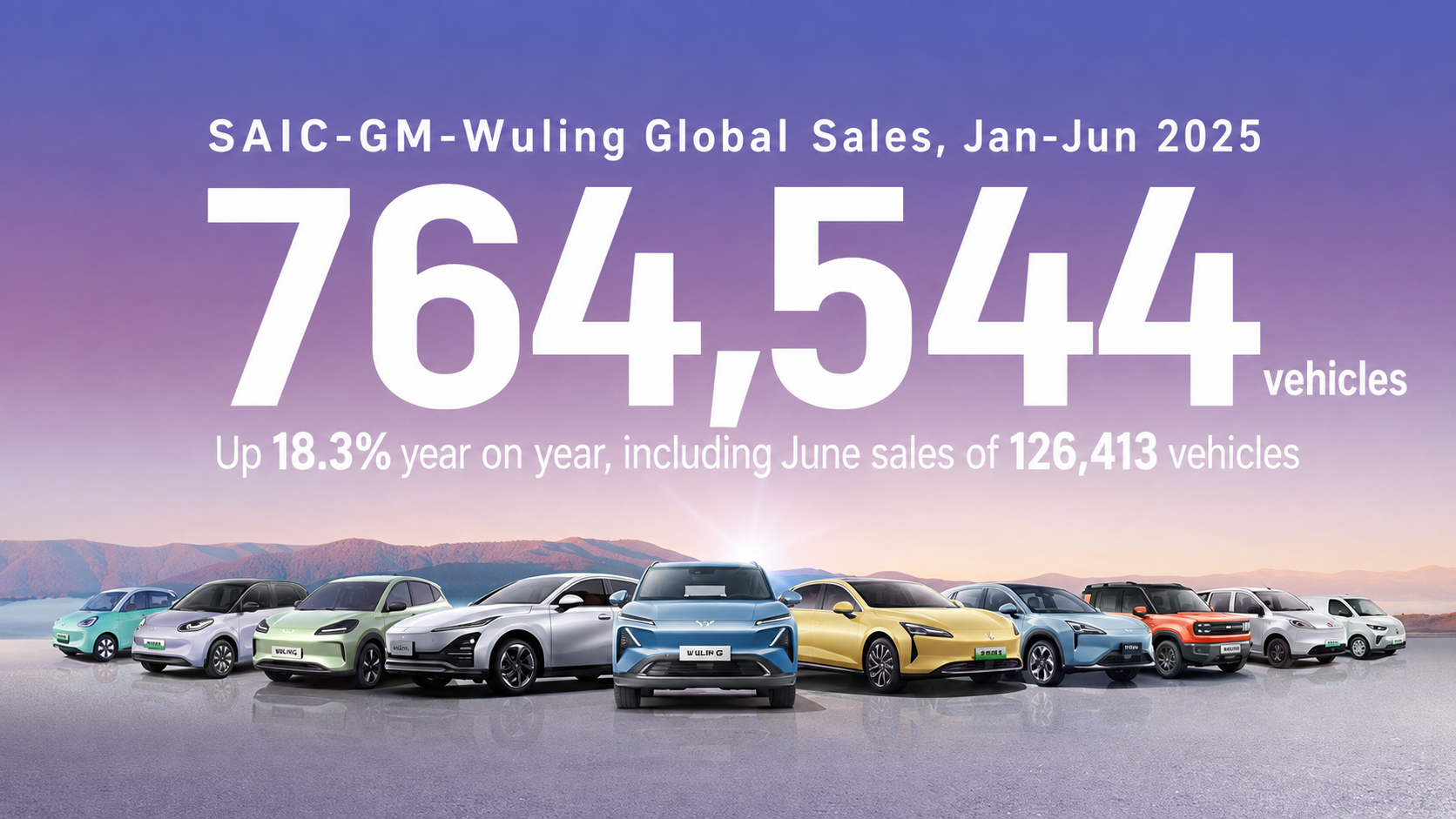
Wuling's traditional slogan was built around making what people need. In the petrol era, that meant practical, affordable vehicles aimed at real daily use rather than prestige. In the new-energy era, the company has carried the same thinking into electric mobility.
Its product strategy is based on scenarios rather than spectacle. The Hongguang Mini EV addressed short urban commuting with moderate range and a highly accessible price. The Wuling Bingo targeted young families seeking flexible space for weekend use. The electric Yangguang light commercial vehicle focused on the logistics market's sensitivity to operating cost.
That approach differs from brands that lead with large specification lists or technology demonstrations. Wuling's products are designed around frequent, practical use cases and the aim of avoiding unnecessary cost for buyers.
General manager Lu Juncheng has described the company as finding blue-ocean opportunities inside red-ocean markets by understanding what users truly need and avoiding redundant features. That user-first logic has helped Wuling move from a petrol-era mass-market leader to a major new-energy player in only a few years.
The second advantage is a system, not one model
Wuling's growth is not driven only by individual products. The company has built a more systematic approach around government, industry, academia, research and user application.
Its "Tian-Ling-Shen" technology system includes Tianling manufacturing mode, Tianyu architecture, Lingxi powertrain, Lingmou intelligent driving, Lingyu cockpit and Shenlian battery. Together, those technologies give Wuling a platform for safety, efficiency, intelligence and cost control.
The Shenlian Battery 3.0 is presented as an example. It has passed all 24 safety tests under China's stricter new battery standard and has undergone additional extreme validation, including ballistic penetration, bottom scraping and rapid charge-discharge stress testing.
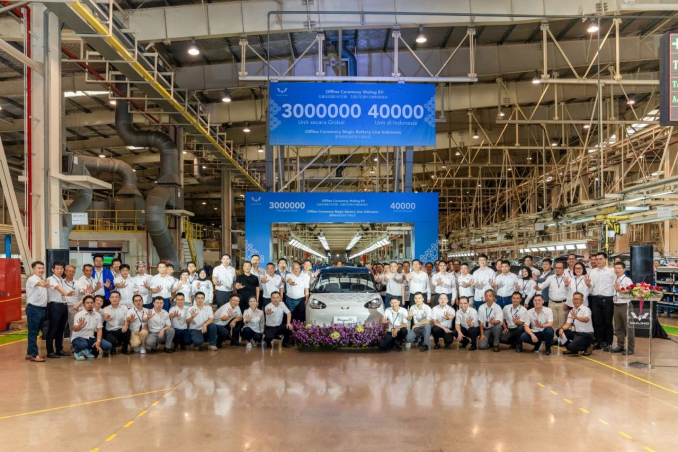
On the product side, Wuling has moved toward architecture-based development. Since implementing its "one-two-five" project, the company has added 15 new-energy models and cumulative new-energy production has exceeded 3mn units.
Local supply chains help keep prices low
Wuling has also invested in local industrial clusters around Liuzhou, covering energy systems, intelligent electric drives, electronics and controls, intelligent mobile robots and business innovation. Each cluster is intended to reach around $1.4bn in scale.
The local sourcing rate for new-energy vehicle parts in Liuzhou has risen from 36 per cent to 63 per cent, forming core battery, electric-drive and control clusters with annual output value of about $9.2bn. This proximity reduces logistics and coordination costs and helps Wuling maintain strong value without relying solely on broad price-war tactics.
That industrial base is a major reason Wuling can sell practical new-energy vehicles at accessible prices while keeping enough product variety to address different use cases.
Exports add a second growth line
Wuling's new-energy products are also gaining overseas traction. In June 2025, new-energy exports reached 8,448 units, up 250.5 per cent year on year, marking a third consecutive month of growth above 200 per cent. First-half cumulative new-energy exports reached 35,964 units, up 147.6 per cent.
In Indonesia, Wuling sold 5,958 new-energy vehicles in the first half, up 20 per cent. Its June market share exceeded 33 per cent, and its vehicle parc ranked first, making it one of the most visible Chinese auto brands in the country.
The company is also accelerating an integrated Indonesia-Malaysia-Thailand strategy. Its model combines local production, supply-chain export and technical-standard export, with the goal of building a full overseas value chain covering research, manufacturing, sales and service.
The next challenge is balancing low cost and technology
Wuling's transition has been successful so far, but the road is not guaranteed. As China's price war cools and technology becomes a more important differentiator, the company must balance affordability with rising research and development costs.
Its traditional strength is economy and practicality. The next phase will test whether Wuling can keep that advantage while adding more advanced batteries, driver assistance, smart cabins and global compliance.
The lesson for other legacy automakers is clear. Scale itself is not the reason transformation fails. The real question is whether a company has the right development path. Wuling's answer has been to keep its mass-market instincts while rebuilding the industrial system behind them.