
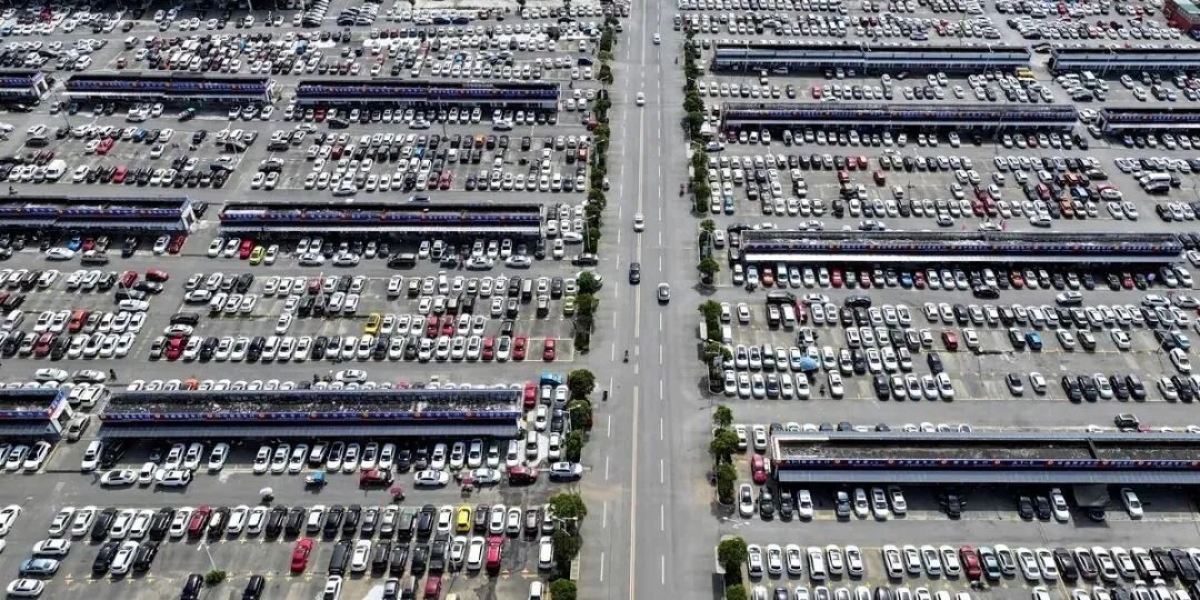
A report suggesting that newly registered cars might be barred from resale as used vehicles within six months was corrected within about 24 hours.
A rumour lasted one day, but the issue remains
The rumour was quickly dismissed, but the reaction it triggered showed how sensitive China's auto market has become to the issue of "zero-mileage used cars".
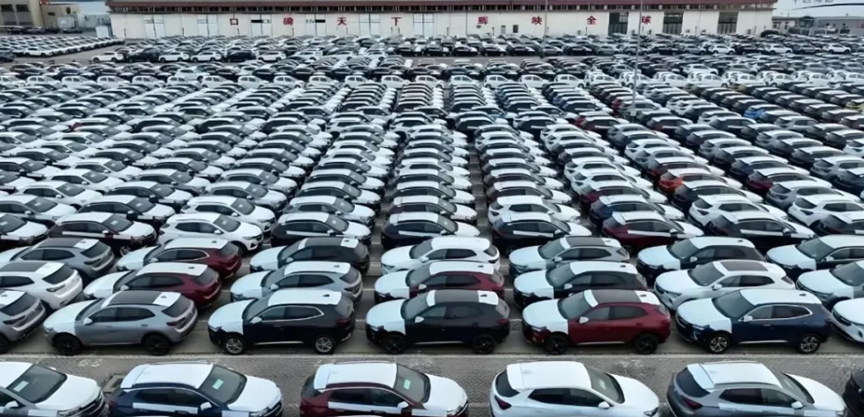
Automakers, dealers, used-car traders, media outlets and consumers all reacted strongly because the rumour touched a real market distortion. Even if the specific policy claim was inaccurate, the underlying concern is widely recognised: cars registered as new can be pushed into the used-car channel almost immediately, inflating sales data and confusing buyers.
The episode echoed earlier criticism from Great Wall Motor chairman Wei Jianjun, who had called attention to the zero-mileage used-car problem. Whether or not the two events were directly linked, the market response showed that many people expect regulators to act eventually.
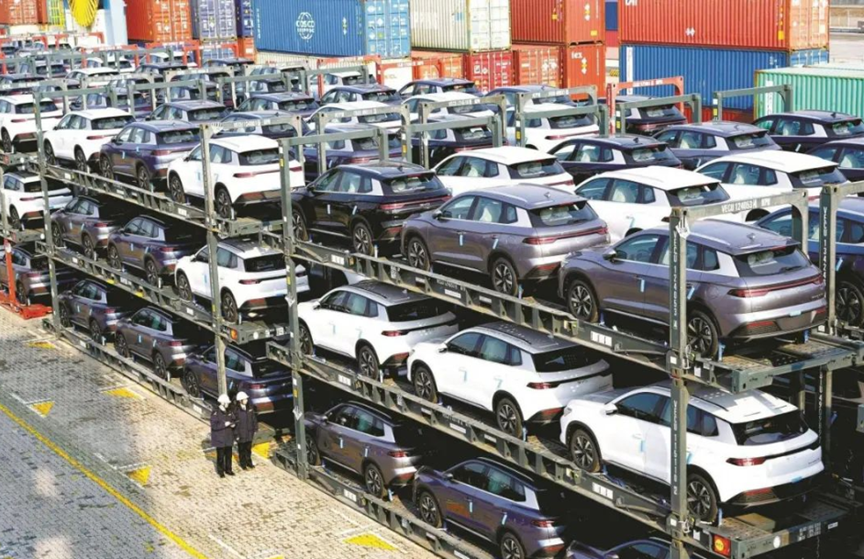
How zero-mileage used cars work
The mechanism is simple. A dealer registers a new vehicle, turning it technically into a used car, and then sells it through a used-car channel with extremely low mileage. Automakers can record wholesale or registration performance. Dealers or large fleet buyers can relieve inventory pressure or arbitrage resources. Slow-selling models can be moved outside normal retail channels.
Consumers may believe they are getting a bargain on an almost new car. In reality, resale value, warranty status, service rights and the true reason for the discount can be unclear.
China Automobile Dealers Association data cited in the article showed that in 2024, vehicles registered for three months or less and driven 50km or less accounted for 12.7 per cent of the national used-car market. New-energy vehicles made up more than 60 per cent of that group. Passenger-car association data for the first quarter of 2025 showed non-individual terminal purchases accounted for more than 32.5 per cent of new-car sales, with many vehicles later processed as used cars.
Those numbers suggest the problem is large enough to affect circulation order, consumers' right to know and the stability of pricing systems.
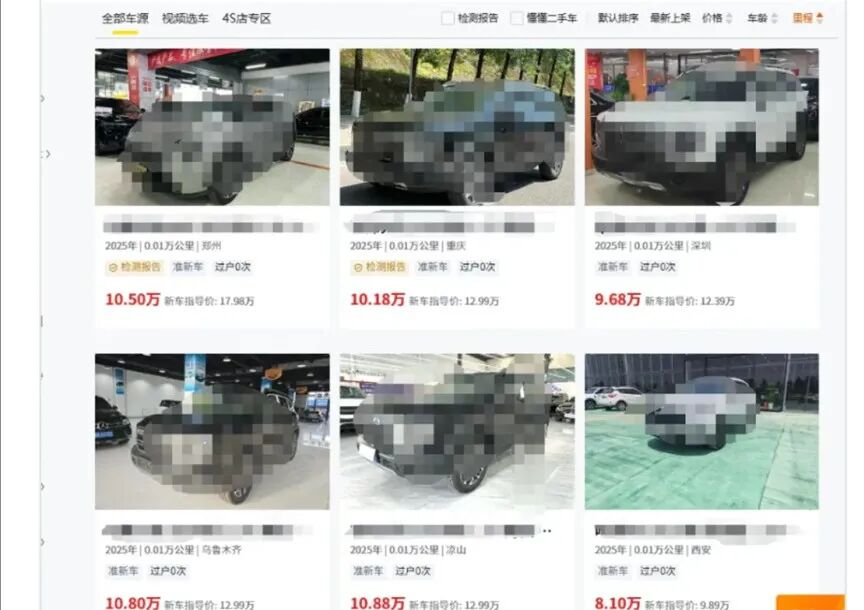
The demand side is not the core problem
The rumoured six-month resale restriction was interpreted by some as a way to curb scalpers or zero-mileage used cars. Yet a resale-time rule alone would not address the core issue. If parties still have incentives to profit, they could delay resale, shift margins or use more opaque arrangements.
The root problem sits on the supply side: overcapacity and structural imbalance. When automakers produce more vehicles than the retail market can absorb, they have reasons to push stock into alternative channels, even if that weakens the long-term health of the market.
National Bureau of Statistics data cited in the article showed auto manufacturing capacity utilisation at 72.2 per cent in 2024, down 2.4 percentage points from the previous year and below the 75.0 per cent average for large-scale industry. In the second quarter of 2025, auto capacity utilisation fell further to 71.3 per cent, 2.7 percentage points below the national industrial average.
Goldman Sachs estimated in a June 17 report that China's new-energy vehicle industry would add 2.5mn units of new capacity in 2025. That is lower than 5.5mn in 2023 and 3.2mn in 2024, but it still means capacity is expanding while utilisation remains under pressure.
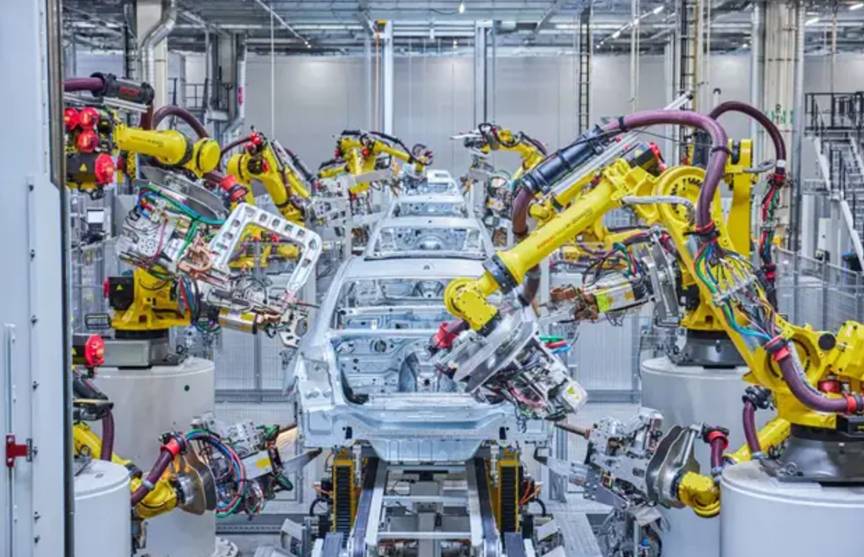
The deeper issue is structural imbalance
Overcapacity itself is only one layer. Su Bo, a former vice-minister at China's industry ministry, said at the China EV100 Forum that existing petrol-vehicle capacity was at least 30mn units, while newly built electric-vehicle capacity exceeded 20mn units. The shift to EVs has only absorbed 2mn to 3mn units of old petrol capacity.
That leaves China with large amounts of legacy capacity and new electric capacity operating at the same time. Joint ventures and domestic brands alike are forced into intense internal competition. Zero-mileage used cars are one result of that pressure: if new cars were selling cleanly through normal retail channels, there would be little reason to disguise them as used cars.
A simple ban on short-term resale would therefore treat a symptom. A more durable answer would involve capacity discipline, higher-quality competition and more transparent circulation rules.
Transparency may matter more than timing
Regulation also needs to address information gaps. Zero-mileage used cars can move through third-party purchasing, entrusted auctions, commercial buybacks and other channels that make oversight difficult.
A national, transparent vehicle registration and transaction platform would help buyers trace a vehicle's full history before purchase. That would reduce the chance of a car being marketed as "new special price" when its real circulation history is more complicated.
A new-car transaction credit mechanism could also be useful. Companies and dealers that frequently register and quickly resell vehicles could be placed on an industry watchlist or blacklist, limiting their access to future market activity.
Independent inspection agencies could play a larger role in used-car transactions. Many consumers are attracted to zero-mileage used cars because the apparent discount looks attractive and the vehicle condition is unclear. Reliable third-party inspection would reduce information asymmetry and make buyers more cautious.
A policy mistake that still raised the right warning
The six-month resale claim was a false alarm, but it served two purposes. It brought the zero-mileage used-car problem back into public discussion, and it exposed the deeper reasons the practice exists: overcapacity, distorted incentives, opaque circulation and weak consumer information.
Regulators may not adopt the rumoured rule, but continued tolerance of zero-mileage used cars would damage industry trust. The next policy response is likely to focus less on the calendar and more on transparency, capacity discipline and accountability across automakers, dealers and used-car channels.