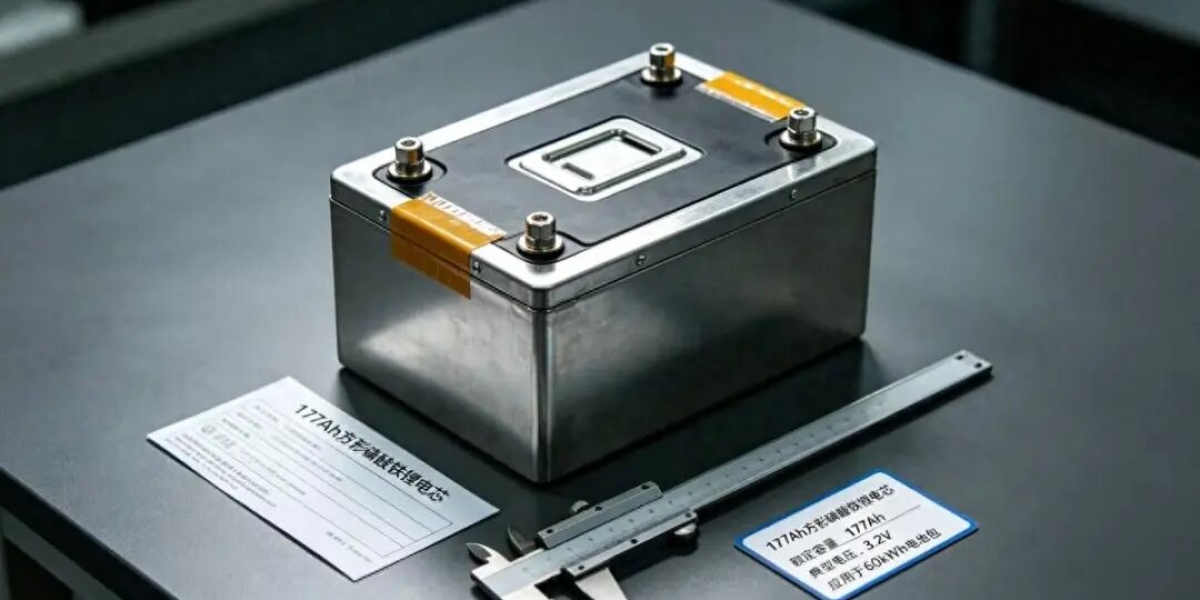
A growing dispute between GAC Aion and battery supplier CALB has pushed one of the Chinese electric-vehicle industry's most difficult questions into public view:
When a battery fails, where does responsibility ultimately lie?
Since the start of 2026, owners of several Aion models fitted with CALB's 177Ah lithium iron phosphate cells have reported swollen cells, insulation faults, electrolyte leakage, abrupt losses of range and, in some cases, vehicles becoming immobilised while in use. The deformed cells have been nicknamed "banana batteries" by owners because of their curved appearance.
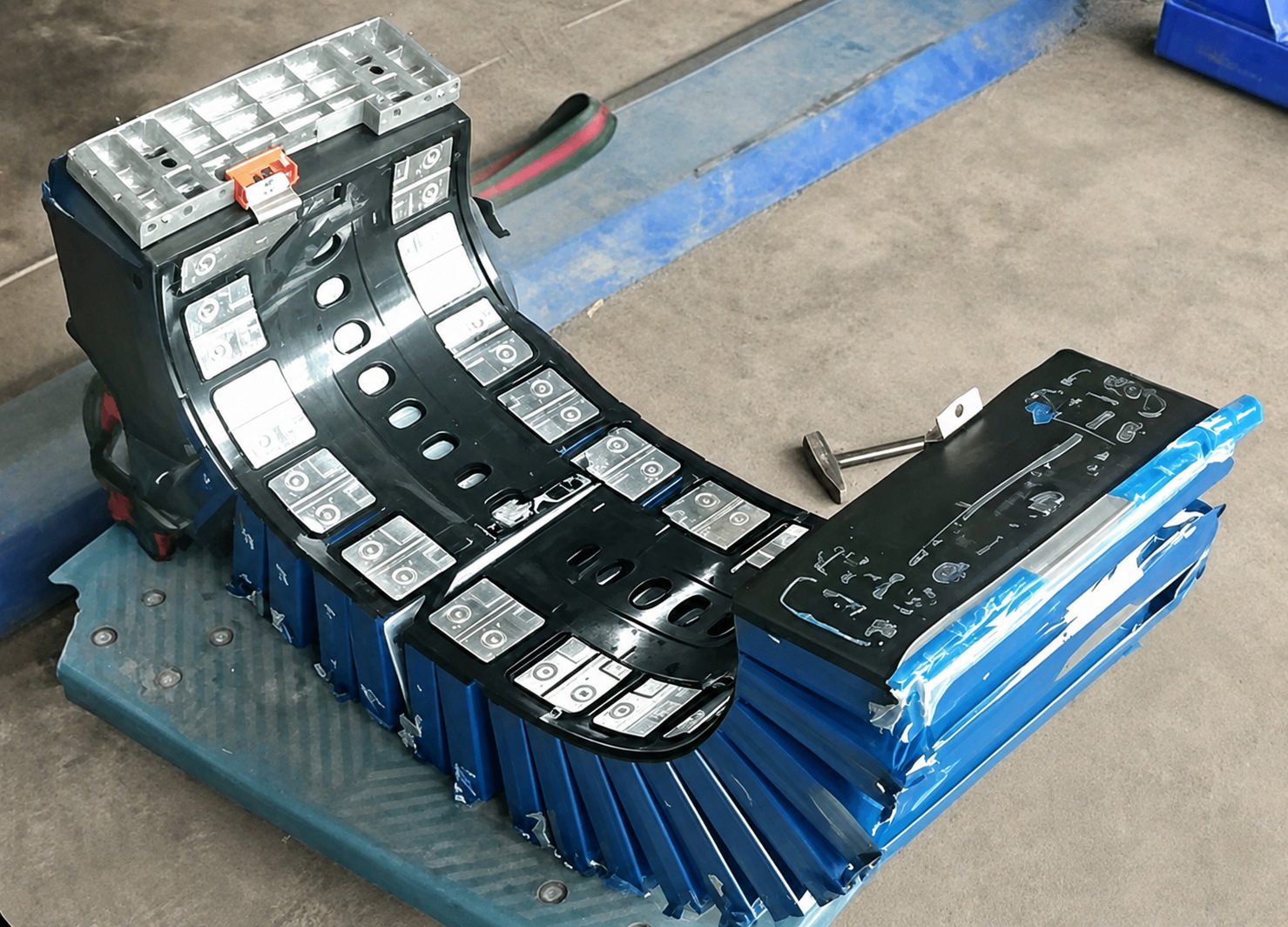
Some owners commissioned independent inspections after dealers failed to provide a satisfactory explanation. According to the reports cited by the owners, collision damage, flooding and other external causes were ruled out, leaving suspected defects inside the battery as the focus of concern. Data extracted from battery-management systems was also said to show unusually large voltage differences between cells and a sharp deterioration in consistency, rather than normal ageing.
GAC Aion and CALB issued statements within hours of each other on July 18. Yet the language used by the two companies pointed to a clear difference in how they view the problem. Aion referred directly to battery faults and extended warranty coverage for the affected packs. CALB described failures occurring under "specific operating conditions", wording that appeared to leave open the possibility that vehicle use, system integration or other factors had contributed.
The difference may seem semantic, but it goes to the heart of how risk is shared across China's EV industry. Carmakers sell the finished vehicle and remain the first point of contact for customers. Battery producers design and manufacture the most expensive and safety-critical component. When a defect emerges, each side has strong commercial incentives to avoid accepting sole responsibility.
Owners Face High Repair Costs and Long Delays
Complaints gathered on Chinese consumer platforms describe similar patterns. Owners of Aion S-series vehicles have reported swollen cells, leakage, insulation warnings and sudden reductions in usable range. Several vehicles were said to have become undriveable with little warning.
One Aion S Plus owner reported that the car stopped charging after covering 245,000 kilometres. After the local dealer declined to provide free towing, the owner arranged an independent repair. The battery pack was opened and a pressure-relief valve was found to have been forced open. Replacing the pack through an authorised outlet was quoted at as much as about $11,000, while refurbished and second-hand alternatives varied widely in price. The owner ultimately paid roughly $4,000 for a replacement.
Another owner of an Aion V Plus said the vehicle developed an insulation fault shortly after passing the 160,000-kilometre warranty limit. The car remained unrepaired because of a shortage of parts, while customer service had done little beyond recording the complaint.
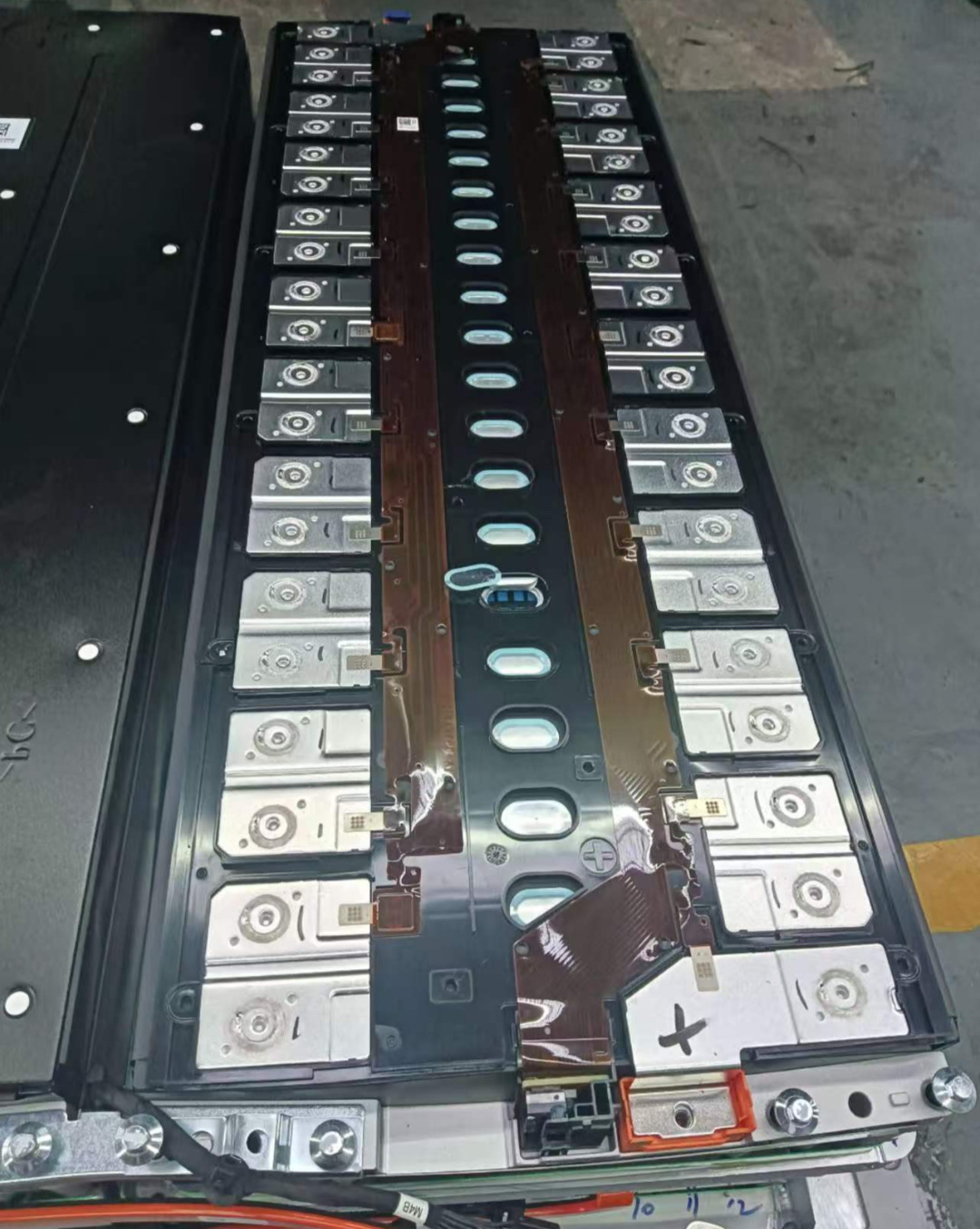
After public criticism intensified, Aion doubled the mileage element of the battery warranty from eight years or 150,000 kilometres to eight years or 300,000 kilometres. CALB said it would provide free inspections and repairs.
The extended coverage is not limited to the Aion S, despite claims circulating online. It applies to Aion models equipped with CALB's 177Ah lithium iron phosphate cells, including versions of the Aion S, Aion Y and Aion V.
The scale of the potential exposure is significant. The Aion S has been one of the brand's highest-volume vehicles since its launch in 2019, with cumulative sales exceeding 400,000 units after peaking in 2023. Even if only a small share of vehicles is affected, the number of owners involved could be substantial.
CALB has also taken the unusual step of opening a service channel directly to vehicle owners, bypassing the conventional structure in which complaints are handled by the carmaker and its dealer network. That move may help speed up repairs, but it also underlines the seriousness of the dispute and the uncertainty surrounding responsibility.
A Quality Dispute Shaped by Thin Margins
The battery failures have emerged against a backdrop of severe financial pressure across China's car industry. Years of discounting have reduced margins for many manufacturers, while battery groups have retained a larger share of industry profits.
Cui Dongshu, secretary-general of the China Passenger Car Association, recently argued that battery suppliers are taking a disproportionate share of the value generated by the EV market. Citing 2025 Fortune Global 500 figures, he said Chinese carmakers on the list earned a combined $14.7 billion, while CATL alone accounted for $7.1 billion.
The gap is also visible in company results. CATL reported 2025 net profit equivalent to about $10 billion, more than the combined earnings of 13 publicly listed Chinese vehicle manufacturers cited in the original analysis. Across China's automotive industry, the sales profit margin was only 3.4 per cent in the first five months of 2026.
At the vehicle-manufacturing level, the pressure is even greater. Chen Shihua, deputy secretary-general of the China Association of Automobile Manufacturers, said the average profit margin for domestic vehicle production fell to 1.5 per cent in the first half of 2026, its lowest level in almost a decade.
At that margin, an electric car priced at about $28,000 would generate only around $400 in manufacturing profit. Batteries typically account for 25 to 35 per cent of the retail price of a mainstream EV, directing a large share of vehicle revenue to upstream suppliers.
The Aion S is widely used by ride-hailing operators, a market where purchase price and total operating cost matter more than brand prestige. That makes the model particularly exposed to procurement pressure. The battery failures cannot be attributed simply to deliberate cost-cutting by the carmaker, but the industry's compressed margins and relentless pricing competition form an important part of the commercial context.
The wider question is whether manufacturers operating on margins close to zero can devote enough resources to supplier audits, durability testing and long-term quality control. The answer matters far beyond Aion. China's EV sector has expanded at extraordinary speed, but the next phase of competition will depend increasingly on reliability, accountability and after-sales support.
Regulators Expand Scrutiny Across the Supply Chain
The dispute has coincided with a shift in the Chinese government's approach to vehicle safety regulation. On July 17, one day before Aion and CALB issued their statements, the Ministry of Industry and Information Technology convened a meeting with major carmakers.
Companies were told to investigate risks involving production consistency, reliability and durability within both their own operations and those of component suppliers. Regulators also called for stronger testing and validation procedures, a more cautious approach to deploying new technologies and an end to exaggerated marketing claims.
The message was clear: vehicle safety is no longer being treated solely as the responsibility of the company whose badge appears on the bonnet. Oversight is extending across the supply chain, including battery manufacturers and other critical suppliers.
An earlier regulatory meeting in May had already emphasised the shared obligations of carmakers and battery companies. The latest intervention goes further by requiring vehicle manufacturers to examine systemic risks among their suppliers. That could make it harder for companies to shift blame when a fault spans component design, manufacturing, software integration and vehicle use.
For consumers, stronger supply-chain oversight could provide a clearer route to compensation and repair. For companies, it raises the cost of inadequate testing and makes contractual responsibility between manufacturers and suppliers more important.
Battery Tax Changes Raise the Cost of Outsourcing
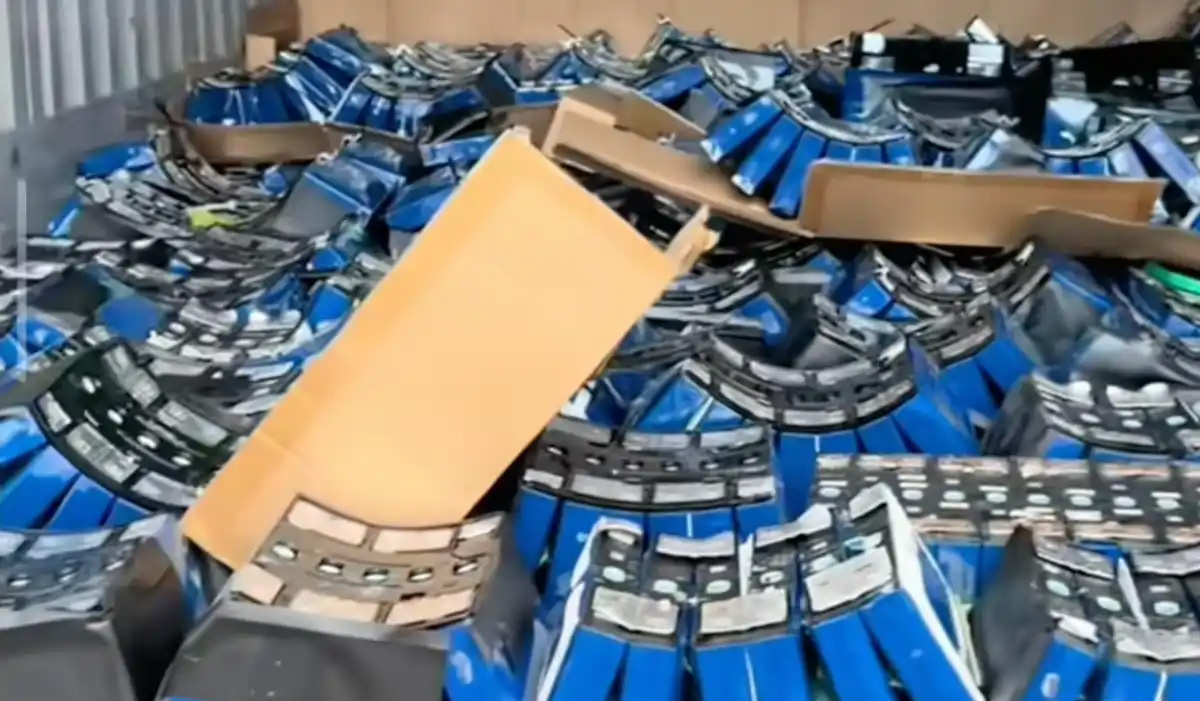
The Aion-CALB dispute also comes as China prepares to end more than a decade of tax exemptions for lithium-ion batteries. A policy announced on July 16 will introduce a 2 per cent consumption tax from September 1, 2026, rising to 4 per cent in September 2027.
The policy does not apply uniformly to every technology. Sodium-ion and solid-state batteries are expected to retain exemptions until the end of 2028, giving the measures an industrial-policy purpose as well as a fiscal one. Mature battery technologies will gradually lose support, while newer chemistries continue to receive preferential treatment.
The tax structure also favours companies with deeper control over battery production. Tax paid on batteries purchased for further manufacturing can be deducted, while batteries transferred internally for continued production may be temporarily exempt. Carmakers with their own battery operations could therefore offset part of the cost, while companies dependent on outside suppliers may face more of the tax passed through to them.
Based on industry cell prices of roughly $0.05 to $0.06 per watt-hour, analysts cited in the original report estimate that the initial tax could add more than $100 to the cost of a vehicle. For a manufacturer producing one million cars a year, the cumulative burden could reach tens of millions of dollars.
BYD already produces most of its own traction batteries. Great Wall Motor has expanded battery operations through affiliated companies, and Geely is investing more heavily in in-house development. The new tax regime could widen the cost gap between vertically integrated groups and brands that rely mainly on external suppliers.
The Consumer Should Not Carry the Cost
The regulatory and tax changes point in the same direction: responsibility is being pushed back towards the companies that design, manufacture and integrate critical EV systems.
Carmakers can no longer operate merely as assemblers while leaving core technology and quality control entirely to suppliers. They will need tighter validation, joint development programmes and, in some cases, greater in-house battery capability. Battery manufacturers, for their part, cannot take a large share of industry profits without accepting a corresponding share of product-liability risk.
The Aion-CALB dispute may eventually be resolved through warranty repairs, supplier compensation or private negotiations. Its broader significance lies in what it reveals about an industry growing faster than its systems for assigning responsibility.
China's EV market is entering a period in which scale and low prices will no longer be enough. The companies most likely to survive the next round of consolidation will be those that can prove not only that their vehicles are technologically advanced, but also that they can identify faults quickly, repair them fairly and prevent customers from paying for failures they did not cause.