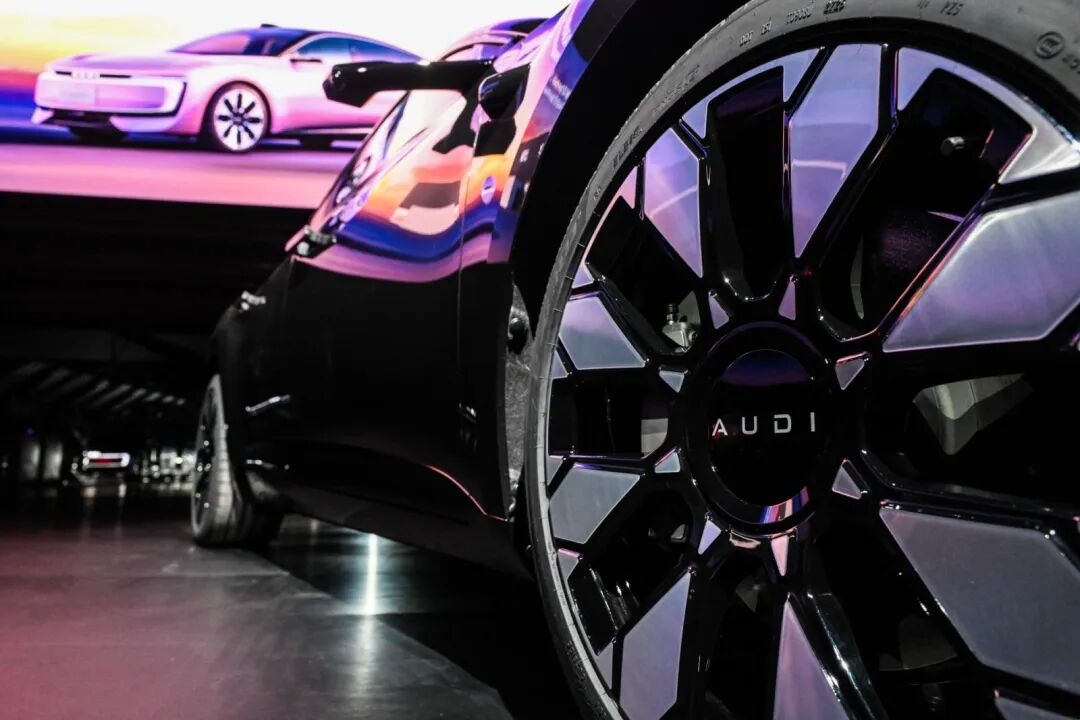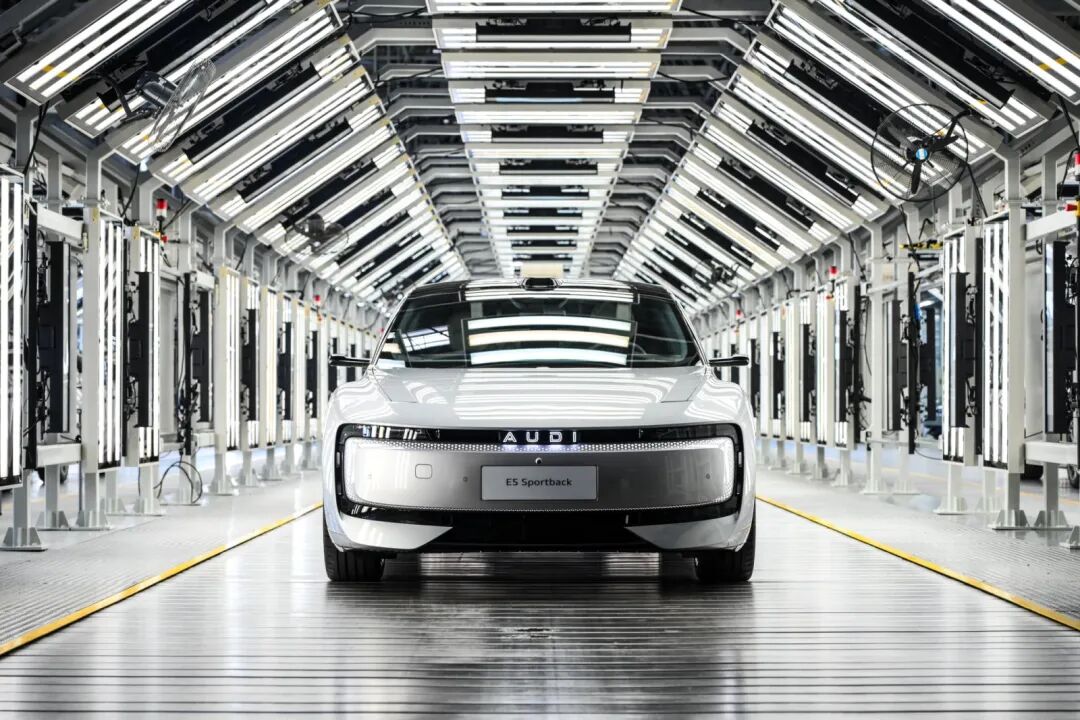
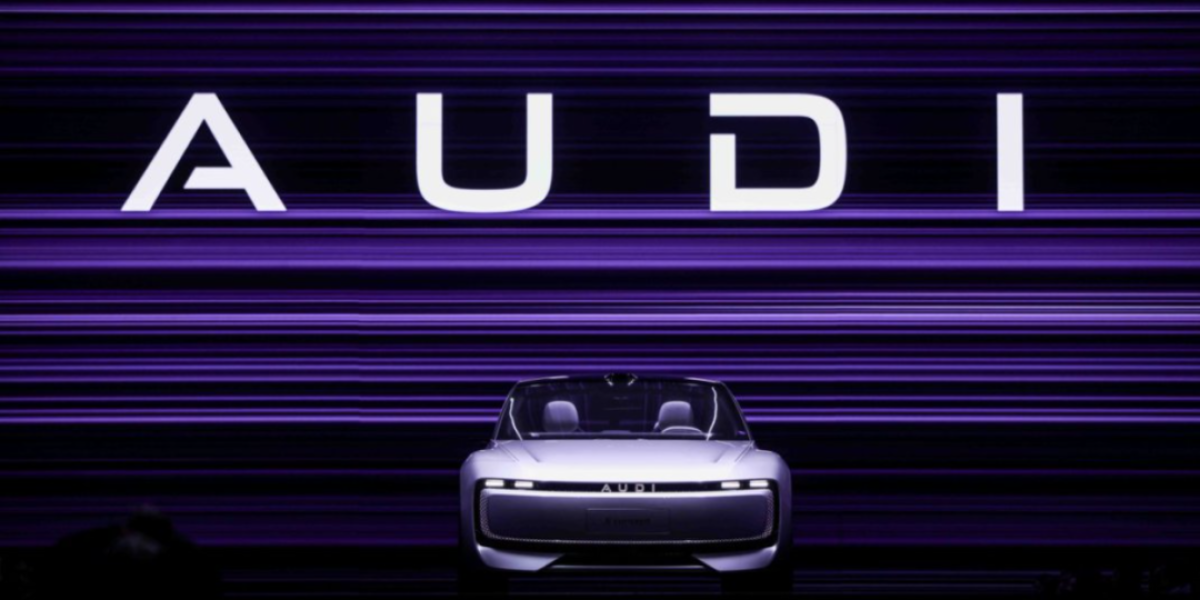
The Audi E5 Sportback arrives with a price range of roughly $33,000 to $44,000, a level that would have looked unusual for a luxury-brand electric coupe only a few years ago.
A new price logic for a luxury EV
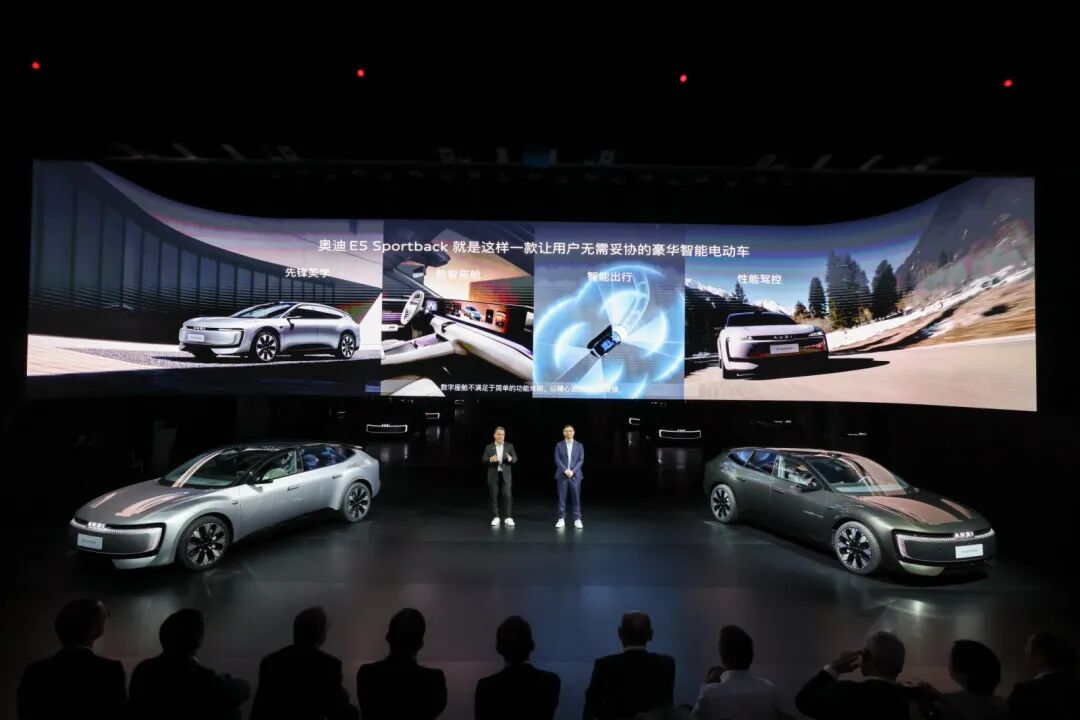
It is also the first model under the AUDI brand developed through SAIC Audi, and it signals a deeper attempt to redefine premium electric cars for China's market.
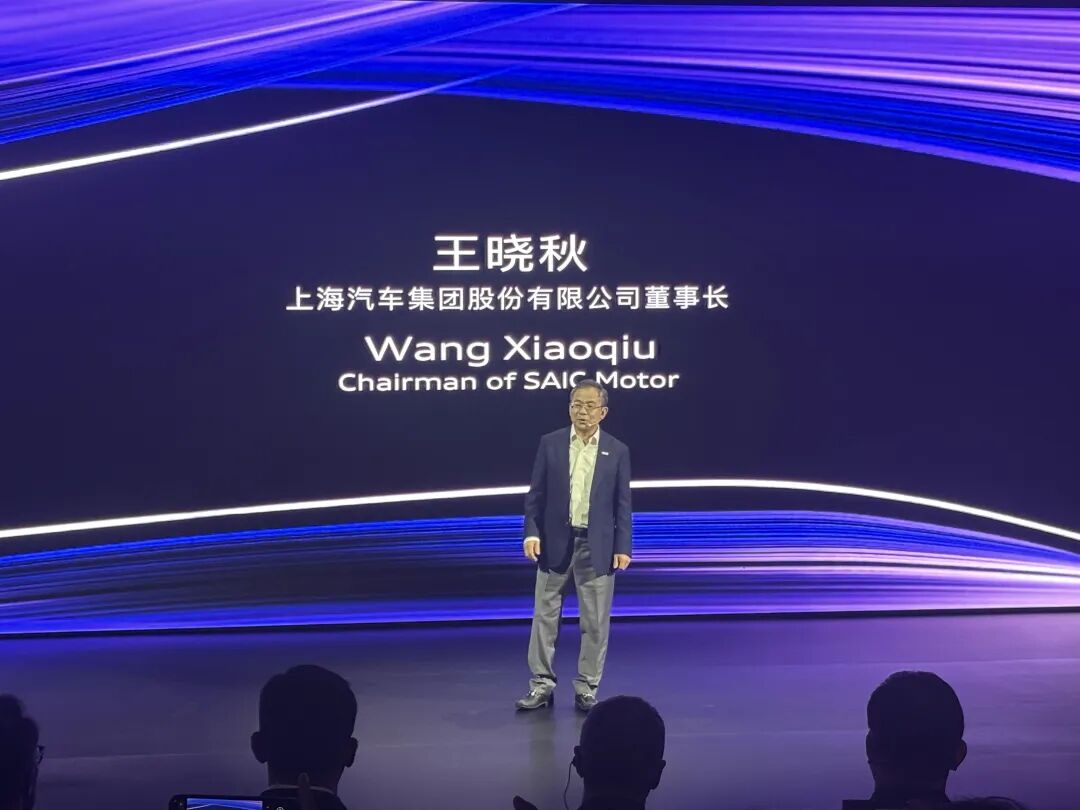
SAIC chairman Wang Xiaoqiu and Volkswagen Group China chief executive Ralf Brandstaetter both attended the launch, underscoring the model's strategic role. Wang said SAIC Audi would accelerate into new segments and combine Audi's luxury heritage with SAIC's innovation capabilities to build products tailored to Chinese users.
The E5 Sportback is offered in four versions and backed by a pre-order benefits package. More important than the marketing bundle is the message: traditional luxury brands can no longer rely on badge power alone. In China's EV market, luxury is being rebuilt around technology, user experience and a price that consumers see as rational.
Value is becoming part of the luxury equation
The model targets the roughly $35,000 to $42,000 band, a key replacement-purchase range for many Chinese families seeking both premium quality and value. Luxury EVs from older foreign brands have often carried high prices, while Chinese start-ups have sometimes lacked the depth of traditional premium craftsmanship. Audi is trying to occupy the space between the two.
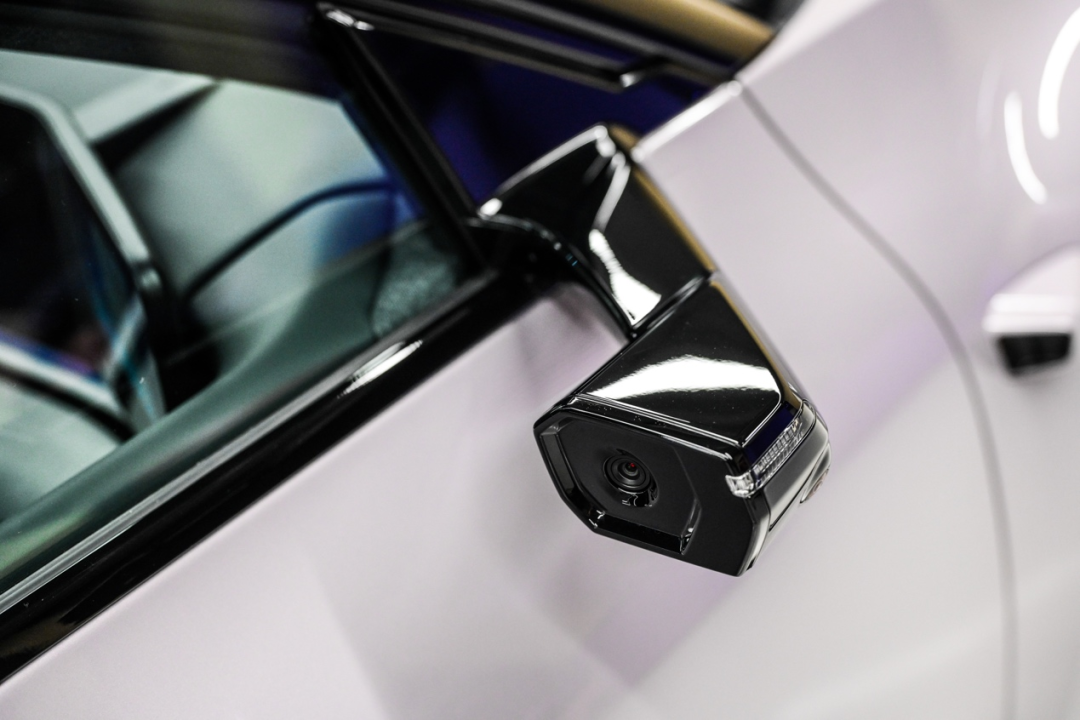
The pre-sale package supports that positioning. Lifetime panoramic assisted-driving access is valued at about $5,000. Ultra-clear electronic side mirrors are valued at roughly $2,000. Selected versions also receive a cabin upgrade package worth about $2,000, including front-seat massage and a Bose sound system.
That pricing is possible because of deeper localisation. Reports cited in the article suggest the E5 Sportback uses a substantial share of locally sourced components, with some estimates around 65 per cent. Local development and production, a CATL CTP module-free battery system and Chinese suppliers for electric-drive components help reduce cost while keeping global engineering standards in place.
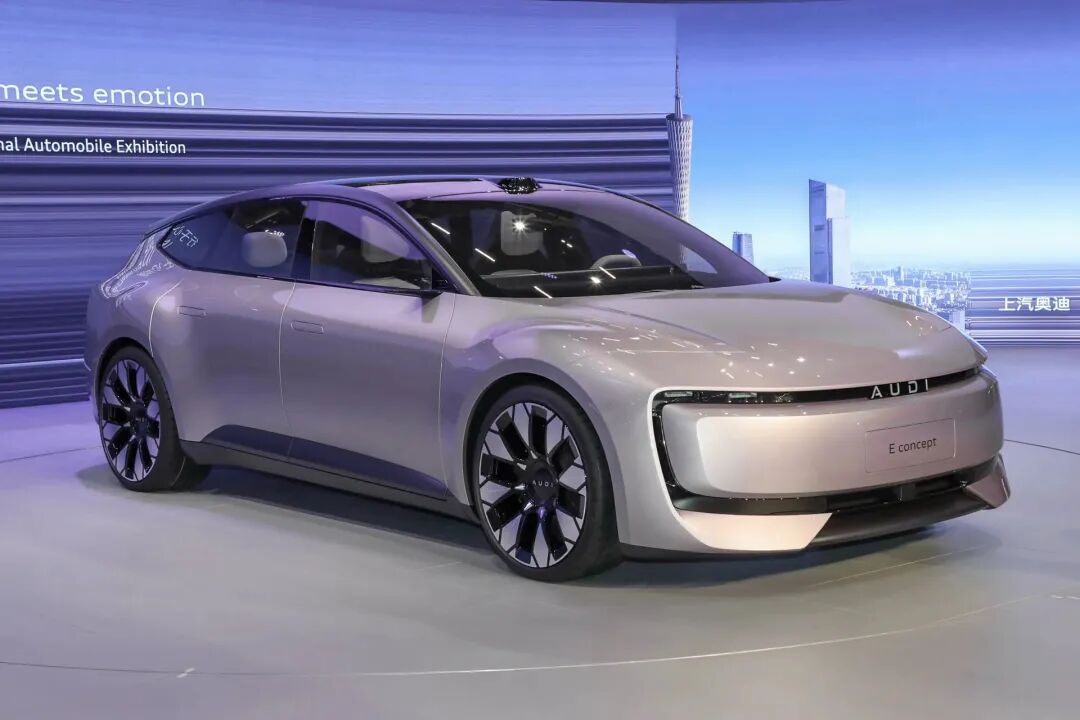
German handling meets Chinese software
The E5 Sportback's product story is built around a combination of German driving DNA and Chinese intelligent-vehicle technology. Its assisted-driving system uses Momenta's flywheel large-model approach, designed for China's complex roads, and is then matched with Audi's own driving calibration.
The sensor suite includes lidar with long-range detection, three long-range millimetre-wave radars, 12 ultrasonic sensors, 11 cameras and multiple multimodal perception units. The aim is to give Audi a more localised answer to Chinese brands that have moved faster in smart-driving features.
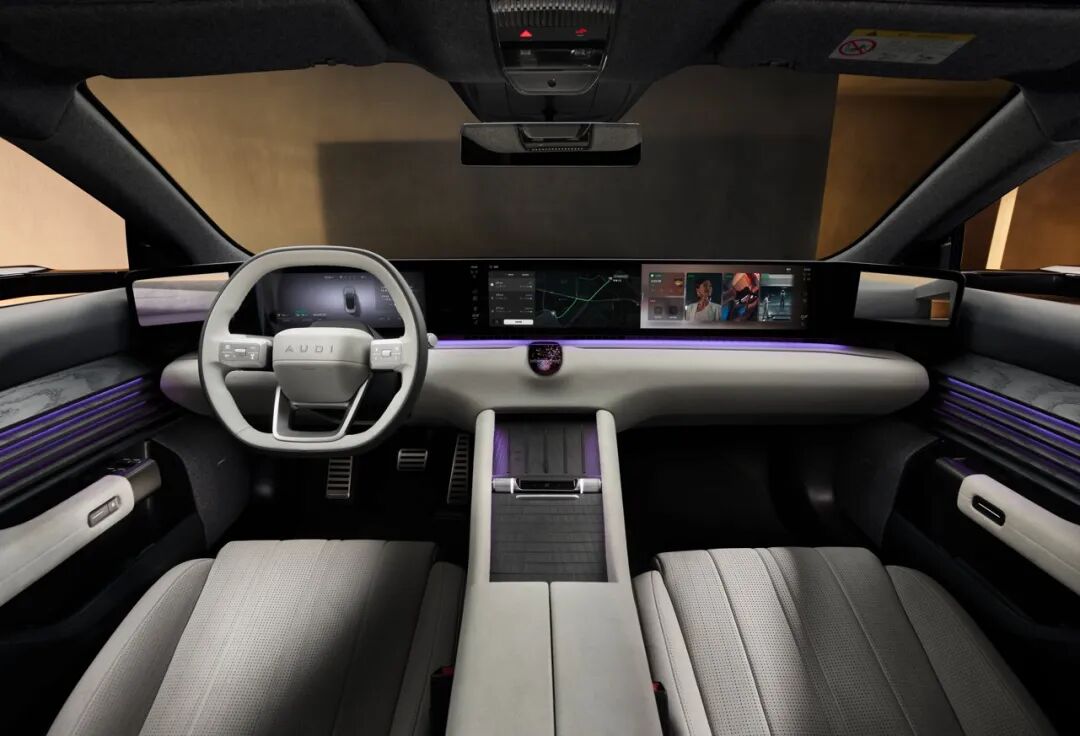
The cockpit follows the same logic. AUDI OS runs on Qualcomm's Snapdragon 8295 chip, while iFlytek and Volcano Engine support the voice assistant. The system is designed for natural-language interaction, multi-round dialogue, vehicle control and four-zone wake-up inside the cabin.
Audi has kept its core performance identity in the electric transition. The quattro version uses dual motors producing 579kW and accelerates from zero to 100kph in 3.4 seconds. The dual-motor all-wheel-drive system responds in under 100 milliseconds, which Audi says is around ten times faster than conventional all-wheel drive.
SAIC Audi executives have said quattro-equipped E5 Sportback models are tuned in China and then sent back to Audi's German headquarters for demanding validation, including track endurance, high-speed dynamic-balance tests and cold-weather stability work in Sweden and Heihe. The model also uses an 800V platform and CATL 100kWh battery pack, delivering a claimed 773km CLTC range and 370km of added range after 10 minutes of charging.
A template for foreign luxury brands in China
The E5 Sportback shows that traditional luxury electrification is moving beyond cautious experiments. Earlier foreign-brand EVs in China often felt like conversions or limited market probes. This model has been developed as a full electric-platform product, with local technology partners involved across the chain from development to sales.
That matters because China has become mature enough to force faster foreign-brand adaptation. New-energy start-ups and established Chinese automakers have lifted consumer expectations around software, driver assistance, cabin interaction, charging speed and purchase value. A luxury badge still matters, but it must now be supported by a complete digital ownership experience.
SAIC Audi is also adjusting how the car is sold. The company is pairing pre-sales with offline experiences across 120 experience centres, including augmented-reality displays that show battery layout and motor operation. In a more transparent market, consumers are increasingly willing to pay for technology they can see and understand.
A pressure point for the premium EV market
The E5 Sportback's significance may not rest only on its eventual sales volume. By putting advanced driver assistance, electronic mirrors, long-range charging and premium hardware into a lower price band, Audi is raising the pressure on both foreign and Chinese rivals.
For consumers, that could mean better-equipped cars at more realistic prices. For automakers, it creates a harder balance between protecting brand identity and meeting China's faster-moving expectations.
The broader lesson is that luxury in the electric era is no longer a fixed inheritance. It has to be rebuilt through performance, software, service, local relevance and disciplined pricing. With the E5 Sportback, Audi is showing that a legacy premium brand can still adapt if it is willing to change the rules it once helped write.