
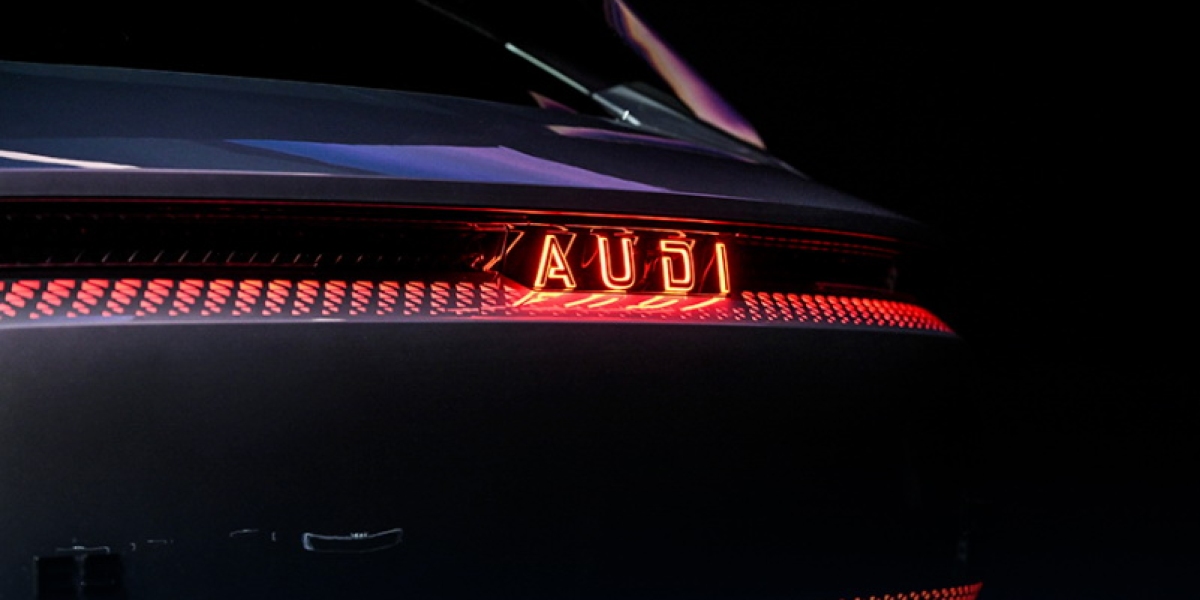
Audi's decision to deepen its partnership with SAIC and establish an innovation technology centre in Shanghai signals a more urgent phase in the German brand's China strategy.
A German Luxury Brand Looks for a China Answer
For a century-old luxury marque, the move is less a symbolic gesture than a recognition that the rules of premium electric vehicles are being rewritten in the world's most demanding car market.
China's new-energy vehicle penetration has climbed to the point where electric and hybrid vehicles are reshaping the market once dominated by petrol cars. BYD, Xiaomi and other Chinese players have used software, battery technology and aggressive pricing to open cracks in the luxury segment. The German premium trio, long protected by brand power and engineering reputation, now faces buyers whose expectations have changed quickly.
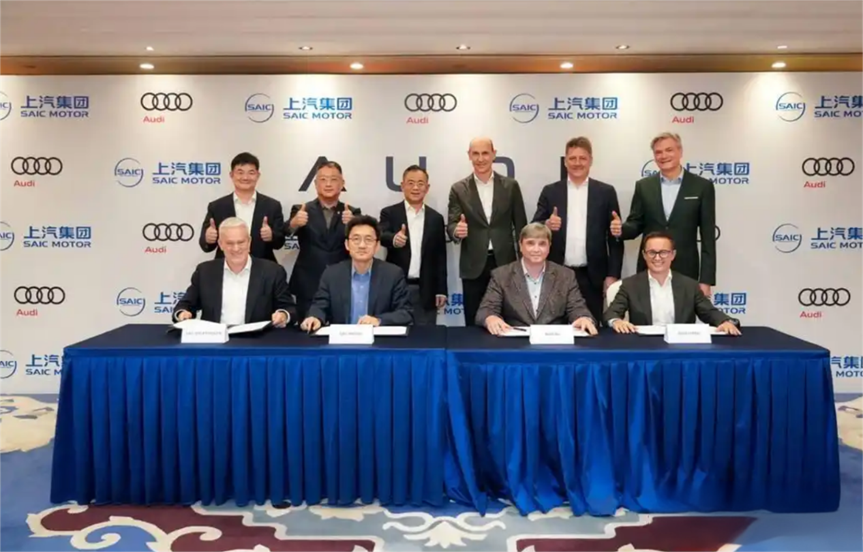
In recent years, German luxury brands and joint-venture manufacturers have all spoken more loudly about becoming more Chinese in product development and user experience. Audi's new centre with SAIC suggests it is moving beyond language and into a deeper operating change.
The Old Joint-Venture Formula Is Losing Force
During the petrol-car era, the joint-venture model was simple. Foreign carmakers supplied core technology and brand licensing, while Chinese partners contributed factories, channels and local execution. Mature overseas products could be adapted for China and still deliver strong margins.
That balance has been disrupted by intelligent electrification. Chinese consumers are less willing to pay a premium for a foreign badge alone. They judge vehicles by smart-cabin performance, driver-assistance capability, local software integration and value. BYD's blade battery, Huawei's advanced driving systems and China's fast-moving supplier base have all placed pressure on traditional luxury advantages.
The issue is not that established luxury brands lack engineering depth. It is that their development systems have often moved too slowly for China. Key technology routes have typically been decided at headquarters, leaving local teams with limited authority over vehicle definition. That has created familiar problems: smart cockpits that feel out of step with Chinese apps and assisted-driving systems that lag local competitors.
For Audi, the answer appears to be a structural break. China now has one of the world's most complete electric-vehicle supply chains and a dense ecosystem of software, batteries, chips and intelligent-driving suppliers. Accessing that ecosystem requires more than importing a global car and adapting the trim.
Volkswagen Group's technology company in Hefei, known as VCTC, has already shown one path by pushing more research and development decisions into China and shortening approval processes. Software-cabin changes that once took months can be handled on a weekly rhythm. Audi's Shanghai centre follows that logic, but with a co-creation model involving SAIC rather than a purely internal research structure.
Audi's Localisation Challenge
Audi has been one of the more active German luxury brands in China's electric transition, but its history also carries inertia. For much of the past two or three decades, the company relied on a model in which vehicles were largely developed overseas and sold in China through local adaptation. Chinese teams had a role in localisation, but less control over defining a vehicle from the start.
That arrangement was workable when premium demand was rising and foreign brands held clear prestige. It is riskier in a market where local buyers expect fast software updates, China-specific digital services and driver-assistance systems tuned for local roads.
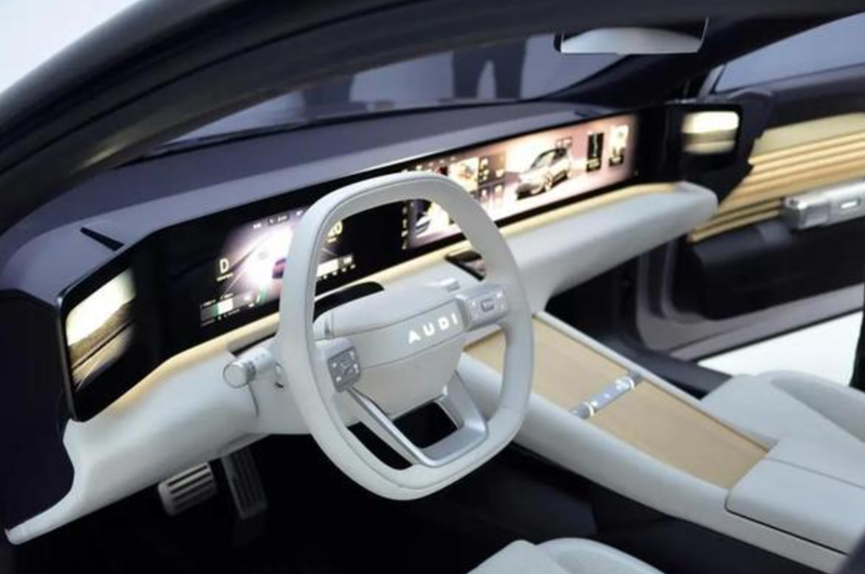
Audi has already built research capacity in Beijing. The new SAIC-linked innovation technology centre goes further by creating a local research entity across the full value chain. The aim is to move product definition, technology development and supply-chain integration closer to the market.
For Audi, this is a fight for decision-making speed. It gives Chinese teams a bigger role in defining what an Audi should be in China, rather than only adjusting a product conceived elsewhere. That does not mean abandoning the brand's German identity. It means using China's innovation ecosystem to protect the brand's relevance in the intelligent-EV era.
How the SAIC Partnership Is Supposed to Work
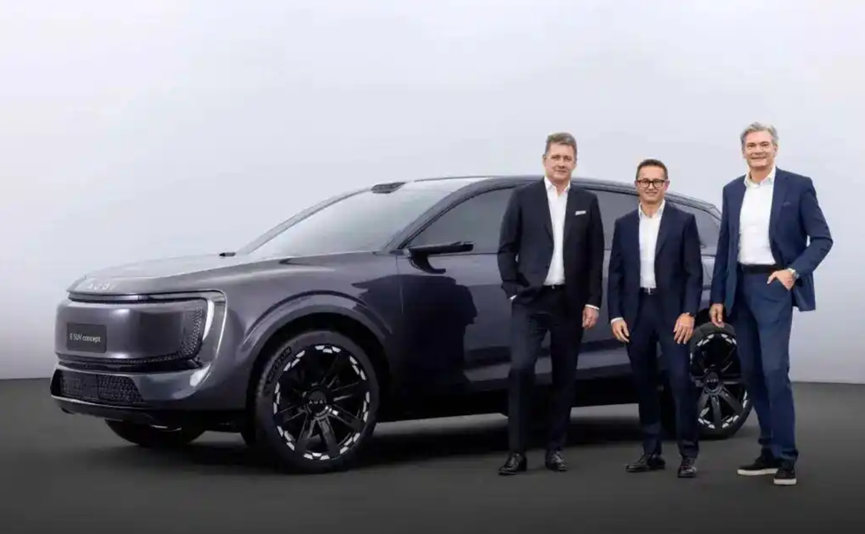
The new centre is presented as more than a badge-engineering operation or a simple technology graft. It is an independent joint-venture entity rather than a unit buried inside the SAIC Volkswagen structure. SAIC Audi's existing research and product teams are expected to move into the centre, gaining greater autonomy over technology choices, supplier management and software development schedules.
The model separates research independence from channel support. Audi can still use SAIC Volkswagen's broad dealer network to reach customers, while the development team focuses on technology and product speed. Earlier SAIC Audi experiments with agency sales, online direct sales and closer brand-user links are also intended to feed market feedback back into product development more quickly.
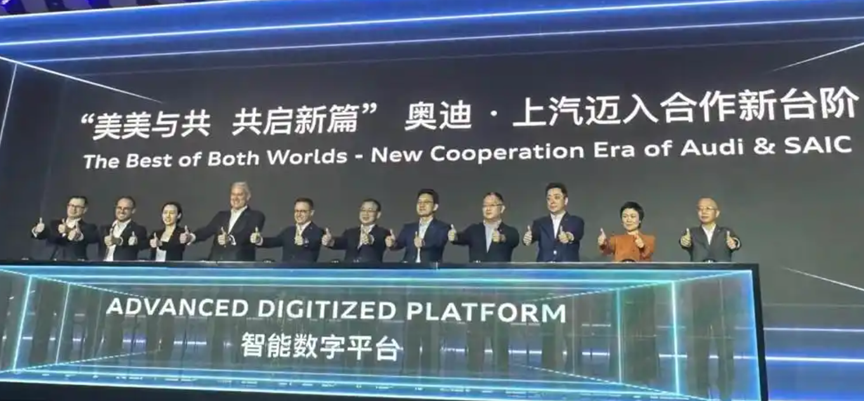
The core technical foundation is the jointly developed ADP intelligent digital platform. Audi and SAIC describe the process as a China-Germany relay, with shared data and quicker approvals. Technical decisions that once might have moved through multiple layers can be reviewed by both sides within 24 hours. The companies say this can shorten platform development to 18 months and cut the launch cycle for platform-based vehicles by more than 30%.
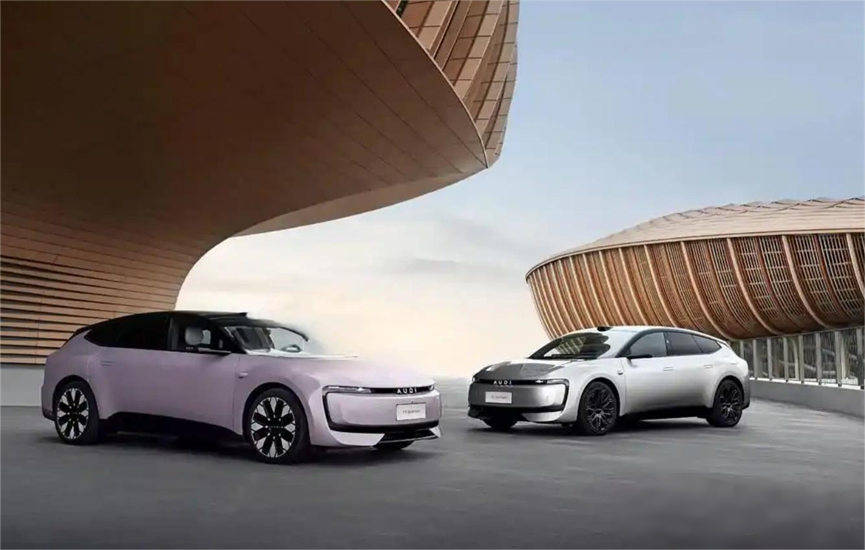
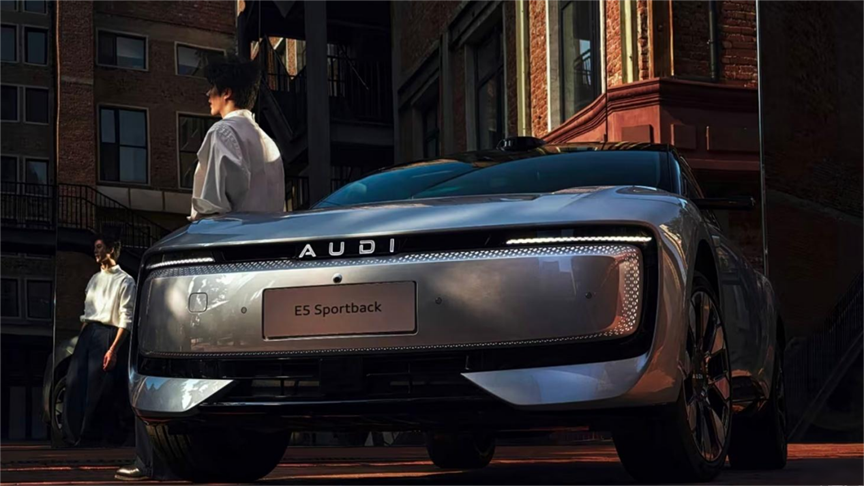
The first AUDI E5 Sportback took about two years from platform start to market, a speed that would have been difficult under Audi's traditional process. The approach gives the German side responsibility for design sign-off, chassis tuning, vehicle safety and quality standards, while the Chinese side leads intelligent driving, smart cabins, electrical architecture, local chips, batteries and the wider new-energy supply chain.
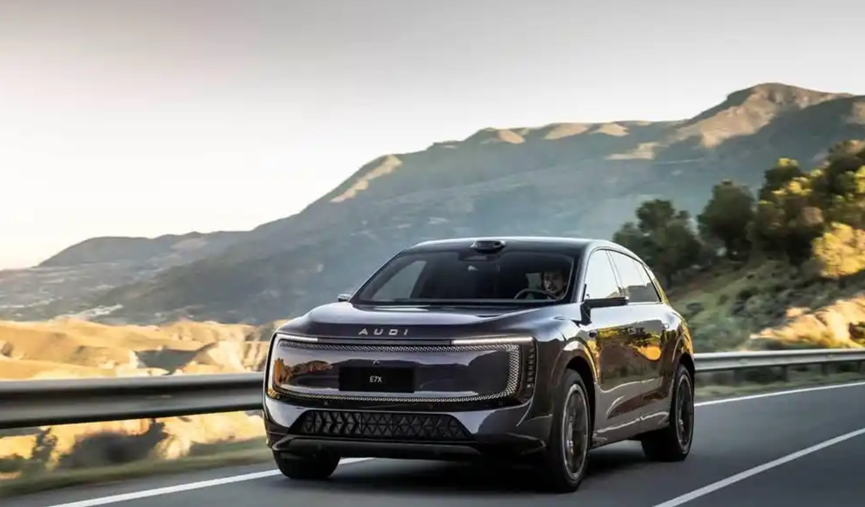
Audi's work with Momenta on assisted driving follows a similar division: Chinese innovation under German quality control. The upcoming Audi E7X, due to appear at the 2026 Beijing auto show, is positioned as another result of this model. It is not meant to be a global vehicle lightly adapted for China, but a product defined from the start around Chinese users.
The Stakes for Premium EVs
The deeper question is whether Audi can use this model to change its position in China's premium-EV contest. Luxury in the smart-car era is no longer only about materials, ride quality or heritage. It also depends on digital fluency, software speed and whether the vehicle fits the daily habits of local users.
The SAIC partnership reflects what could become the next phase of foreign-Chinese auto ventures. Instead of one side providing technology and the other providing market access, both sides are being asked to contribute strategic capabilities. Audi brings luxury design, engineering standards and brand authority. SAIC brings local market knowledge, supply-chain resources and access to China's intelligent-EV ecosystem.
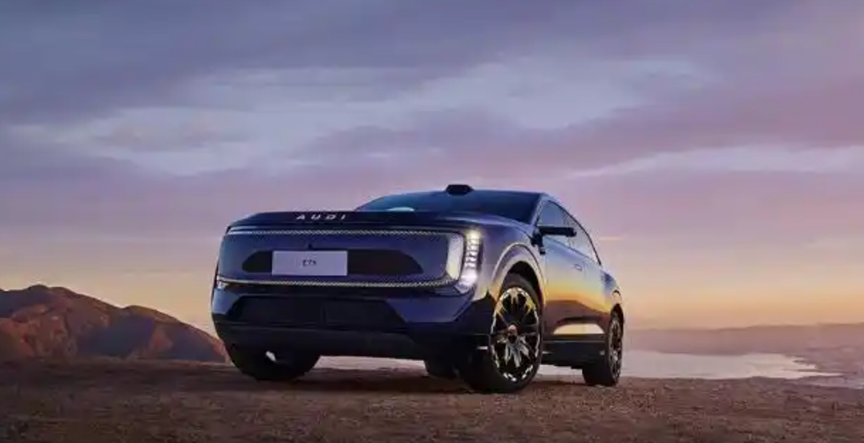
If the centre succeeds, it could give Audi a stronger competitive base in China and a model that feeds lessons back into its global electric strategy. If it fails, it will underline how hard it has become for legacy luxury brands to match the pace of China's carmakers on their home ground.
The creation of the Audi innovation technology centre is therefore a pivotal move, not a routine partnership announcement. It shows how far the premium market has shifted. To remain a luxury leader in China, Audi now has to build cars that are not only German in quality, but Chinese in speed, software and user relevance.