
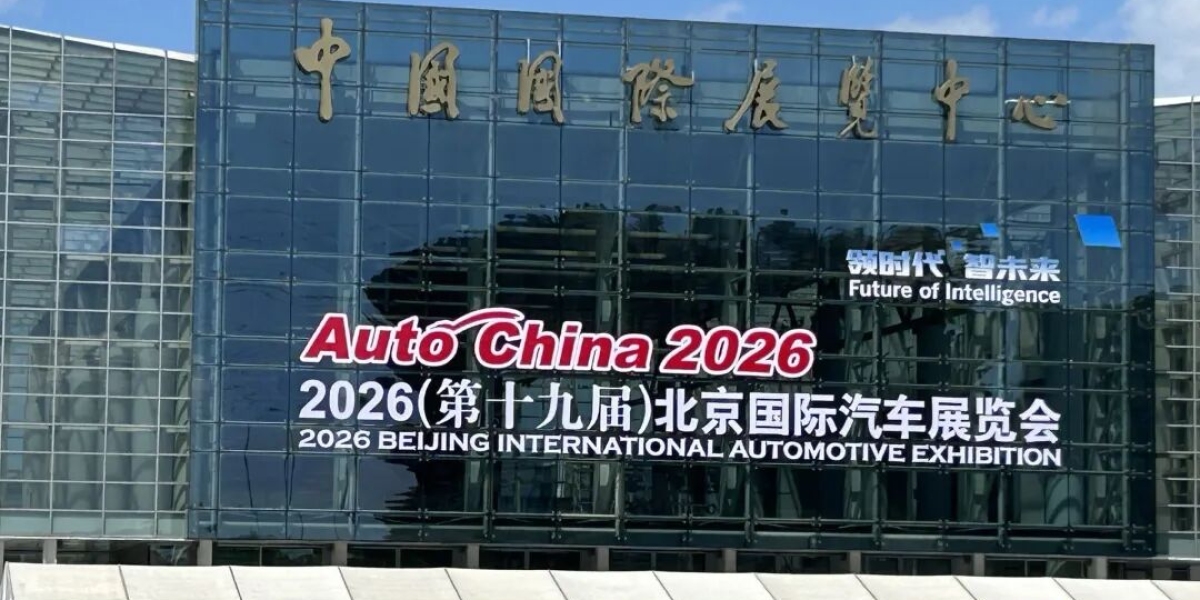
After two days and 40,000 steps at the 2026 Beijing auto show, one question kept returning: is this still an auto show?
A car show that increasingly feels like CES
The answer is less obvious than it once was. A few powerful automakers expanded their stands, while several ultra-luxury brands such as Maserati, Porsche, Aston Martin and Jaguar Land Rover were absent. Suppliers in chips, intelligent driving and smart cabins occupied more prominent positions. Some carmakers displayed aircraft, robots and robotic dogs, making parts of the show feel closer to CES than a traditional motor show.
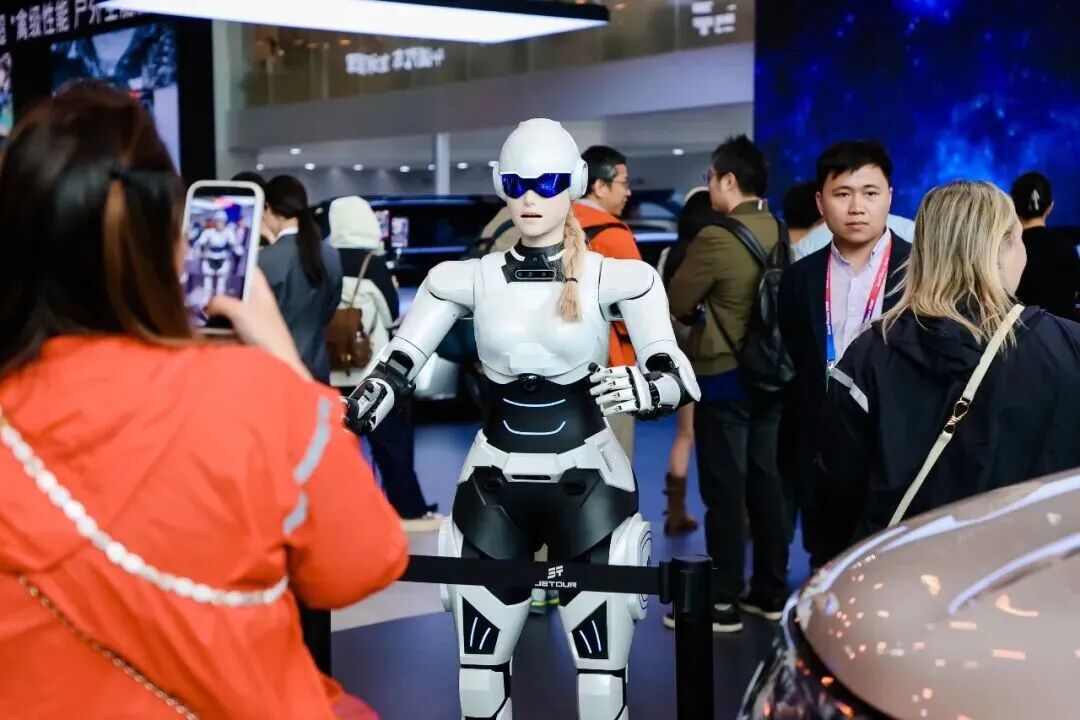
For consumers, those non-car products can be entertaining. For industry veterans, they also bring discomfort. The discomfort is not about rejecting change. It comes from recognising that the auto industry is becoming more similar, more exhausted and more numb.
The 2026 Beijing show may become a dividing line. It set a record as the world's largest auto exhibition through its dual-venue format, but its deeper significance was the way it revealed the next phase of China's auto-market transformation.
More foreign visitors, and a more global stage
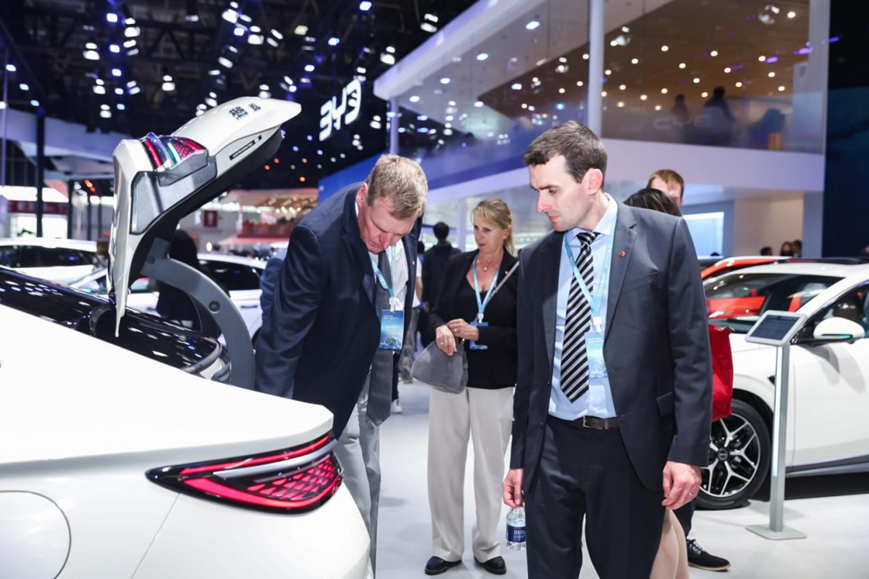
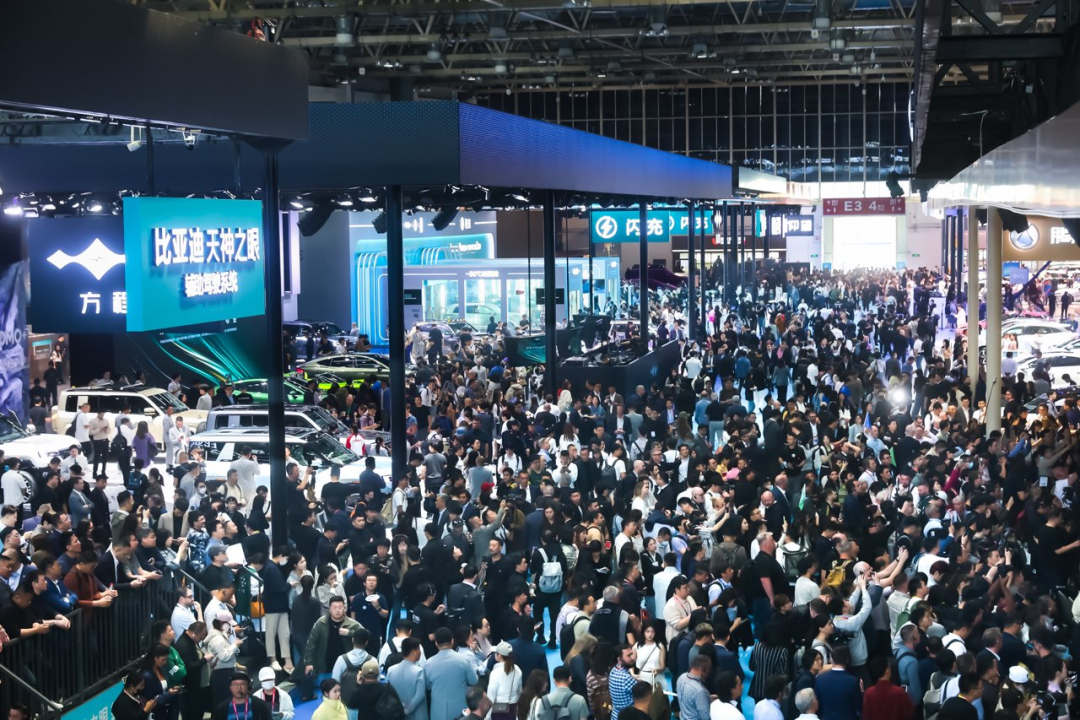
One striking scene was the number of overseas visitors moving through the halls in organised groups. Guides carried flags and led foreign guests around the show as if visiting the Beijing auto show had become a new technology-tourism route.
Two or three years ago, overseas visitors at a Beijing-level show were mostly scattered observers or business partners. This year, leading Chinese brands such as BYD, Chery, Geely, Great Wall and GAC invited global partners and overseas media in large numbers. The show became a stage for Chinese automakers to display technology, products and standards to the world.
Hundreds of foreign media outlets and exhibitors moved through Chinese stands with cameras and microphones, studying new-energy vehicles, flying cars, robots and other advanced products. Conservative estimates suggest that Chery, Geely, Changan and a few others brought at least 6,000 overseas dealers and media visitors during the first two days. Great Wall's stand even offered simultaneous interpretation across eight languages.
Geely held an international business partner conference in Hangzhou before the show, inviting more than 1,000 overseas dealers from over 100 countries and regions. It reportedly chartered a high-speed train to bring them to Beijing. Chery was said to have brought around 4,000 overseas visitors, with plans to take them back to its Wuhu headquarters after the show.
Foreign dealers were not only sightseeing. Many carried notebooks, asked prices stand by stand and began agency discussions on site. Global executives including BMW chief executive Oliver Zipse and Mercedes-Benz chairman Ola Kallenius also visited leading Chinese-brand stands.
The context is clear. China Association of Automobile Manufacturers data showed domestic vehicle sales of 4.823 million units in the first quarter of 2026, down 20.3%. Exports reached 2.226 million units, up 56.7%, while new-energy exports rose 116.2%. The domestic market is approaching saturation. Overseas growth has become a required answer for almost every major automaker.
Huawei and suppliers step into the centre
Before the show, many observers already felt that the season's main character was the Huawei-linked ecosystem. Both the Jie-series and Jing-series brands drew major attention. That gave other suppliers a model and encouragement.
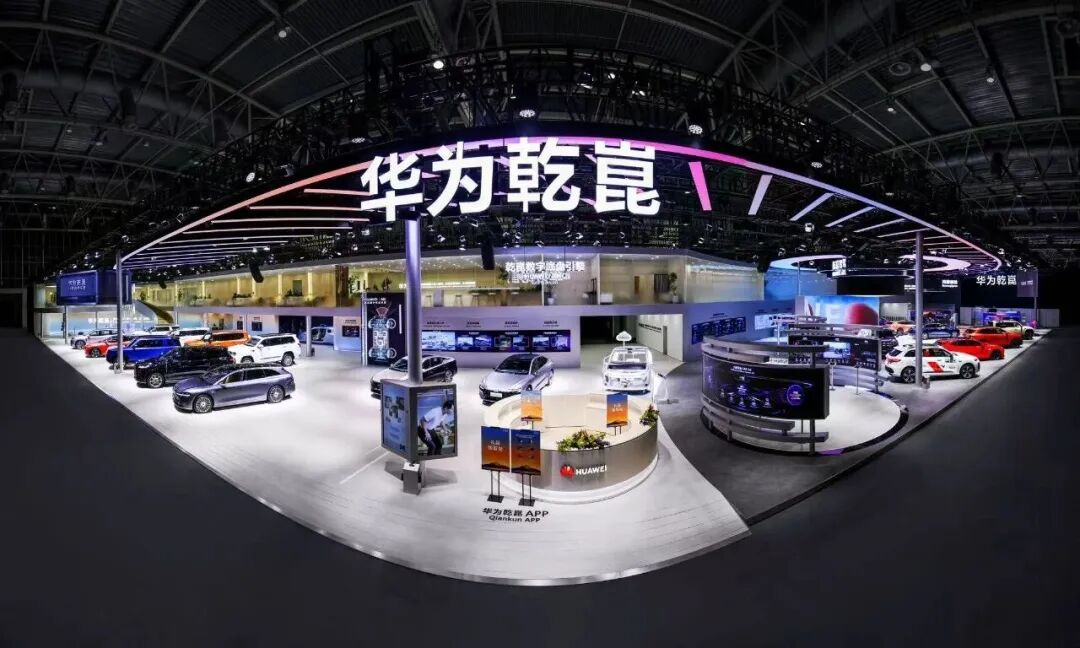
For the first time, core suppliers entered the main halls at large scale and exhibited alongside vehicle brands. Huawei Qiankun and Huawei Digital Energy had independent stands. The HIMA stand covered more than 4,400 square metres and displayed more than 20 vehicles, matching the scale of major automakers.
The placement was telling. Avatr and M-Hero, both deeply tied to Huawei, chose to sit in the same W3 hall as Huawei's car business rather than beside their parent groups. The message was clear: in the intelligent-vehicle era, the company holding core technology becomes the centre of gravity.
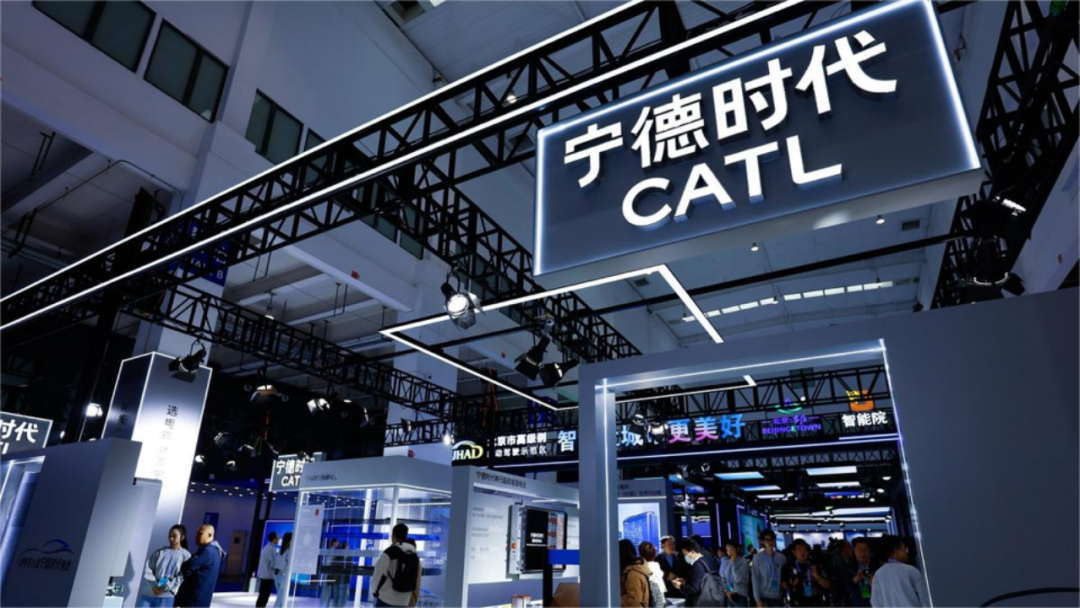
CATL made a similar statement. The battery giant built an energy-technology experience zone of more than 1,500 square metres at the W4 entrance, next to luxury brands such as BMW and Porsche. CATL's 2025 net profit attributable to shareholders reached about $10.06 billion, exceeding the combined profits of 11 listed automakers including BYD, SAIC and Geely.
Other suppliers such as DJI Automotive, Horizon Robotics, Black Sesame Intelligence and SemiDrive also entered central areas of the vehicle halls. The parts zone expanded from 13 countries and regions to 21, with themes shifting from traditional parts to electrification, intelligence and digitalisation.
This shared-hall layout reflects a new relationship between automakers and suppliers. It is no longer only procurement. It is becoming co-creation. Suppliers do not want to remain backstage. Many are trying to stand beside automakers as equal technology actors.
More products, less identity
The cost of rapid electrification is sameness. After years of price competition, technology competition, supply-chain competition and management competition, new products arrive faster than before. Yet design identity and brand recognition are weakening.
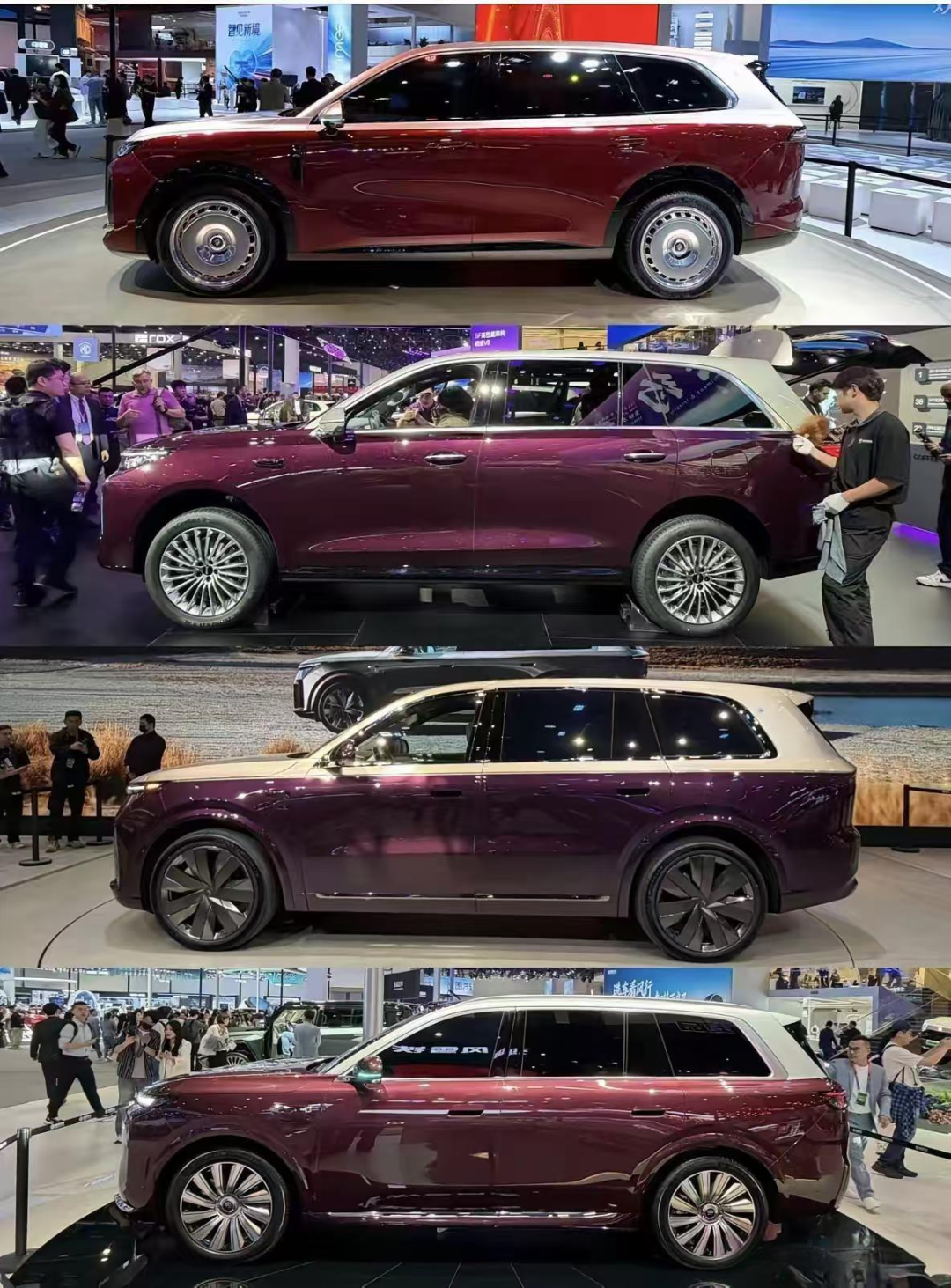
Walk through the halls and the pattern becomes obvious: closed front ends, through-type daytime running lights, hidden door handles, triple screens or floating centre displays. Cover the badges and many new-energy vehicles become difficult to identify.
The same problem appears in intelligent driving. As Huawei Qiankun ADS 4.0 and 5.0, Momenta, Horizon and other supplier systems mature, automakers use increasingly similar phrases: urban NCA, map-free intelligent driving, highway navigation, automatic parking. The terms sound advanced, but the underlying functions are converging. Audience fatigue is understandable.
The industry has moved from price competition to technology competition, and then to fatigue. The next question is what comes after everyone has finished competing in the same direction.
When the market cools, people feel it first
The numbers are severe. CAAM reported first-quarter domestic vehicle sales of 4.823 million units, down 20.3%. CPCA data showed passenger-car retail sales of 4.226 million units, down 17.4%, the weakest start since 2015 except for pandemic disruption. New-energy passenger-vehicle retail sales were 1.908 million units, down 21.1%.
The chill has reached physical people, not only spreadsheets. Only 18 all-new models launched domestically in the first quarter, compared with 33 in 2024 and 28 in 2025. Automakers appear to be betting on higher-end routes, but the deeper reason is thinner profit. The auto industry's profit margin was only 2.9% in January-February 2026. Everyone has become more cautious because no one can afford another bad mistake.
Among media colleagues at the show, one phrase came up repeatedly: "I have not been home for two weeks." Before the show even opened, more than 80 launches or listing events had already been held across China in April, averaging at least three or four a day. Many reporters arrived at the media days already exhausted. Their faces showed fatigue more than excitement.
This is why the essay's opening line matters: individual breathing space is more important than grand narratives. The industry can talk about globalisation, intelligence and historic transformation, but the people inside it are also running on limited energy.
A healthier industry may need fewer protagonists
Confusion is not the worst thing. The greater risk is forcing everyone to keep running after the direction has become unclear.
Over the past two years, price wars have cut into the bone and product similarity has reached an extreme. Market share has not expanded enough to justify the damage, and profits have become thinner. That sends a clear signal: the elimination round will eventually end.
For leading automakers, continuing to fight endlessly in the domestic market may be less useful than investing more in overseas markets or genuinely new tracks. For brands with weak products and little core competitiveness, continuing to lose money for noise may only consume the last chance to change.
Stopping, transforming, entering a niche or seeking merger and restructuring should not be treated automatically as failure. Sometimes it is loss control.
A healthy industry does not require everyone to be a protagonist. The 2026 Beijing auto show felt like a turning page. The hope is that the next page brings more rational focus, more subtraction and less numb repetition.